SEVEN WEEKS TO SAY GOODBYE

It seemed as if Bobby had been gone for months instead of sixteen days. When she returned home from England where she had attended her only sibling’s funeral following his unexpected death, the excitement of being together kept us awake talking long after our usual bedtime.

Two days after our joyful reunion, on September  27,  Bobby waved goodbye as she pedaled off to return a sweater at the Arsenal Mall in Watertown.  An hour later, the phone rang. Since the number was unfamiliar, I hesitated before answering. When a woman’s voice asked if I was related to Roberta Wiggins, my heart stopped. For years, long before Bobby lost most of her hearing, I’d had a premonition that Bobby would have an accident while riding her bicycle. I considered asking her to stop biking but knowing the joy and sense of freedom it gave her, I couldn’t myself to do it. Also, I’m a fatalist, believing our end time is predetermined, unable to delay the angel of death. 

“Yes! Yes, I’m her husband! What happened?”

“She’s been hit by a large truck…her leg…so much blood. The police, ambulance are coming!”

Frantic, I called the Watertown Police who assured me that someone would call back as soon as they knew where Bobby had been taken. Fifteen long minutes later,  they said she was in Beth Israel Hospital Trauma Center. A neighbor drove me over. 

 I was led into the  Waiting Room. One hour passed.  Another hour.

“Where is Bobby,” I asked. 

“As soon as she is out of the OR, we will come for you.”

On the five o’clock news, there was a short segment about a truck hitting a bicyclist in Watertown. When I saw the size of the vehicle, my heart dropped. How could her slight frame survive such an impact? Two more hours passed.  Finally a nurse guided me through long corridors and up an elevator to the E R Trauma Center. The scene was impossible to comprehend.  With so many IVs, a breathing machine with a large tube down her throat, I could barely recognize my wife. The young nurse did her best to answer my questions. 

Near midnight, a doctor entered. “The miracle here is that she’s alive,” he said. “We’ll need another miracle for her to survive without catching an infection or pneumonia.” 

A day later, our long time friend, Diane, came to stay with me. As we walked to Beth Israel each day, we’d tell old stories about Bobby, unable to digest the seriousness of her condition. We sat in silence  watching her motionless body, listening to the sound of the breathing machine in the antiseptic glare of fluorescent light, never mentioning the tube sucking blood from some unknown place under the sheets into a canister. 

For eight days, Bobby’s severe wounds needed to be changed daily in the OR under anesthesia.  I asked the nurse why the breathing tube needed to remain in place. “I want to talk to her.” When the tube was finally removed, Bobby’s vocal cords were traumatized, rendering her unable to eat or drink. She spoke with a whisper but at least we could talk, and when her beautiful blue eyes focused on me, I cried. 

Finally, Bobby was moved from the ICU to a private room. The sun shone in the windows. The nurses were so caring, every few days one would braid Bobby’s hair. As her bandages were being changed, I found the courage to take a look. My God, the damage was inconceivable. But hope serged whenever her eyes met mine. I remarked to Diane how Bobby’s demeanor had become almost childlike, innocent.  Diane had noticed as well. Andy, Diane’s husband, joined us on our daily visits. The three of us sang devotional songs to Bobby.  Her eyes stayed riveted on Andy as he led the song. 

Friends came for a short visit. I couldn’t tell if they thought Bobby was doing well or dying. Someone asked how long I stayed each day. ”All day, 7-8 hours,” I said. “What do you do all that time,” they asked? I had to think because the time passed so quickly. I loved being with her, massaging her feet, helping her with simple exercises, and chatting like we’d done for over 50 years.  There was nowhere I’d rather be.

After three weeks, Bobby’s progress slowed. Full of hope, we didn’t seem to notice or didn’t want to notice. But when both Diane and I noticed Bobby peering at her massive wounds with an expression of disbelief, our hope waned. I continued to ask questions about her progress and  how they planned to skingraft such a large area. Definitive answers were rare, but a nurse said it was good to ask questions; Bobby needed an advocate. Another week passed as her condition continued to decline, Bobby began to have spiritual visions.Her Guru appeared to her within. I’d heard of Indian followers of the Saint having similar experiences but for Bobby to confirm that our Guru had come to support her was awe inspiring. Diane, Andy and I were so moved by her proclamations that we temporarily forgot the seriousness of Bobby’s broken body. 

Despite knowing how dire Bobby’s situation was, the nurses remained positive. They commented how radiant she looked, how bright her eyes were. They were brilliant!  Instead of having a touch of green, they were now a vibrant blue. No one had an explanation. 

An infection invaded one of the large wounds and found its way into Bobby’s blood steam. Back to the ICU with low, very low blood pressure, kidneys failing and her lungs were filling with fluid. A surgeon told me without dialysis, she couldn’t last. 

“And with Dialysis?” I asked. 

He looked down, “Her kidneys might rebound.”

“And?”

“Her prognosis is grim.

A meeting was called. Diane sat in. The doctors wanted to persevere. After all the time and energy put in to save Bobby, they didn’t want to quit. I knew that Bobby had no fear of dying; we’d discussed end-of-life issues many times through the years. I asked Diane for her thoughts. She said a few days earlier Bobby had told her how pointless it was to keep her alive.

“No more treatments,” I said. “ let her have some peace before dying.” That’s my decision,”

Bobby was moved to a new room where she drifted in and out of consciousness. Her labored breathing was torturous to listen to, but Diane, who had worked for years in hospice, knew as bad as it sounded, this was normal. “Don’t let them give her morphine, it will cloud her mind. She should be as alert as possible for the transition.” 

All night I listening to that death rattle. The next day friends came to stay farewell in silence. How do I say goodbye after 53 years? That night at 9:30, Bobby took her last breath. I sat with her lifeless body trying to grasp what had happened. I couldn’t. But even in my state of shock, the silence in this room was inescapable. Dead silence! Now I understood that expression, without life, there’s only silence. She was pronounced dead at 10:40 pm on Nov.14th. I went home.

Diane and Andy stayed for another two weeks to help me begin the impossible task of adjusting to life without Bobby. Bobby and I were so close, so attached.  I felt that half of my heart and soul had just been torn away. At this later date, there will be no recovery for me, just living without intimacy, without the person who knew me inside out and still loved me, without my best friend. And what about all my love for her? It’s turned into grief. ‘Grief is love that has nowhere to go’. Our house is full of her absence, everything reminds me of Bobby. 

Traveling to India was out of the question this winter. I wonder if I’ll ever return—too many memories. 

This will be the last entry of A Small Case Across India that Bobby and I took so much pleasure in writing. I hope through the years it captured our love affair with India, its people and culture as well as the love we had for each other. Our marriage was no less than heaven on earth.   

Coming Home to the Cardinals

We’d made the decision to stay in India only three instead of our usual four months for an easier and gentler experience now that we’re older. Indeed, the trip began smoothly. After ten days quiet meditation in Bangalore we took the overnight train directly to Gokarna. The new train was abnormally empty and clean and we agreed the most comfortable ride we’ve yet taken in India. We arrived in time for South Indian breakfast near our guesthouse.

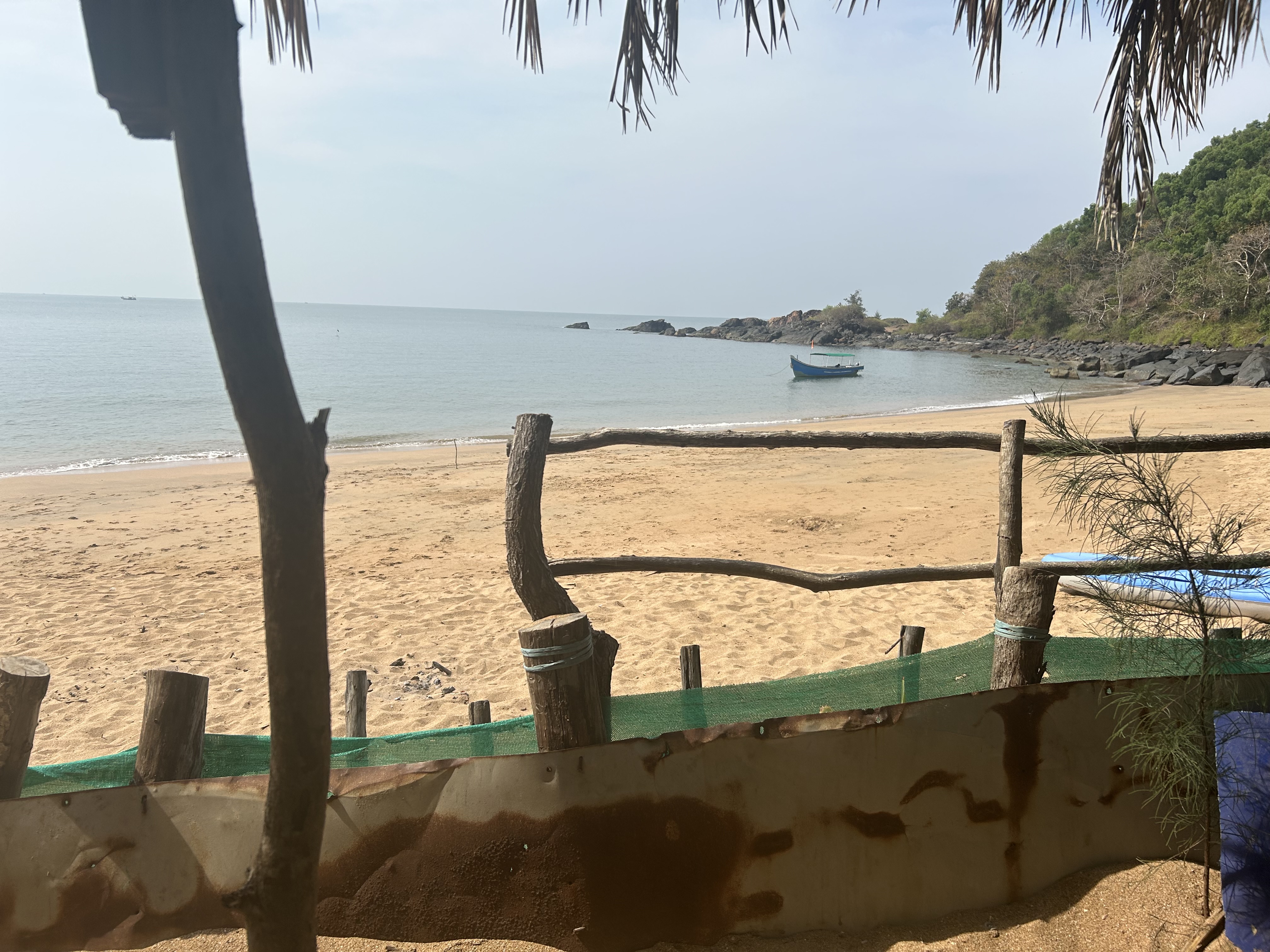
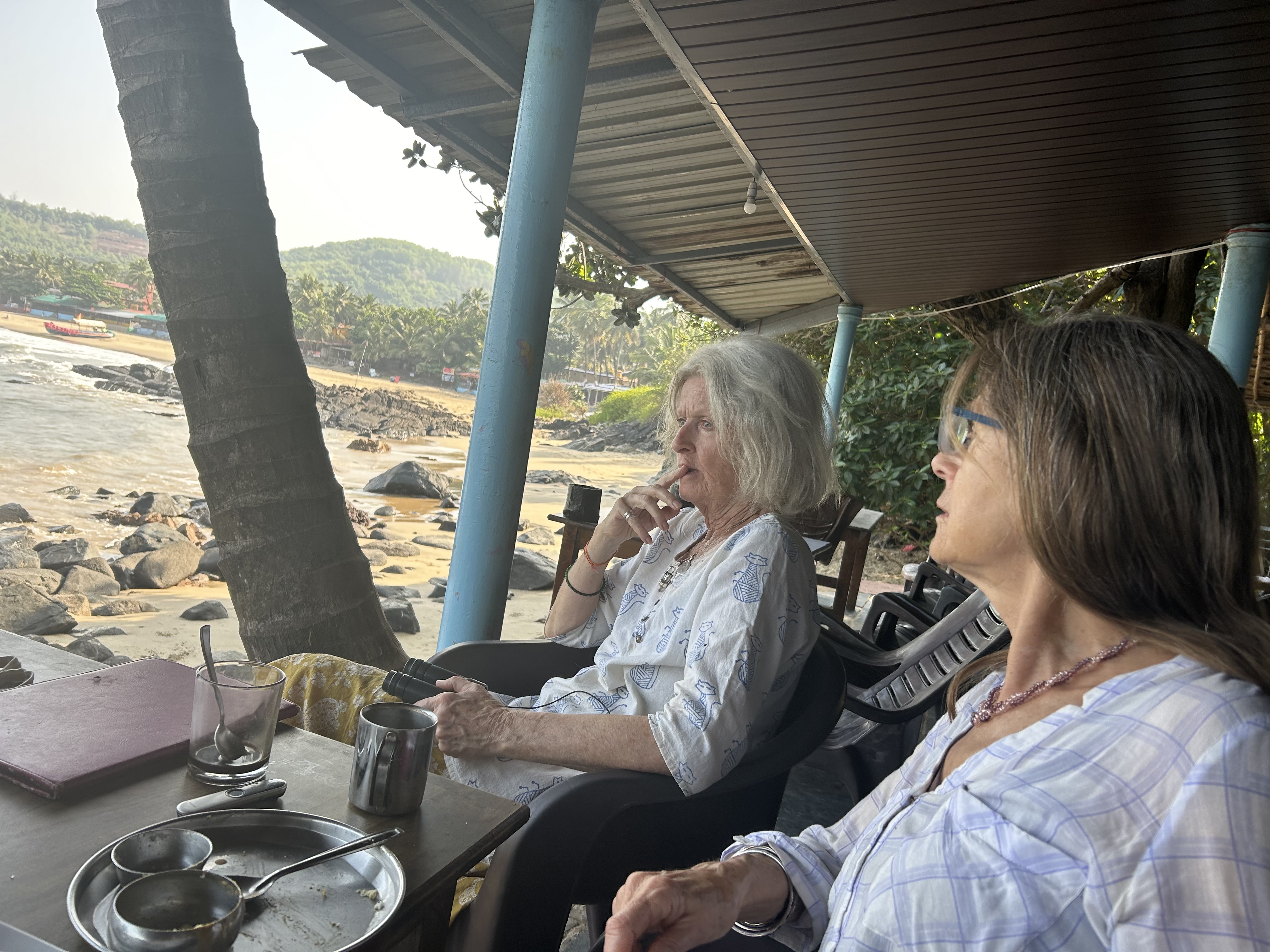
Six weeks at the beach was a luxury for me. Plenty of time for swimming and walking on the sand. And I thoroughly enjoyed the prolonged company of my English friend Marina, and Tina from Ireland. Our friendship could build in a way not possible when you’re just meeting up for a few days and then traveling on your separate ways. Gerard and I were both flattered that our friend Peter came all the way across the breadth of India from Pondicherry to visit us and Swiss Peter visited from Agonda. I enjoyed Gerard’s company swimming almost every day, and when not socializing he happily typed away on his computer, beginning Phase 2 of his memoir. Bitten incessantly by sand fleas and mosquitos bites, he dealt with the itching and sleep disturbance far more stoically than I would have.

We spent the remainder of our three months in Rajasthan, returning after several years to three towns. I enjoyed the longer stays and less travel. Comfortable and familiar; less exciting but also less taxing. The incessant urban noise was hard to take; motorbikes, horn blowing, new construction, street repairs. While jarring for even those with adequate hearing, for me it was bewildering. With my hearing loss, I was grateful to be protected from the barking dogs and early morning chanting, that Gerard had to deal with. But it was hard not to feel isolated when excluded from conversations in restaurants. Then I managed to let go. I remembered my friend in Boston telling me if you can’t hear, you can people watch. When not an active participant in the conversation I became fascinated by the nuances, each speaker’s gestures and expressions, the visual interplay between people. Never being being a visual person, hearing difficulties have helped open me to other sense perceptions.
A field of flowers in Pushkar

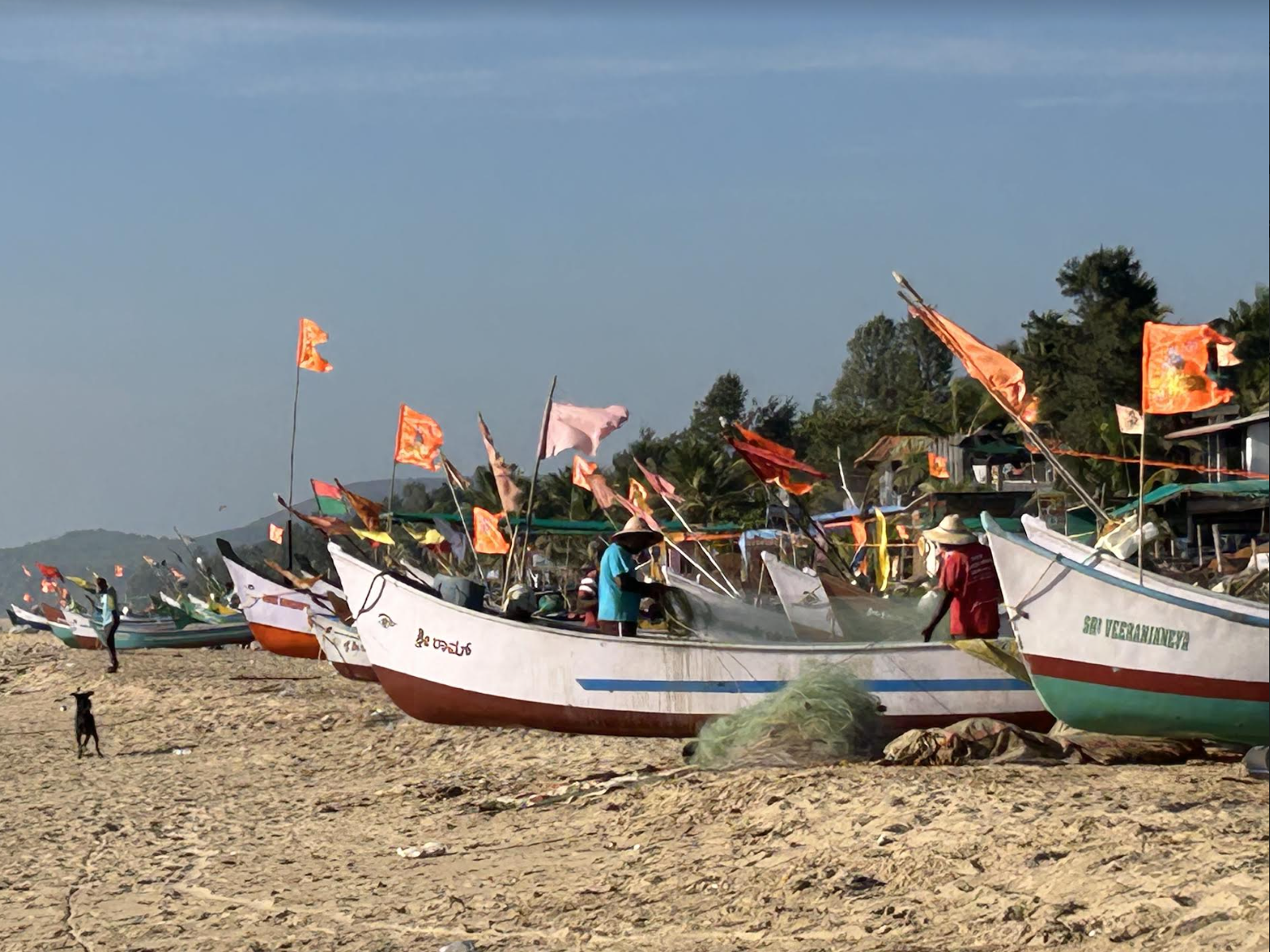
The economy is growing by leaps and bounds: wealthy young Indians going to Gokarna for the weekend, to Pushkar for Holi celebrations, Udaipur for a wedding. Yesterday’s NYT ran an article: What 10 Years of Modi Rule Has Meant for India’s Economy. The value of the stock market has grown threefold. If Modi was responsible for that or not, is a good question. But the saffron colored flags we saw everywhere and distributed by Modi and his cohorts, are too reminiscent for us of Germans waving Nazi flags before WW2.

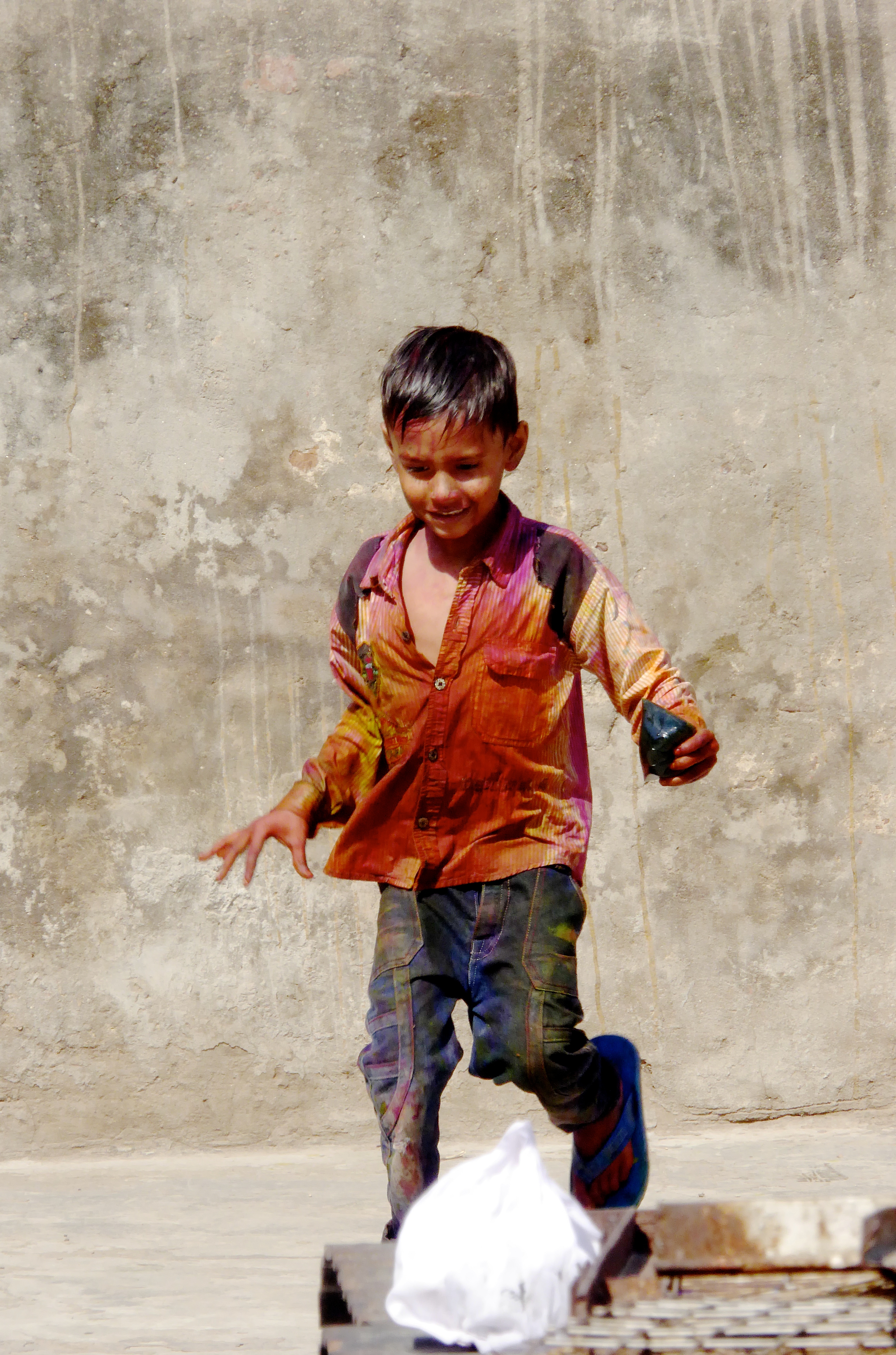
Our last few days in India were spent in Delhi, visiting our Indian family, the Mahajans, and stocking up on Indian products unavailable back home. We spent a day avoiding Holi, the festival of color. The night before I watched bonfires built on the street and offerings of flowers, coconut etc left laid on the fires before being lit. The next morning, the streets erupted with people throwing rainbow toxic dye at each other. We hid in our hotel room, not wanting to have our skin and clothes indelibly stained. But Delhi was tame compared with Varanasi where we usually spend Holi; rowdy partying everywhere and the lanes beside the ghats literally run with color for days afterwards. In Delhi the shops closed. Thankfully the restaurant opposite our hotel was open for breakfast though menu options were limited to white toast and jam. By late afternoon, sanity resumed and it was safe to go out.

Boy on roof top in Varanasi during Holi

Leaving Delhi at 4 am, the flight home via Dubai was long and tedious, but uneventful. Exhausted, I couldn’t hear the customs official at Logan ask me if I was bringing anything back. “No!” I believed was the appropriate response. “Nothing?” He said in disbelief, after three months in India? Standing behind me, Gerard quickly set the record straight. “A bed cover.” Satisfied, he waved me through.

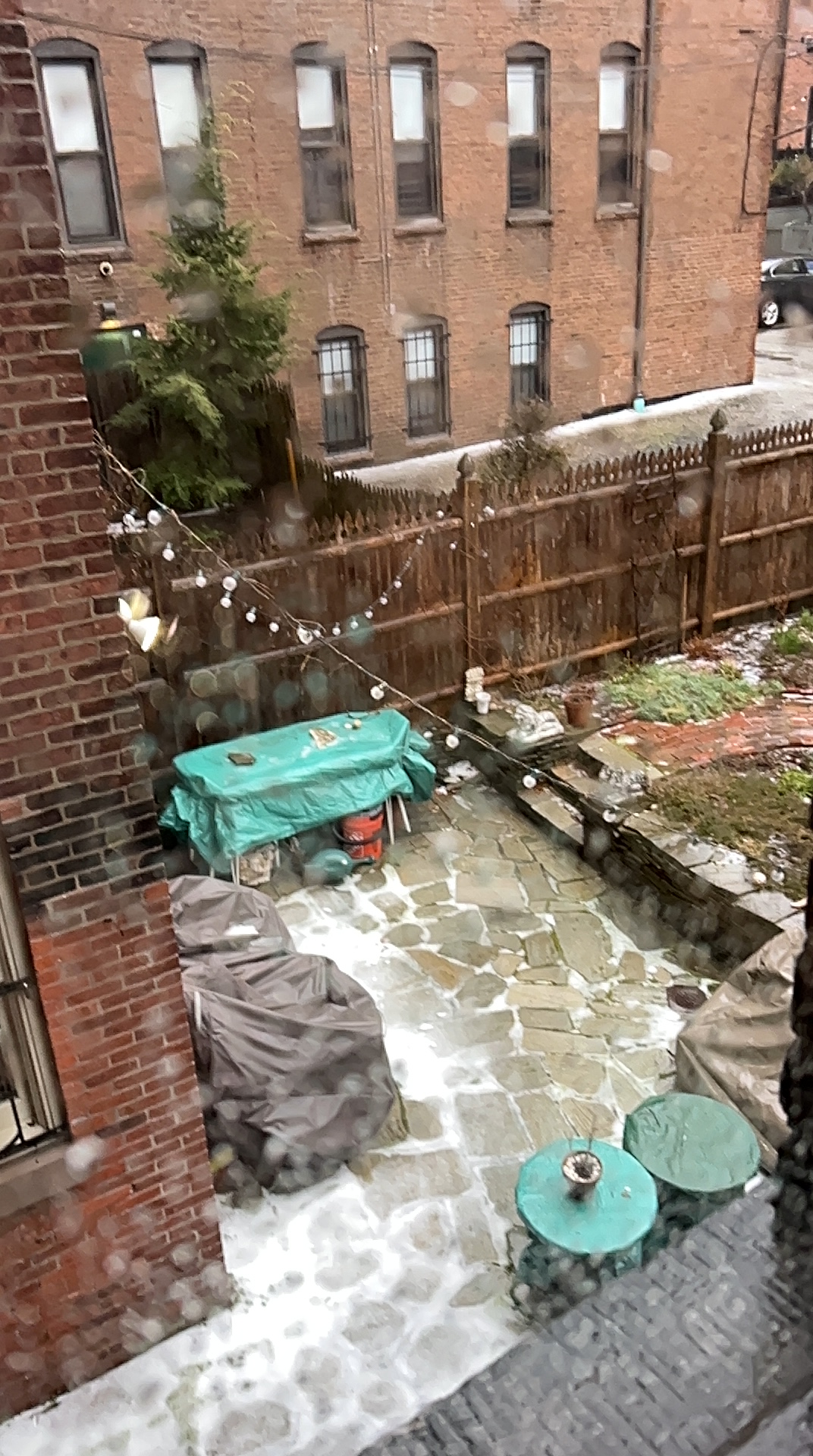
Returning to Boston in April rather than May, we didn’t expect full blown spring, but the rain and gloom of the first several days were hard to take after three months of constant sunshine.

the view out back

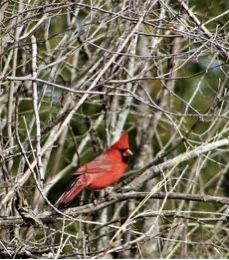
Gratefully, we were spared the freak snow storm further north and take solace in the few sturdy daffodils and crocuses poking through the barren soil, and the magnolias beginning to bloom on Commonwealth Ave. A welcome burst of red sat in our budding lilac tree. The cardinals have returned.

A Chef’s Hat in the Mosque

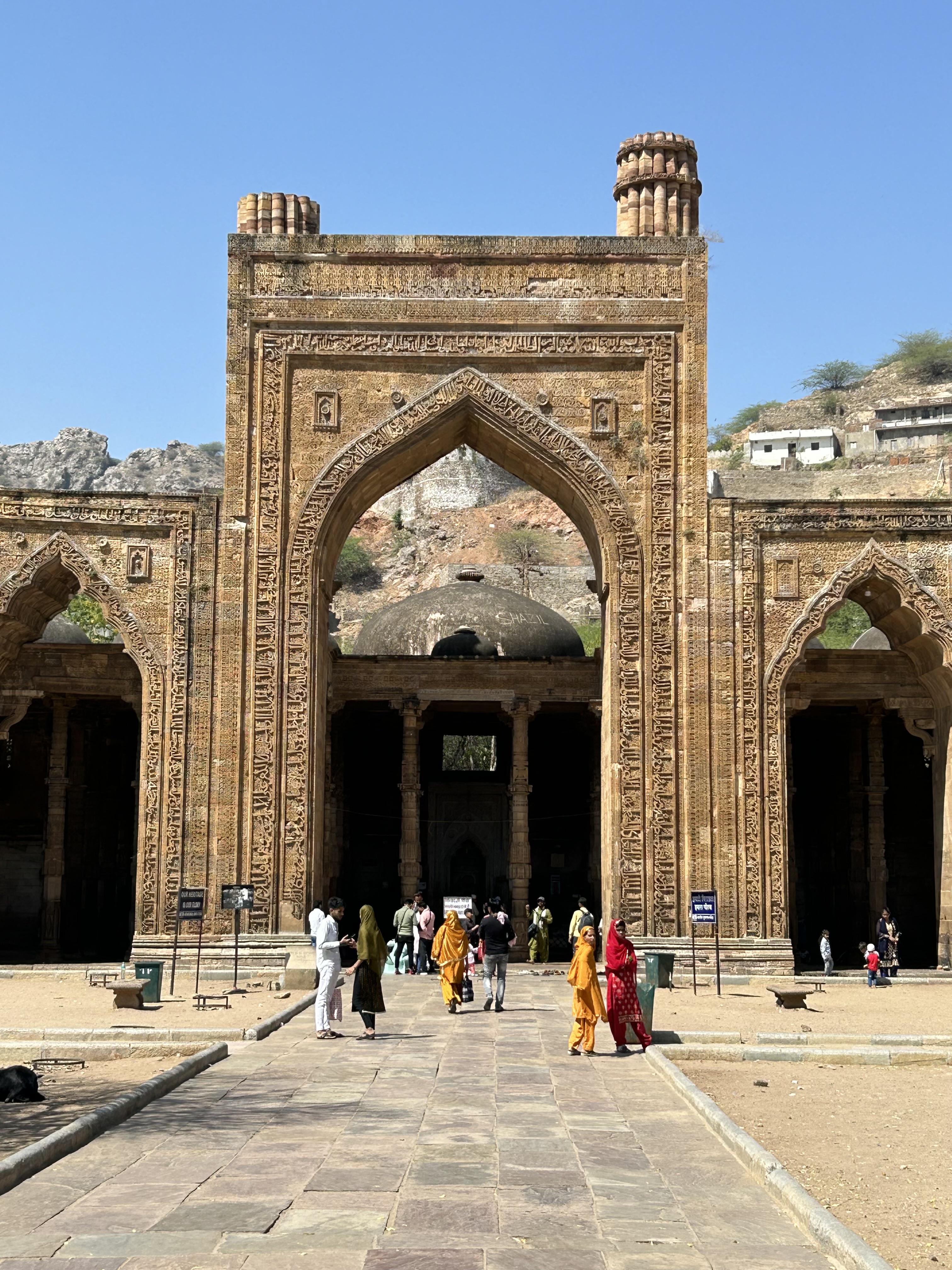
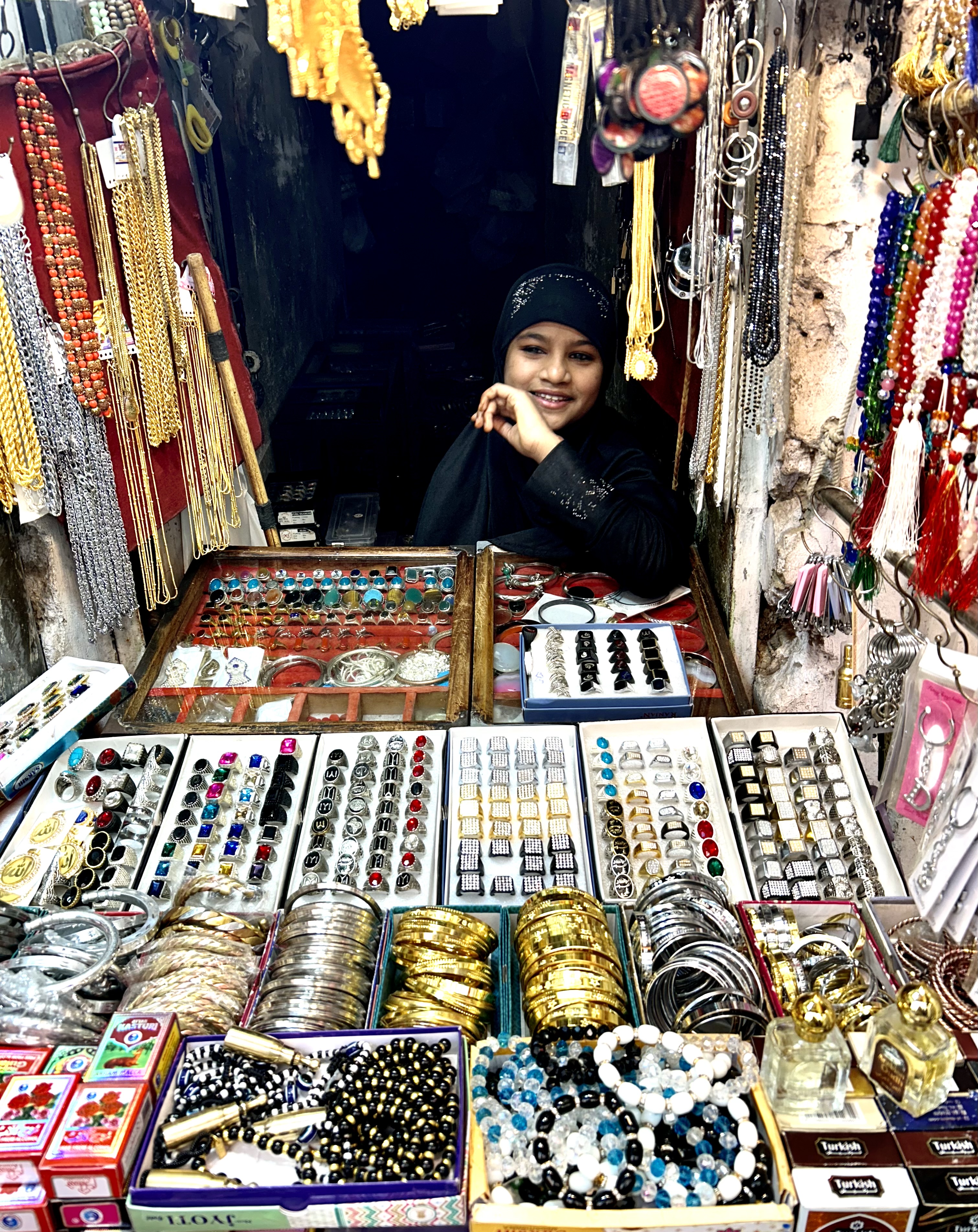
As our time in Pushkar was drawing to a close, we took up Marina on her promise to show us Ajmer. Only a half an hour away, the main attraction is a Moslem Dargah (a shrine built over the grave of a revered religious figure, often a Sufi saint or dervish). Rajiv’s daughter, Pryanka and her friend, Nadine joined us. Before the Dargah, we visited the ruins of Adhai Din Ka Jhonpra, the oldest mosque in India, built in 1190.

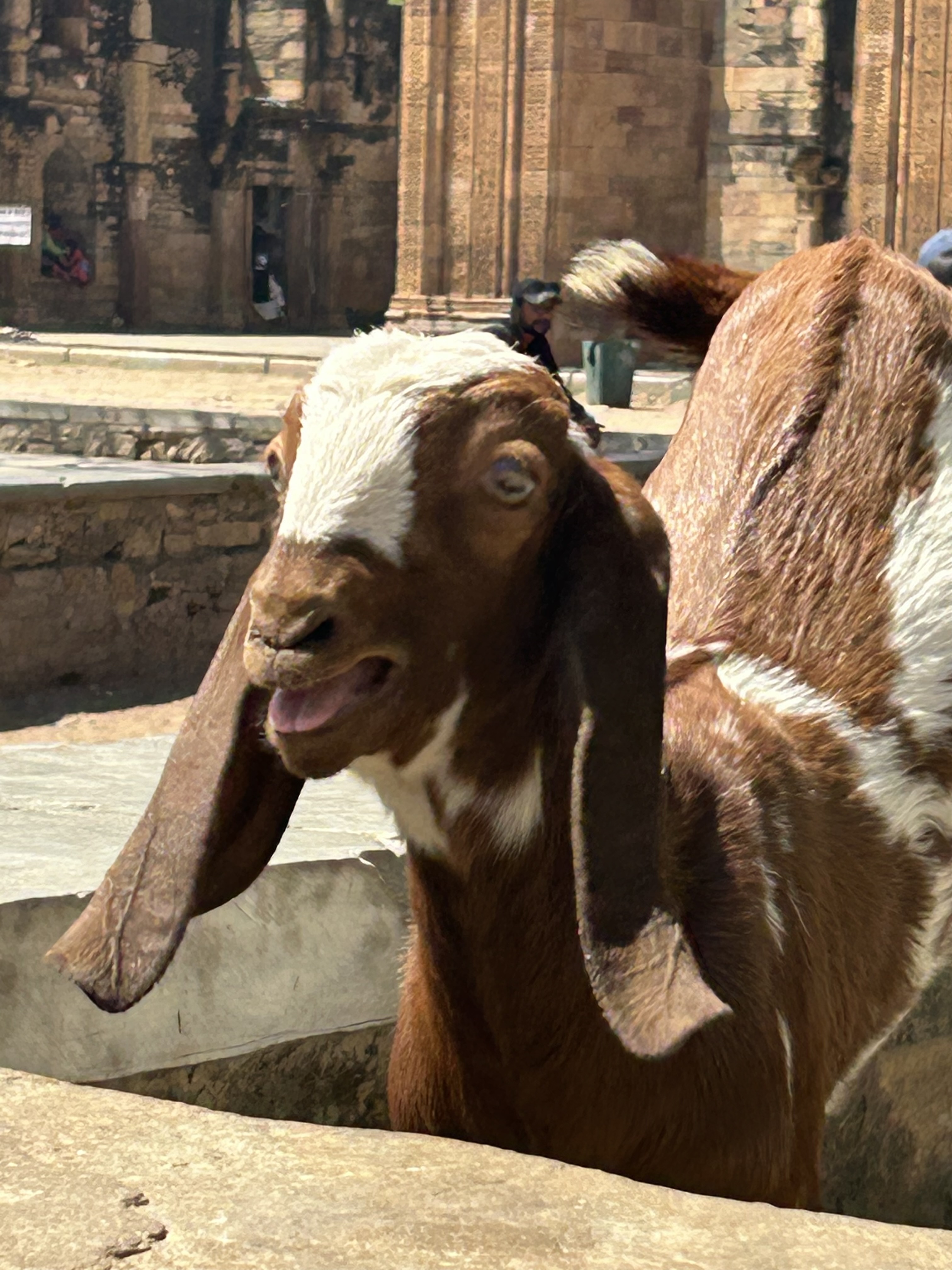
A peaceful spot in the center of the hustle and bustle of the Moslem quarter with goats grazing and families relaxing in the shade.

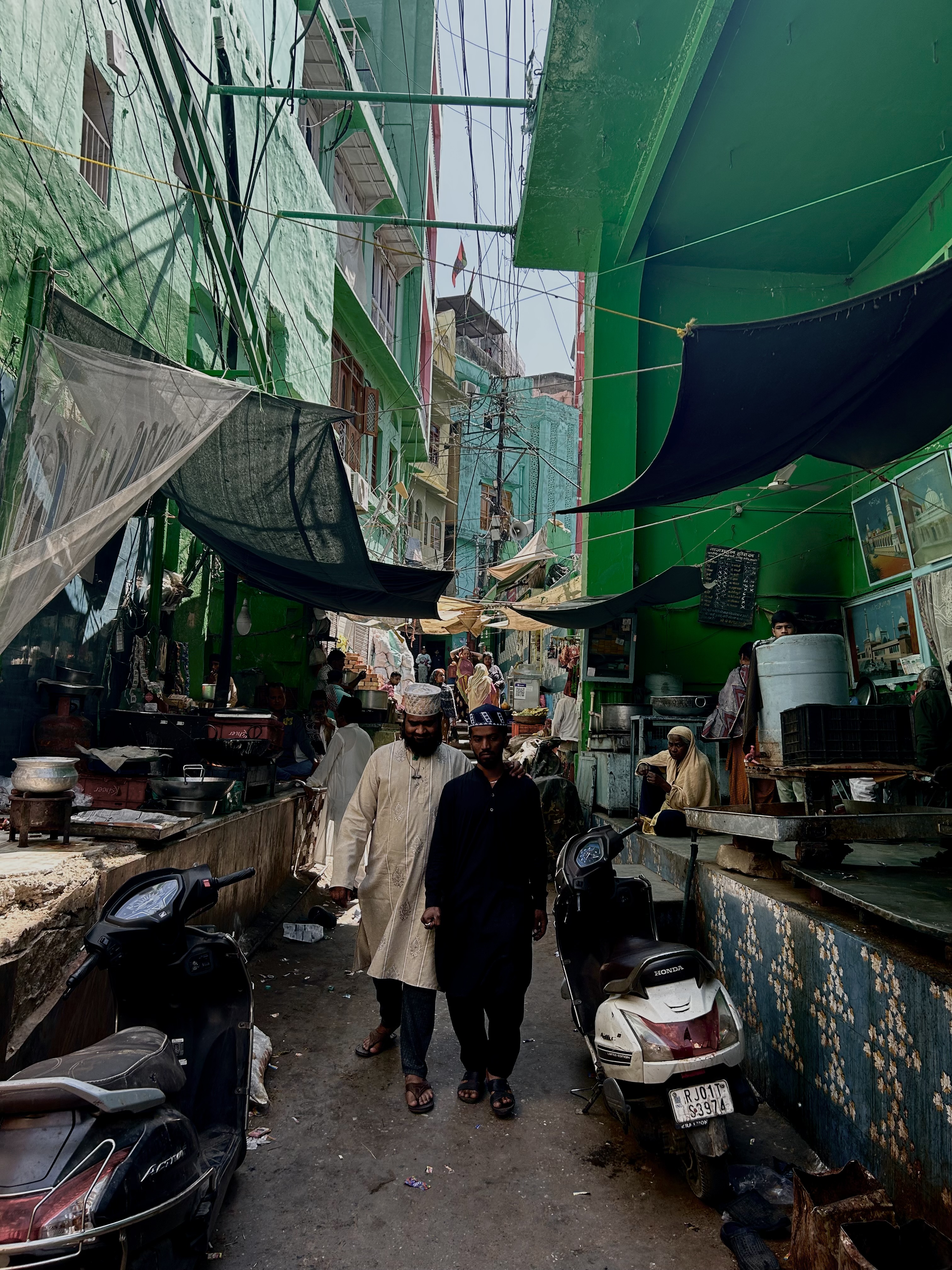
It was Ramadan (when the Moslems observe fasting during the daytime) meaning there were less horn blowing vehicles in the narrow streets and lanes than usual.

We had lunch hidden behind a curtain so not to offend the faithful. Beside the restaurant, a man stirring a huge cauldron of dahl enough to feed 700 when the Ramadan fast is broken that evening. A woman beside him was making stacks of chapatis.

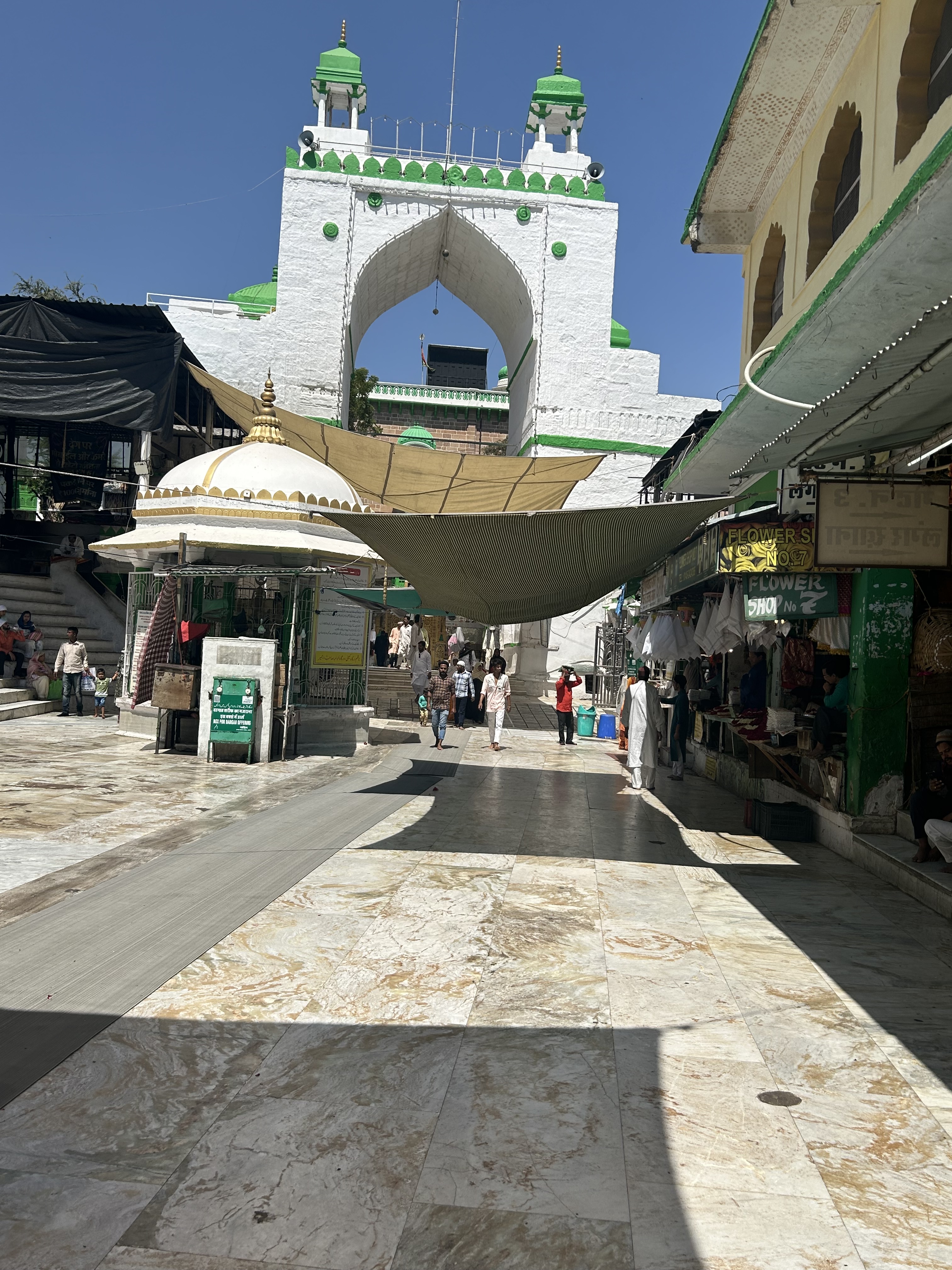
The Hazrat Khwaja Garib Nawaz Dargah is where Sufi saint, Khwaja Moinuddin Chishti was buried in 1236 and is visited by Hindus, Christians and Buddists. For Moslems, this is the third most holy place for pilgrimage.

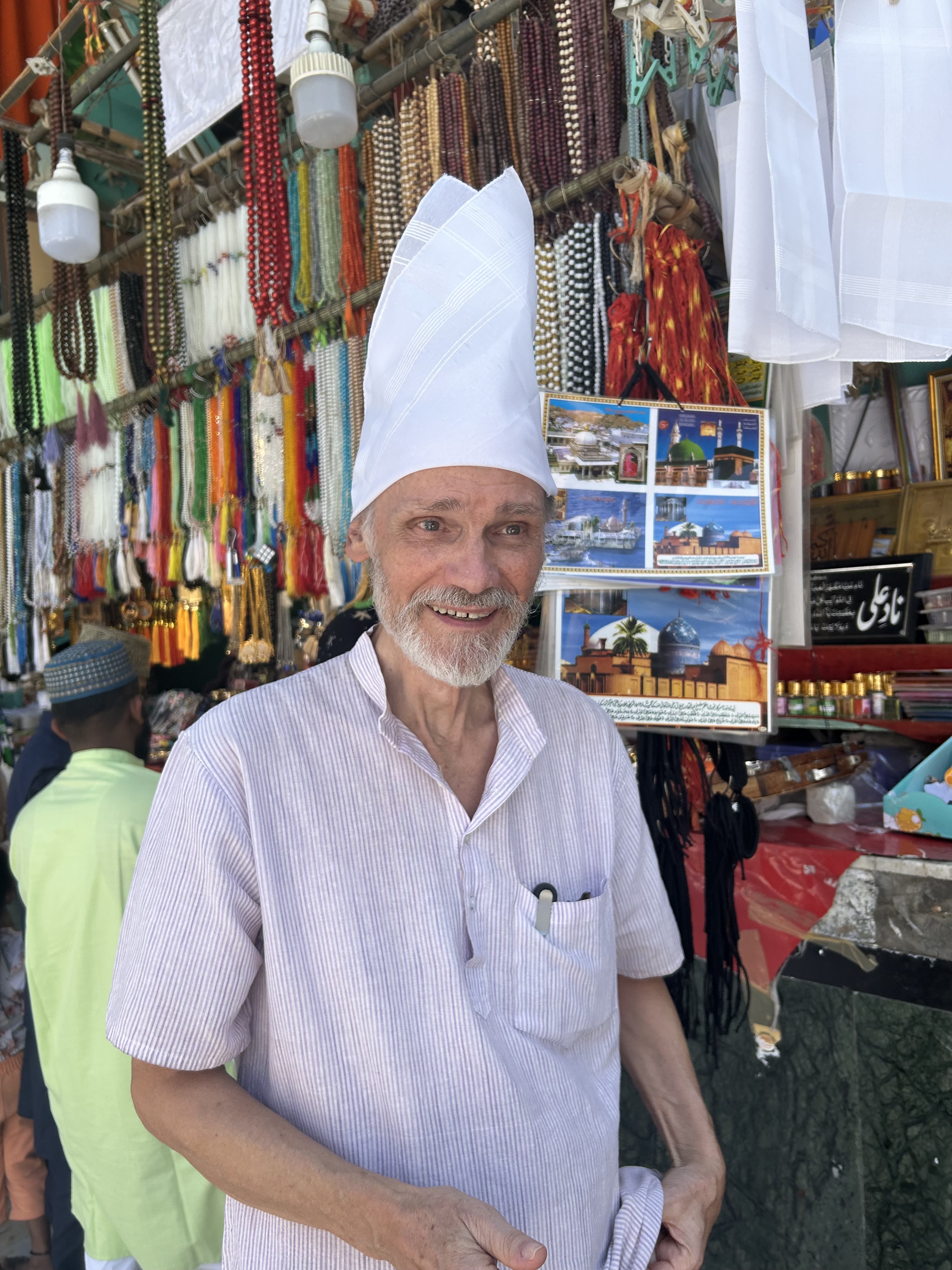
We spent time sitting in the mosque courtyard, taking in the charged atmosphere before entering the tomb to receive any benefit the Saint wanted to give. But first, Gerard needed a head covering and was given a heavily-starched white handkerchief. It perched on his head like a chef’s hat that amused us but he didn’t seem to mind.

The tomb was crowded but we were able to find a spot to contemplate, undisturbed. Beside the tomb or in the courtyard, for once, everyone dropped their religious identity and became a moving mass of humanity.

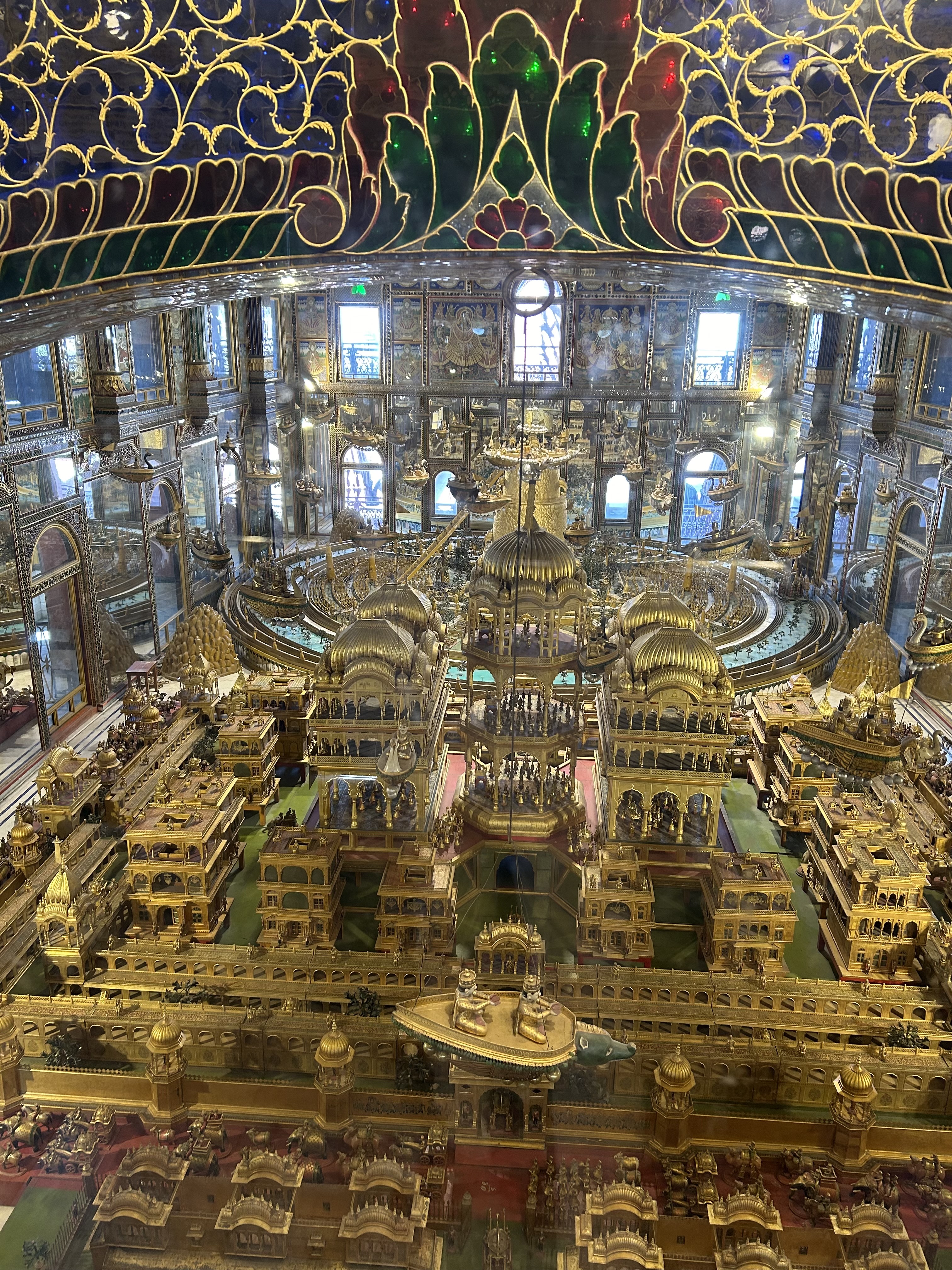
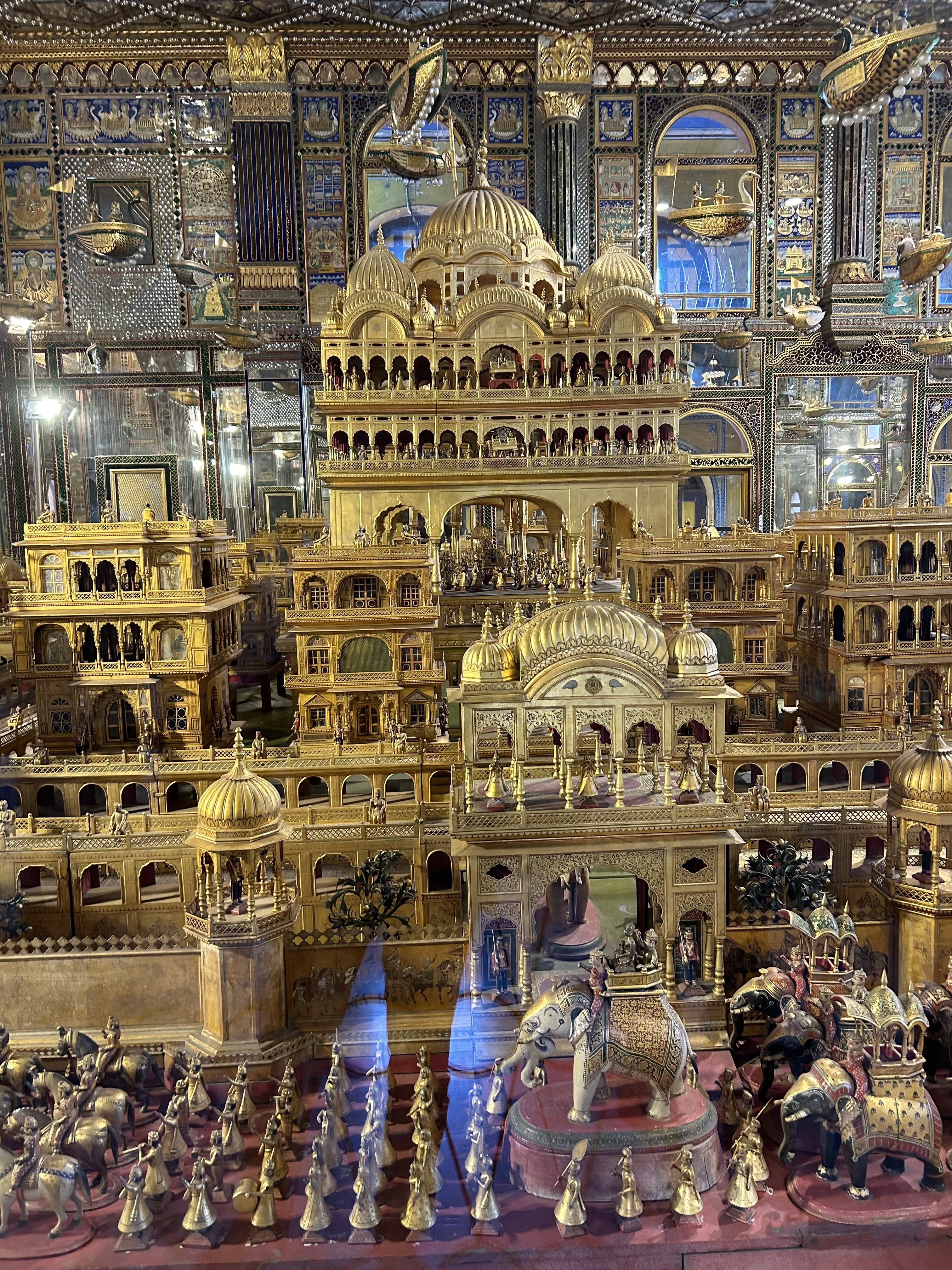
The second place Marina and Rajiv wanted us to visit was a Jain temple that was built and is still owned by the wealthy Soni family of jewelers. Constructed in 1865 with a the two-story museum added 25 years later. In the museum, artisans from Jaipur fashioned a gold-plated three dimensional replica of a the Jain vision of the world. The golden city was like a huge elaborate dollhouse with its intricate carving, miniature figures, and flying spaceships. Five auspicious events in a Jain’s life are represented: conception, birth, renunciation, enlightenment and salvation.

Our day in Ajmer ended sitting by the lake eating ice cream. The city in way ways feels like India from 25 years ago, especially in the Moslem quarter with little emphasis on tourism. We would have missed out on what Ajmer had to offer us without Marina and Rajiv.

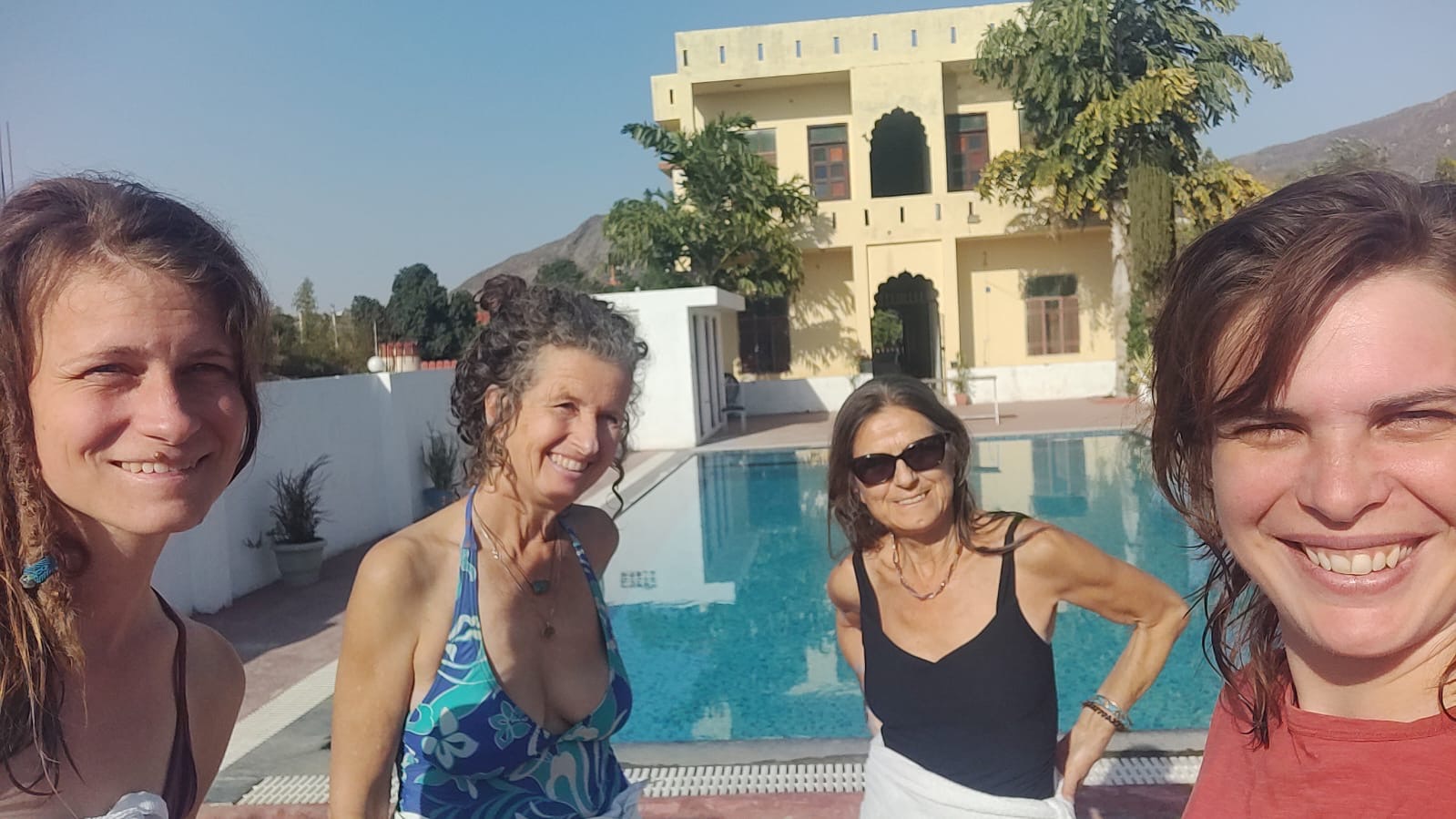
With the weather growing hotter by the day, Marina and I decided to visit a hotel with a swimming pool on the edge of town. Pryanka and her friend Nadine joined us. How refreshing to immerse ourselves into the cool clear water. Afterward, we sat beside the pool eating masala potato chips and paneer pakora, playing gin rummy! A perfect ending to our stay in Pushkar.

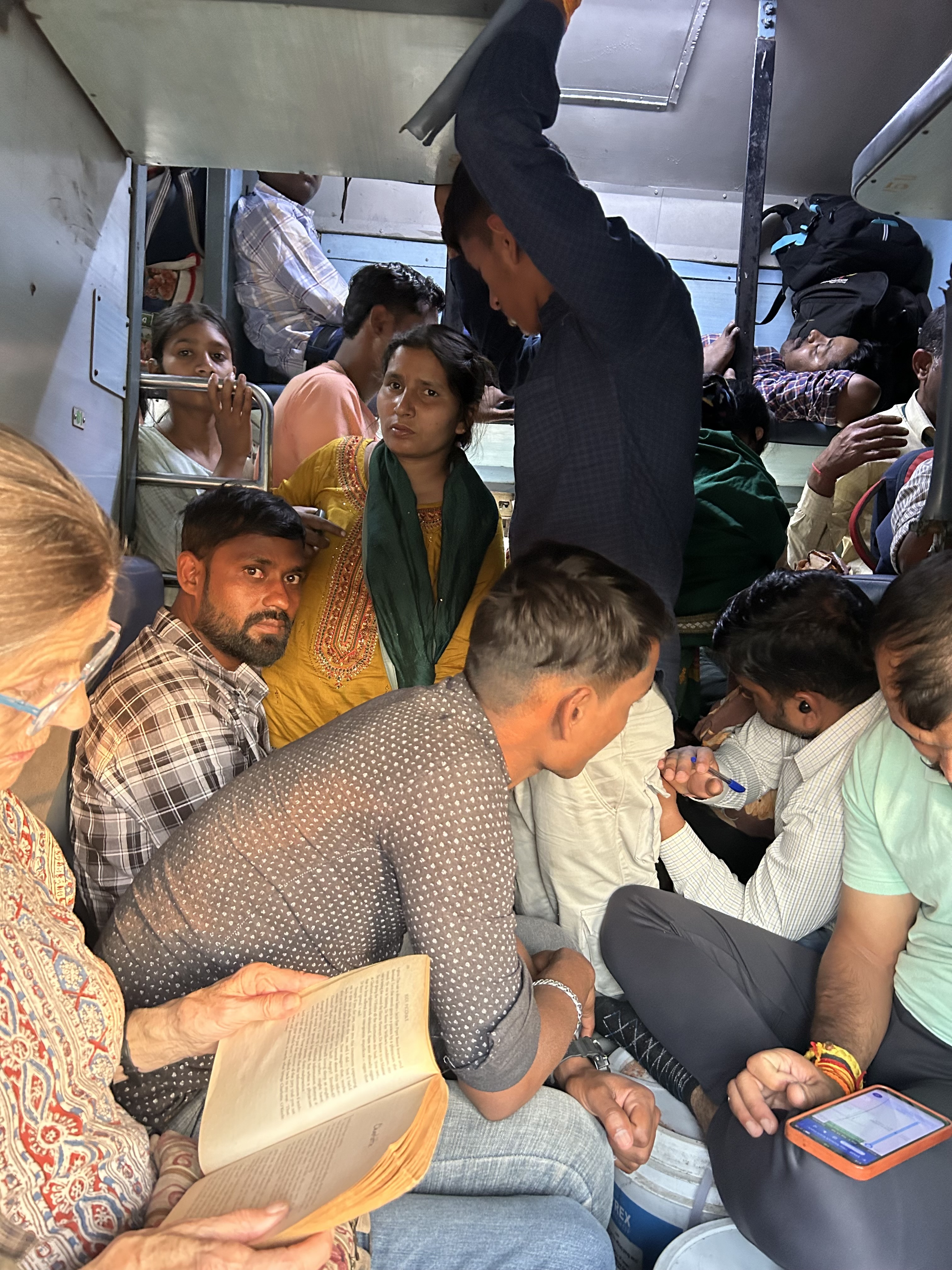
The next day we boarded our eight hour train to Delhi. Booking our tickets only two weeks in advance, sleeper class (just one class up from madhouse general seating) was all that was available. We had not anticipated the rush to get home for the upcoming Holi festival, and the train was packed (as in sardines). Our ‘compartment’ usually accommodates eight passengers but very quickly there were twenty jostling for a place to stand. And where to put baggage? And the 95 degree heat blowing in the open windows? The only reason we were able to sit was thanks to the boys who got on with us in Ajmer making room for the elderly.

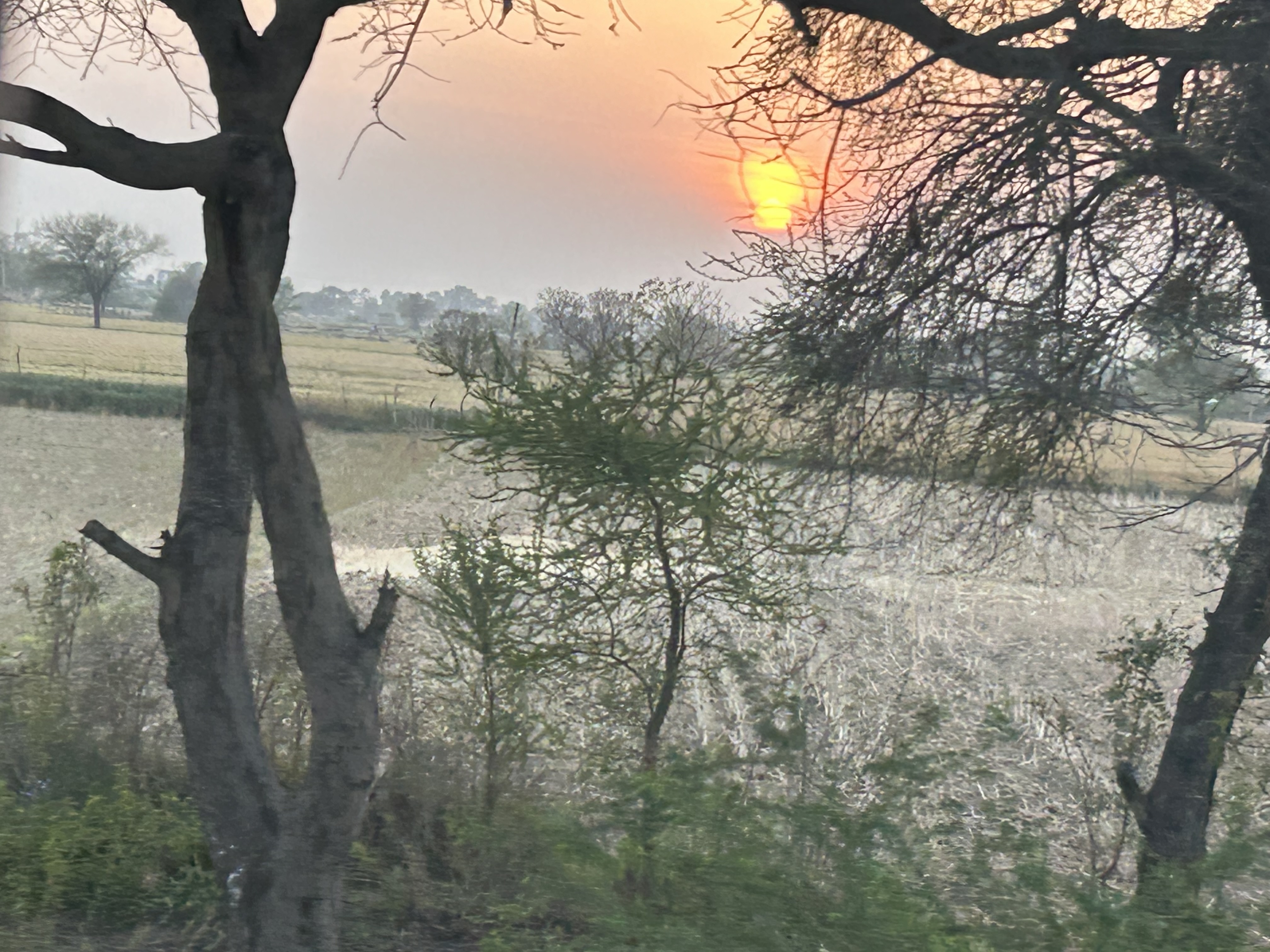
This may have been the first time we were unable to speak to anyone yet everyone was friendly. Gerard loves riding trains but this was too much even for him. This eight-hour journey seemed an eternity. But there was a nice sunset.

As we drew close to Delhi, Gerard worried how we were going to fight our way down the crowded corridor with our backpacks and cases. Again, the friendly young boys took control. One of the windows had no bars as it was an emergency window so even before the train was at a full stop, he jumped out. His mate pasted our cases to him, then he stood guard until we emerged out of the crowd. There was just enough time to thank him before the train started moving again (a two-minute stop). Would we have had enough time on our own? Another random act of kindness so typical of India.

Road to Pushkar

In the morning we prepared to take a tedious five-hour bus ride from Bundi to Pushkar. Raghu, our guesthouse owner, announced that he was going to Ajmer and would we like to join him. (His wife had moved there with the children to attend school) We happily agreed. Pushkar is only a half hour bus ride from Ajmer. It was still a tedious drive but far more comfortable than the bus and on the way Raghu entertained us with family history. He insisted on us meeting his wife who graciously served us tea and snacks.  

She admitted missing Bundi and meeting the guests in the hotel there, but the children’s education was more important.  

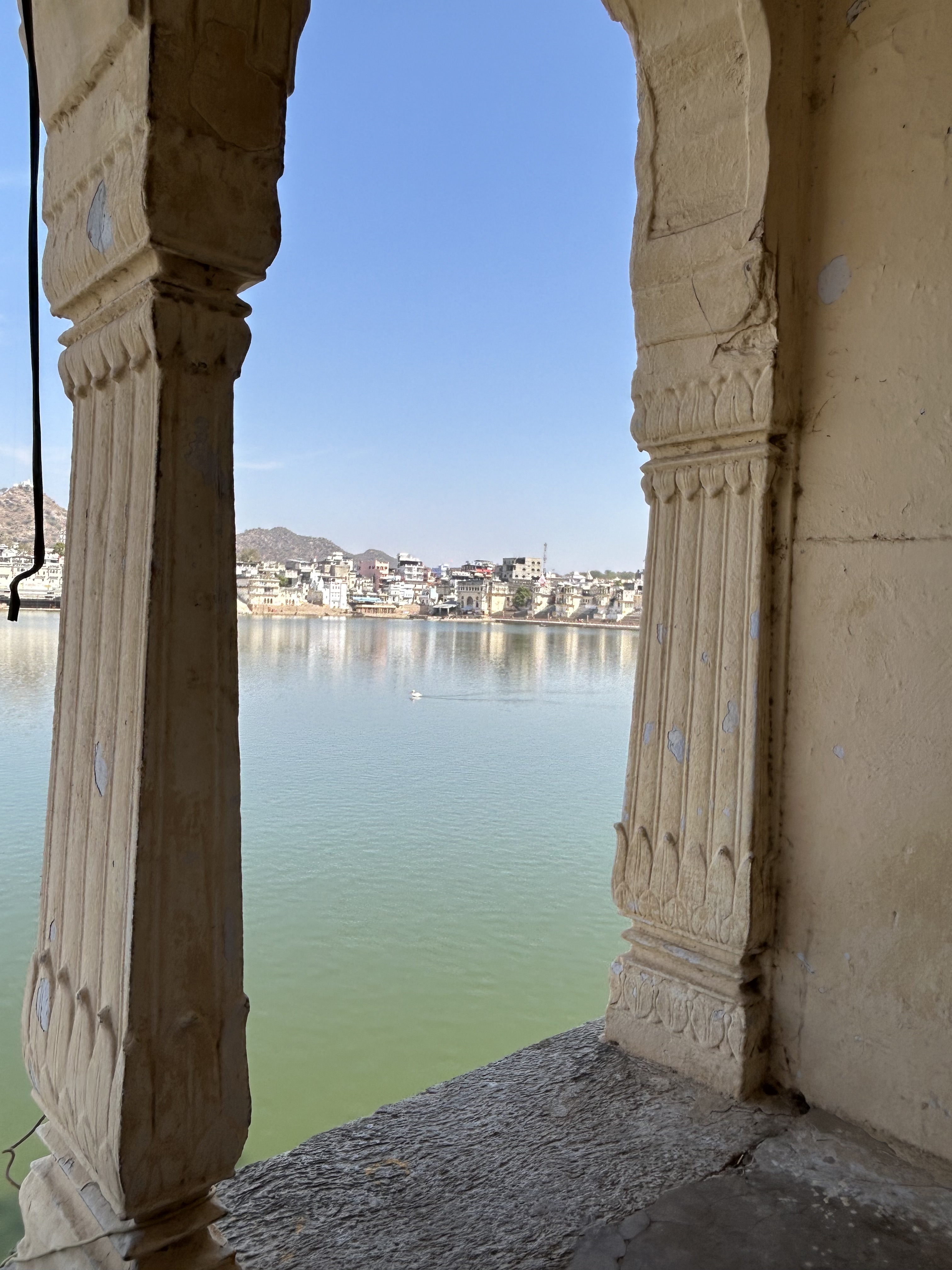
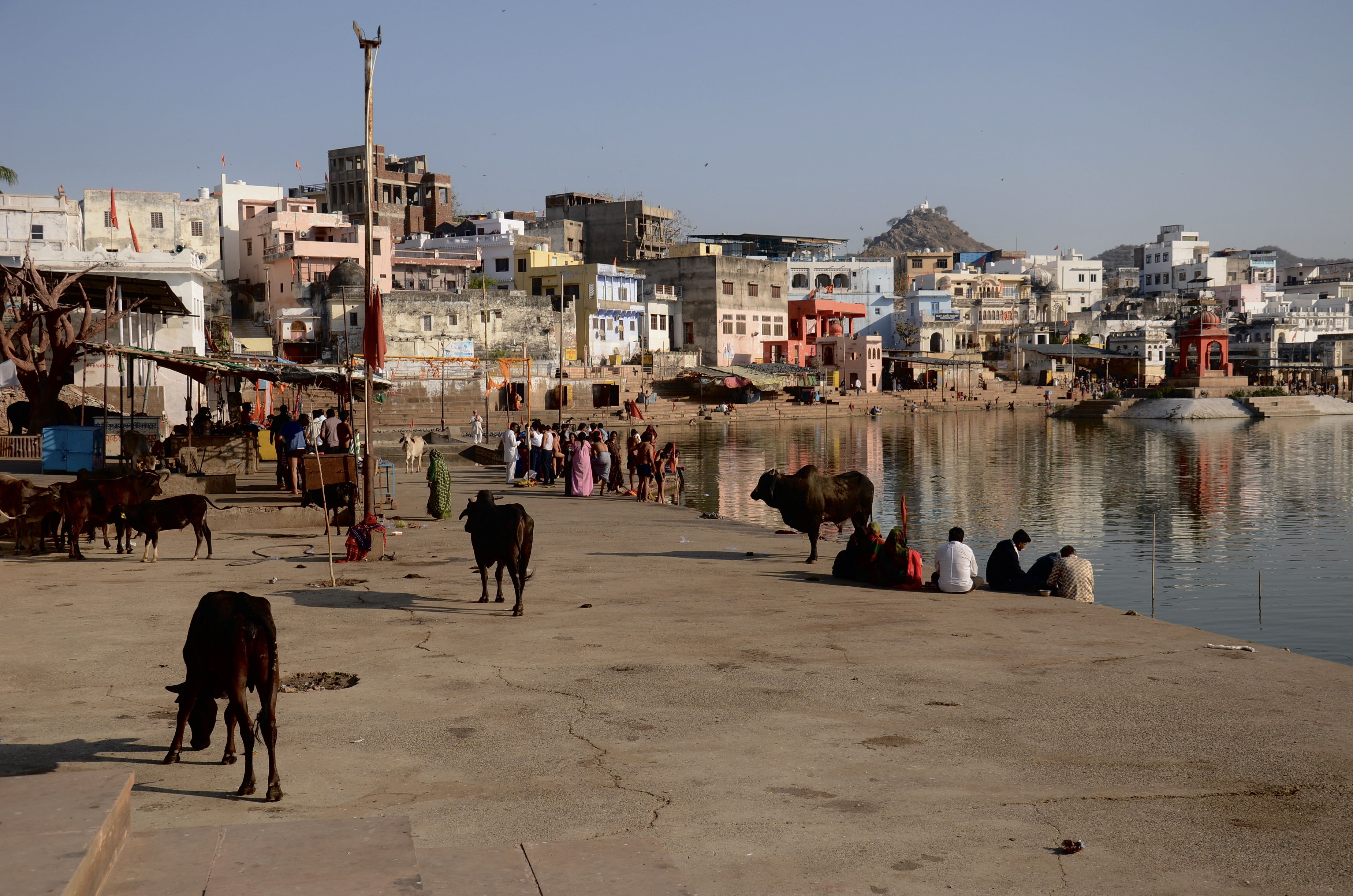
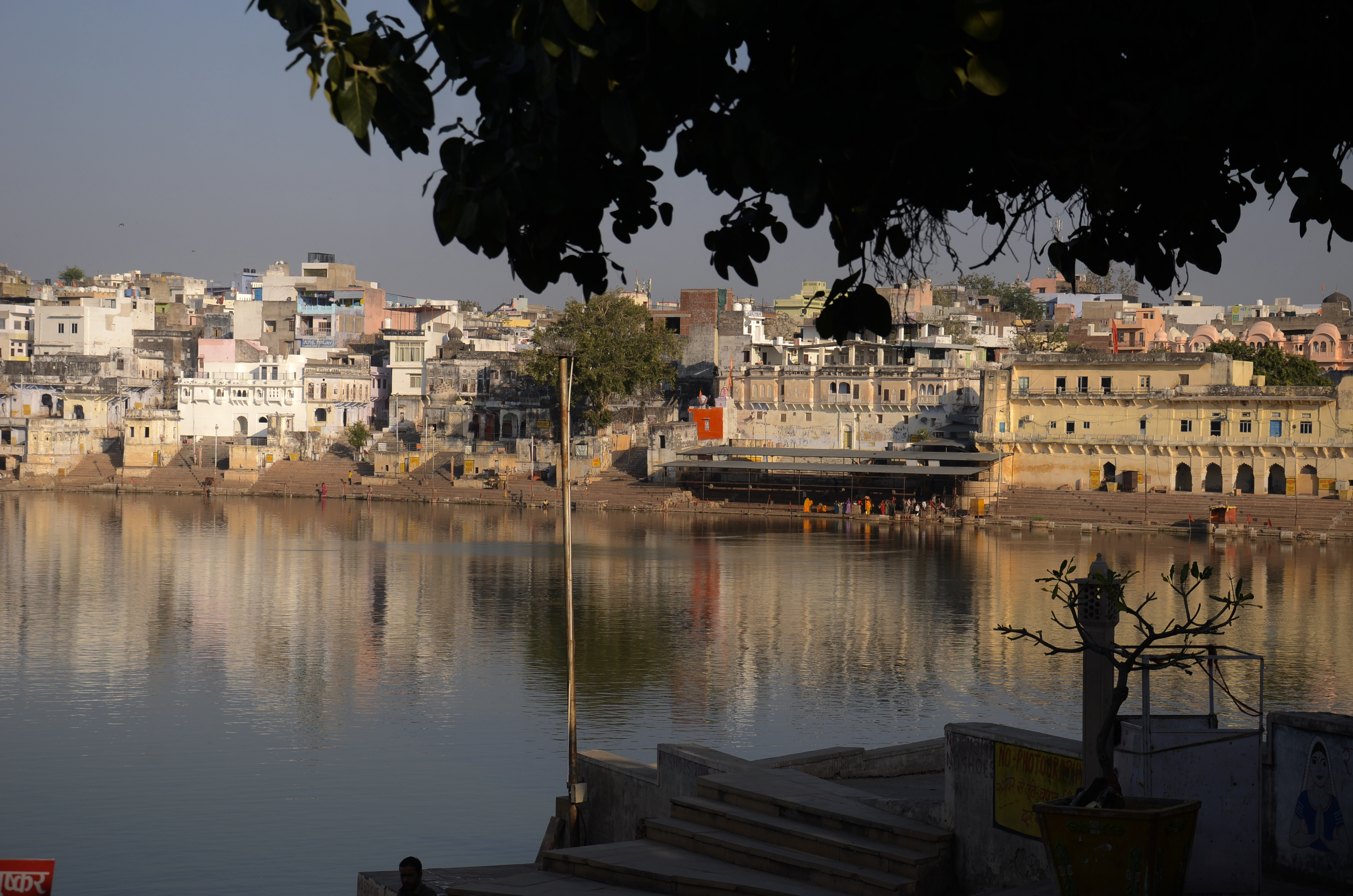
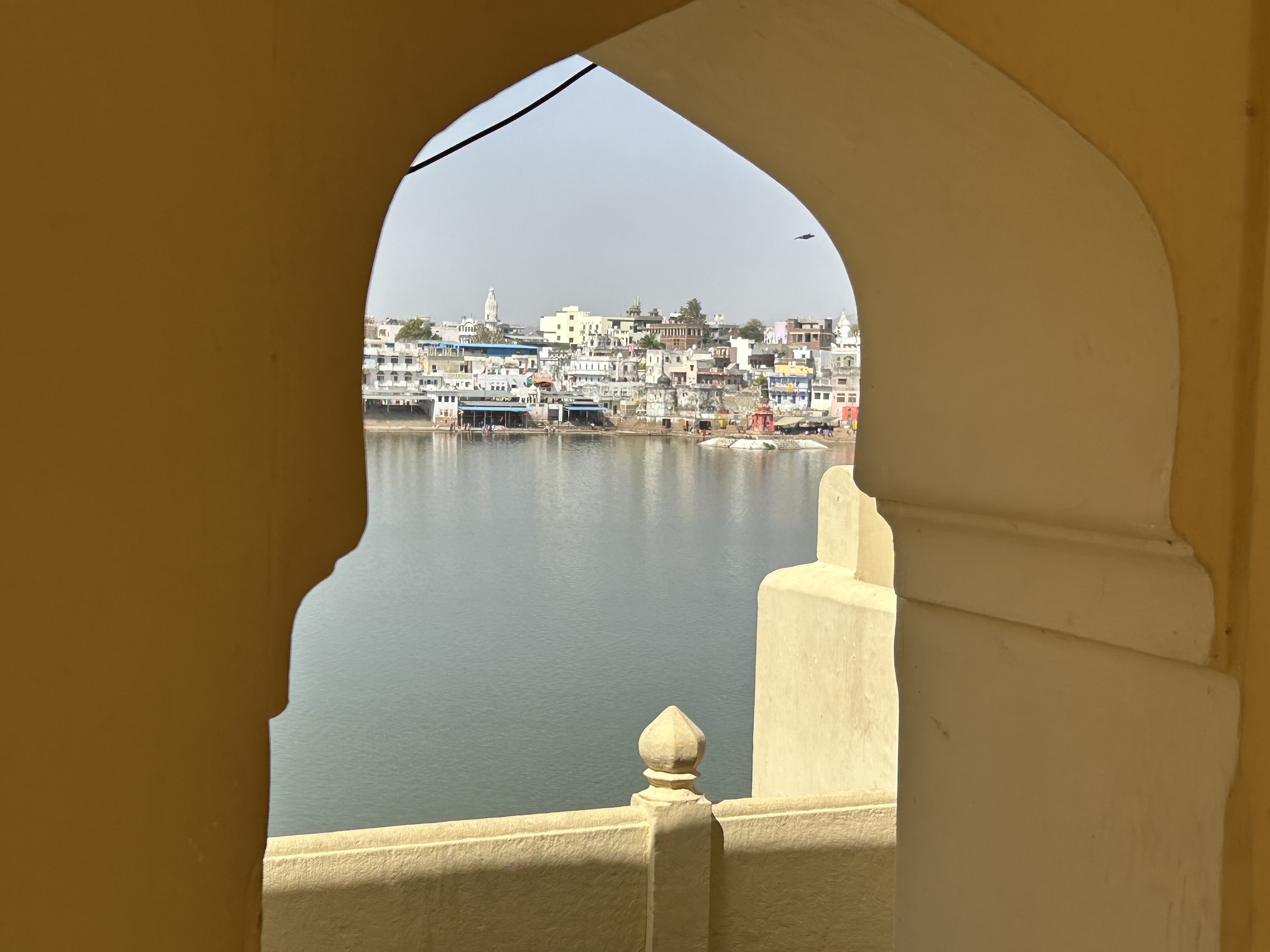
Pushkar, a temple town, is likened to a mini Varanasi with its bathing areas for pilgrims.

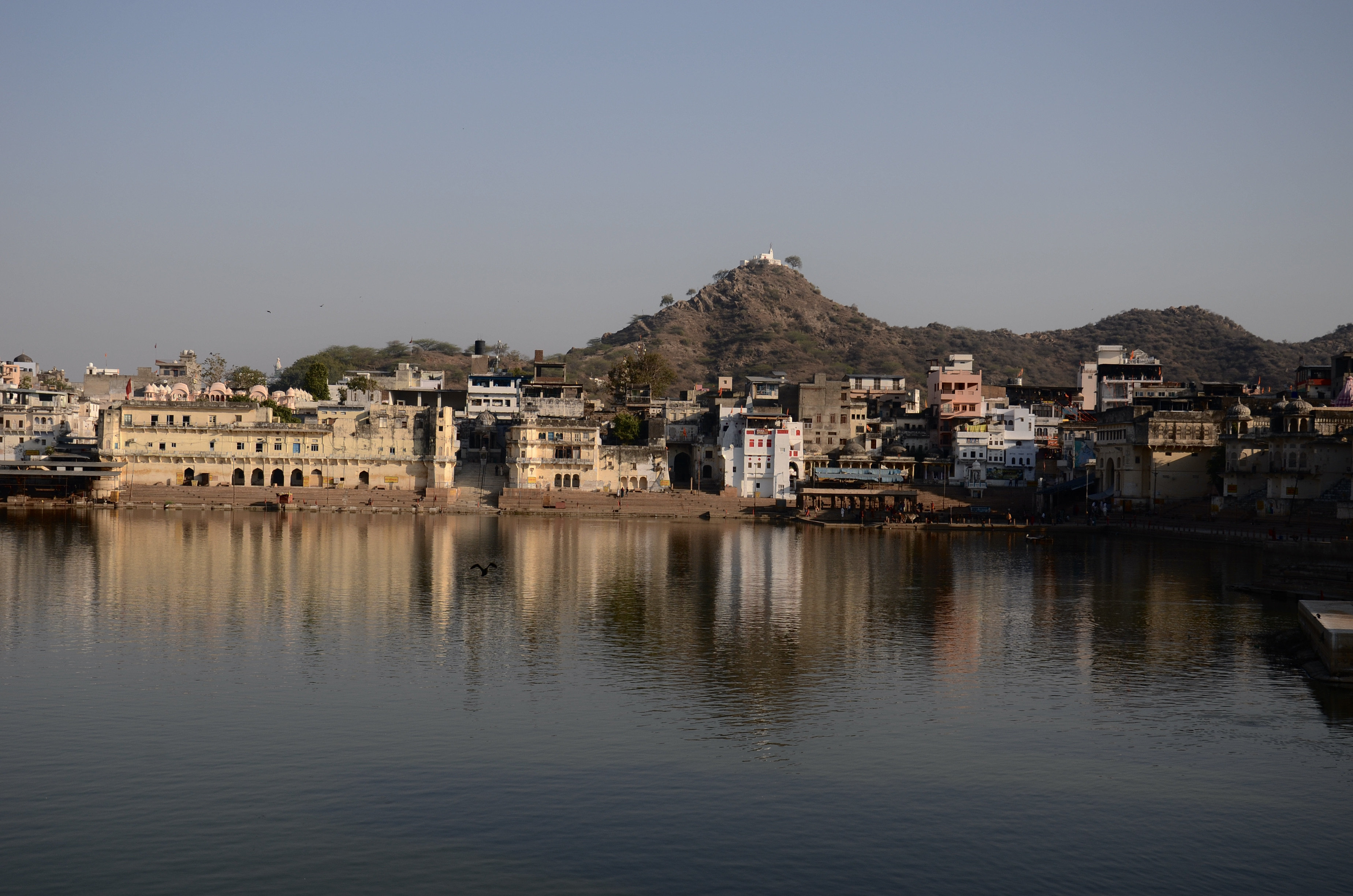
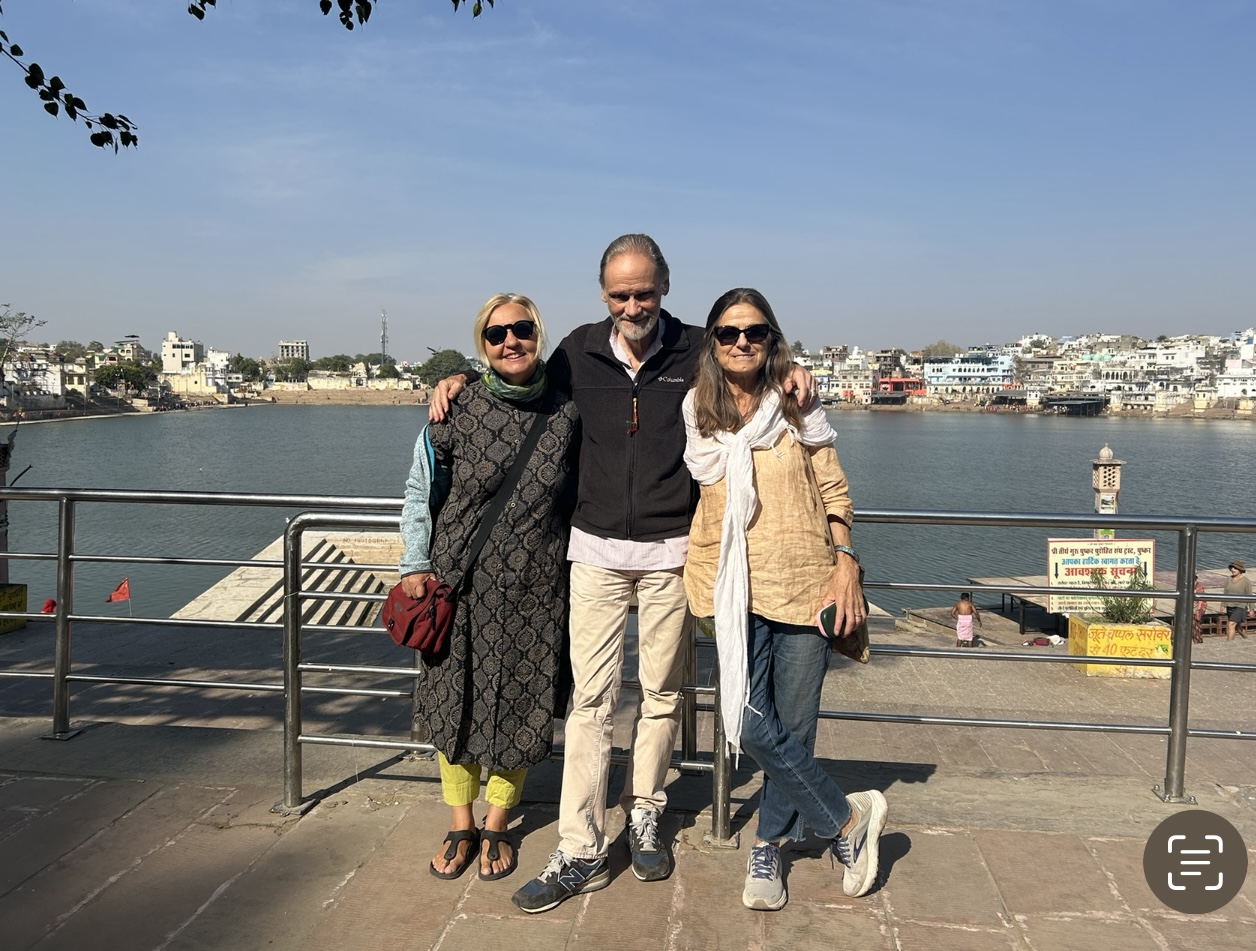
The town has changed significantly since we were last here ten years ago in the same manner as Udaipur. But Pushkar is still beautiful nestled in a valley, its lake surrounded by ghats and old havelis.

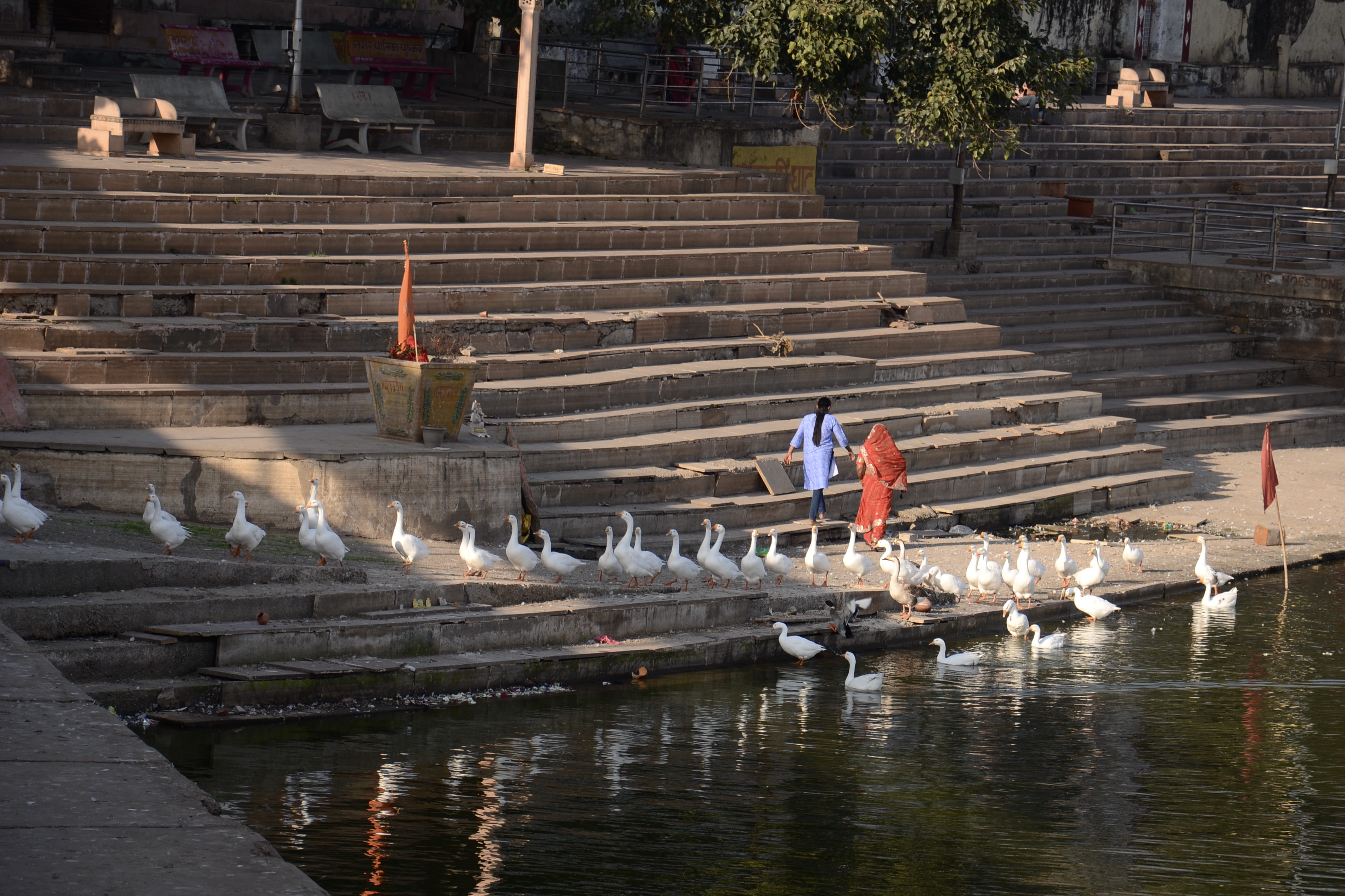
In the early morning light, geese parade,

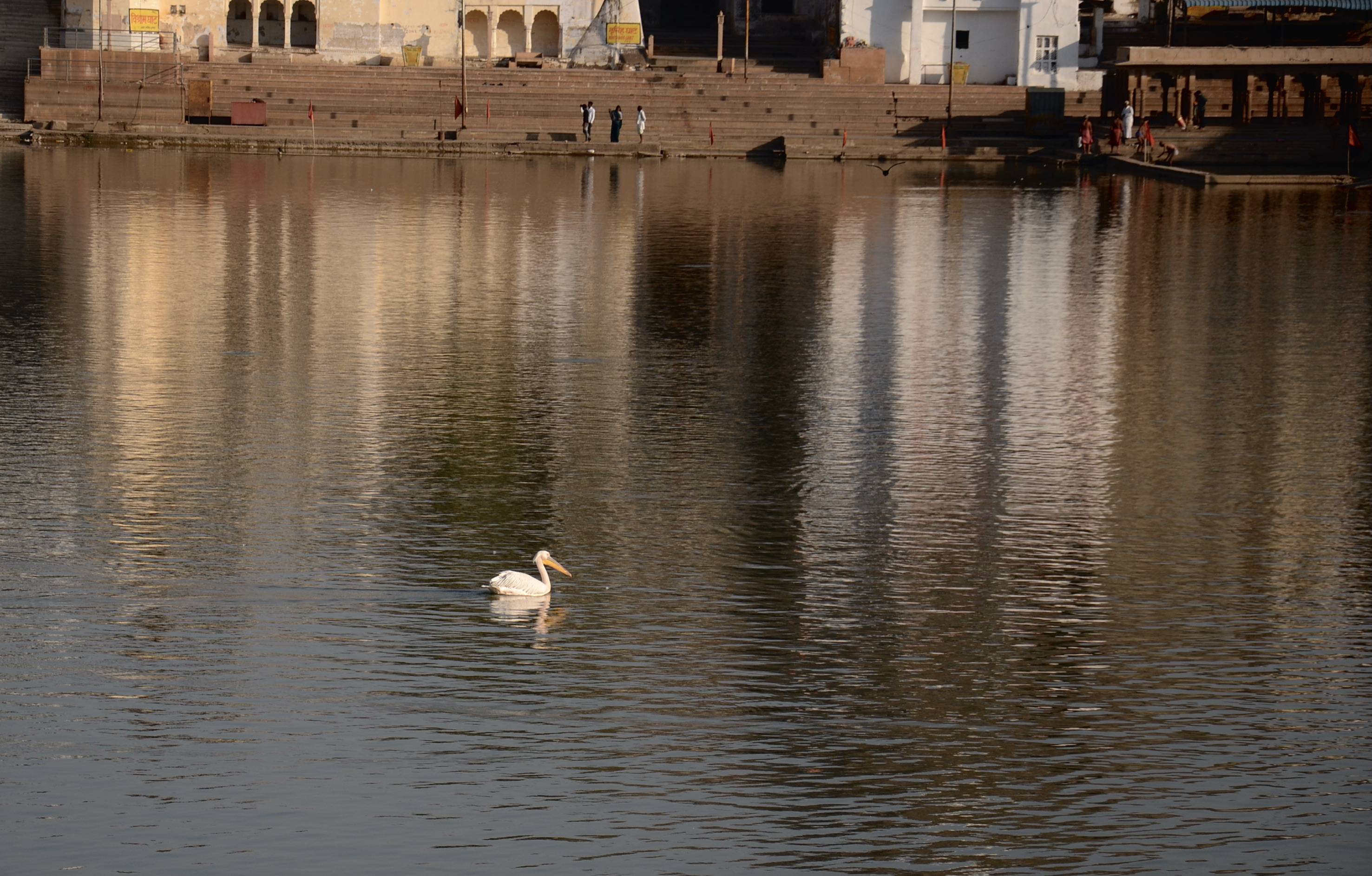
and pelicans glide.

Unusual hills overlook the town and the more energetic climb to temples at their peak. 

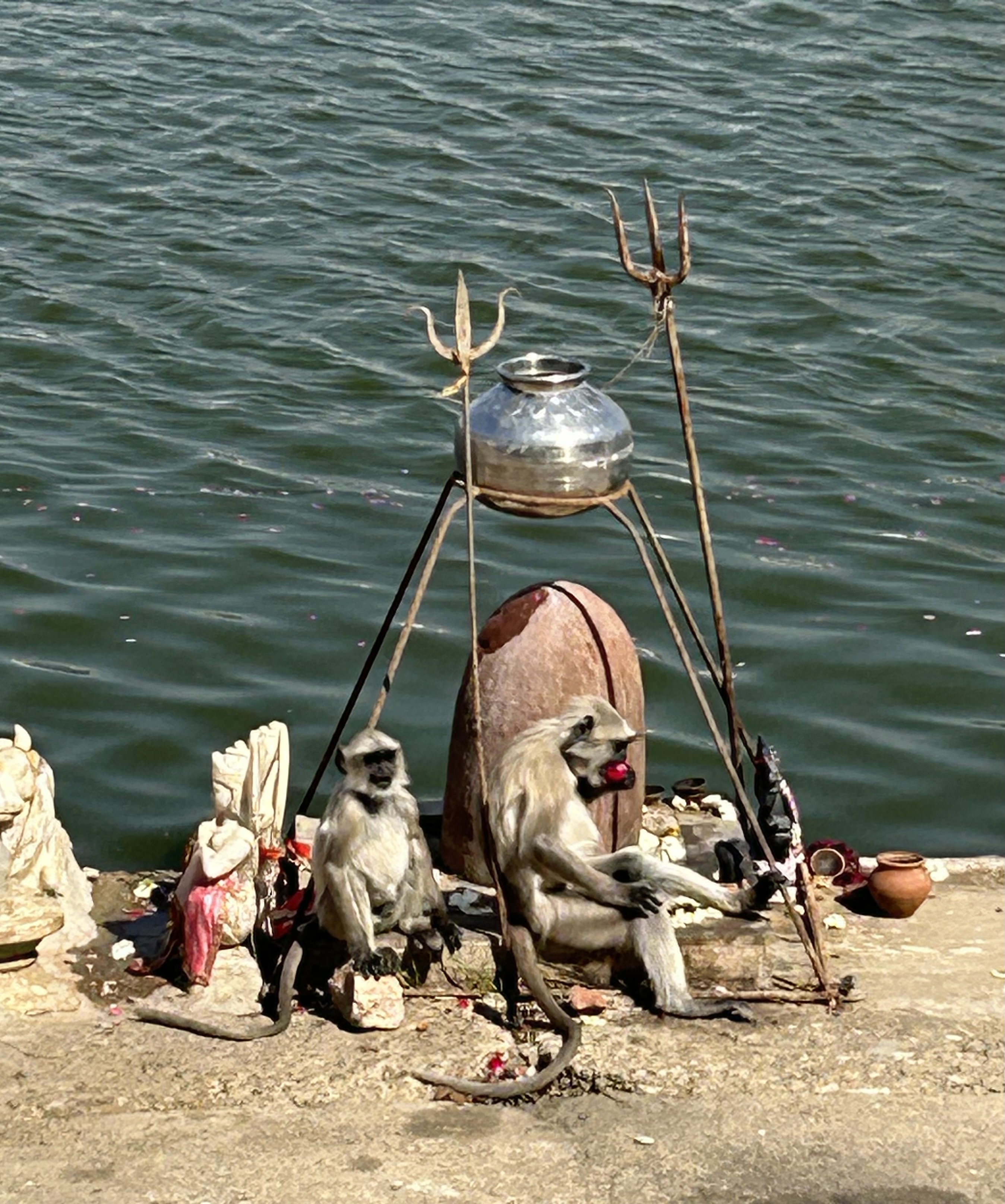
The ghat is shared with the black faced monkeys, often creating mischief.

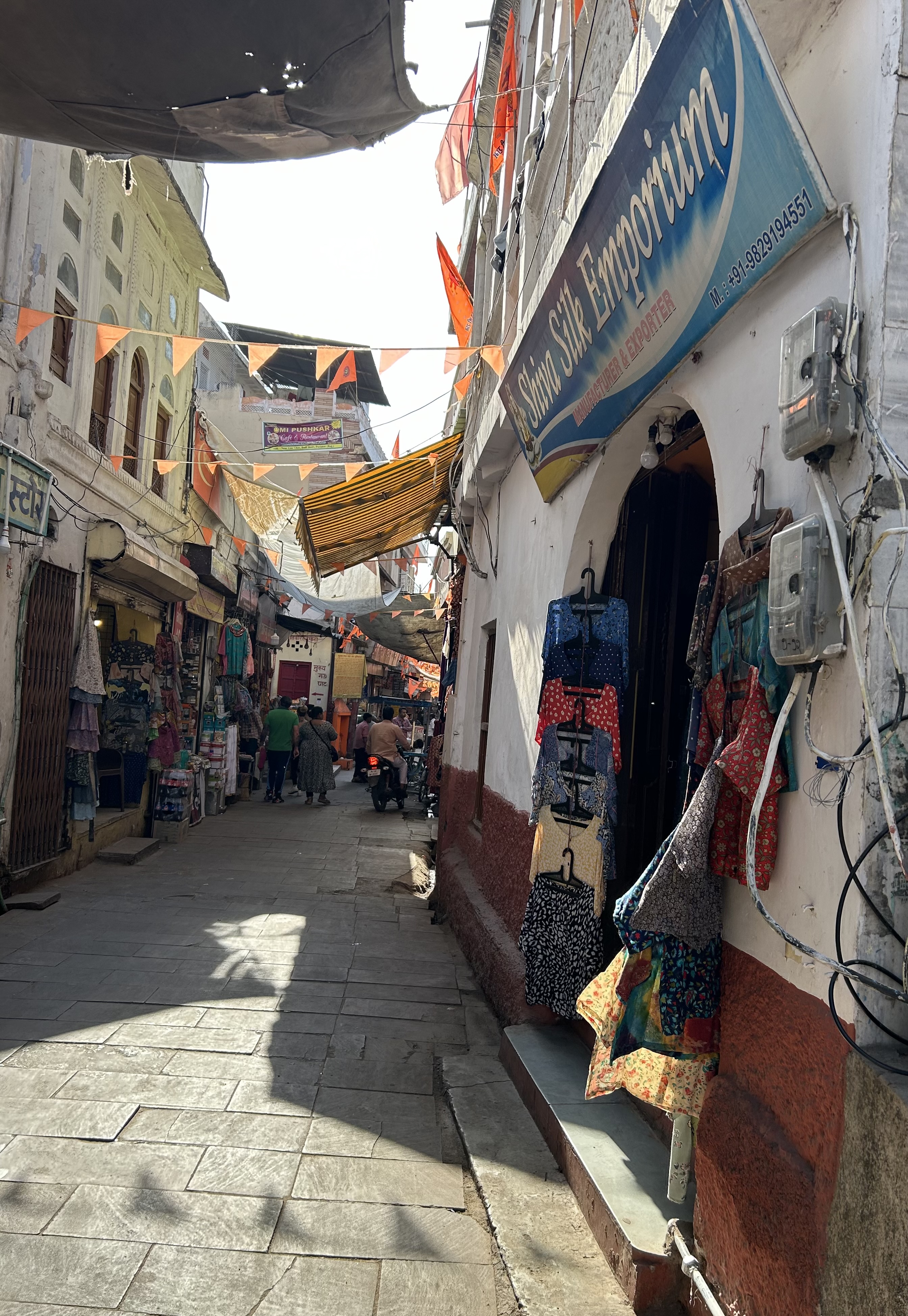
Decades ago, Pushkar attracted hippie backpackers, but is now a commercial hub for the textile and silver industries. The change in merchandising from when we were last here took us by surprise.  Indians and foreigners are now more sophisticated in their purchases and many buy wholesale to export to other markets in India and abroad. Retail prices have risen and the style of the clothing is less interesting, taking on a more mass production, western style look.   

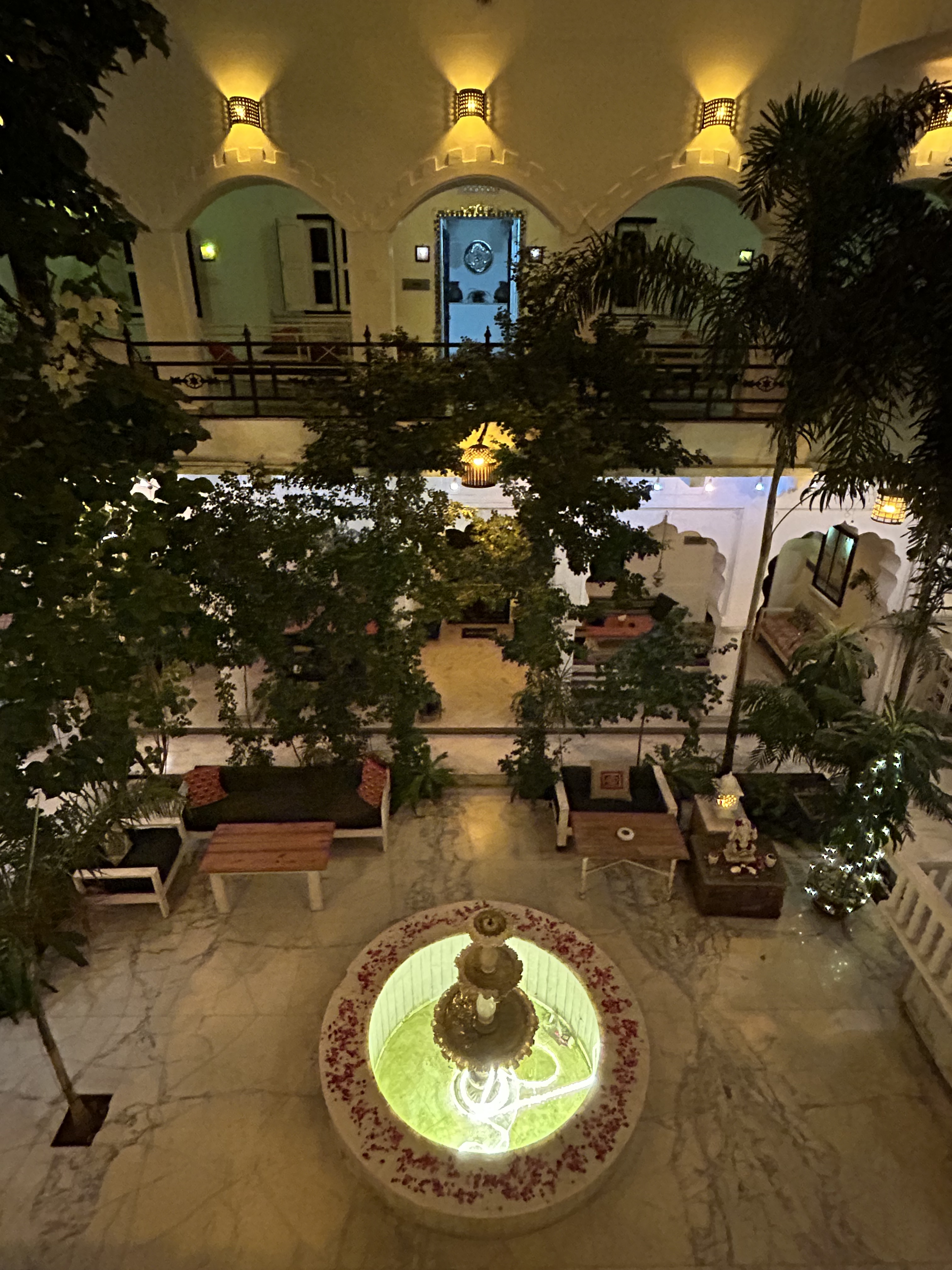
We stayed several nights in an attractive old haveli, the room was luxurious but too small and, looking into an inside courtyard, very dark. Also next door, sat a noisy wedding hall (this is the wedding season). So we moved on.

Our new room is bigger and quieter (until the weddings caught up with us here too). It boasts a large rooftop balcony we have to ourselves, where I can do yoga in the morning sunshine, accompanied by a chorus of birds–minus squawking crows.

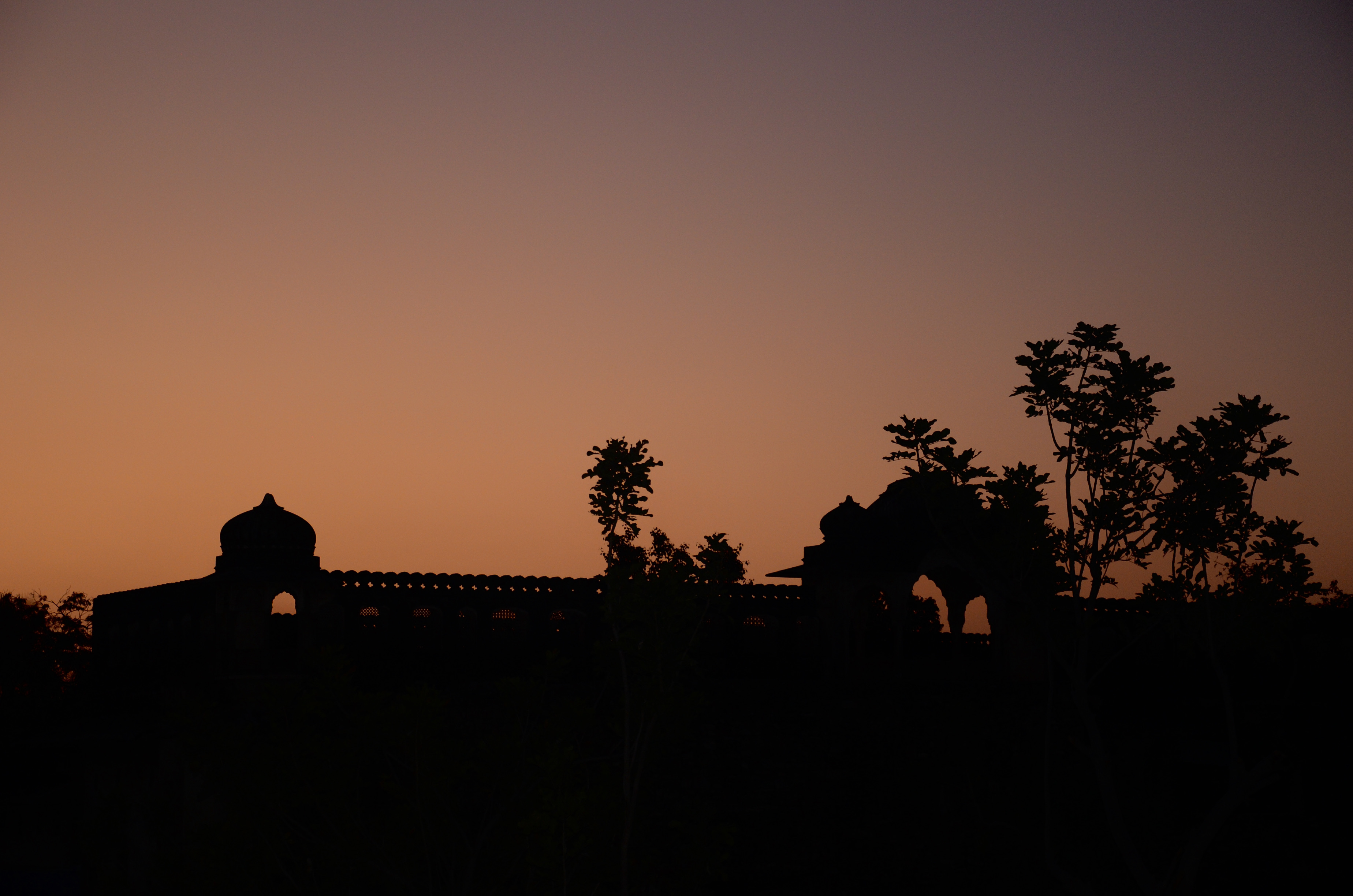
The first evening, enjoying the view at sunset, we saw a huge peacock in a nearby tree, but by then it was too dark for a photo.

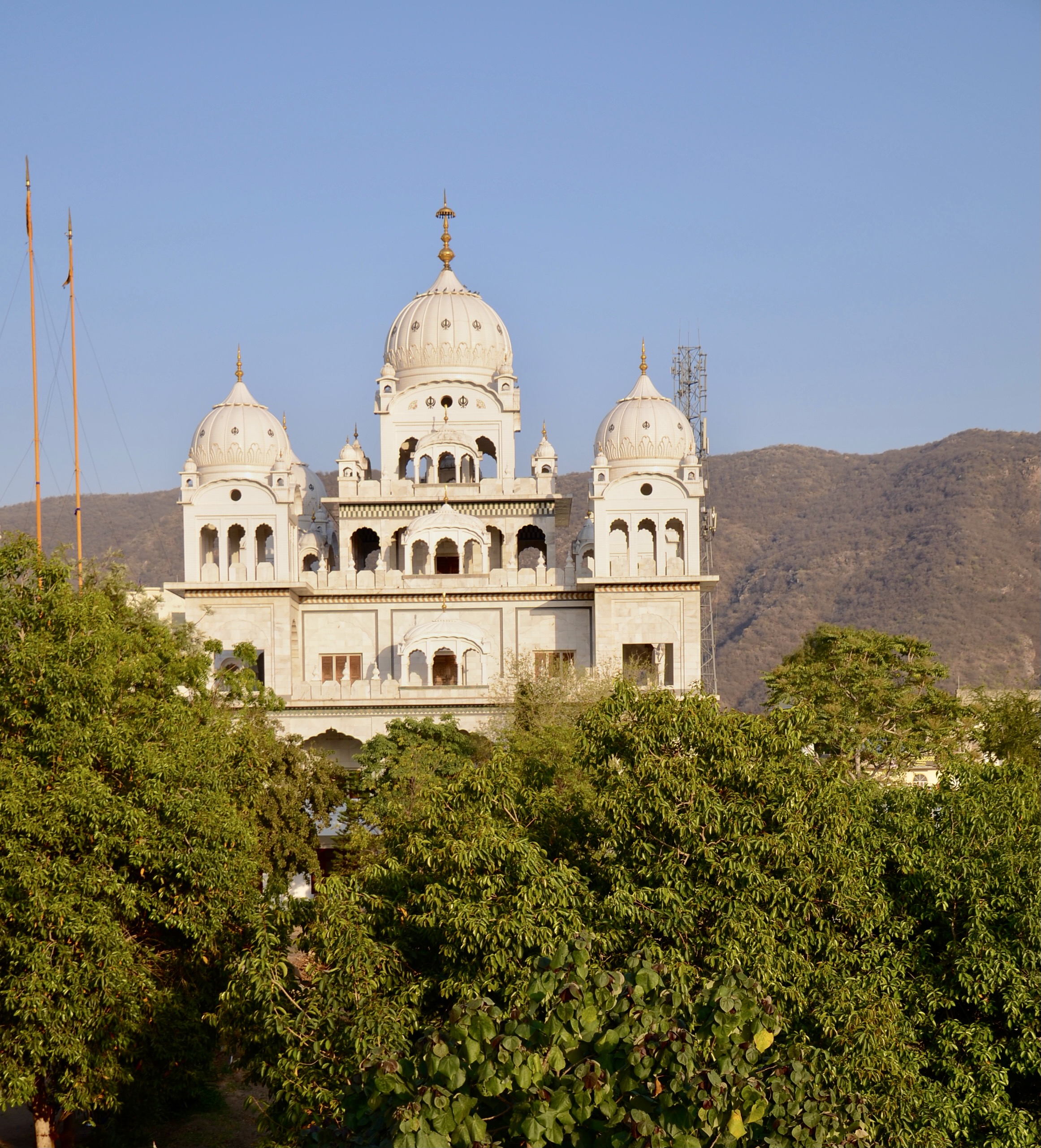
Close by is a Sikh Gurudwara looking like a palace from the astral plane, especially at night. It’s less ethereal when the Sikhs begin their amplified chanting of the Guru Granth Sahib at 4 am and continue till 6 am. Fortunately, this only happens on weekends.  

We had planned to only stay here six days and then take the overnight bus up to Himachal Pradesh.  But the weather is still too cold. So we’ve decided to stay for the remainder of our time in India in Pushkar. We’re disappointed to miss the mountains and our friends there but we won’t miss the cold and rain!  

Several of our friends from Gokarna have been coming here for years and we’re happy to reunite with them.  Marina first came here forty years ago and has been returning almost every year since.  She knows all the shopkeepers (some since they were children) and shows us around. One particular cafe, Honey Dew, is owned by the same family she befriended on her first stay. The charismatic owner died tragically from a rare form of cancer several years ago and his wife and son are trying to keep the cafe alive.  Marina has invested much time and effort in helping them. With so much competition in a small space, staying profitable is not easy.  

Karel and Kryztyna arrived for a few days before moving on to Jaipur. We said goodbye over breakfast with a promise to visit them in Prague again.   

Return to Bundi

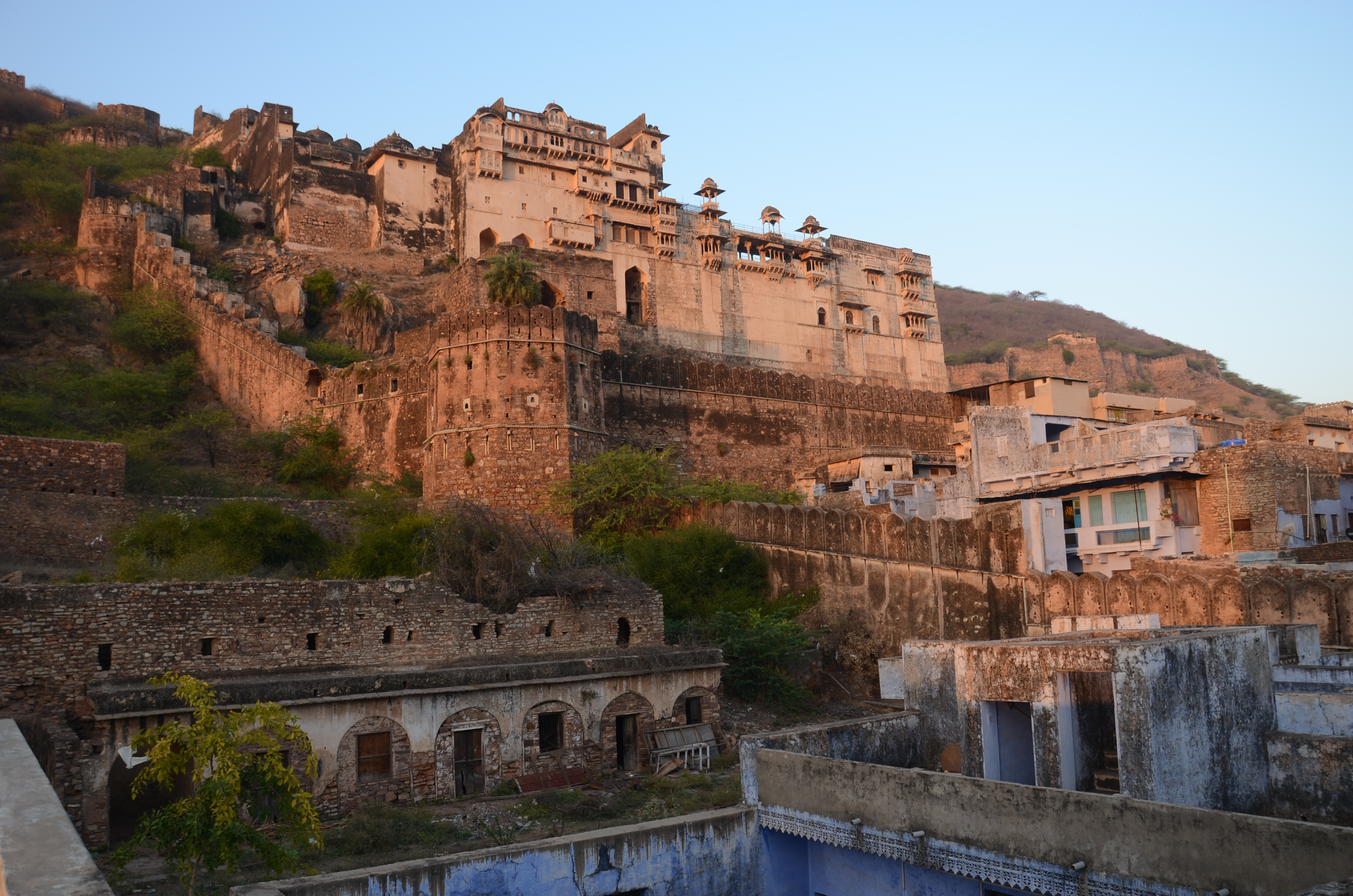
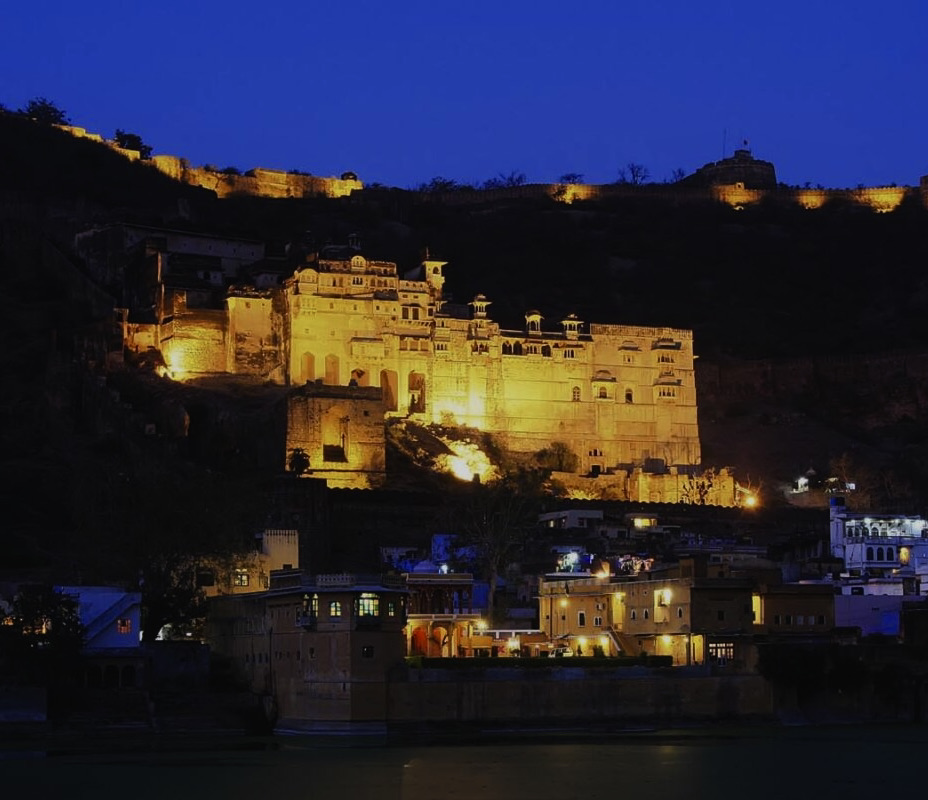
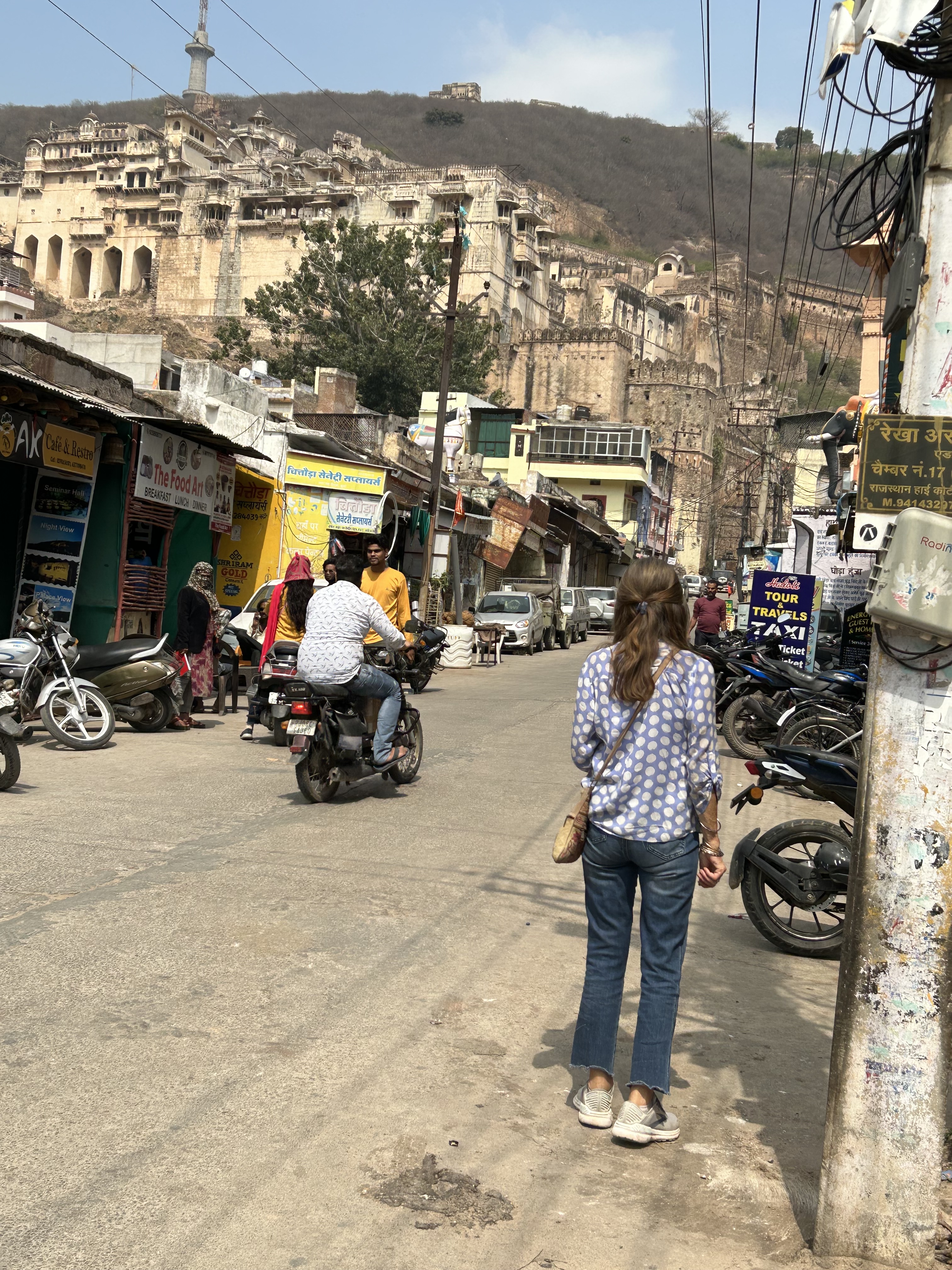
This is our third visit to Bundi and the Haveli Katkoun guesthouse which sits directly below the palace. In 1945, the grandfather bought what was then a stable for elephants from the Maharaja of Bundi for 2500 rupees. It is now a four-story guesthouse with three generations of the family also living in it.

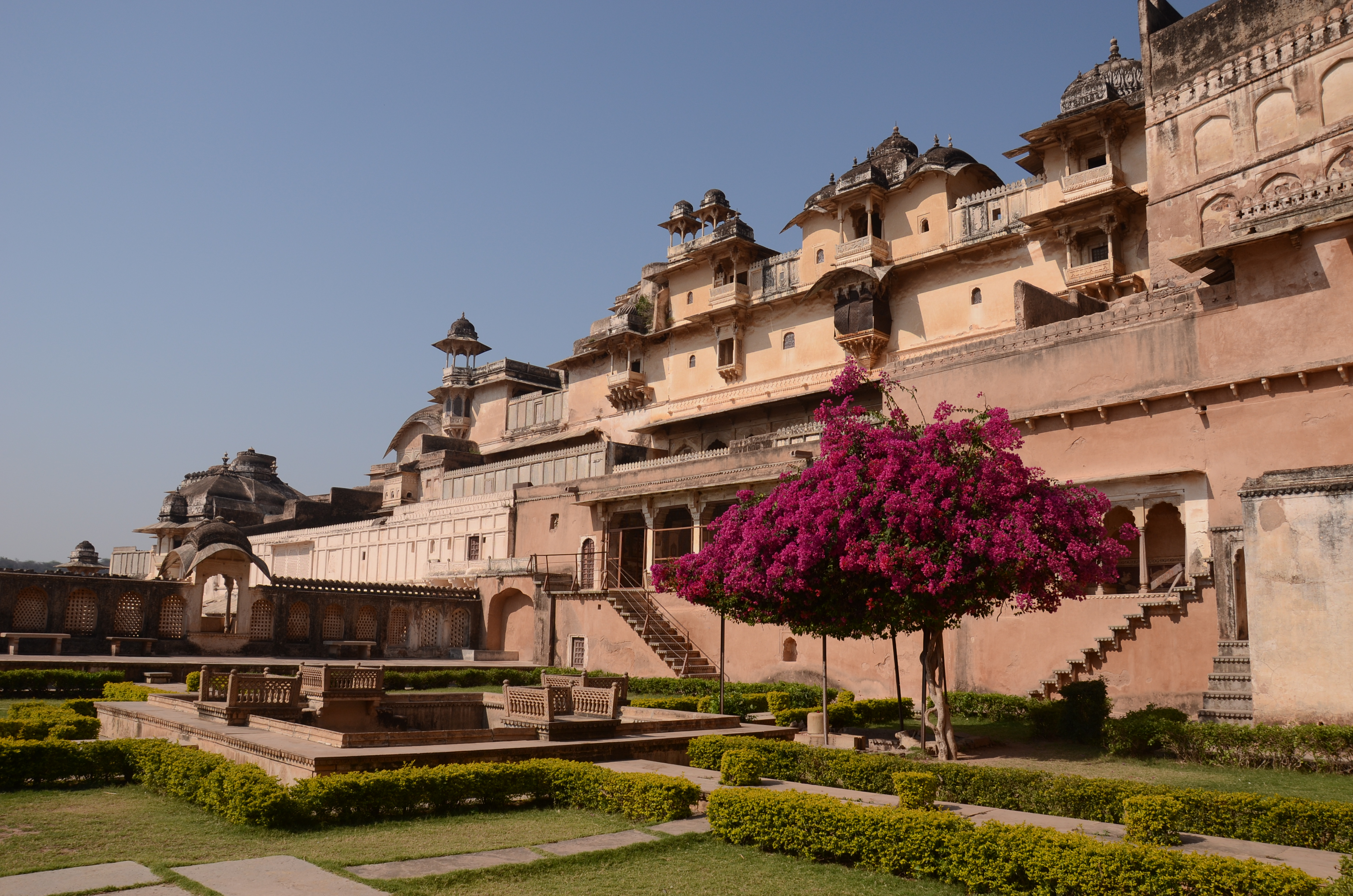
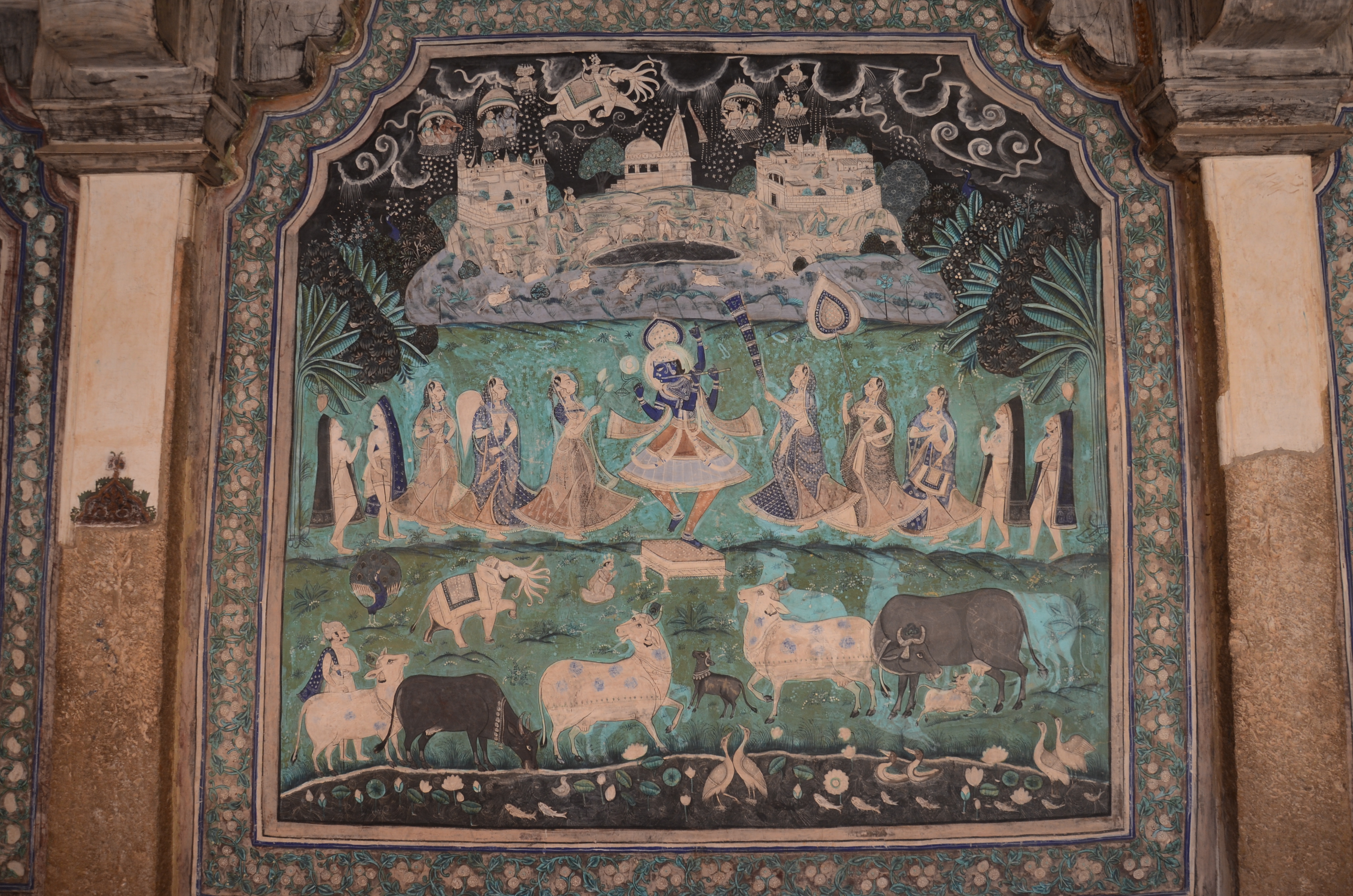
Rudyard Kipling spent time in Bundi and supposedly wrote part of Kim here. He describes the 15C palace as the ‘work of goblins not men.’ Sitting on the side of the hillside it does almost seem to grow out of the rock.

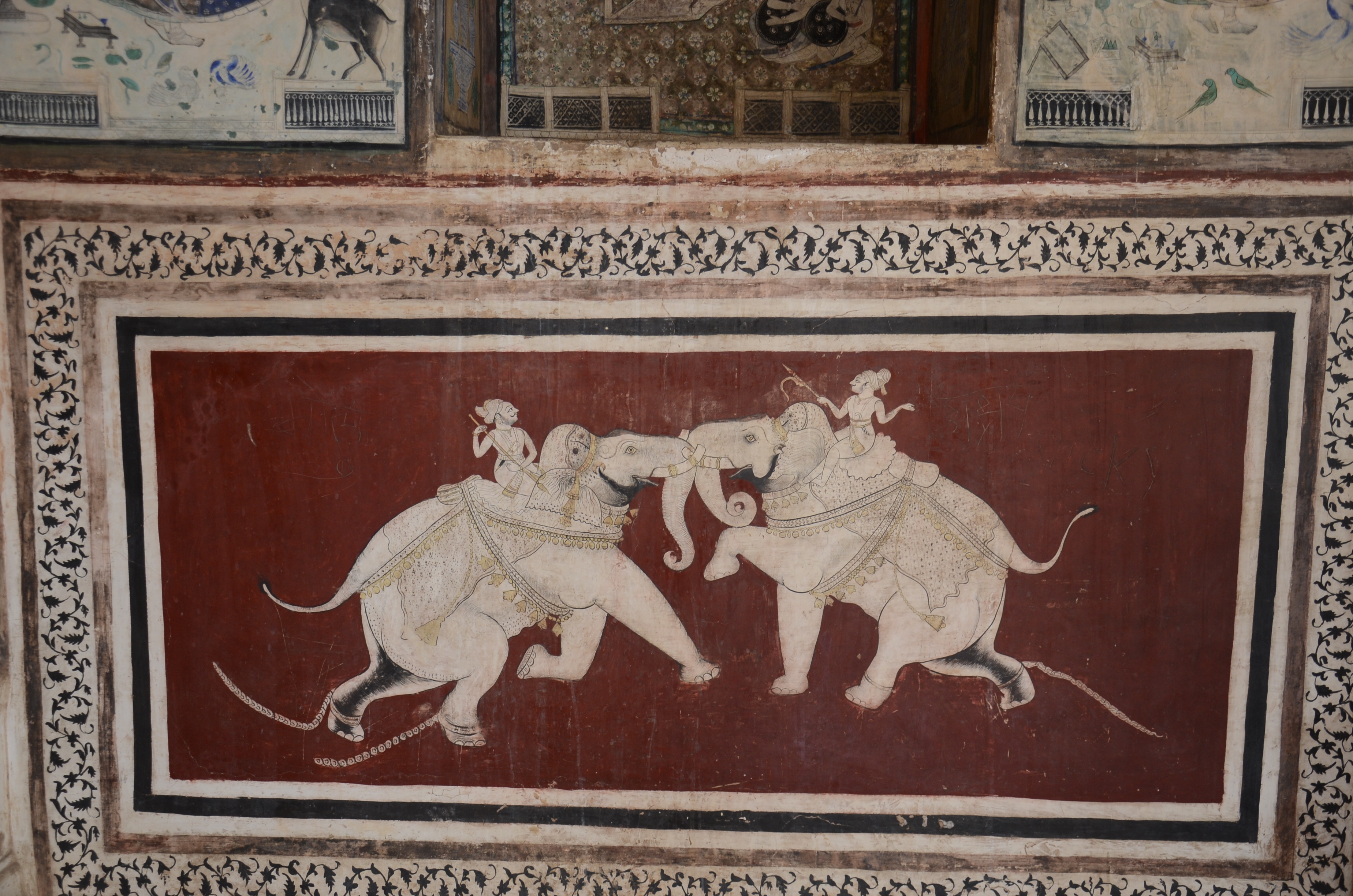
On our first visit we were very impressed by the turquoise-and-gold murals and intricate stone carving.

This time, we were underwhelmed by the palace, but the murals are still extraordinary, some of the best in India.

Online, Bundi is described as being off the beaten track and it’s a relief to be away from the traffic and crowds of Udaipur. But we are surprised at the lack of tourism.

In 2013, Haveli Katkoun was bustling with guests, gathering at night in the dining room on the fourth floor overlooking the palace. Not the case when we arrived this time. We were offered a choice of rooms and picked one in the back to minimize the street noise. (There are still plenty of motorbikes here.) The lack of direct sunlight is compensated by our room’s direct view of the palace, which is lit up at night.

Although the town isn’t a major destination, it had managed to support tourism with its historic palace and fort. Then why are there so few tourists now?

The guesthouse owner says it’s a combination of factors: a new bypass road that means you no longer need to drive through the town second, the town has not live up to the levels of cleanliness expected by the new Indian tourists and third, covid hit the town hard. Many died.

The remaining merchants who serve the tourist trade are desperate, all offering the best chai or the finest miniature painting. A young man with a shop boasting of filtered coffee, tries to lure us in talking a mile a minute. With no one to serve, he’s high on too much of his own caffeine.

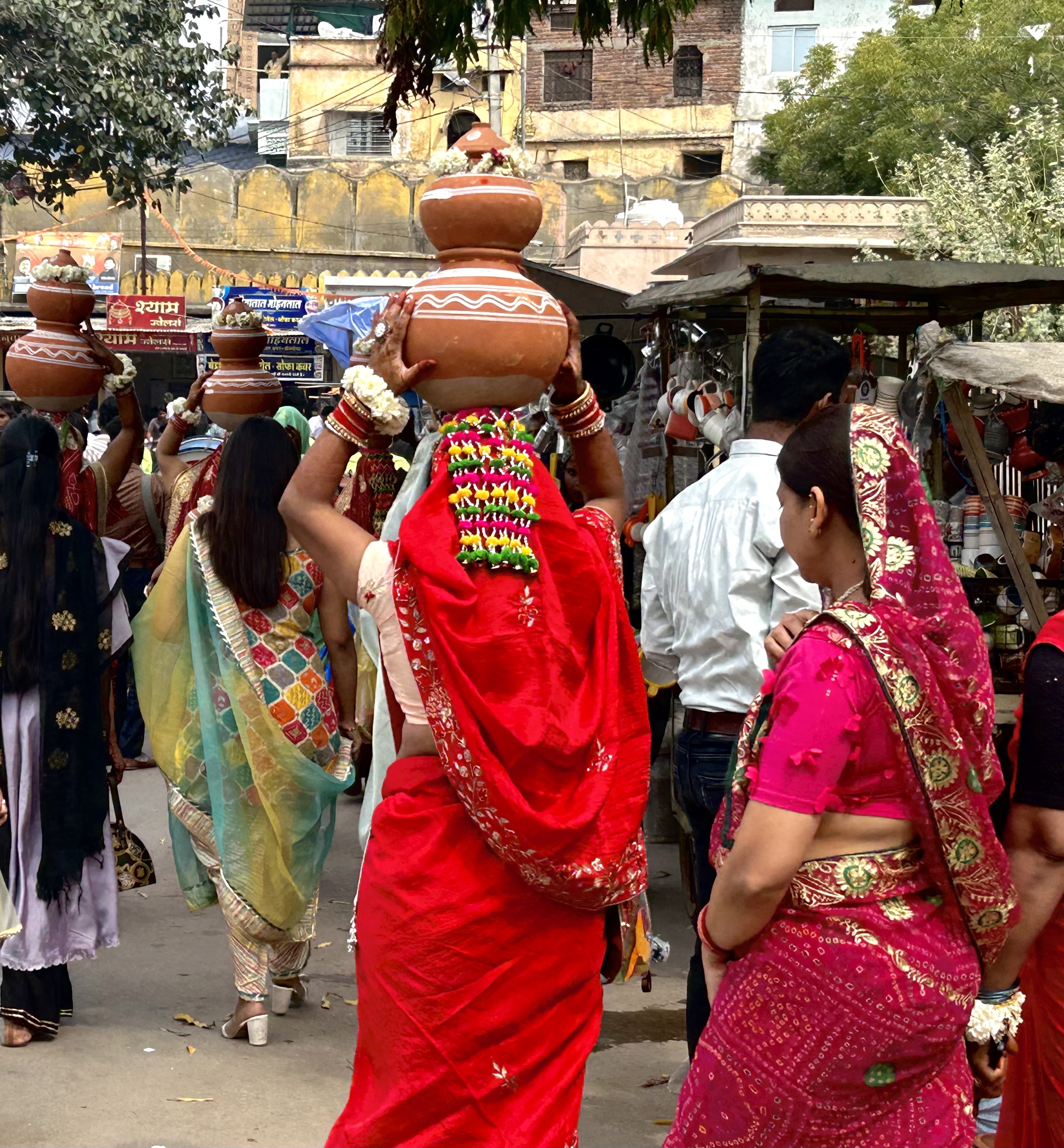
On our second full day here, we walked away from the area immediately surrounding the palace, down the narrow streets to the market vibrant with activity and color: saris, bangles and men with enormous Rajasthani turbans.

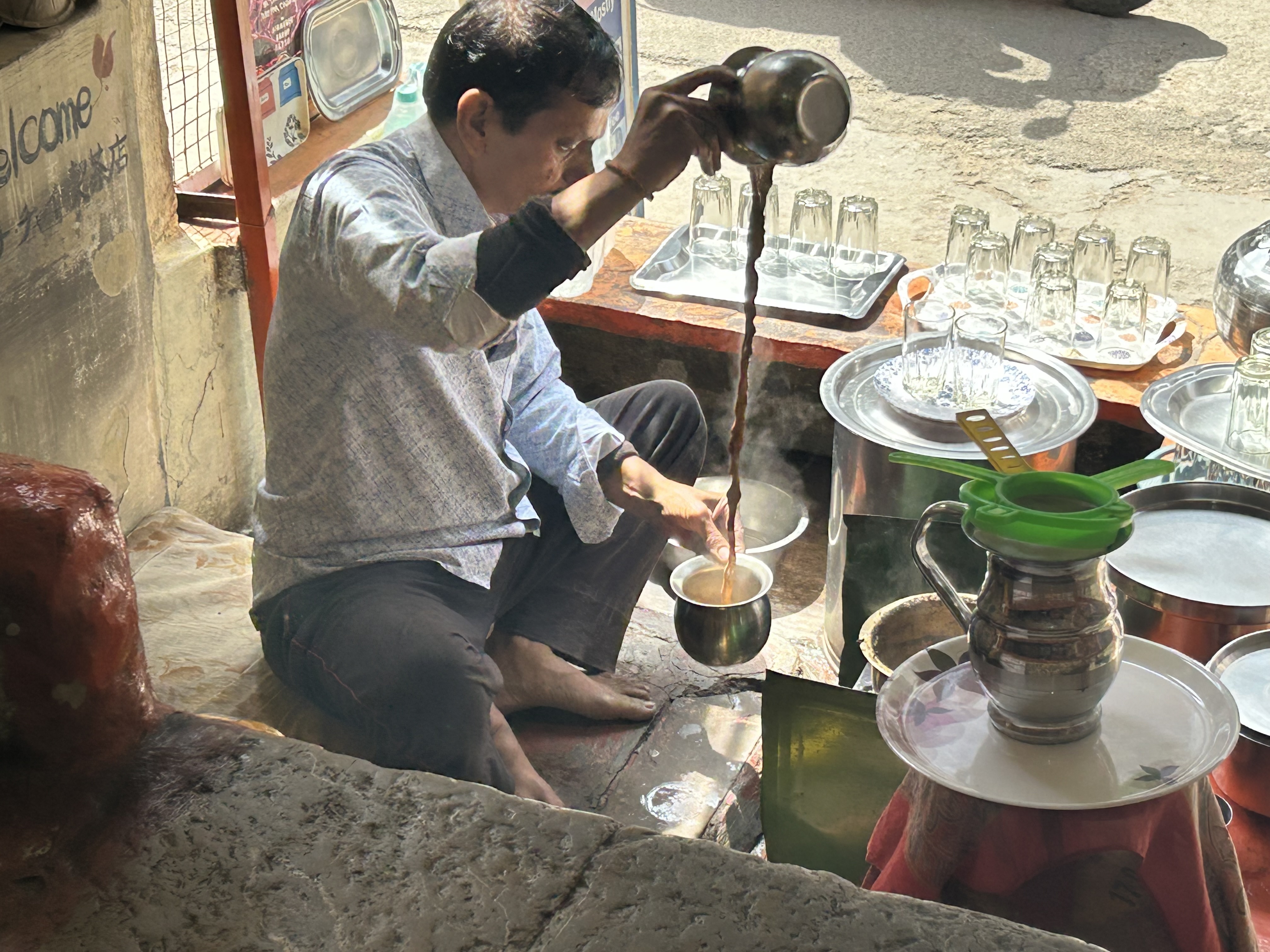
We stumbled on the best chai stall in Bundi. The chai wallah set up an immaculately clean spot beside the street, grinding fresh ginger and spices with a smooth flat stone, to make the most amazing masala tea.

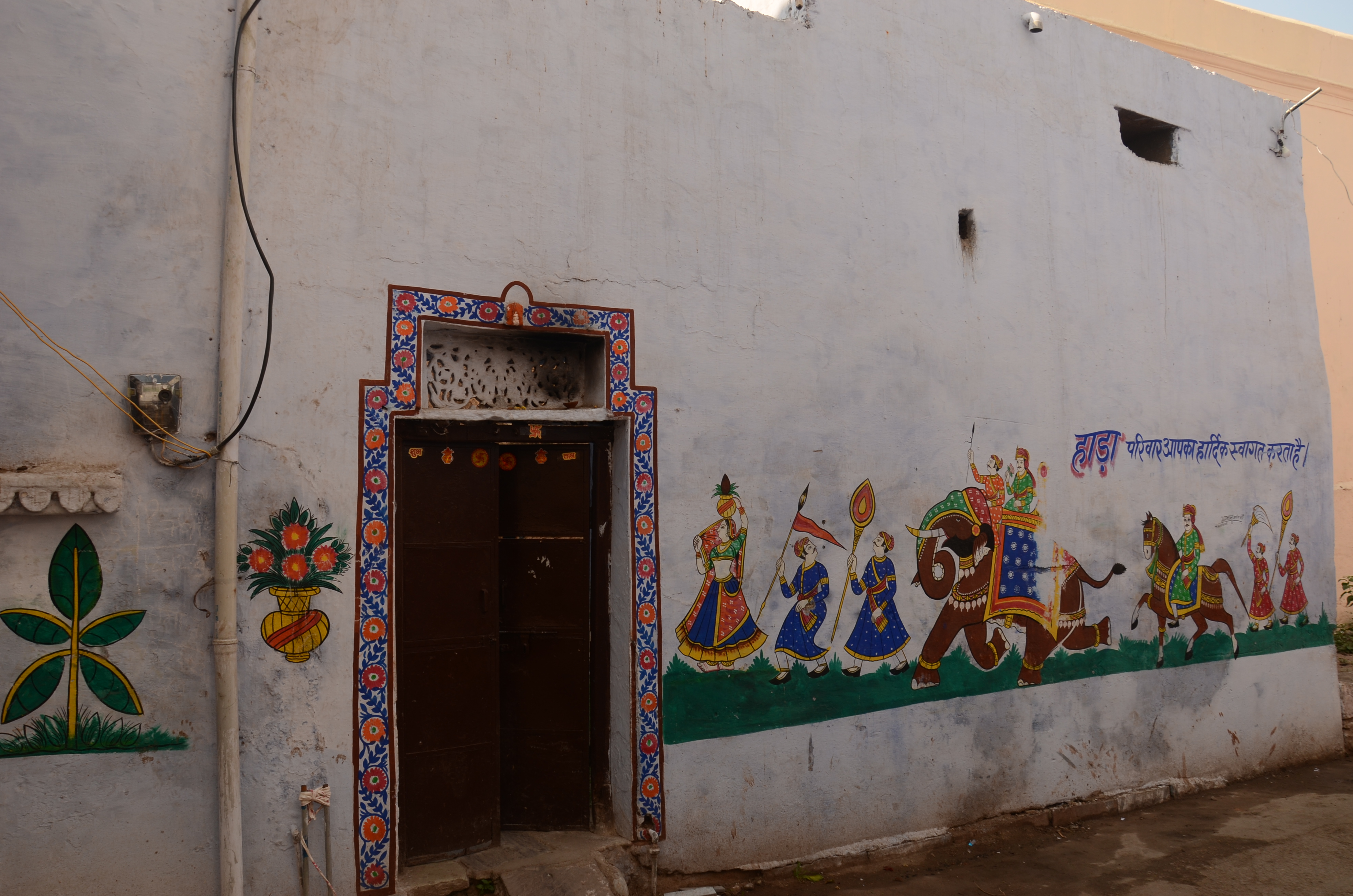
Another walk took through the lanes to the edge of town. We passed houses with decorated walls similar to those in Varanasi and other parts of India but these designs are peculiar to Rajasthan.

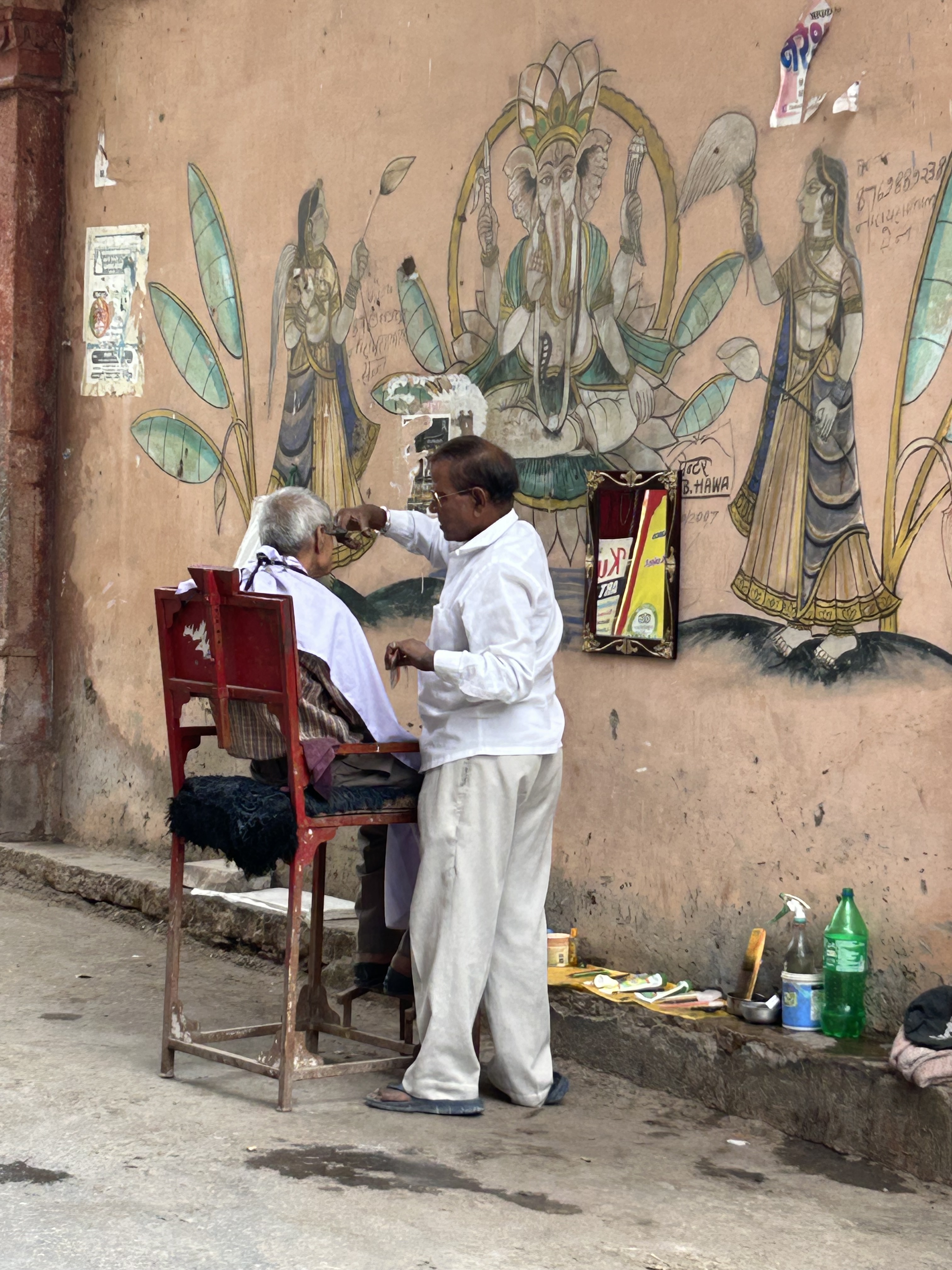
This barber has eliminated rent and is passing the savings on to his customers.

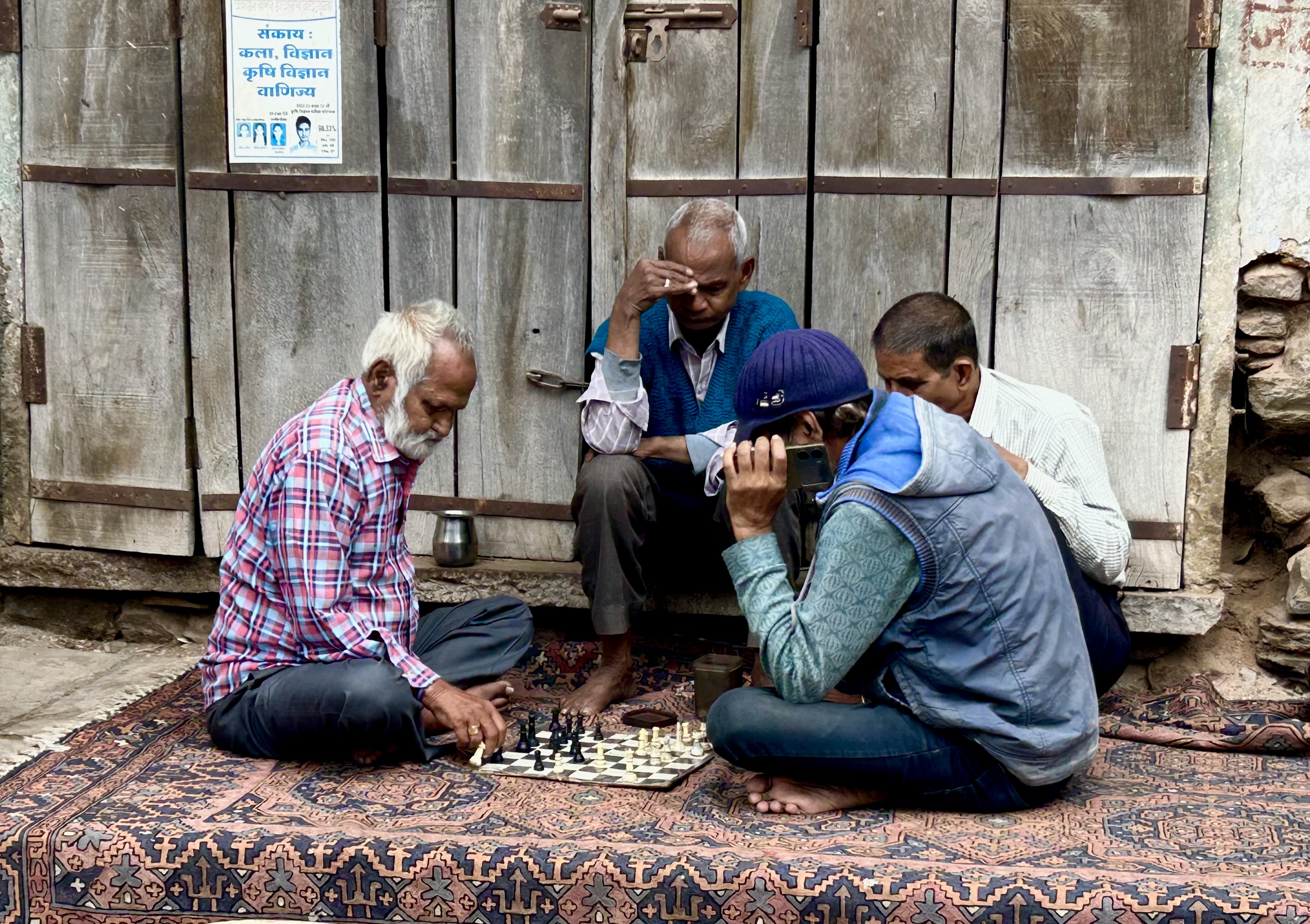
The universal game of chess played on a quiet lane.

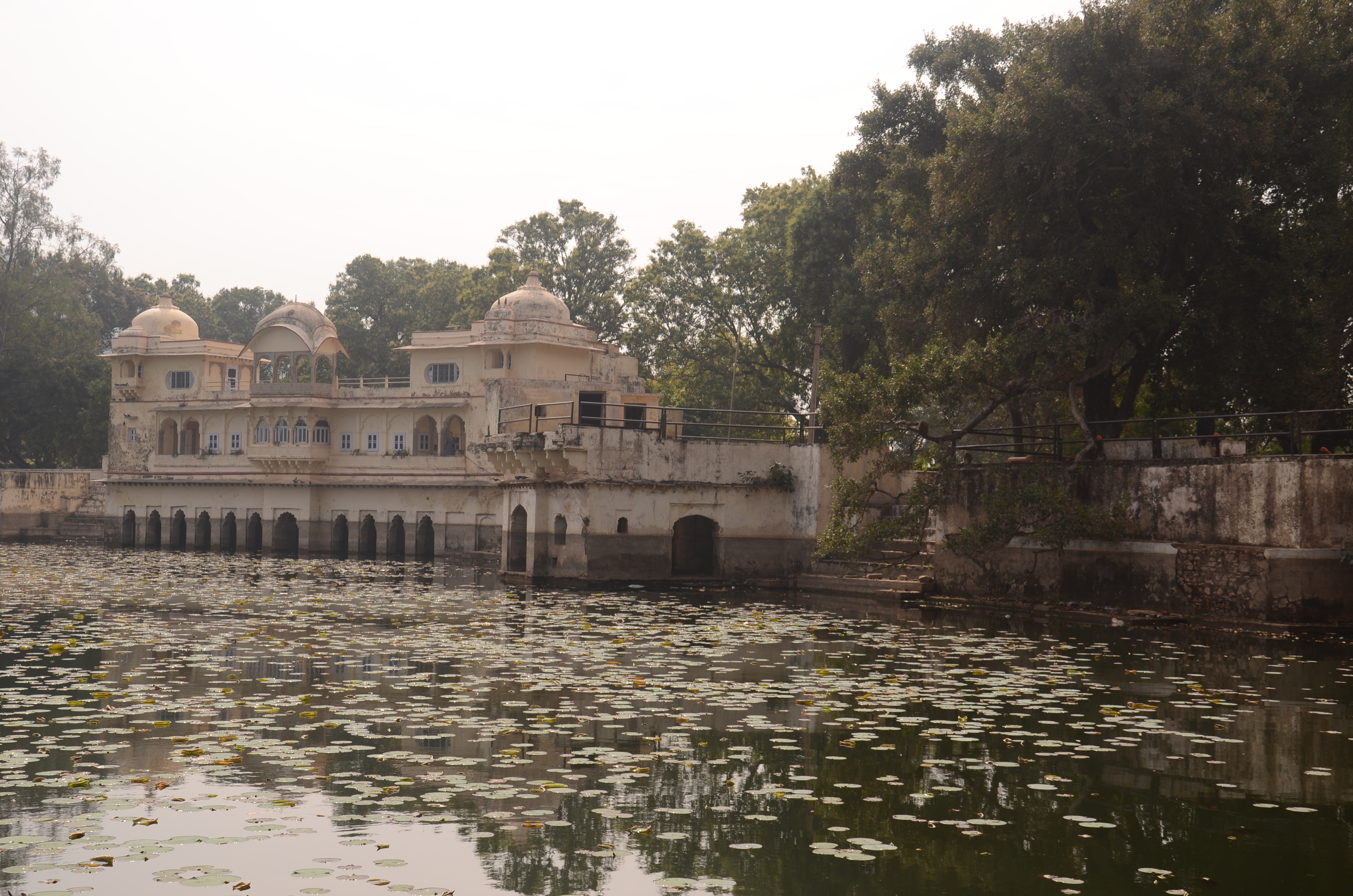
Just outside Bundi, there is the 18C Sukh Mahal, built beside a lake. Once a picturesque summer retreat for the Maharajahs, Kipling spent two days here as a guest of the ruler. Now the monkeys call it home.

For the third time, Bundi has fascinated us again.

Udaipur: 24 Years Later

We first came to Udaipur 24 years ago and haven’t returned until now. On our first visit, when we only came to India for three weeks and were still working, we stayed in a Heritage haveli on the edge of the lake in the honeymoon suite for a mere $25. Today, we’re still paying $25 for a room that’s definitely one of our better ones in India, four large breezy windows with a lake view. But it’s nowhere near the caliber of the previous suite and located on the ‘other side’ of the lake.


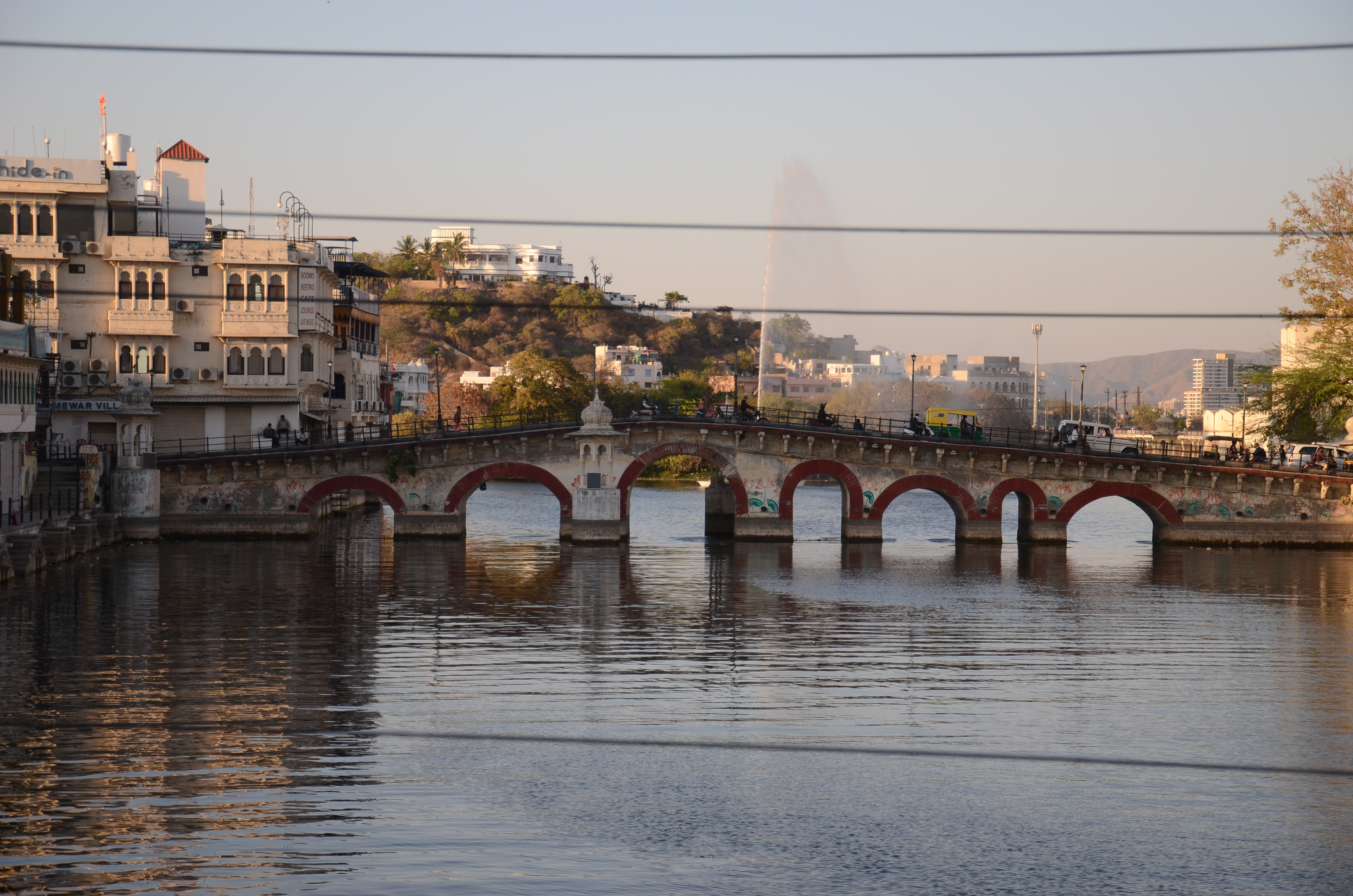
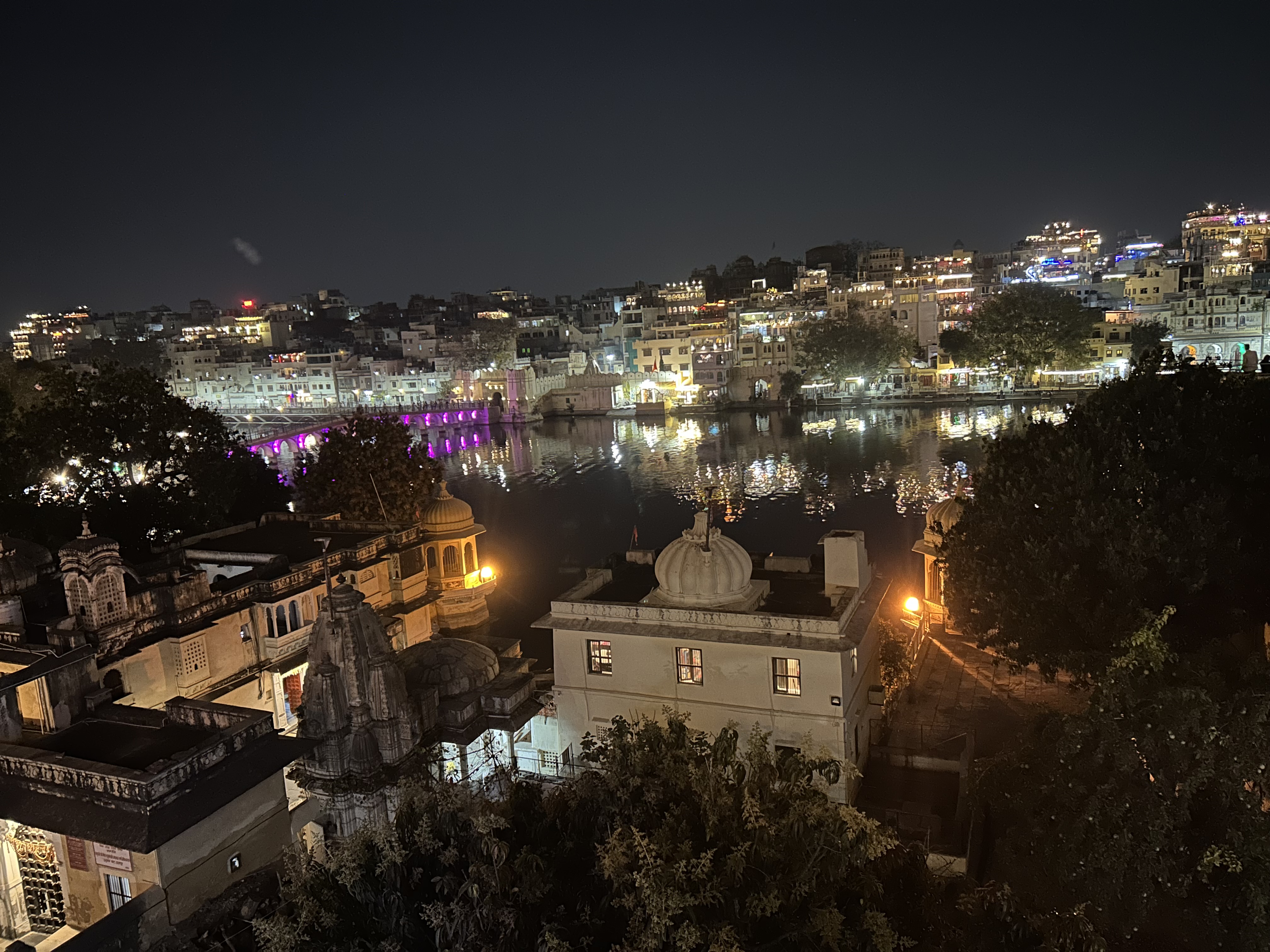
Two small bridges cross the narrow channel of water connecting the two sides of town – an old stone one for traffic, and a newer footbridge.  

Memories of past journeys come to mind.  Walking across the footbridge, I’m reminded of the bridges crossing the Miljacka river in Sarajevo.

Galleries selling Indian miniatures and the high-end restaurants on  the lake’s edge, could be Carmel( if you squint).

And the narrow lanes and temple music below our window brings up images of Varanasi. 

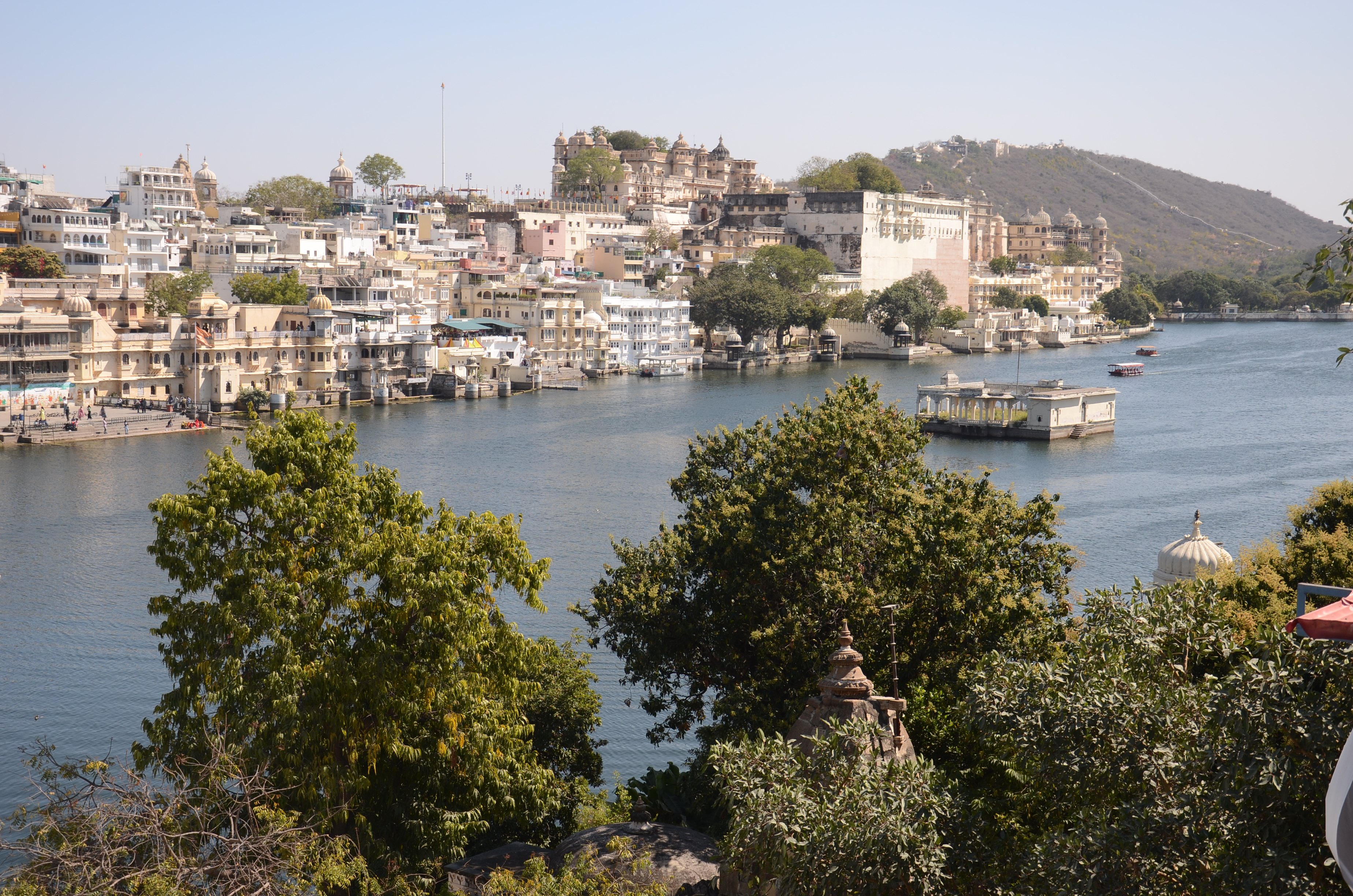
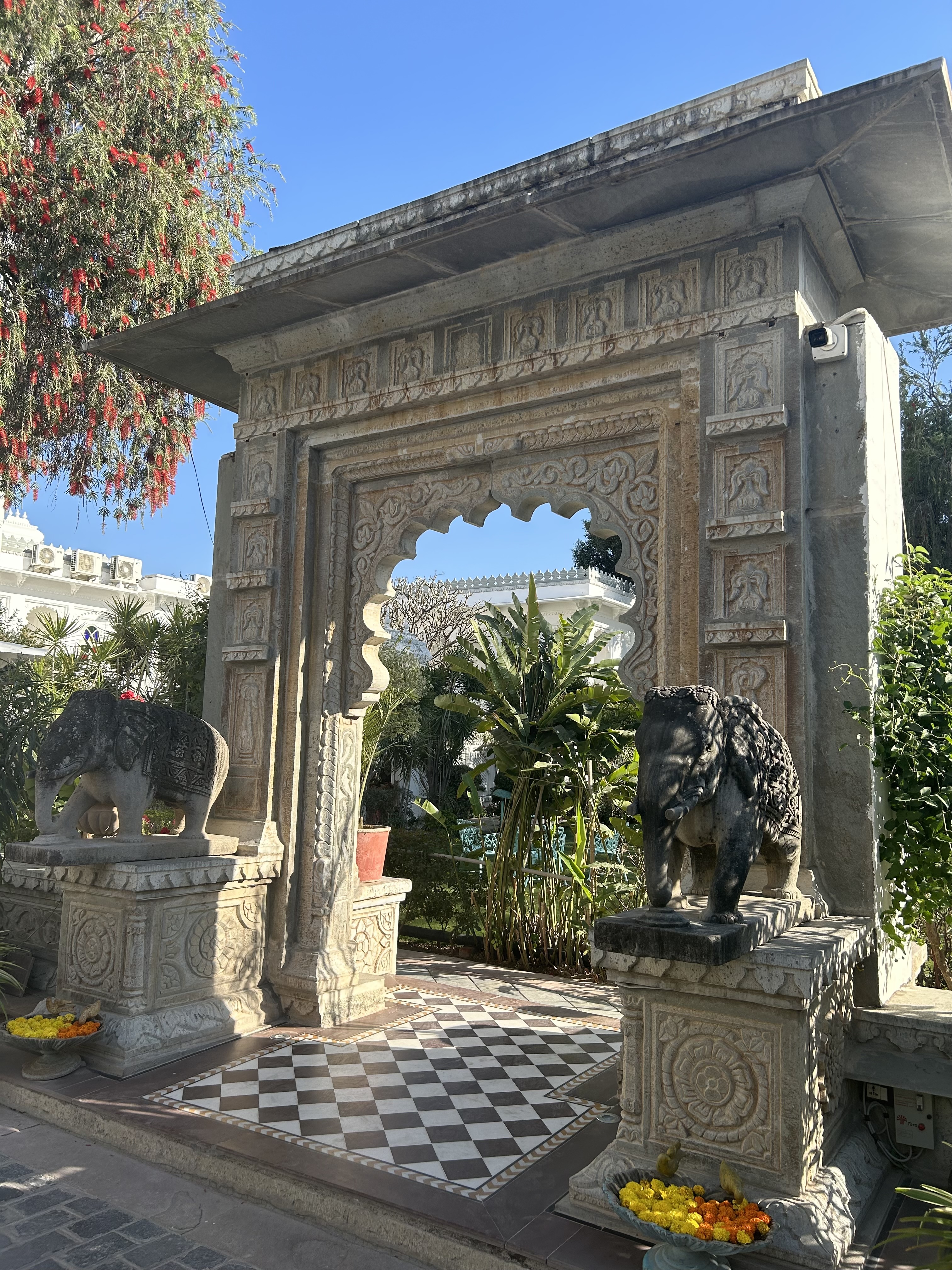
With its old havelis, palaces, marble temples and seven man-made lakes, the city clings to its historical elegance.

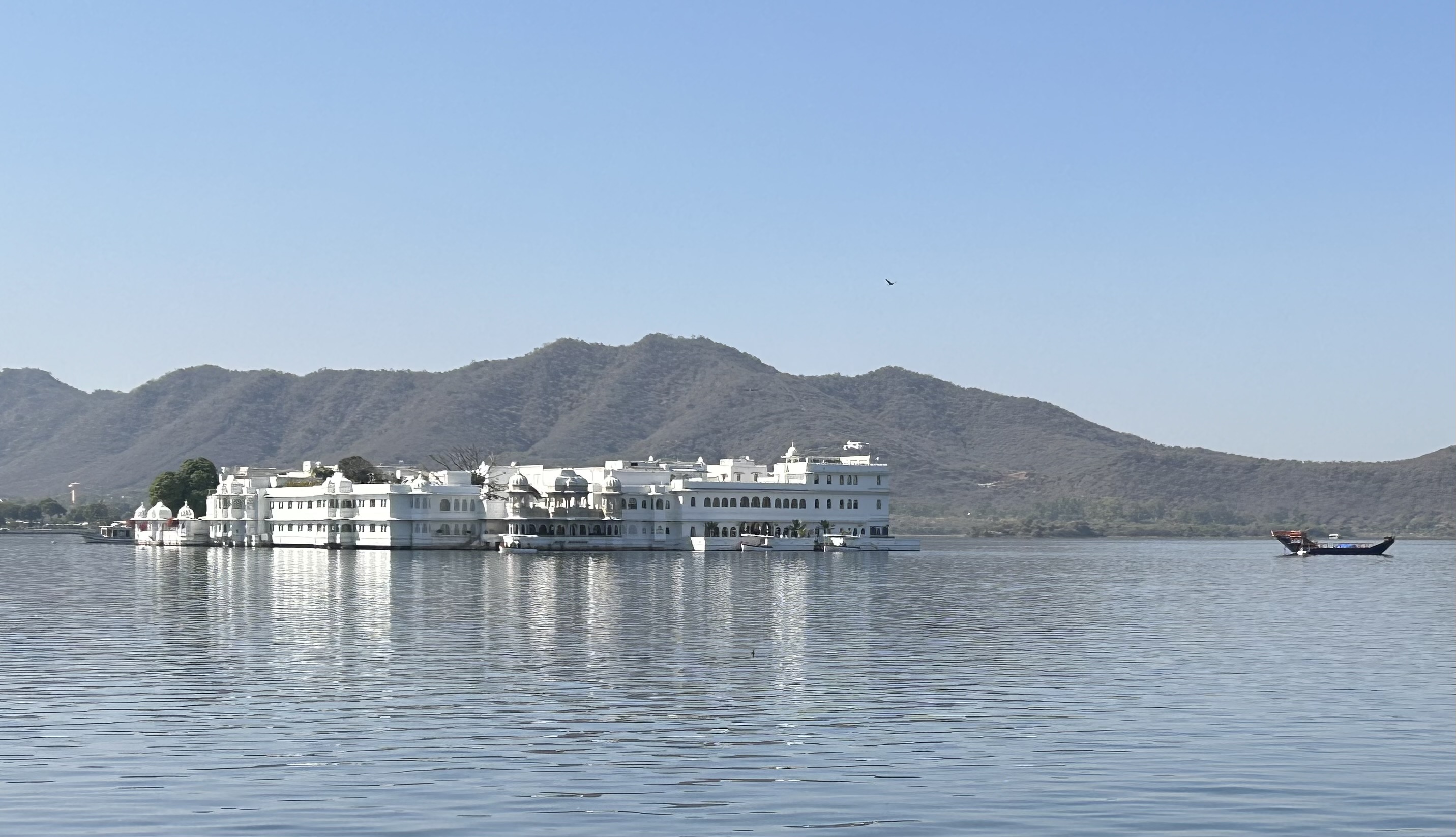
The floating palace in the middle of Lake Pichola is familiar to westerners from the 1983 James Bond movie, Octopussy.

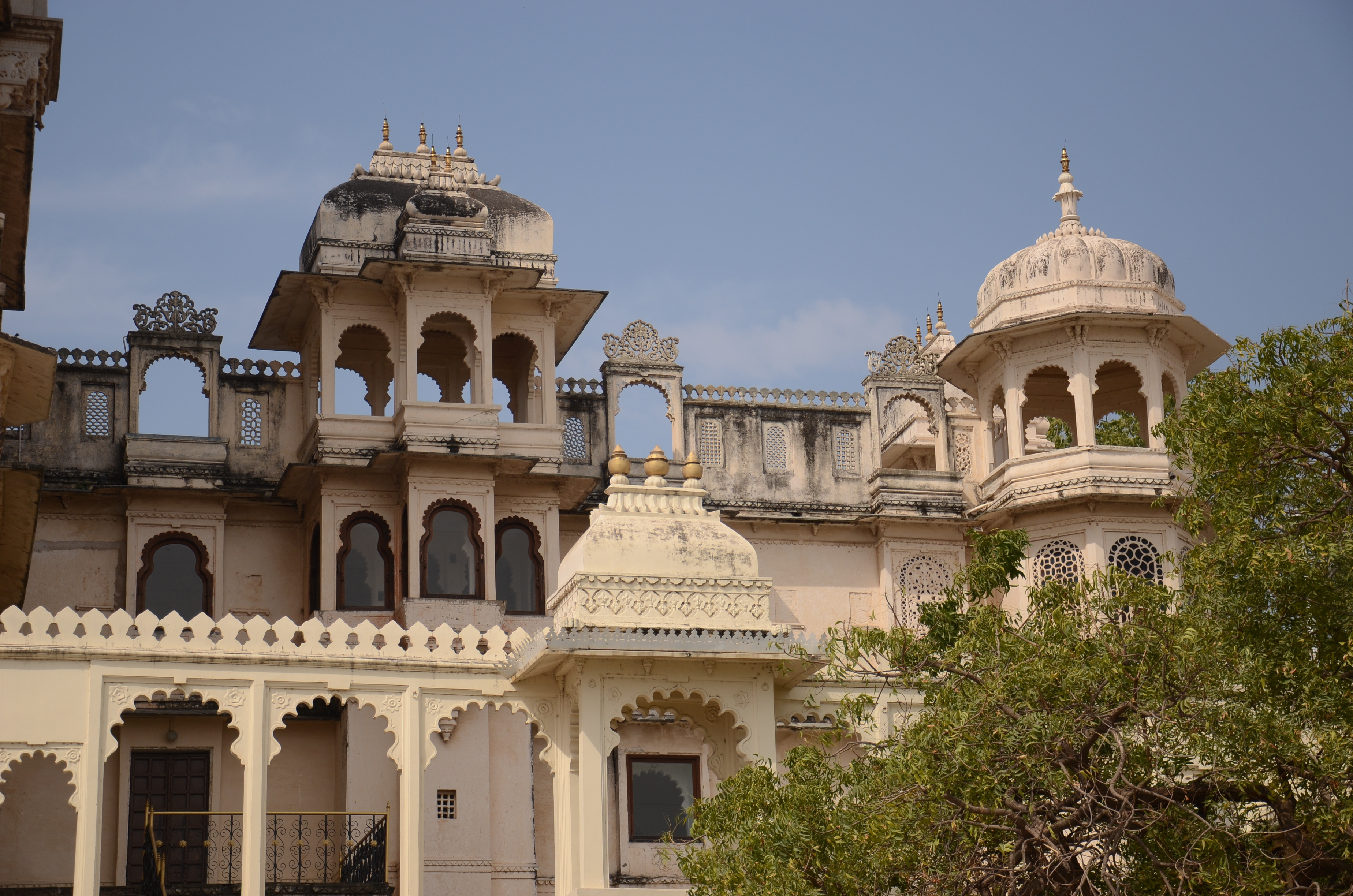
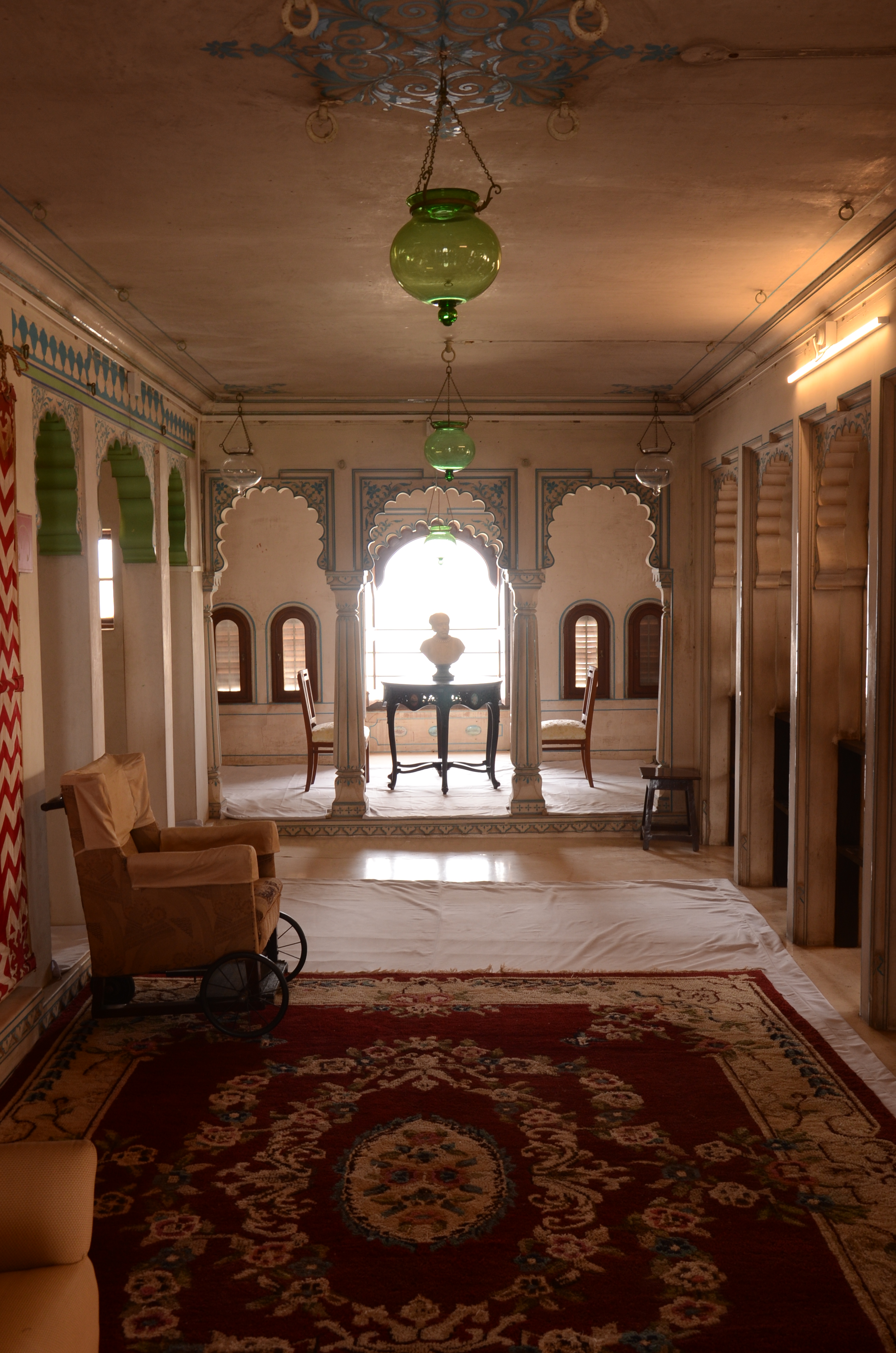
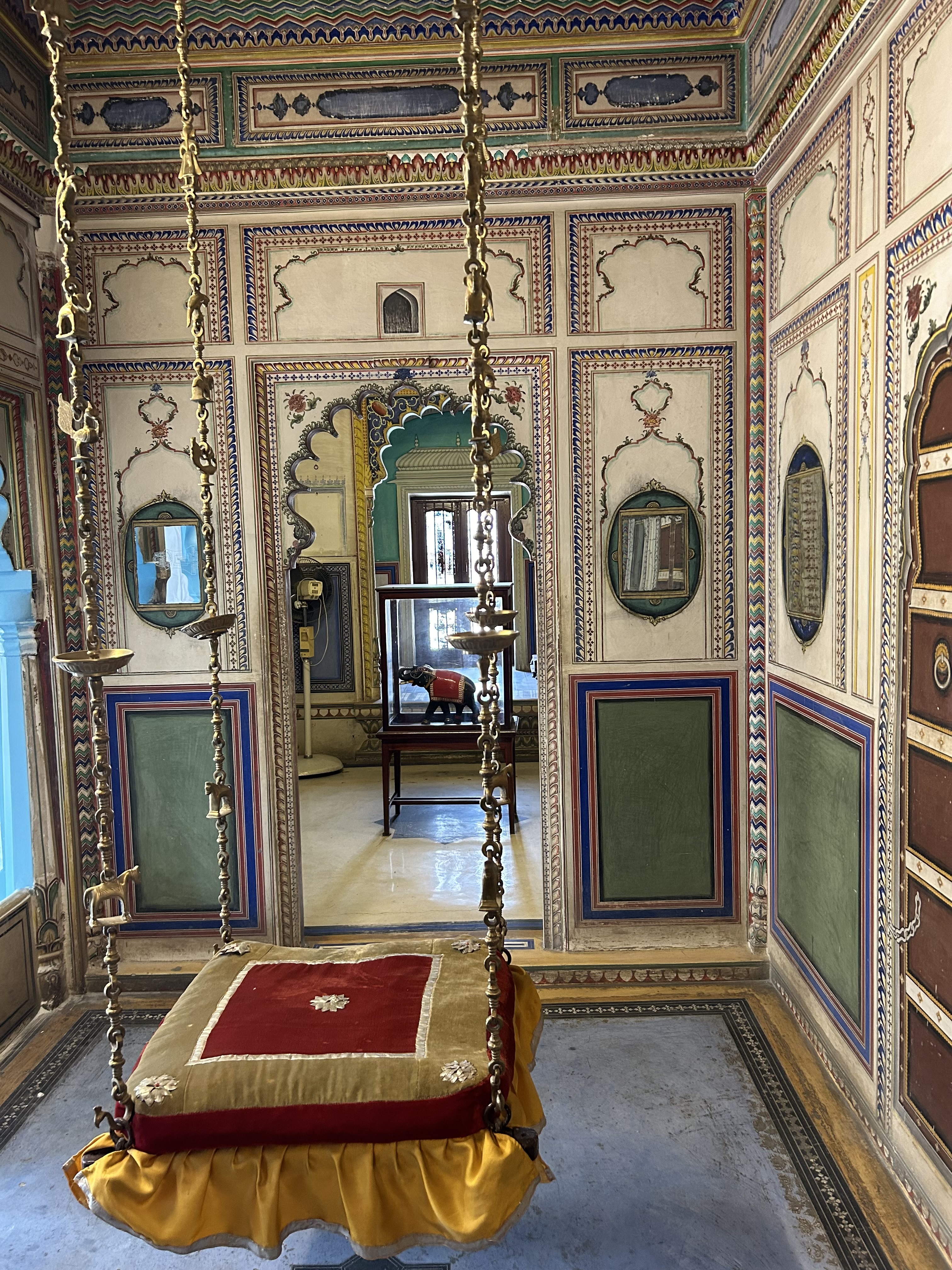
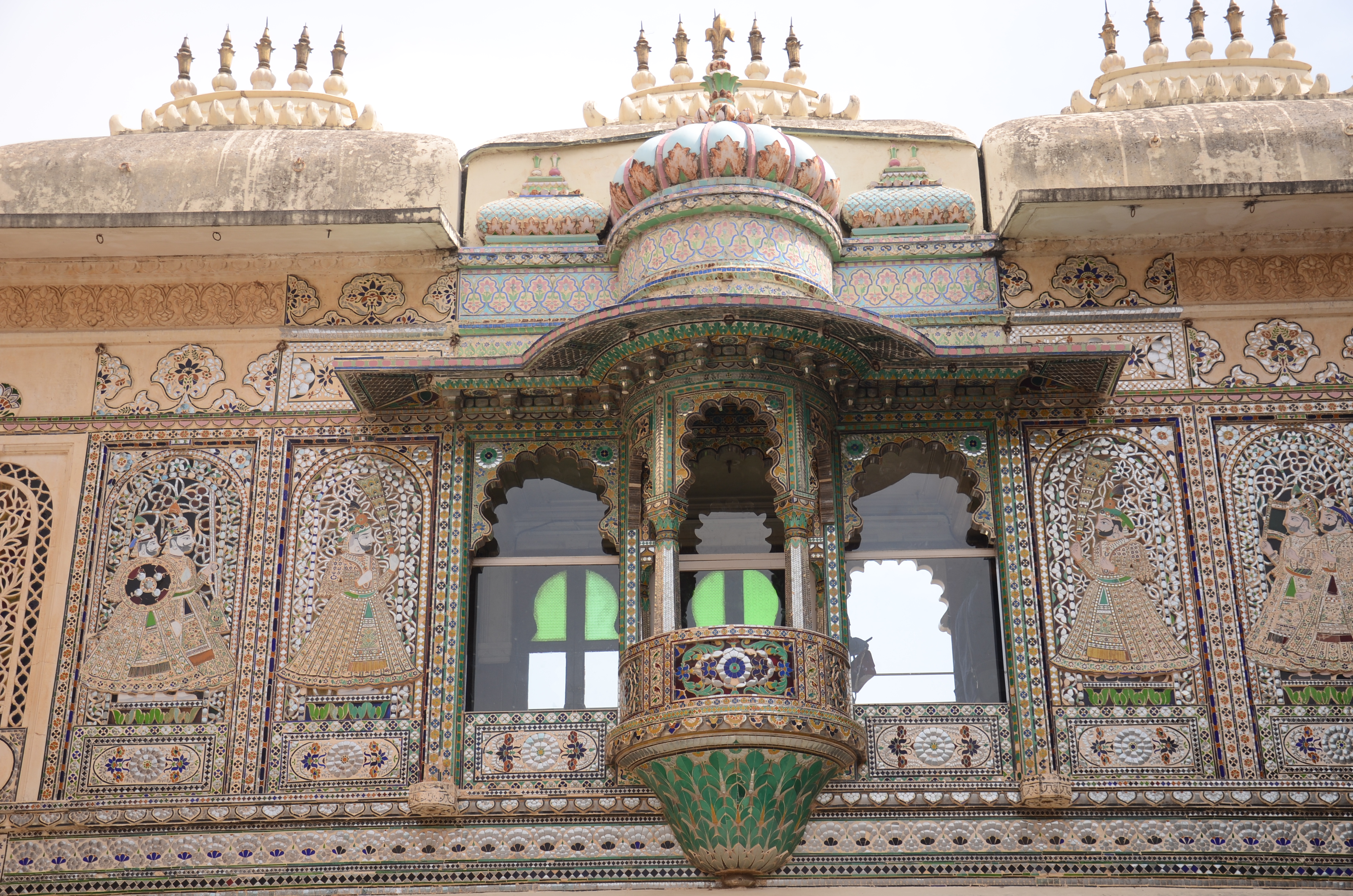
City Palace, built over 400 years, is  a monumental complex of 11 palaces, courtyards and gardens with sweeping views of the lake.

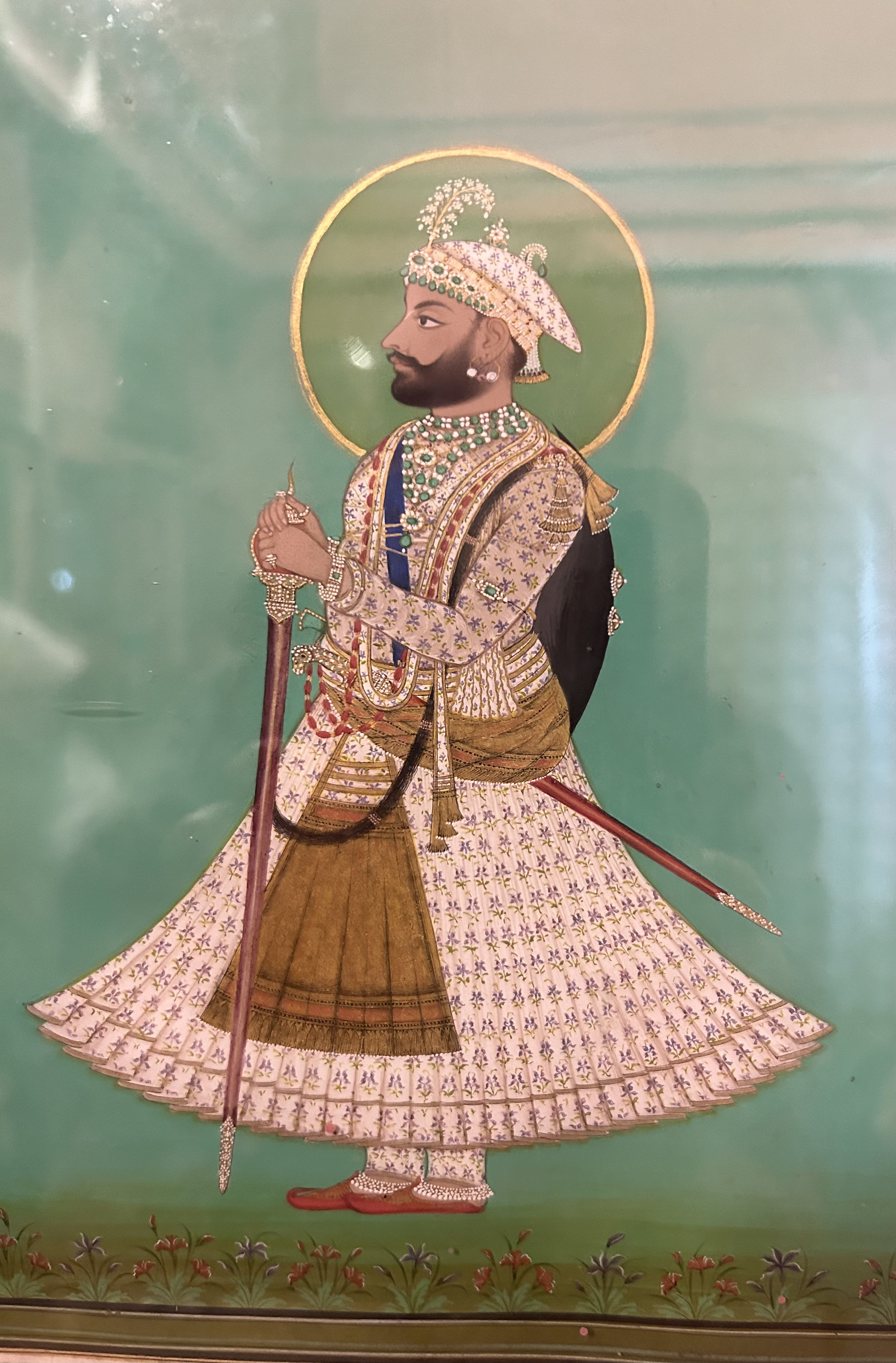
The Mewar dynasty, famous for keeping the Mogul rulers at bay, lived here until 1955. A few years later it was opened as a privately-run museum. 

When the sun or the moon rises over the lake, it could be a scene from an Indian miniature (minus all the flashing colored lights that India loves).

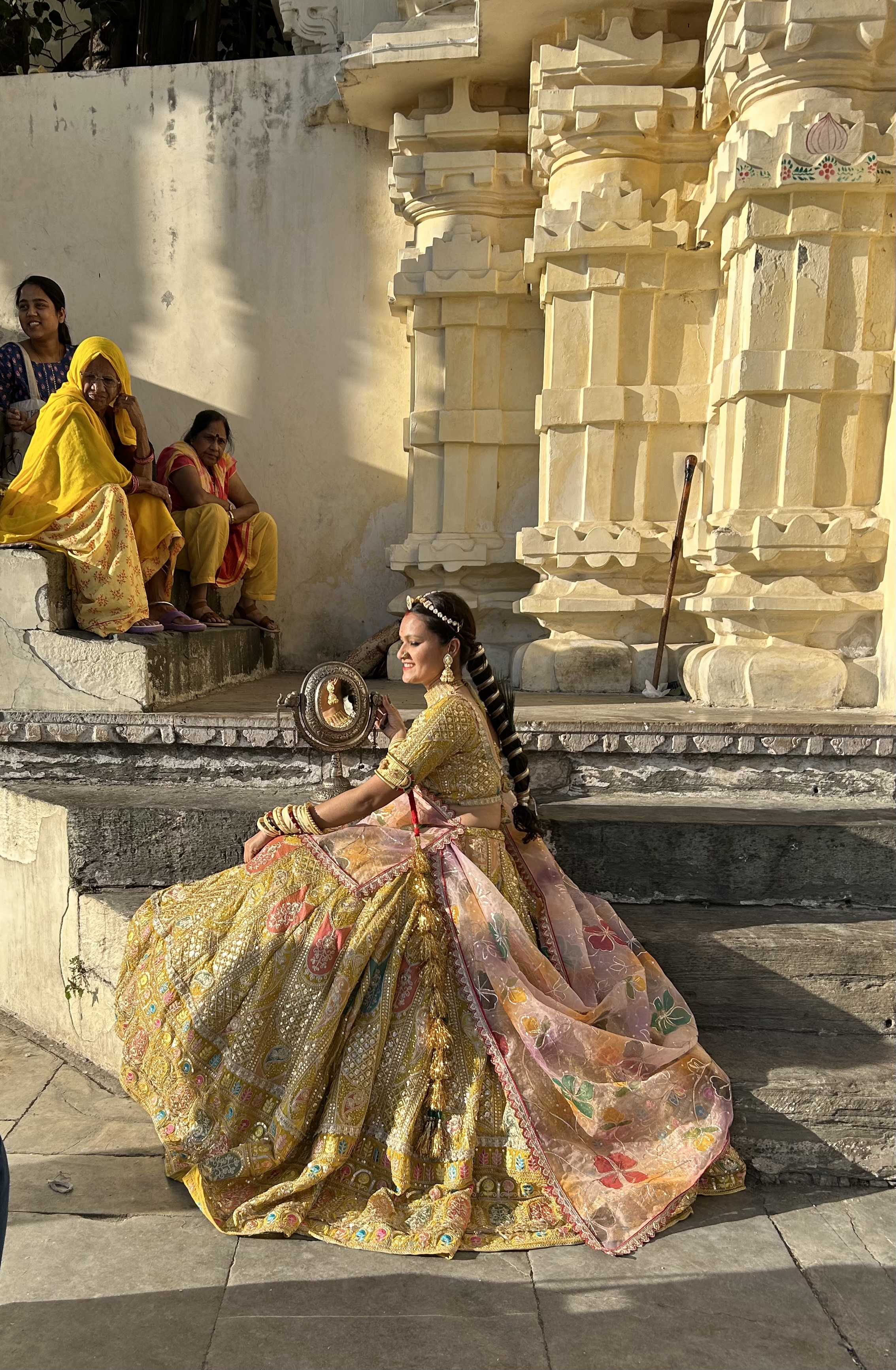
Within a temple complex we met a young man painting miniatures. He had first learned the skill from his uncle and then for eight years worked in a call center. But he was not satisfied and eventually returned to miniature painting. He earns very little and worries that it will be hard to support a family when married.  But for now he’s happy painting under the guidance of his teacher. 

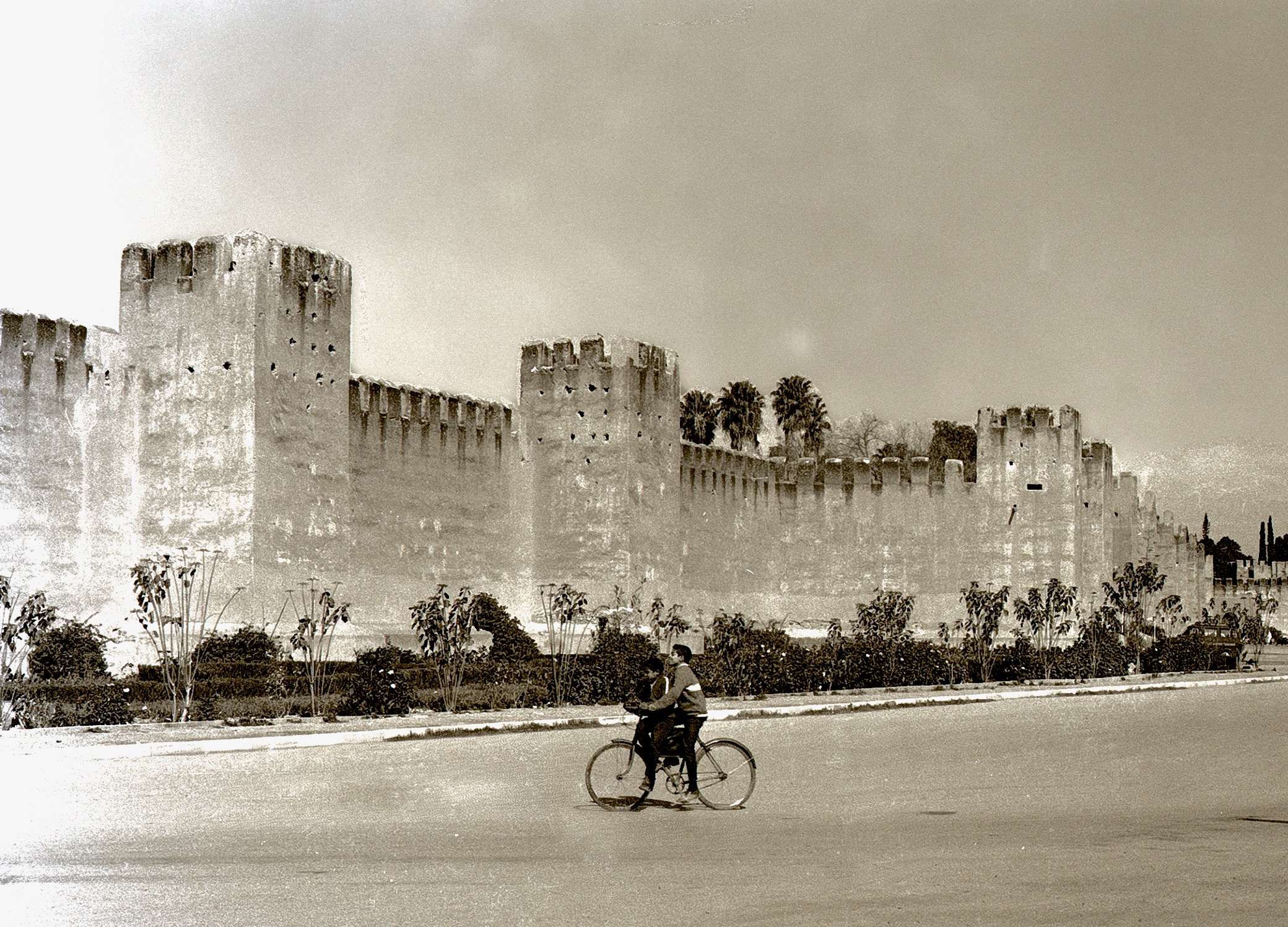
During the daytime, the horrendous traffic clogs the narrow lanes with rickshaws and motorcycles not sparing their horns. The shopkeepers don’t like the noise either, but what are their options? At lunch I told Gerard how fortunate we were to have traveled before everybody in the world had a motorbike. In 1972, we spent three months in a walled town in southern Morocco. The only road entered through a gate to a small square. From there, everything went in and out via donkey. We took the peace and quiet for granted.

Ready to Move On

Sitting opposite us at breakfast, the German woman had piercing blue eyes and skin more sun weathered than mine.  When she went to New Zealand to see her daughter; the landscape was spectacular but compared with India, she found it boring after a few days. As an anesthesiologist, she comforts her patients during the last two minutes of their consciousness with tales of the Mystic East.

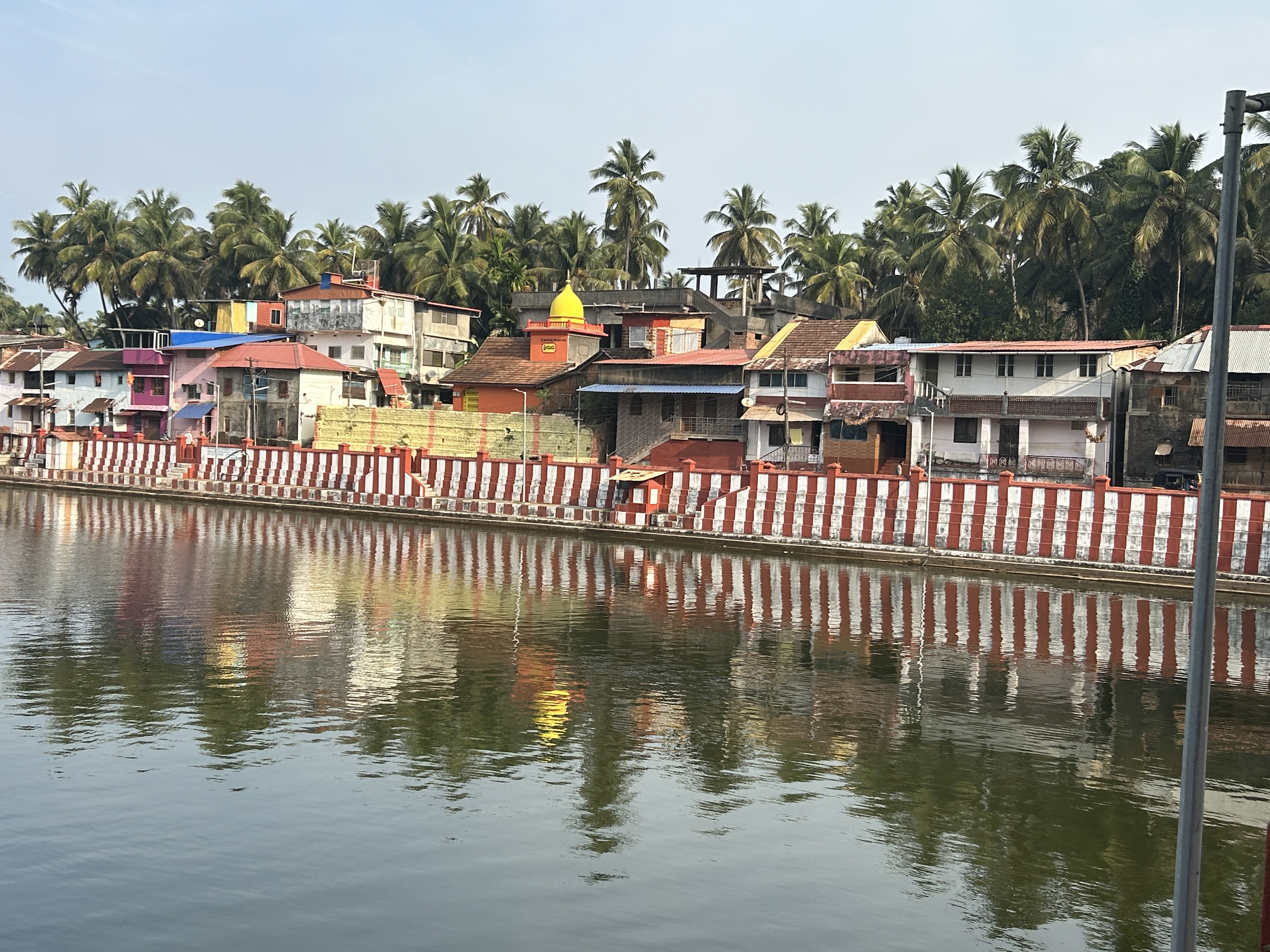
We used to go to Goa until too many tourists and development diminshed the charm. What has saved Gokarna thus far is that it’s a temple town and the city fathers have regulated development along the beach. But as surely as the sun rises in the east, financial pressure will prevail. We’re grateful that so far it hasn’t changed that much.

Unbeknownst to us our last hike turned out to be the best.

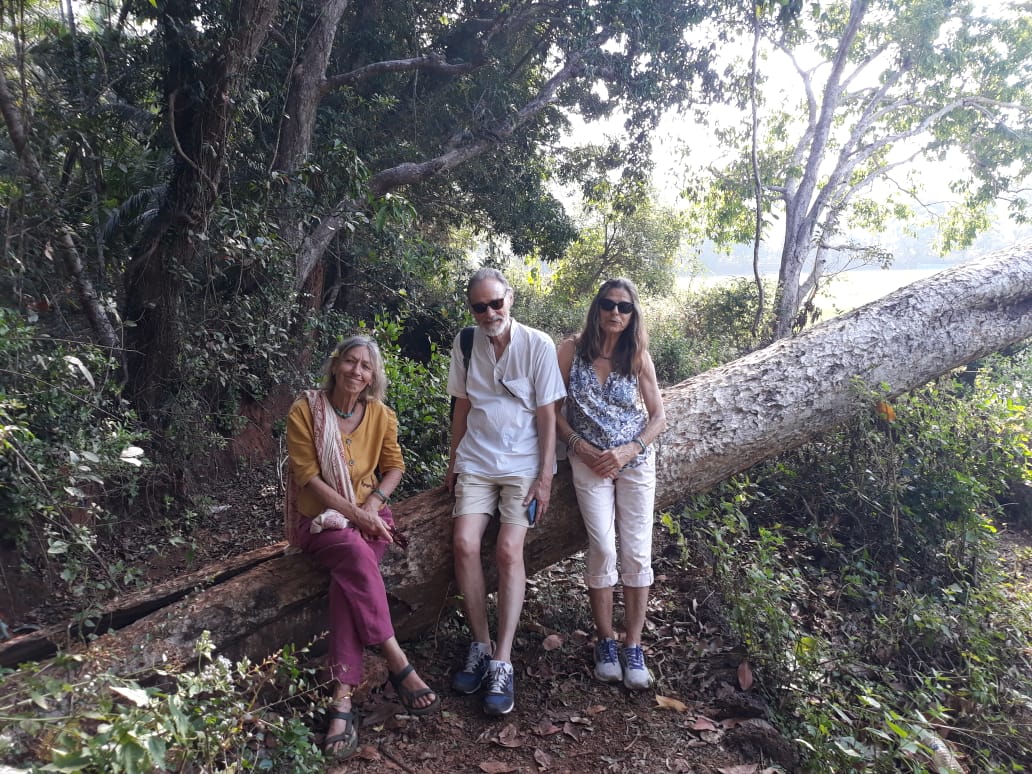
Marina led us through the shady jungle to Half Moon Beach. You can only get there by foot so there’s just two cafes and no accommodations. 

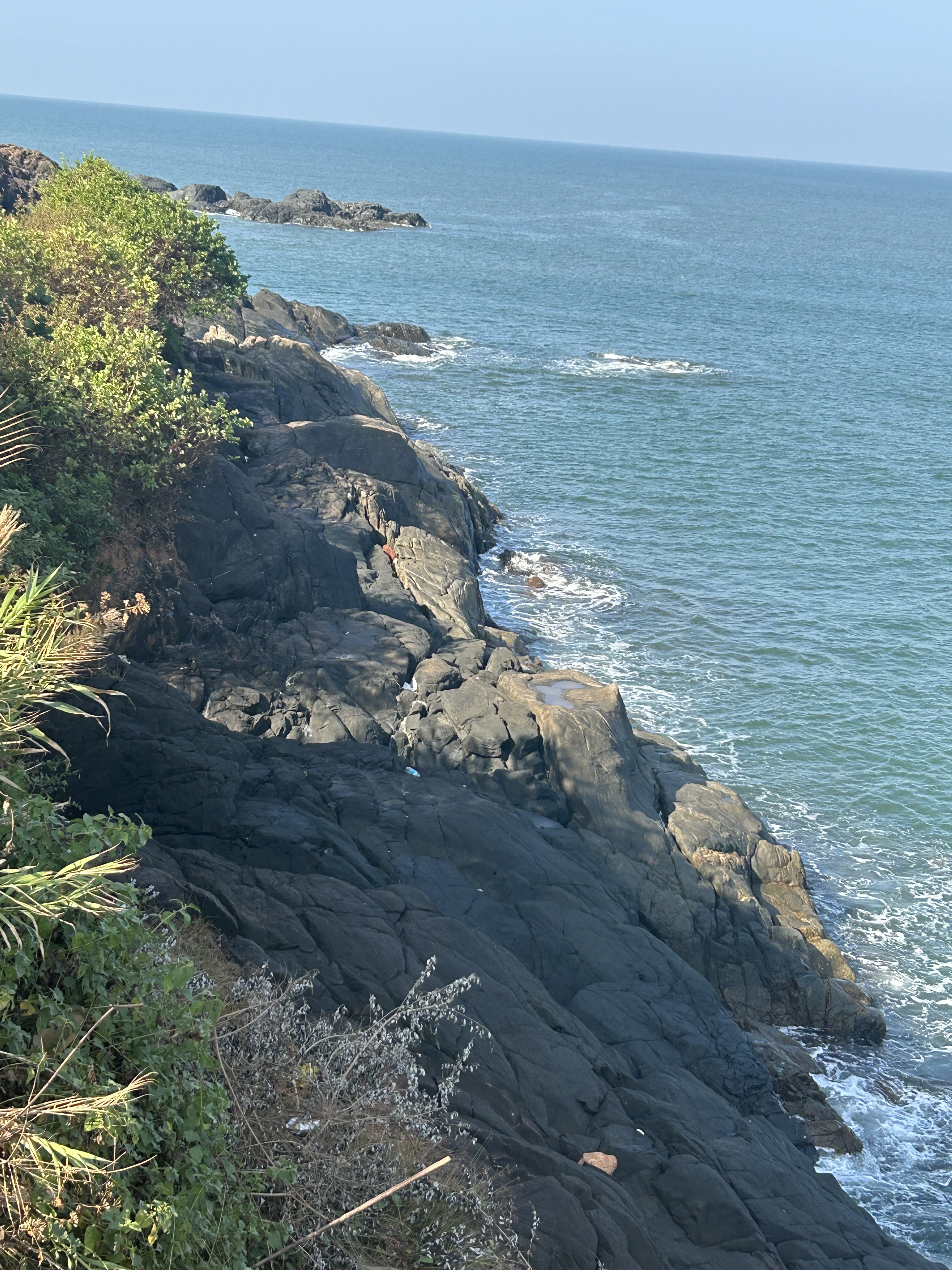
After a swim and lunch, we continued via a narrow path high up above the sea

…to Om Beach which in comparison was a let down –  too crowded.

Another swim, and we took a rickshaw back to town toward evening.  A full day’s outing, and I slept soundly.  But poor Gerard was bothered by his numerous bites –sand fleas, or spiders… He’s a shield for me from any crawling or flying invaders. Not surprisingly, he’s ready to move on, and after six weeks even I’m ready for a change of scene. But I’ll always love the beach.

Headlands and Hornbills

I didn’t have much difficulty in persuading Gerard to repeat a hike we took through the jungle last year.

This time it went more smoothly, as we set out early to reach a lonely beach, ahead of the full sun. The bus back to town arrived before we had a chance to take a quick dip.

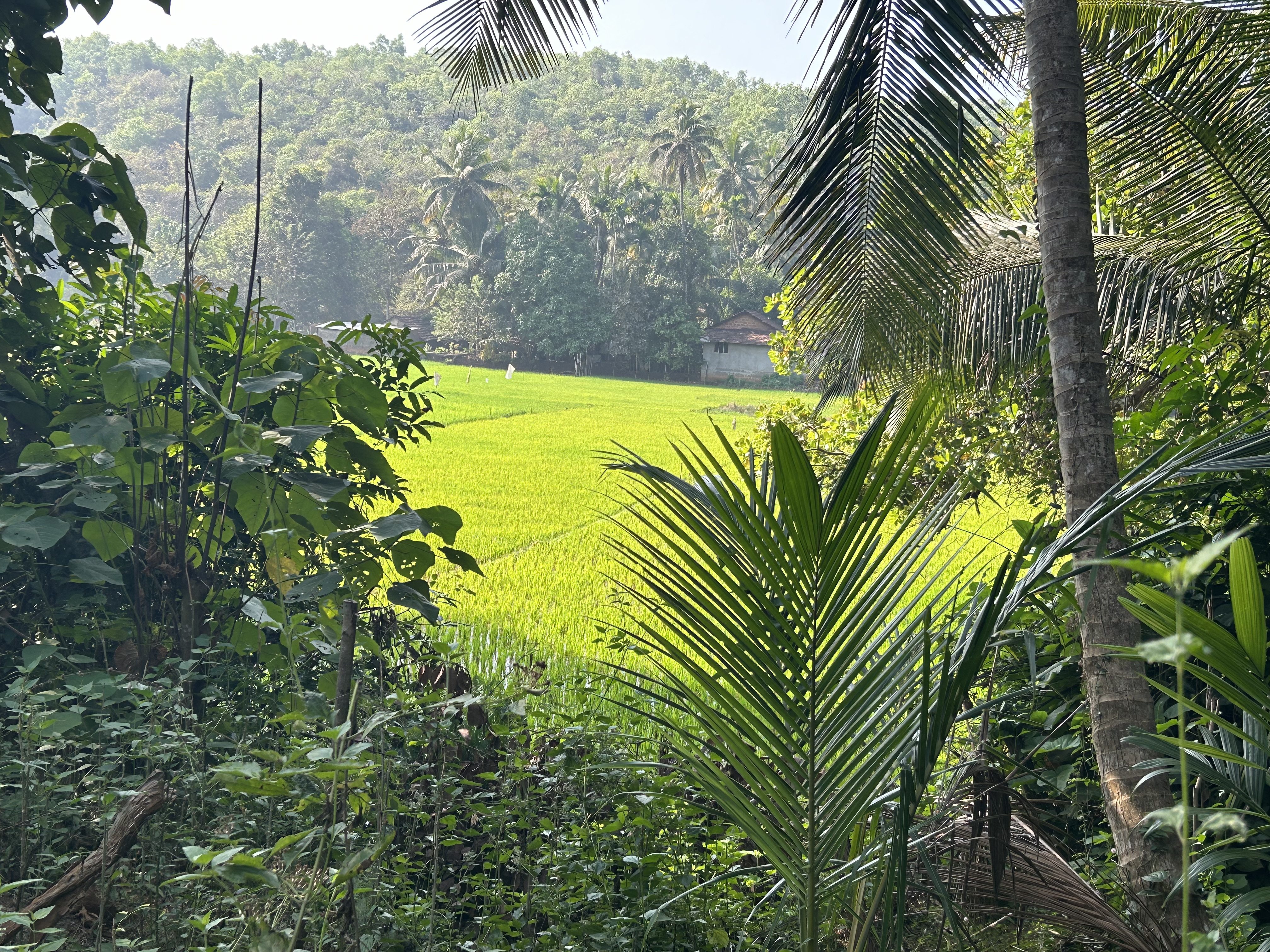
Our guide, Irish Tina a birdwatcher, became ecstatic seeing a pair pied hornbill. Shafts of light turned the jungle into  emerald green. 

In clearings, egrets and ibis flocked looking for insects.  

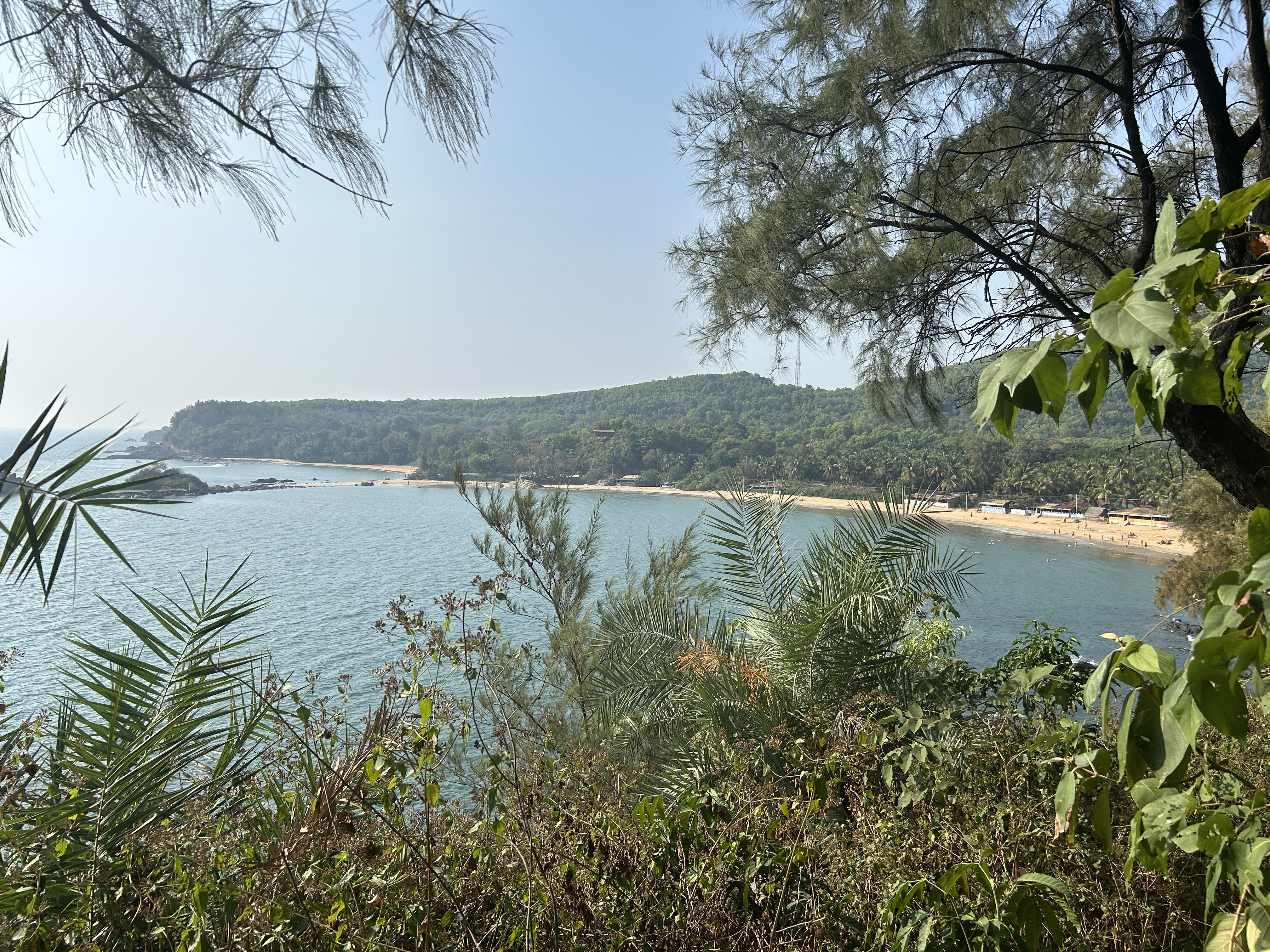
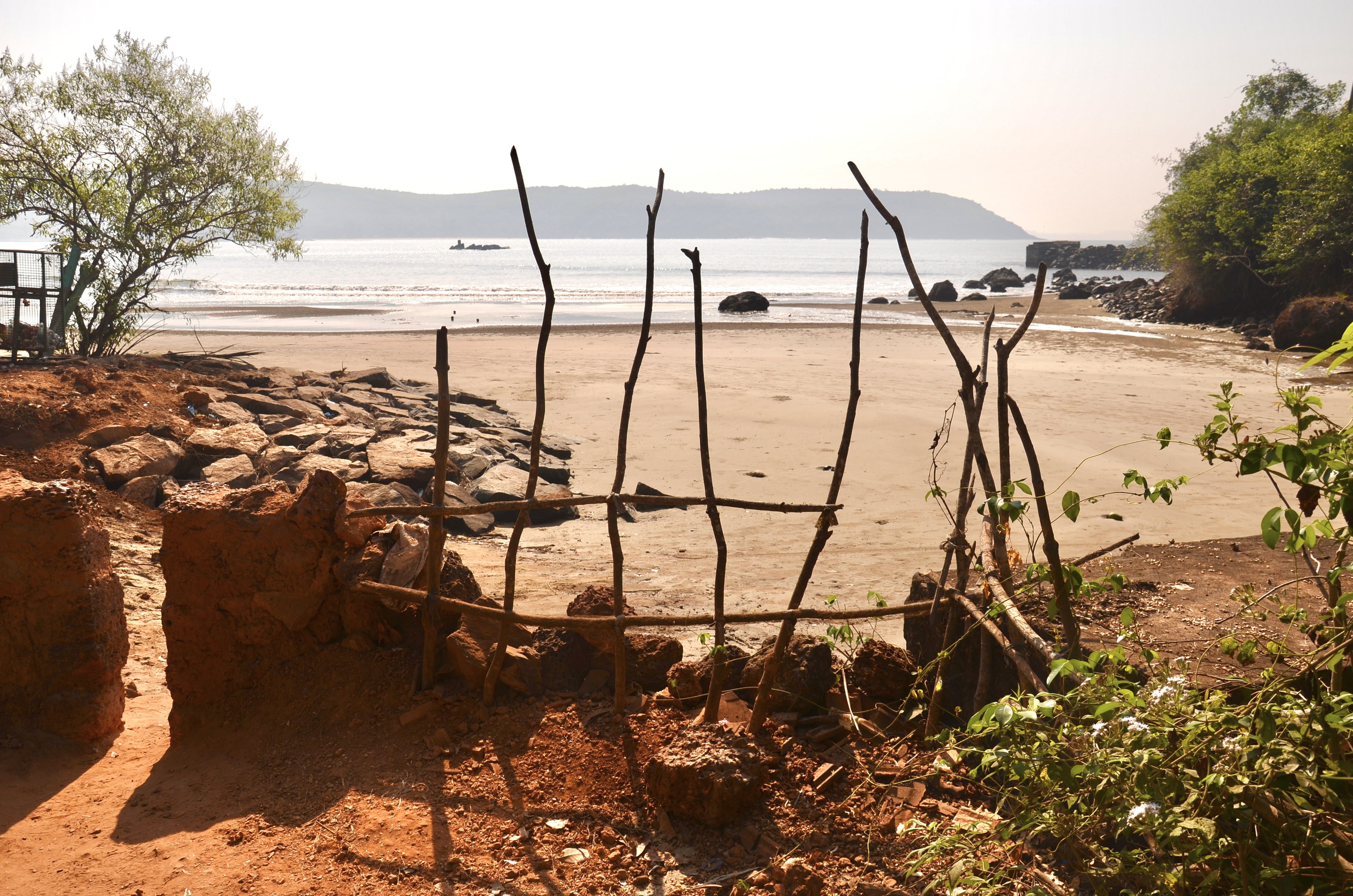
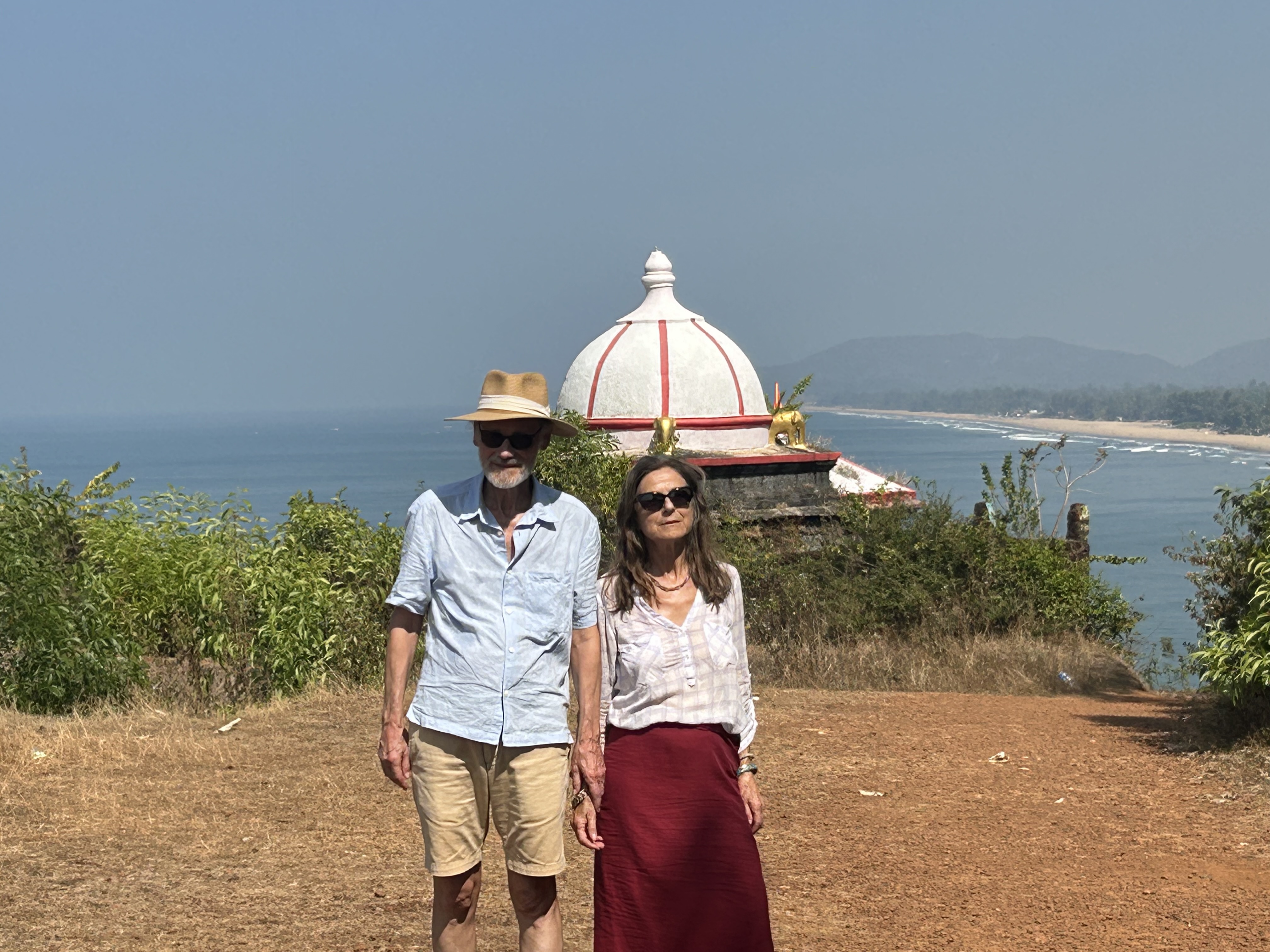
A few days later we walked to nearby Kudle Beach.  Only a short hike across the headlands to the small crescent-shaped cove. 

After a leisurely breakfast overlooking the still empty beach,

I took a solitary swim in my private lagoon, unaware of two dolphins doing somersaults behind me. 

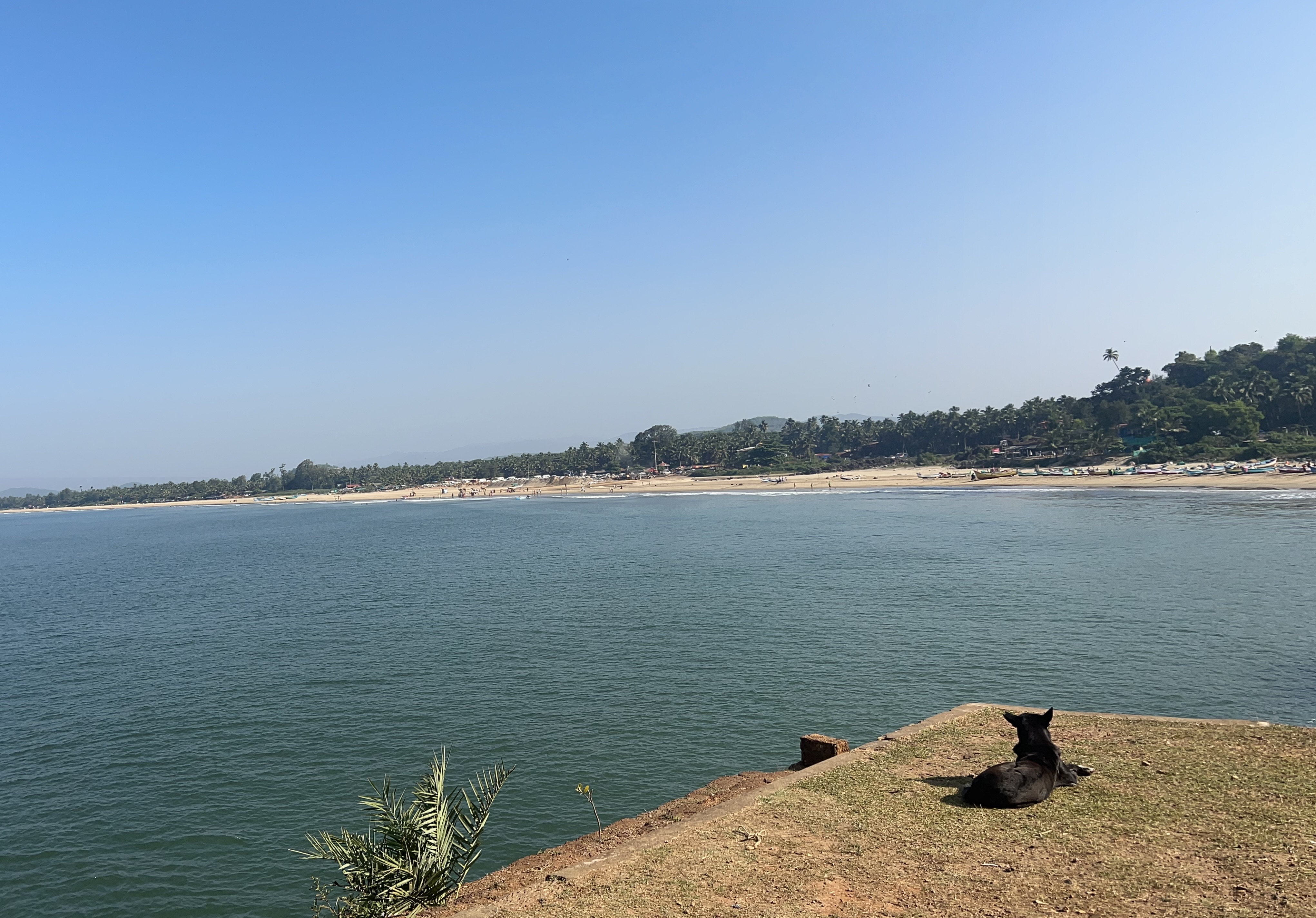
A hazy view of Gokarna beach

Yesterday we said goodbye to five friends: Marion and Juergen had to return suddenly to Germany after a  death in the family; Assuntina returned to England after a brief holiday from work, and Peter went back to Auroville. Both of us were sad to say goodbye hoping our paths will cross agin before too long. Coincidently, on the same day, our Polish/Czech friends Krystyna and Karel arrived for ten days. The last time we were with them was four years ago in Prague on our way back from India.

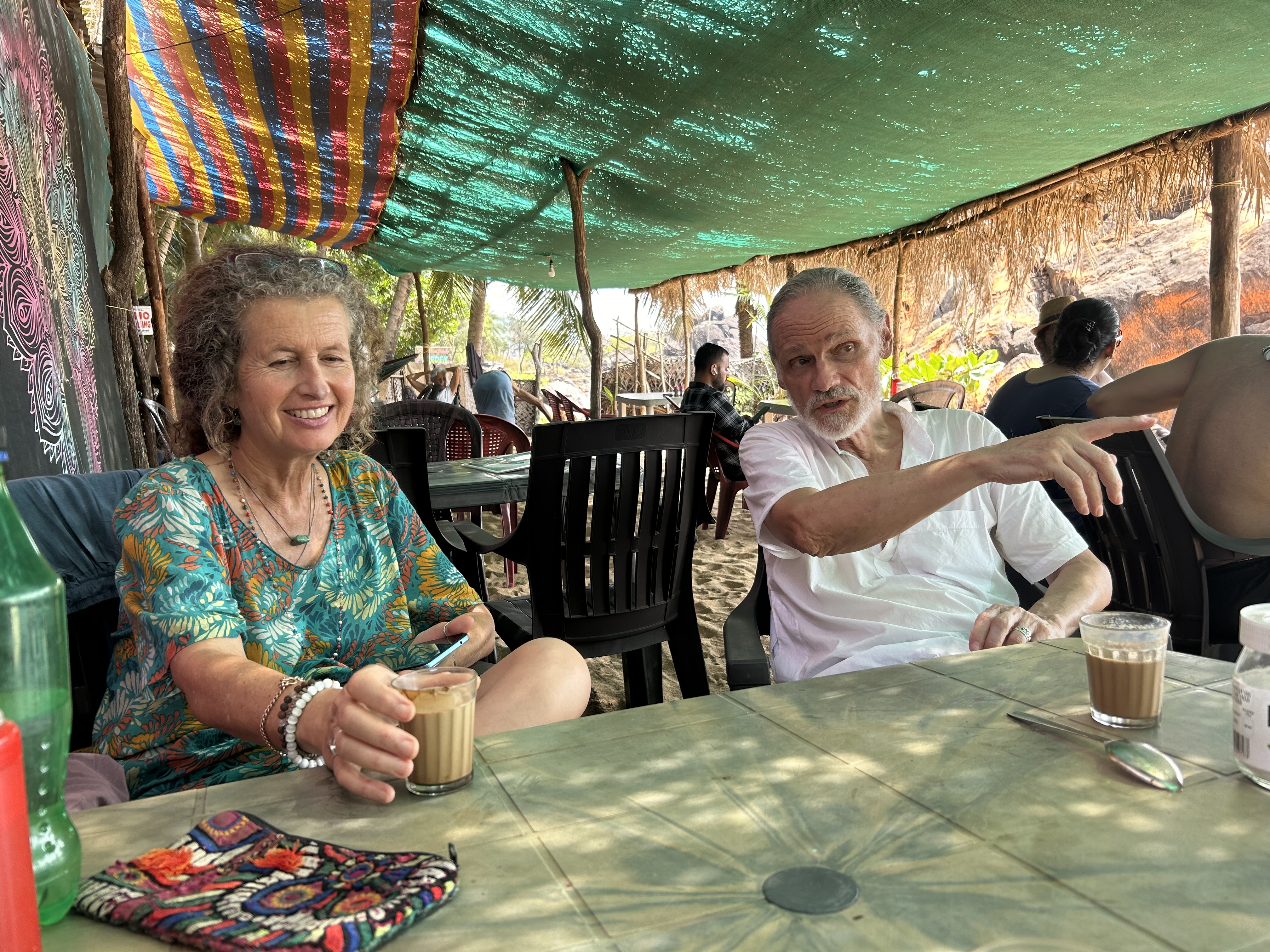
The New York Times is finally catching up with what we’ve known for decades.  An article The Case for Chilling referenced research on the value to our health of meeting with friends and simply do nothing which can actually improve relationships. Children naturally do this but adults create scheduled meetings, no longer comfortable with just hanging out. They may think just sitting around with someone is a waste of time unless it’s productive. In India, we enjoy plenty of unstructured time and I’ve finally learned to relax and give up being productive in society’s terms. I enjoy the spontaneity of sitting around in cafes, and chatting with a new friend.  For us there is value in sharing experiences with people from different countries and cultures. 

Russians remain the largest group of foreign tourists here in Gokarna.  And with the war with Ukraine , it’s hard to keep objective toward Russia.  We have made friends with two Russians: Olga in Nagar and Tatiyana in Agonda, but we generally find Russians aloof and dour-faced. Two recent incidents have made us less critical.  First, while waiting with Gerard at the ATM machine, a Russian woman approached me, pointing to a message on her mobile: ‘Please help me make an ATM transaction’ in large bold letters. Of course, I motioned.  A second message read, ‘My English is very bad’.  “As is my Russian,” I replied.  I walked her through the transaction and with gestures, she expressed her gratitude. That evening, we went to a tiny restaurant usually frequented by Russians. Waiting for one of the two tables, we had to sit down quickly before two large Russian women grabbed it.  Annoyed, they stood by looking very put out.  First, Gerard suggested, “There is space at the table out back,” motioning where a group of Russians sat drinking. “I don’t understand” He went back and pointed to two empty chairs and asked, “Free?”  “Da.”(yes)  Then Gerard took one of the women by the hand and led her to the table with their countrymen. “ Ahh!” she said. Fetching her friend, she gave Gerard a namaste with a huge smile. Maybe part of their attitude is because they don’t speak English.  But they’re still Russians! 

The Old Woman and the Sea

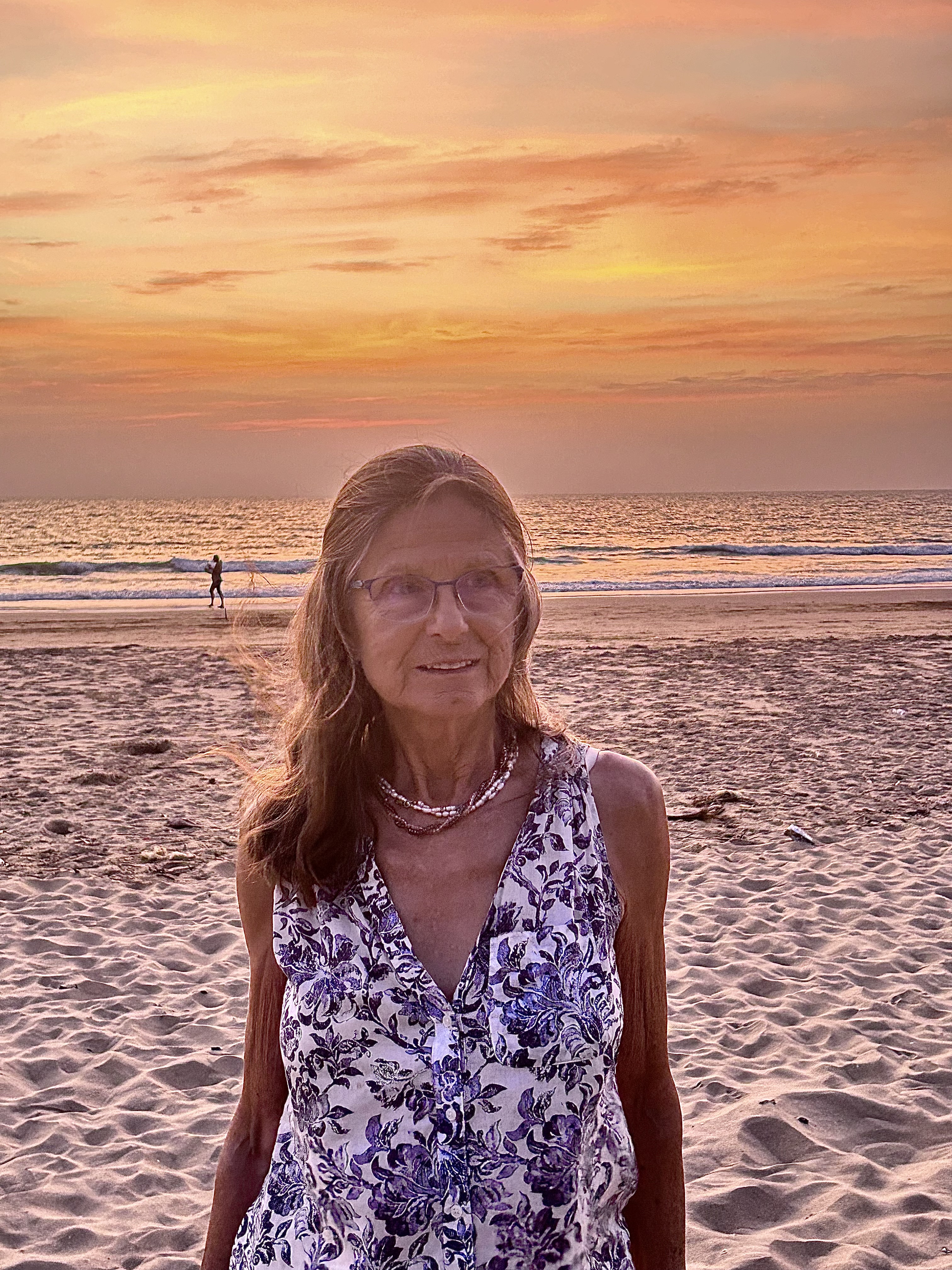
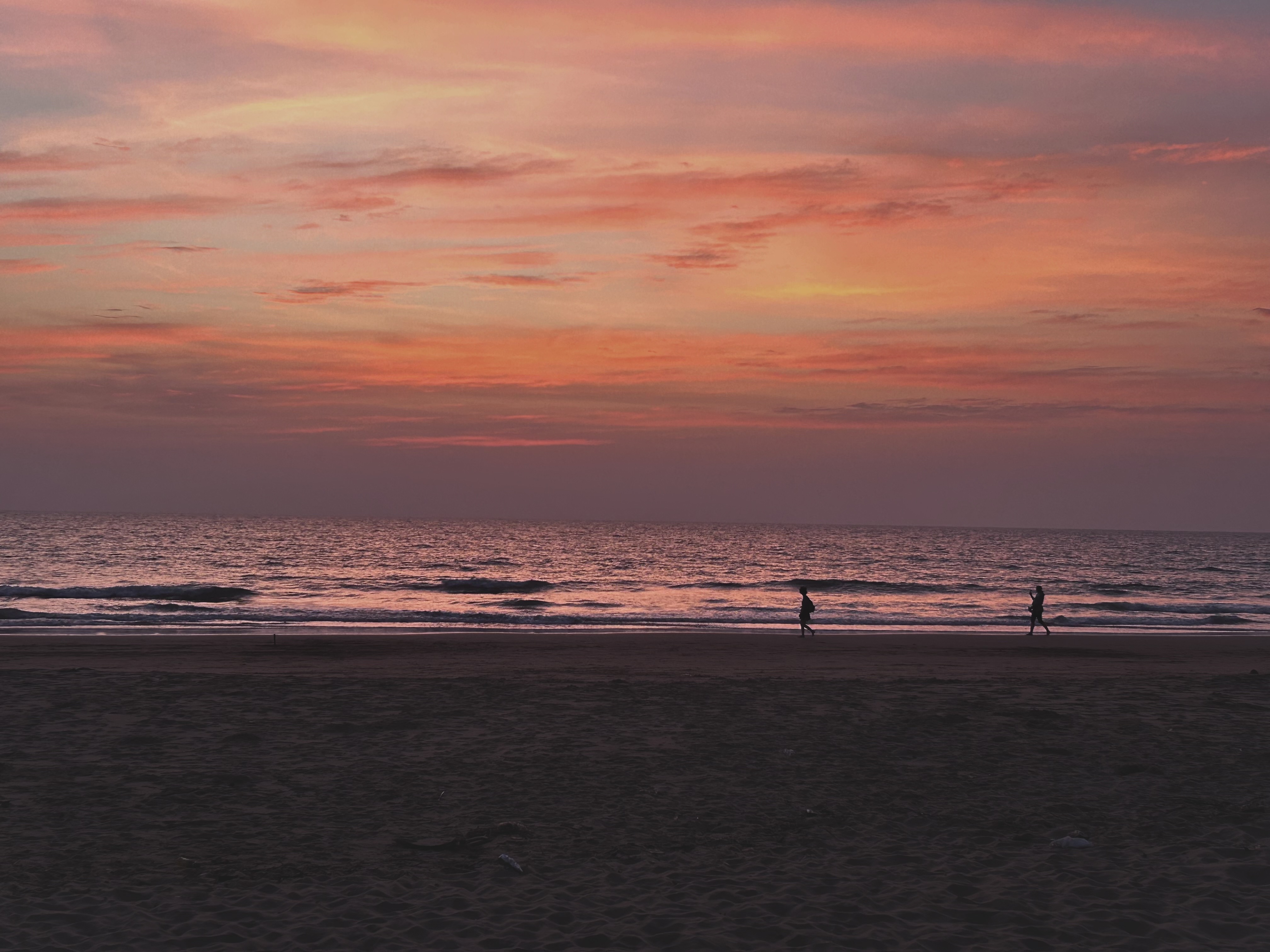
Here at the beach my life revolves around the sea. We swim every morning, in the afternoon I walk along the water’s edge (one swim a day is enough for my dry aging skin), and in the evening we go back to the beach before sunset for dinner at one of the restaurants there. I’m drawn to the sea like a magnet. Today there were high waves that made it too difficult for swimming, but I still had to play in the surf.  I share my love affair with other westerners who return year after year and now more Indian tourists are joining in.

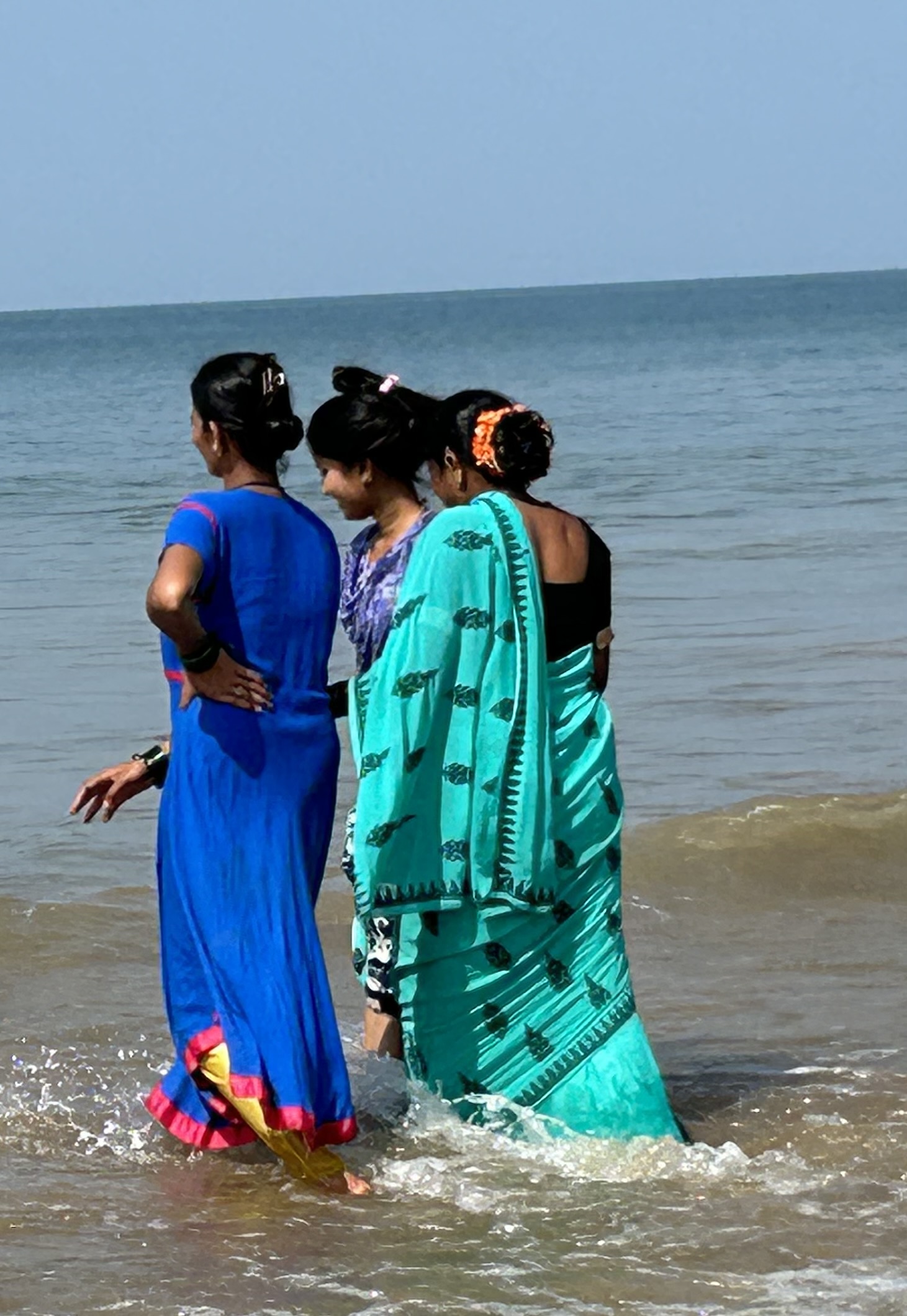
Even though they don’t generally swim, they love to splash around in the water fully clothed.  

A few days ago, a large water turtle was washed up at the edge of the sea. I knew it was dead because its head was fully extended from its shell.  But the turtle could only have died a short while ago because its scaly head and fins were still pristine. Later that evening I was relieved to see it gone.  I didn’t like to imagine this noble creature being picked at by birds or dogs.  

Last week, I was reminded about how dangerous the sea can be.  A Russian woman out swimming by herself ran into a boat. No one knows if it was a fishing boat, pleasure boat, large or small.  Her face was badly cut but there was also fear of brain damage and she was taken to a Goan hospital.  The strange thing was even though she’d been coming here for three years, no one knew her. The Russian living in a hut next door accompanied her to the hospital but didn’t even know her name.  

Marion and Juergen have arrived from Germany. They’ve  been in the country for two weeks, and have a nightmarish story of sickness. They had just arrived in Mysore when Juergen had what seemed to be a heart attack. They went to the hospital and he was kept for several days while all kinds of tests were done.  Fortunately there was no evidence of a heart attack, but no conclusive explanation.  And of course quite a large bill.  All too familiar to Gerard’s mysterious heart episode last summer.  

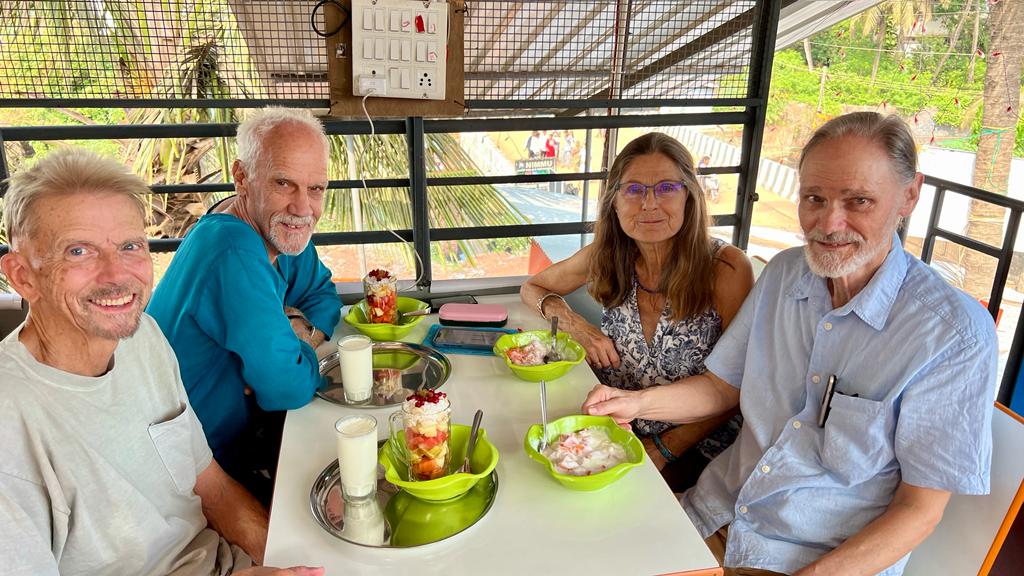
Frank, Peter, me and Gerard

Peter, our friend who lives in Auroville, has arrived to stay for a week. He came with a long time friend who had never been to India before but in a few months was covering a lot of the country, from Kashmir in the north, to Kerrala in the south. They’re staying at the far end of the beach from us. A beautiful spot, but too rocky for swimming.  Looking back down the coast to where we are staying, I was impressed at the long and relatively empty beach. 

The opportunity to talk with women one-on-one offsets the hearing difficulties of loud India.  Assuntina, a friend of Marina’s, is here for ten days and we walk the beach together in the afternoon. I tell her I’m too dependent on Gerard since my hearing loss.  A social worker, she suggests I begin taking measures now in case he dies before me.  I give serious thought to her advice.  But when I see her again she tells me she had worried she’d gone too far in talking about Gerard dying and upset me.  I welcomed her encouragement for me to contemplate Gerard’s death, or my own for that matter. At the cafe, I approach Iris an elderly lady from Germany, who I’d notice wears hearing aids. When I question her on how she deals with traveling here alone, she assures me, “Of course you could manage too!  I saw you talking with a woman,” and she motions over to Assuntina.  “Yes,” I say, “ but I was doing all the talking; it was a one-way conversation.”  Even at the beach, it’s a noisy world but I’m glad I’m here. 

Photo by Marina

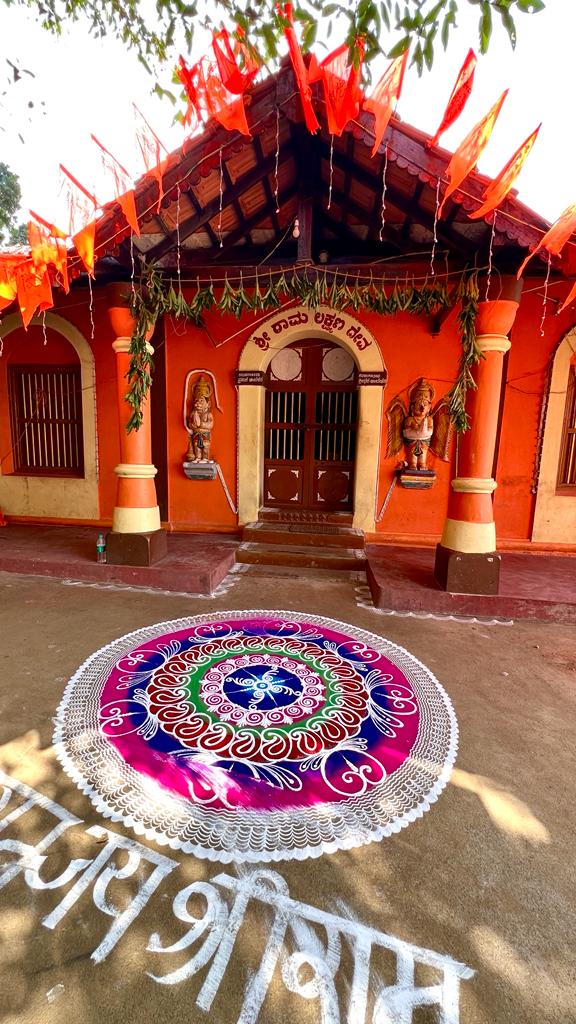
Ram Mandir

The other day we chose not to go into town because the Hindus were celebrating the consecration of the new Ram Mandir or temple built on a long-disputed site between Hindus and Moslems, in Ayodhya, northern India. You may have already heard about this since the national media gave it quite prominent coverage.

The Hindus believe Ayodhya is the birthplace of Ram, a major Hindu deity, and considered a Supreme Being. After Mogul rulers destroyed an earlier Hindu temple back in 1528, they built Babri Mosque on the same site. In 1858 waves of communal rioting for the site began, culminating in 1992 when Hindu nationalists destroyed the mosque. Then in 2002, 58 Hindu activists returning from Ayodhya were burned to death when their train was set on  fire in the state of Gujarat. Days of brutal violence were unleashed that left more than 1,000 people dead, the majority of them Muslims. Narendra Modi, chief minister of Gujarat at the time, was accused of complicity by allowing the Hindu groups to carry out the revenge and turning a blind eye to police involvement. Modi denies any wrongdoing.

All too nationalistic for our liking. And how did the country’s 200 million Muslims feel? Not to mention the Buddhists, and Christians that also inhabit India? How can Modi’s slogan ‘1.4 Billion One Dream’ apply to a subcontinent as diverse as India.

The following day, we were in the local chai shop when we overheard an animated conversation between a distinguished elderly gentlemen and young man.

Both agreed that Modi’s Ram is quite different from Mahatma Gandhi’s Ram. The young man accused the BJP of mixing religion and politics and exploiting the wave of religious sentiments for maximum electoral gains. The BJP has harnessed Hindu people’s devotion towards Ram and weaponized it,” The older man agreed and quoted Gandhi saying, by Rama Rajya (Kingdom) he did not mean a Hindu state. What he meant was the rule of God, where the weakest would secure justice.” The young man continued with: “For Gandhi, Ram was not an angry god, but a symbol of benevolent divine power.”

Gerard and I are disturbed by the drift globally toward extremism on the right, as personified by Trump, Putin, Netanyahu,. Orban and Modi. We are living in a strange time.

Gerard and I are disturbed by the drift globally toward extremism on the right, as personified by Trump, Putin, Netanyahu, Orban and Modi. We are living in a strange time.