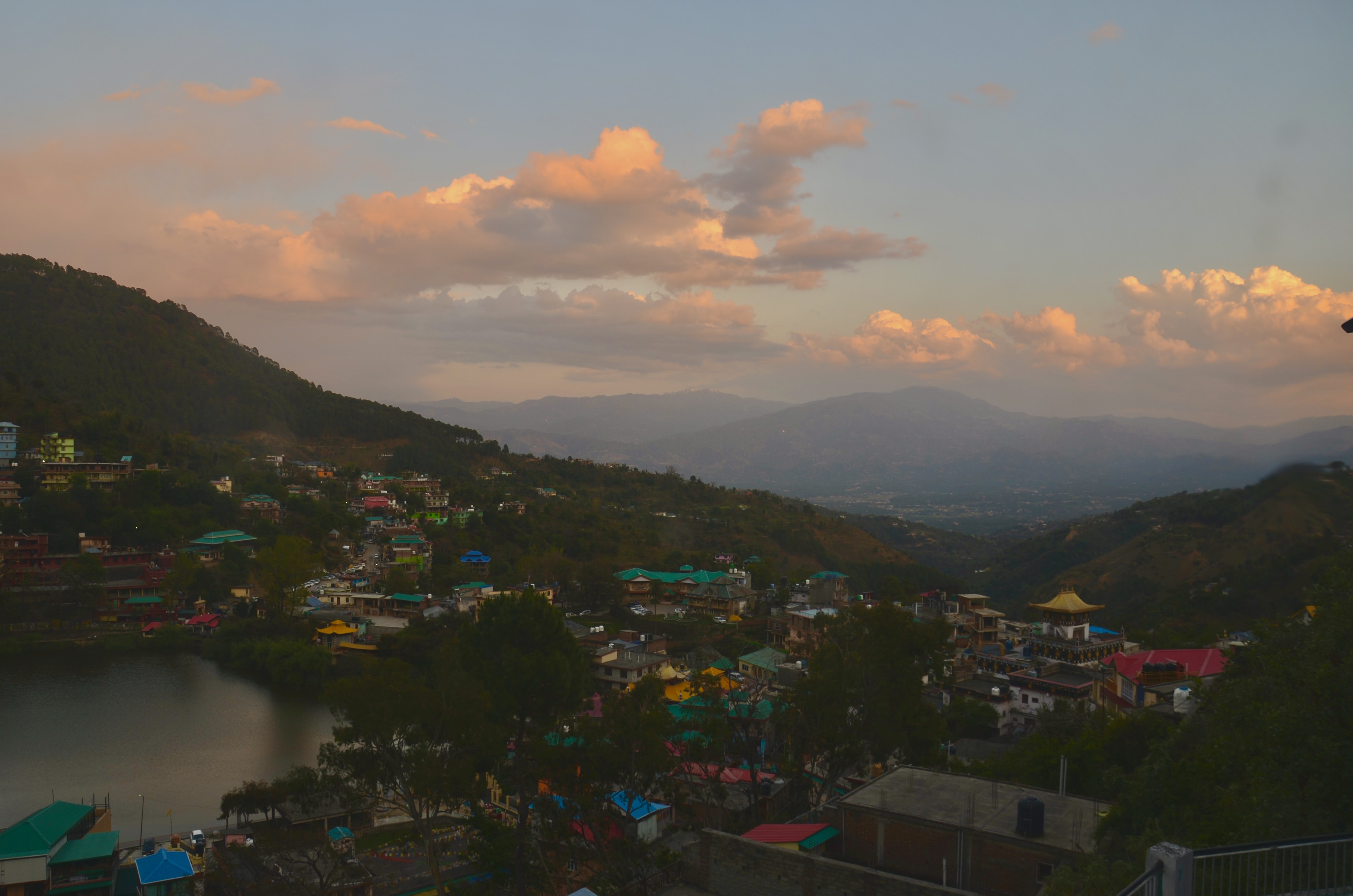
Near the end of the Kullu Valley…and our trip

“I’ll drive you up to Rumsu,” said Manju, the sweet young woman who serves us breakfast every day at the roadside restaurant she runs with her father and sister, and who we’ve known for many years. “If you take us up, we’ll walk back.”
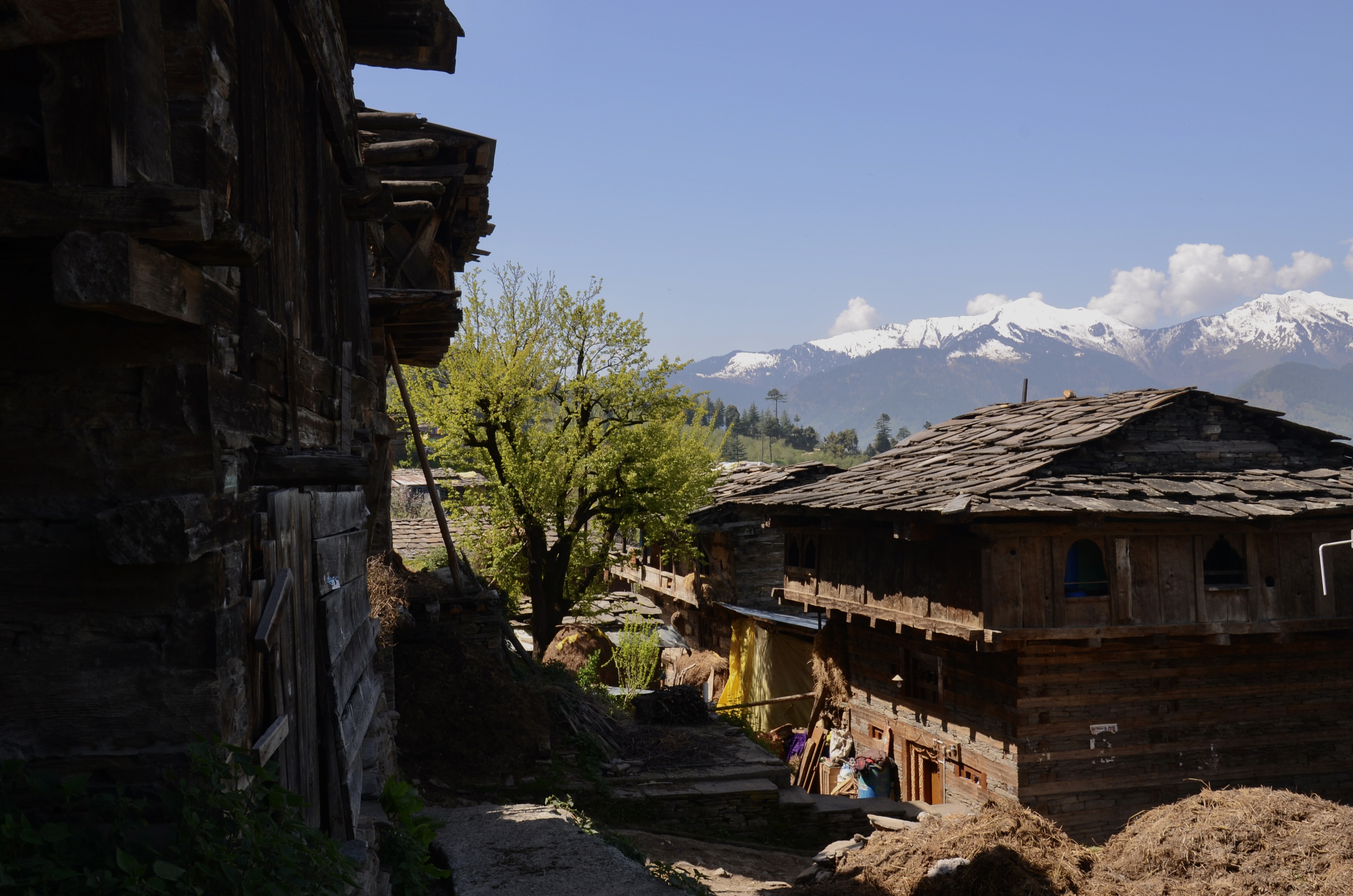
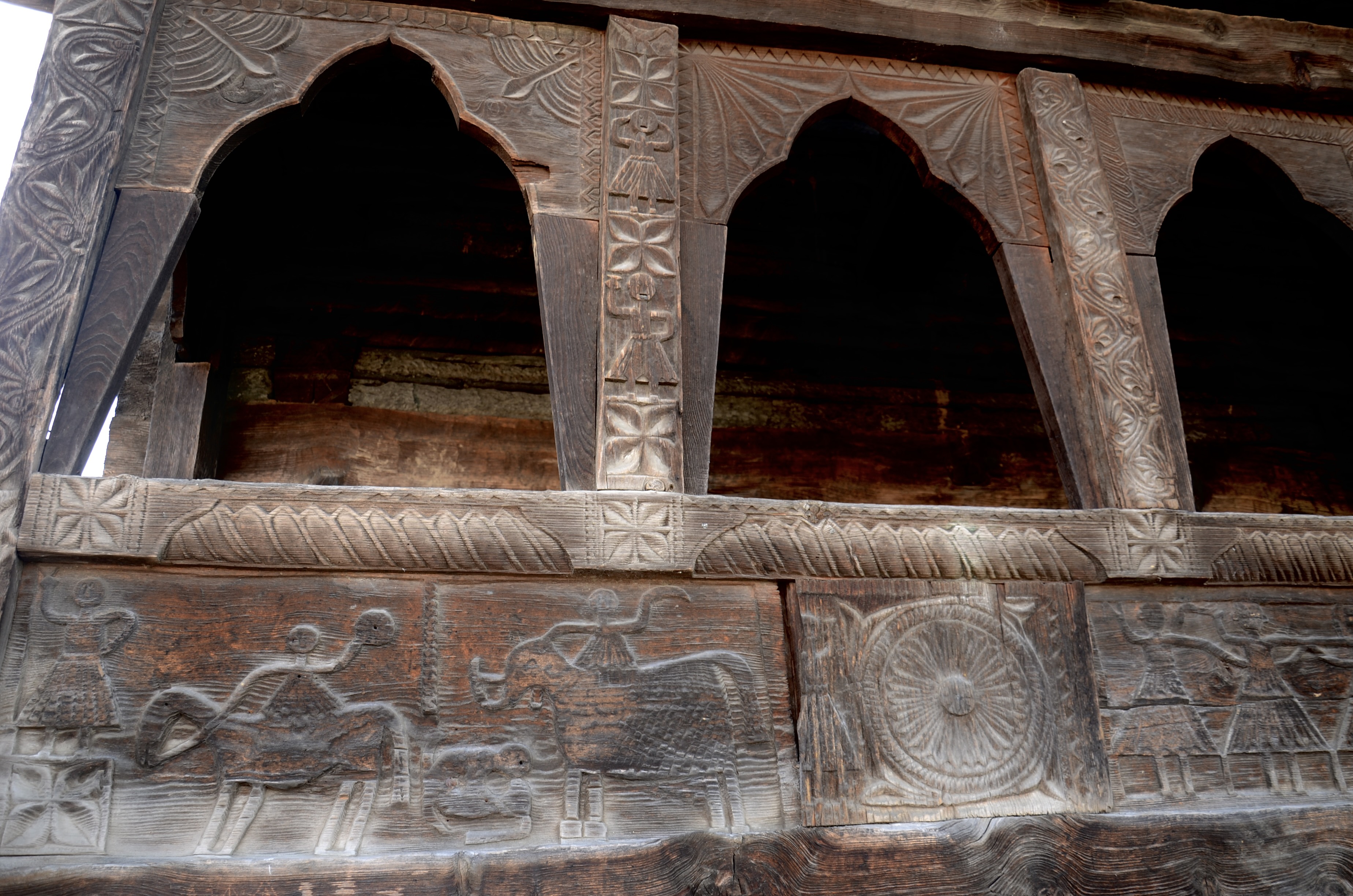
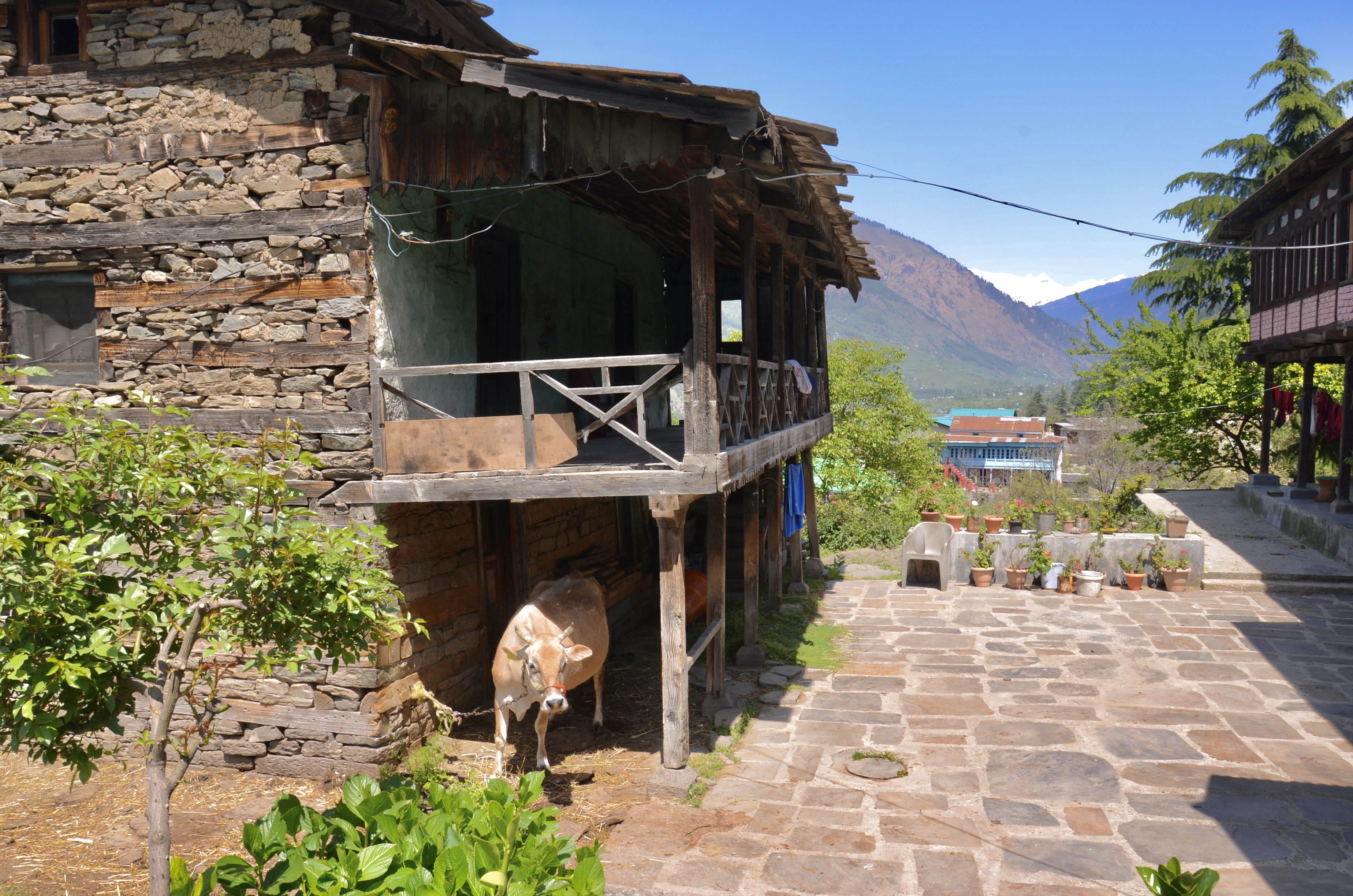
Up the mountain side, Rumsu village soars 7,215 feet into the sky, and is primarily made up of buildings built in the traditional style. Only recently has the jarring effect of modern construction encroached on the pristine village.

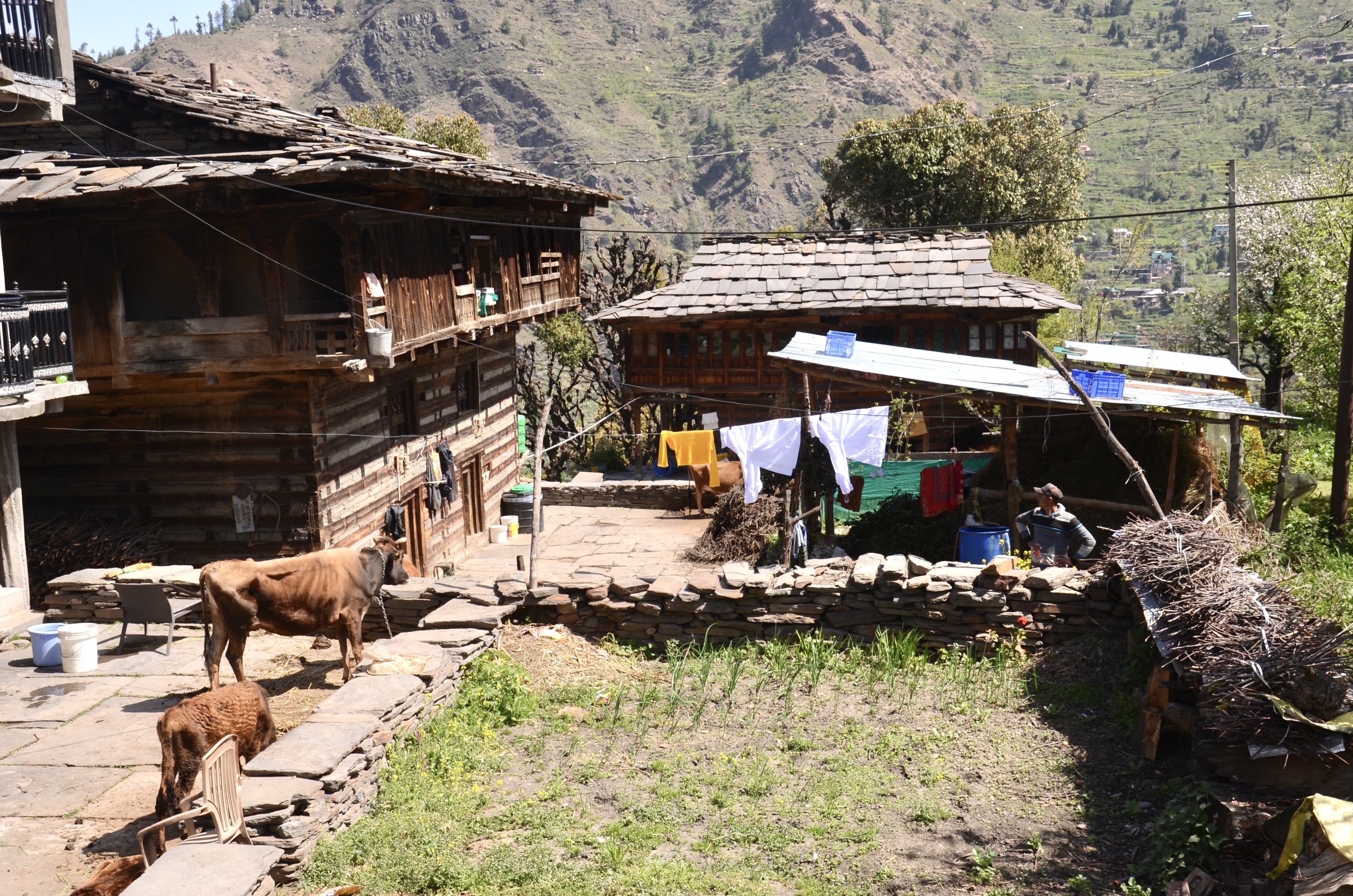
After walking around Rumsu, we strolled through the countryside to the next village.

Looking for a landmark temple, we stopped beside a prettily painted house to ask directions. The girl spoke perfect English and directed us. “And how about a chai shop?” I asked, always looking for tea. “Why don’t you come and have tea here?” She didn’t need to repeat herself.

What followed is one of the reasons we love coming to India. As tea was served, her father emerged a gracious man, who’s recently retired and was visiting. We chatted in the garden for over an hour, Mohini is from Bangalore and after ten years at Jetpack (an Internet security co.) she decided to leave the business world, move to mountains and run a guesthouse, with trekking.
On hearing we intended to walk down to Naggar, they insisted dropping us on their way to Manali. Gerard happily accepted! With six of her friends, and her father, we squeezed into the car and bumped down the winding rough road to Naggar. By the time we finally reached the bottom I was glad of Gerard’s decision. How smoothly our visit to Rumsu worked out: we had a ride up and a lift back, saving Gerard from total exhaustion.

The weather forecast predicted several days of rain, making us question if and when we should continue further on to Vashist. Maybe a day trip would help us decide. It’s a wonderful bus ride along the side of the valley As we pulled into Manali, the throng of traffic and people was in sharp contrast to Naggar. The rickshaw drive up to Vashist was slow and tedious, the narrow road clogged with holiday makers.
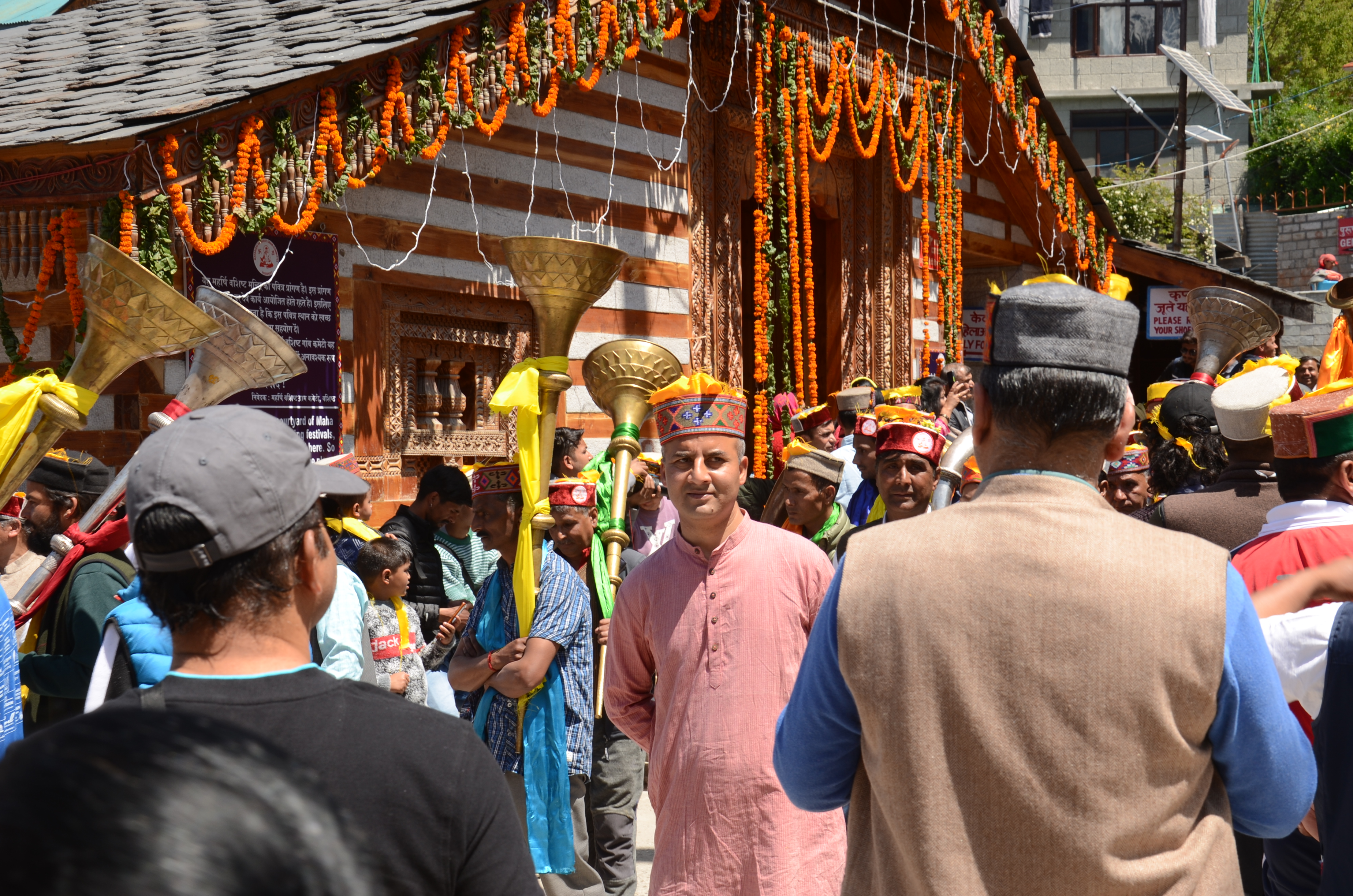
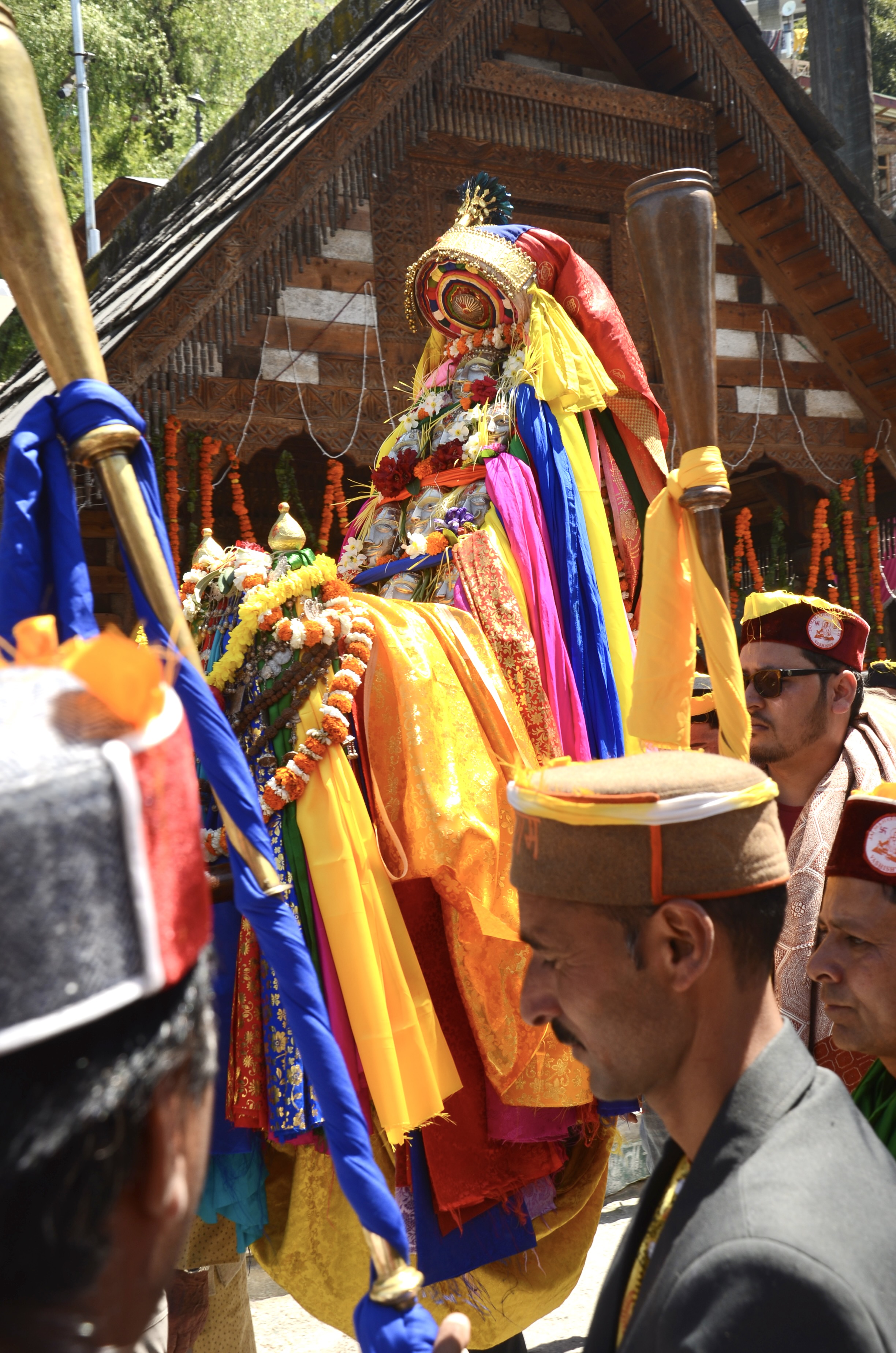
Where the road ends at the temple, we were met by throngs, taking part in parading the local goddess. We’ve seen this ceremony many times and we still get caught up in the excitement.
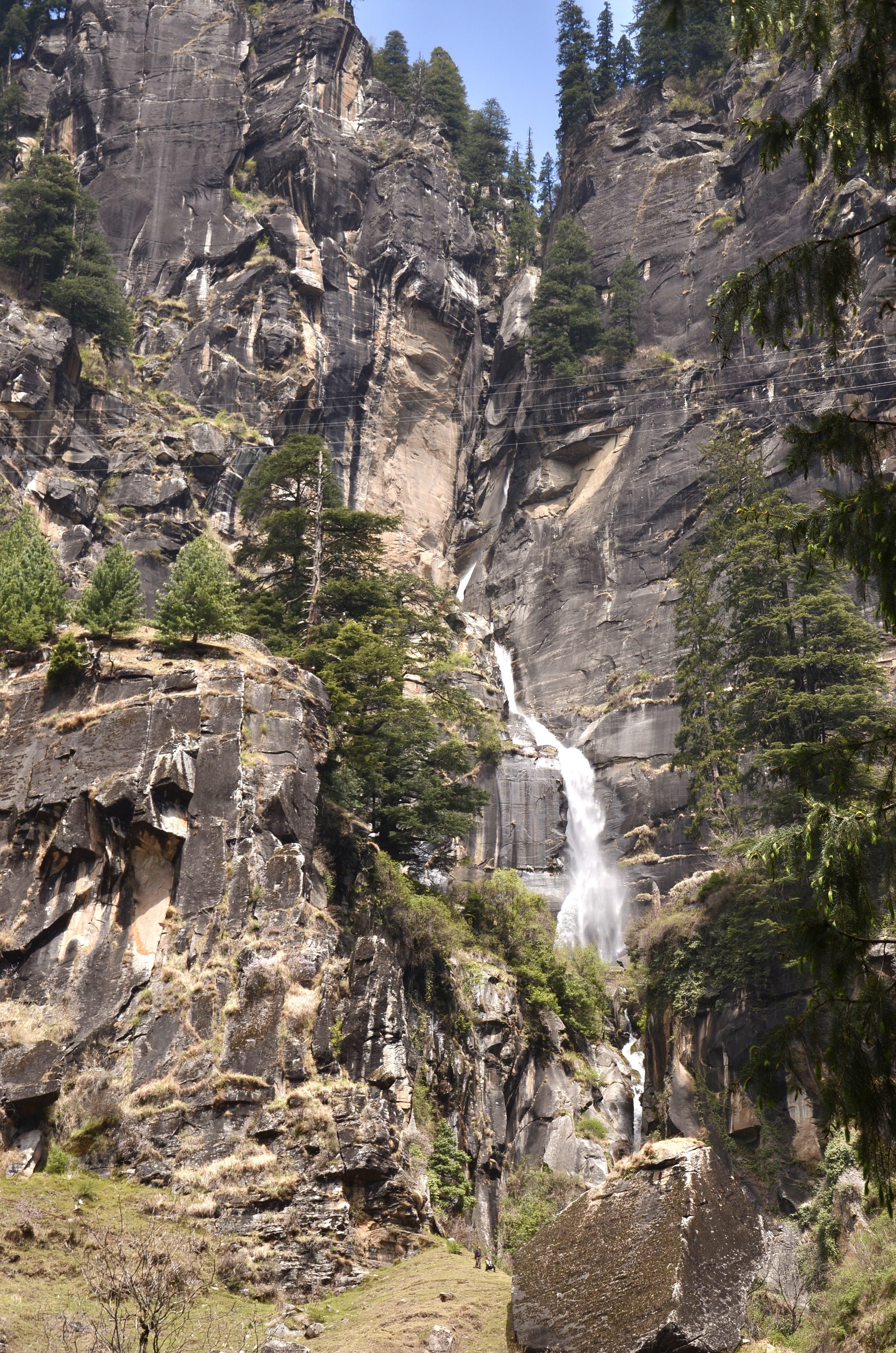
We stayed in Vashist long enough to walk out to the waterfall—a beautiful path, winding below the mountains, through woods, and orchards—was so crowded with Indian tourists, we walked almost in a crocodile. That did it! We decided we were not going to stay in Vashist.
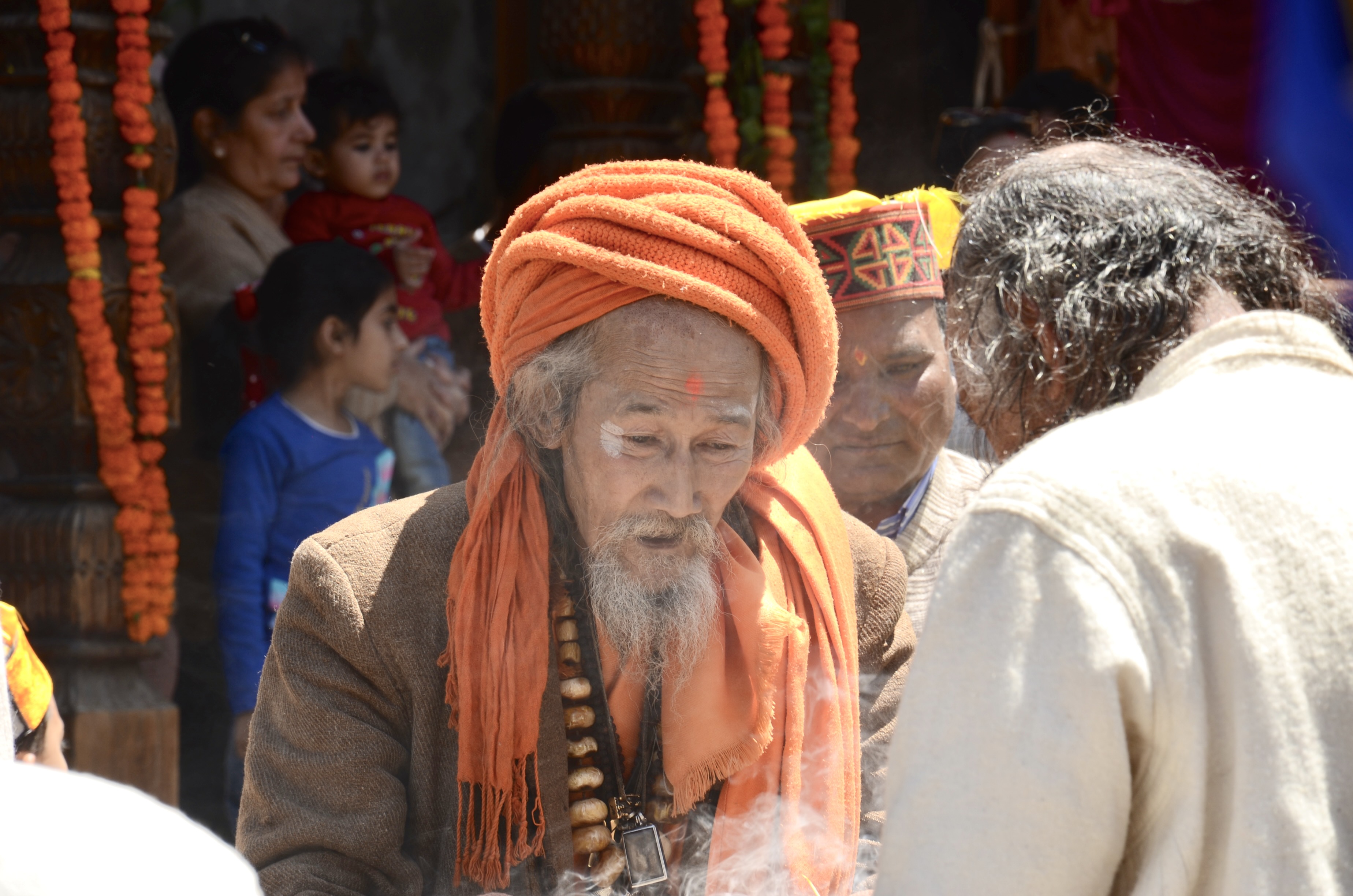
Back in town, we had a good meal at the restaurant that has been run forever by a husband and wife team. Gerard had a long conversation with their adult son, discussing the changes in Vashist and his experience during covid. Lockdown was only about a month and there was very little sickness. He attributed this at least in part to the local shaman walking around town chanting a mantra.

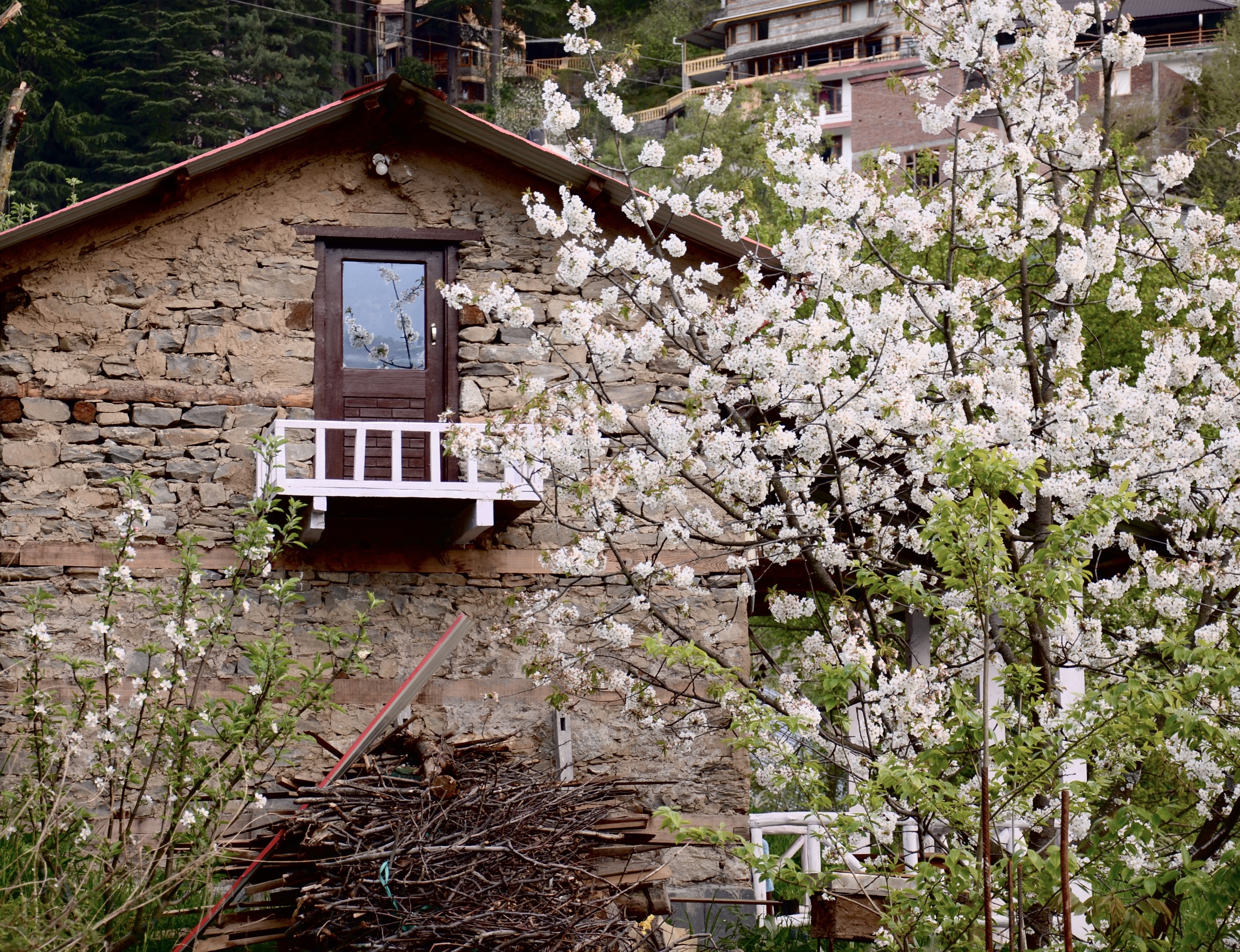
With all the walks in and around Naggar—down into the old village, up the mountain side to hidden temples, through forest and apple orchards in bloom—the decision to remain was easy. We have our comfortable room of many visits, with the Balla family and Manju and her sister Neetu serve us very good meals at their Sharma restaurant.
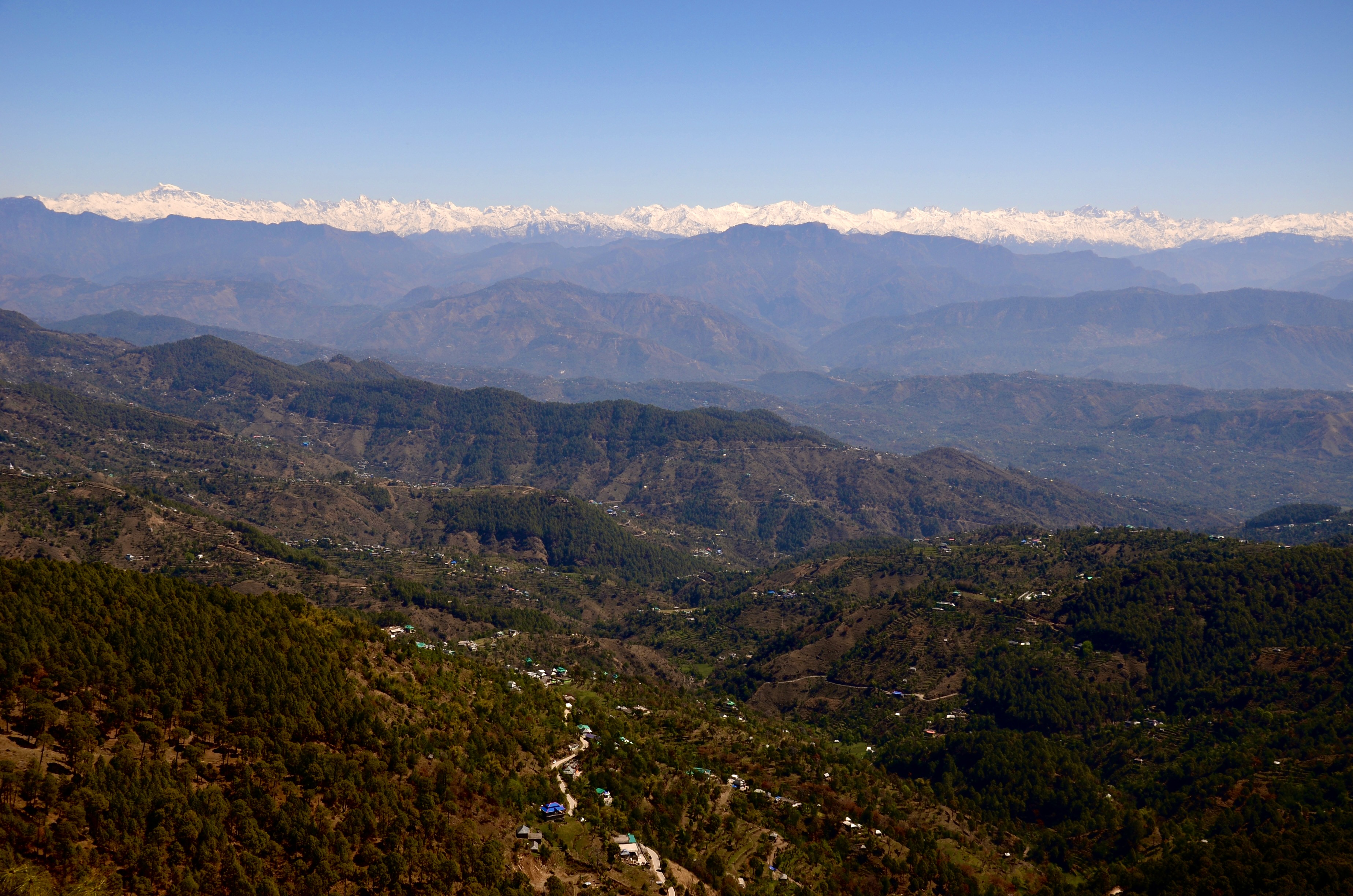
Waking up each day to a view of the snow capped mountains, I feel I could stay her forever. Or did, until the weather intervened and our stay ended with three days of continual rain!

A Russian woman appeared one day at breakfast in the restaurant, and she was more than willing to talk. Since we arrived in India, Gerard has wanted to have a conversation Russians, to get their perspective. But every attempt he made failed; they wouldn’t even make eye contact. Although Olga has lived outside Russia for many years, we were enthralled to listen to her stories of growing up in communist Russia and how people adjusted to the Soviet Union collapse. She admitted that she was not a typical Russian woman.
Soon we’ll be on the overnight bus back to Delhi, starting our return journey home. I thank my tour guide for another particularly good three and half months. The agenda included no new discoveries, but revisiting places we’ve grown to love. Familiarity meant less hassle and being able to maintain our daily meditation schedule, but yet there was always an element of fresh experience. We met old friends, and also made new ones. Four years older, we were both aware of changes in ourselves—physical limitations and contentment to stay put longer in one destination. But the biggest change is in our environment – India’s explosive population growth and related new building construction, traffic congestion and pollution, even in remoter locations. Time will tell if we’ll return.
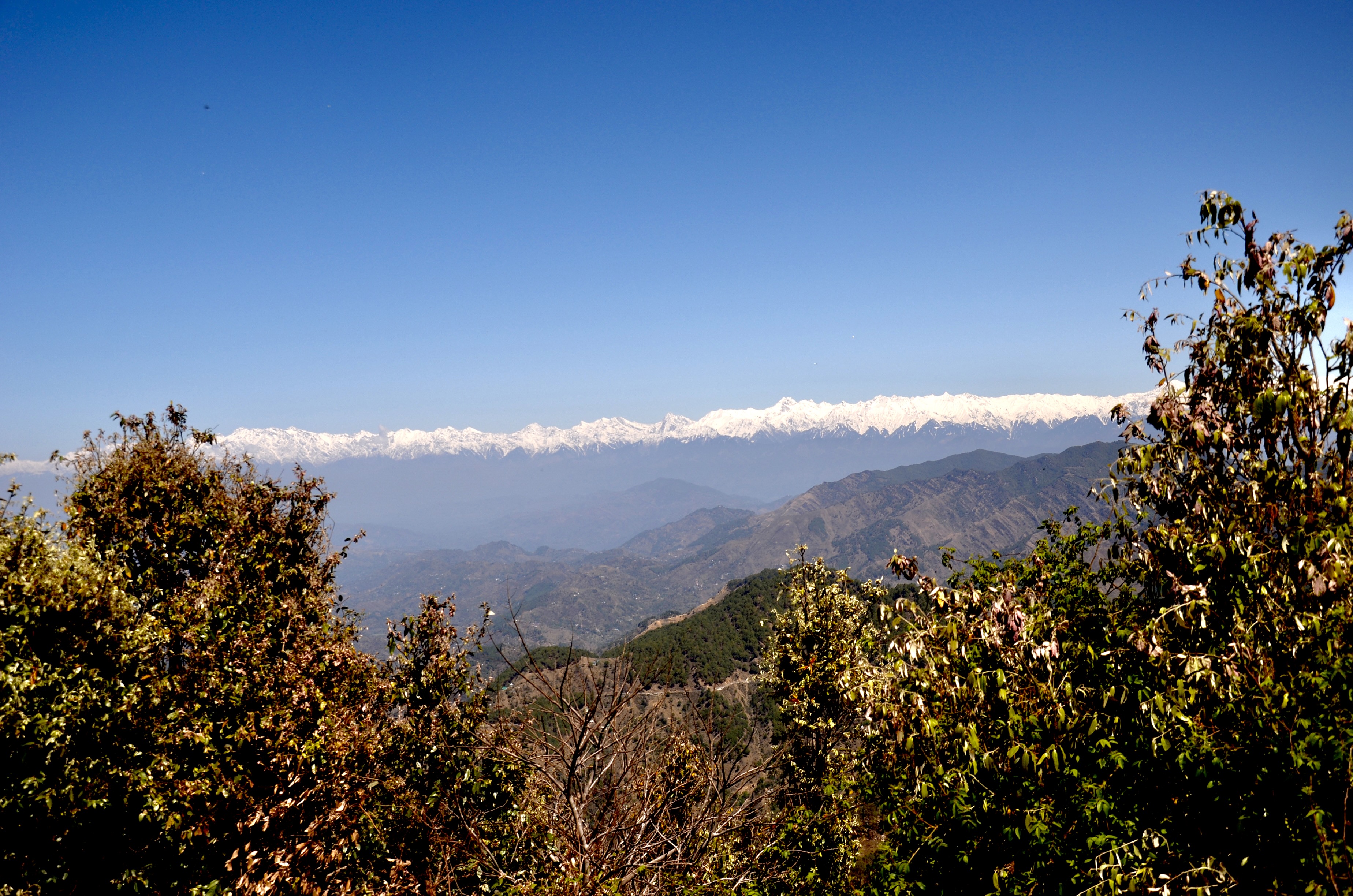
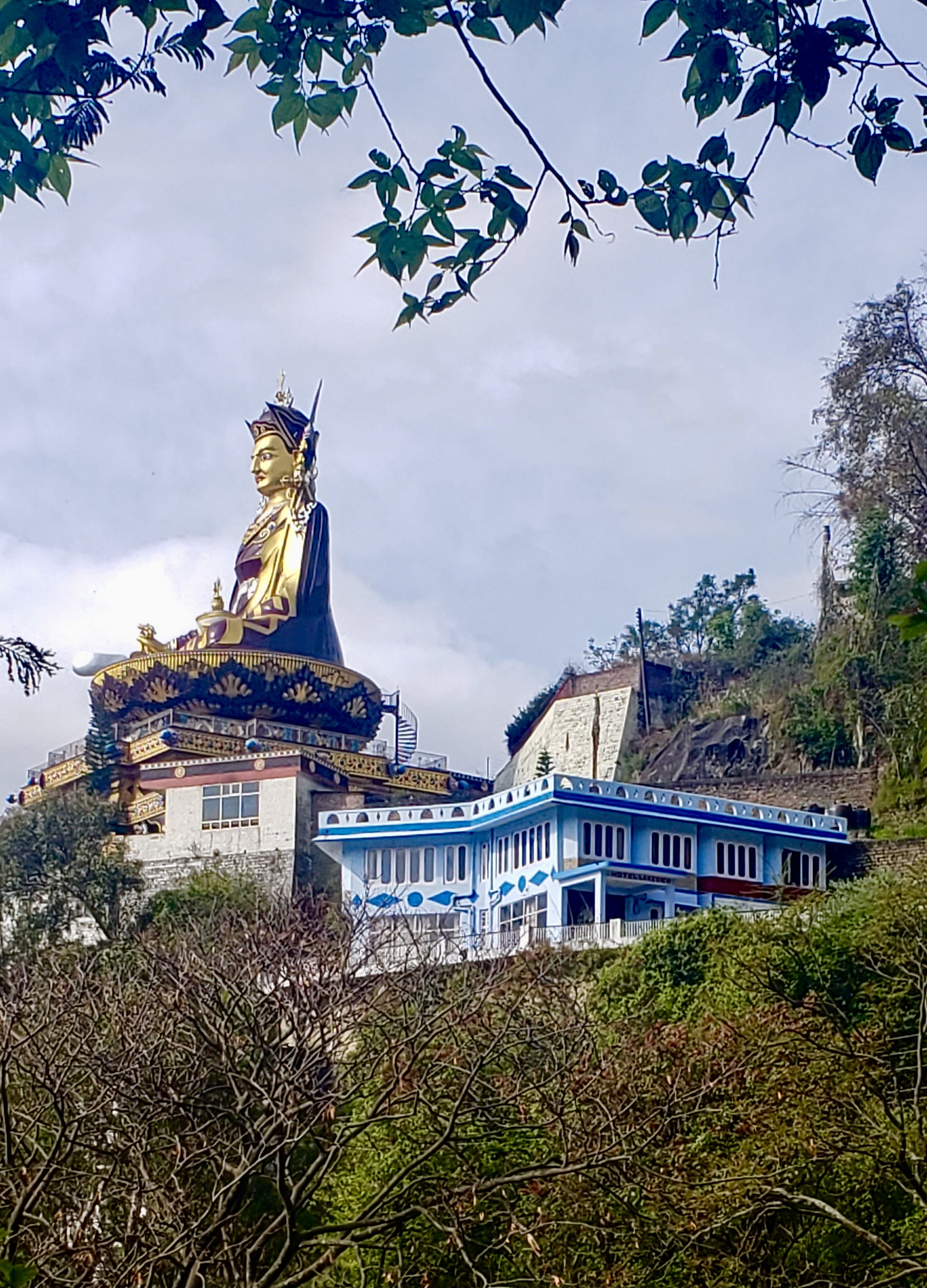
Room with a View

The overnight bus ride from Delhi to Mandi was surprisingly smooth. A new bus left on time. We stopped for dinner at an all veg restaurant and arrived at 6.45 am. As we jostled our way up the hillside in the local bus, the sun rose and the mountains were clear. After Katmandu and then Delhi, the air felt unbelievably fresh and clean.

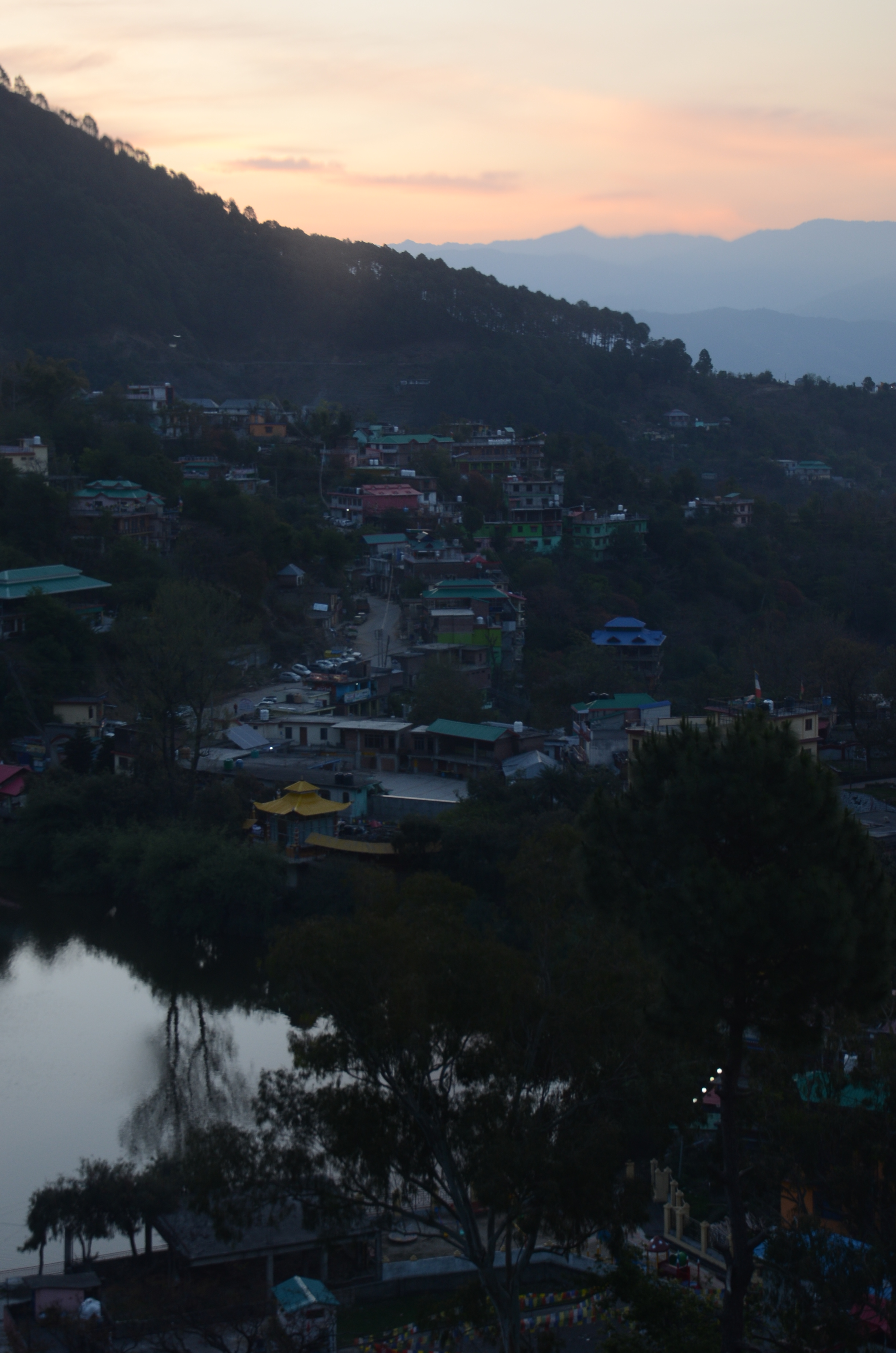
Our legs could no longer take the steep climb up to our previous lodging with its spectacular view of the town. Lakeview Guesthouse on the opposite side of Lotus Lake, and gave us an equally stunning view, with less effort. But as usual at this time of year, by noon the mountains get obscured by the rising mist from the valley obscuring the mountains. The guesthouse happens to sit beside the huge statue of the Buddhist Guru, Padmasambhava, who took Buddhism to Tibet and is recognized as the second Buddha. The statue was consecrated by the Dalai Lama in 2012.

The town has changed little. Some new building but mostly on the perimeter. As before, only a few westerners are here to practice Buddhism. We asked how it had been during covid. The locals gave it little recognition; lockdown was only two or three months, and very few were sick.

As we sat eating our aloo parathas (fried chapatis stuffed with mashed potatoes and spices) the small restaurant was filled with a cross section of this town: Tibetan Buddhists, Hindus, Sikhs–and ourselves. We can’t think of another place with such a diverse population, exemplifying that people actually can get along. Rewalsar’s spiritual significance for the Hindus is that the Pandavas from the Mahabharata supposedly came here; for the Sikhs, Guru Gobind Singh visited to consult with the king of nearby Mandi for support against the Mughal Emperor Aurangzeb. For the Buddhists there are several legends, one that Padmasambhava was burnt alive by the king of Mandi because his daughter was visiting the Guru for spiritual guidance. The spot where he was burned turned into Lotus Lake.

Our guest house owner invited us for lunch, and we sat in his room and talked over tea afterwards. He’s lived almost his whole life in Rewalsar. At 15 years old he asked his mother why she went to the temple. To worship Shiva, who will give you everything. This started him down the road of questioning who he was and why he was here. Now 66 years old, fit and healthy, dressed in spotless white Punjabi shirt and pants, he sat in yoga pose on his bed. Beside him was a small altar, including a picture of his Buddhist Master, the Hindu book of the Vedas lying beside it. He’s an interesting man, but the conversation became one sided. In fact, it wasn’t a conversation and after three hours we excused ourselves.

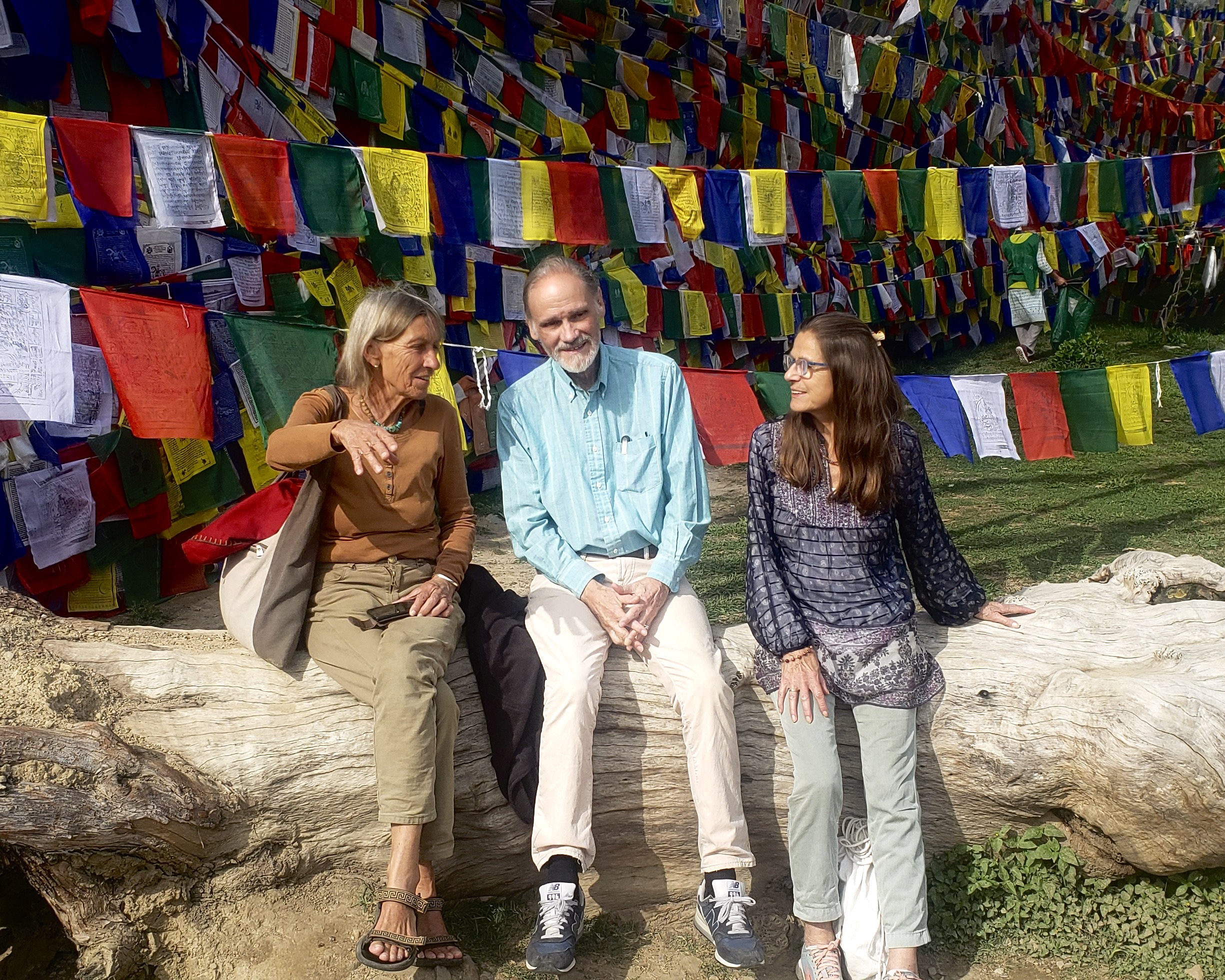
Our friends Marion and Juergen, were already here and as before, they took us hiking. We hadn’t walked as far since we accompanied them on a “walk” back in Gokarna. But this time it was a climb up the mountainside. We clambered up to a shrine where a wedding happened to be taking place. A band played, people danced for a short while and then it was all over. They got back in the cars and drove back down the mountain road.

Following them, we found a tea shop and were lucky to catch the local bus back to town. Just managing to wedge ourselves in, standing in the doorway and clinging on to anything available; it’s a clear indication of how many hill people depend on public transportation.

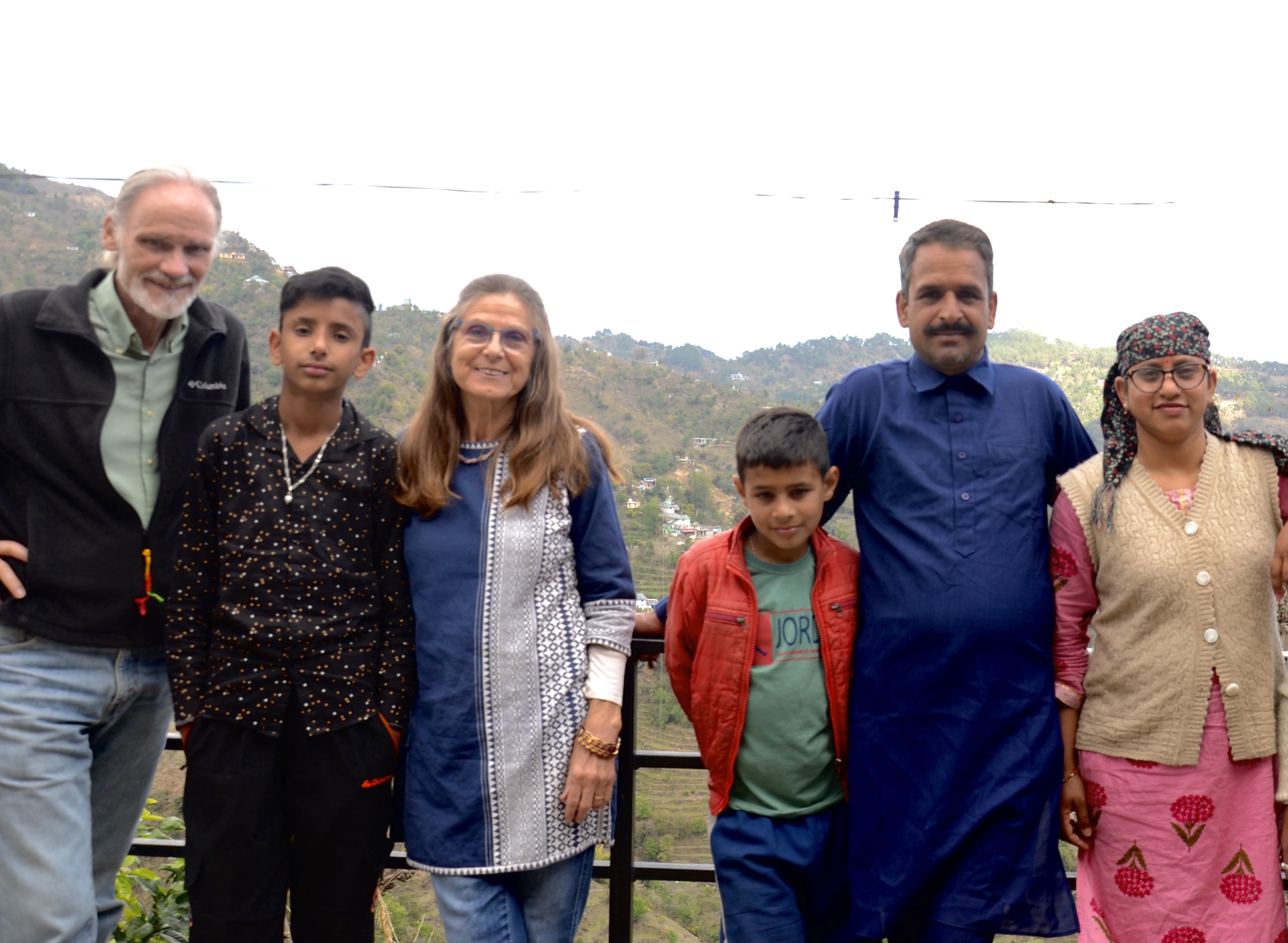
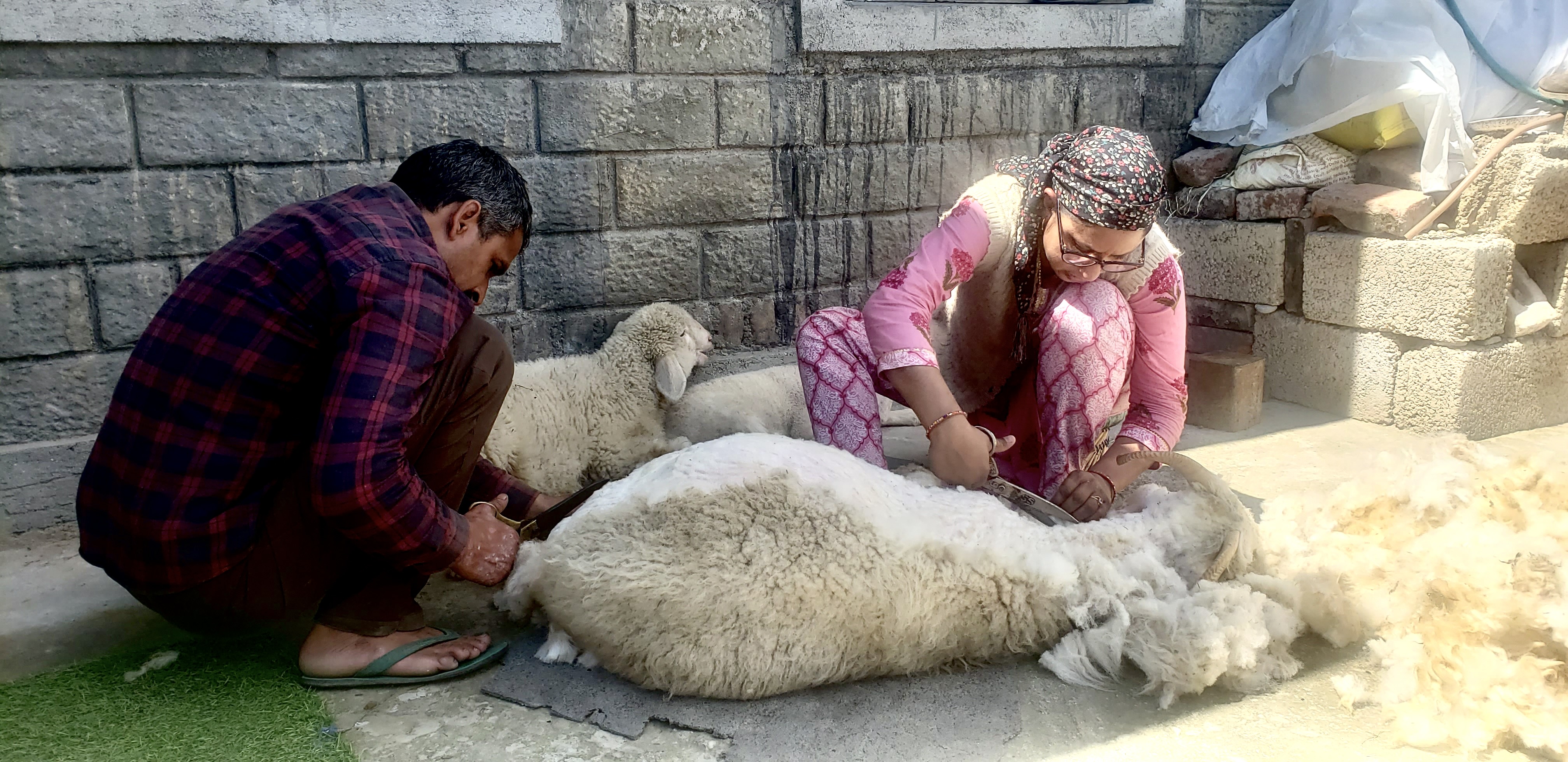
As in Varanasi, we’ve made lasting friends in Rewalsar; Sapna and her family from our first visit. On cold mornings we warmed ourselves in her little restaurant while she fed us parathas, her two young children, Prya and Priksu, watching TV before school. Today, we visited the family in the home her husband built with very little money. The progress made in the last four years impressed us. Outside of town and balanced on the hillside, it’s a steep climb down to the simple four rooms, little kitchen with an open cooking fire, outside toilet, a further climb down, challenging to my aging knees! Three sheep and two cows live below, and a docile German Shepherd fed on a pure veg diet. Indians do not pet their guard dogs and it was hard for us to refrain. Their balcony, afforded a panoramic view of the mountains and surrounding countryside of terraced fields. After lunch Sapna and her husband took at least two hours shearing their largest sheep.

To say the weather is changeable in the mountains is an understatement. This year it is especially unpredictable and days of sunshine have been interspersed with lots of rain. Without the sun to warm our room, the cold seeps in. We were glad to be invited to dinner by the taxi driver who for several years has driven us up to Nagar. We sat beside an electric heater, throwing off plenty of heat, and ate a delicious meal. In usual Indian fashion, instead of joining us, the family merely watched us eat.

A few days before we left, we took the bus up to Maha Naina Devi Temple an altitude of 1650 feet above the town (6,000 feet above sea level). The views of the Himalayas was unprecedented. Our legs felt the downhill walk back to town.

Two days before we moved on, Marion and Jurgen left for Delhi on their return to Germany. It was a sad farewell.