Udaipur: 24 Years Later

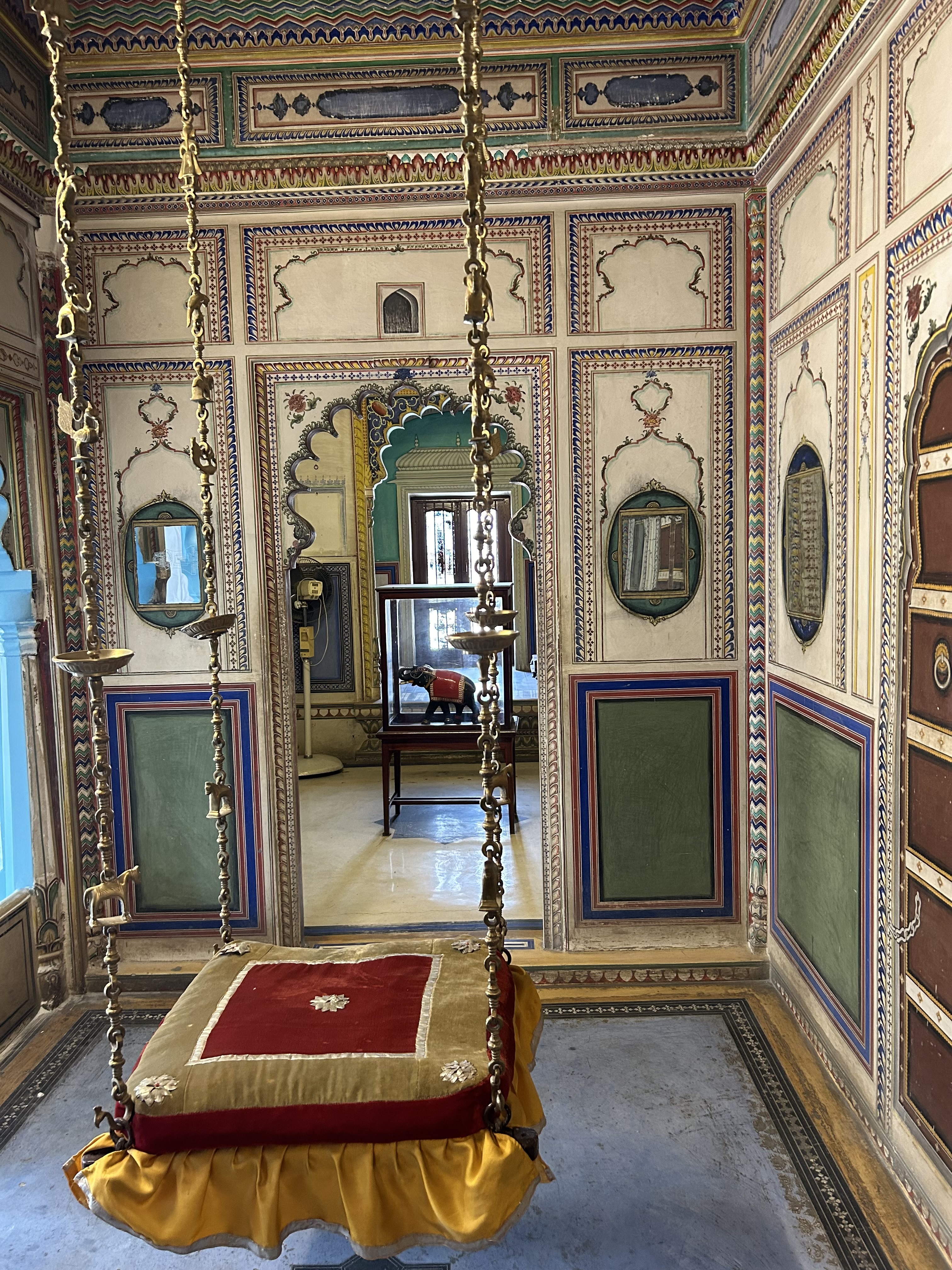
We first came to Udaipur 24 years ago and haven’t returned until now. On our first visit, when we only came to India for three weeks and were still working, we stayed in a Heritage haveli on the edge of the lake in the honeymoon suite for a mere $25. Today, we’re still paying $25 for a room that’s definitely one of our better ones in India, four large breezy windows with a lake view. But it’s nowhere near the caliber of the previous suite and located on the ‘other side’ of the lake.
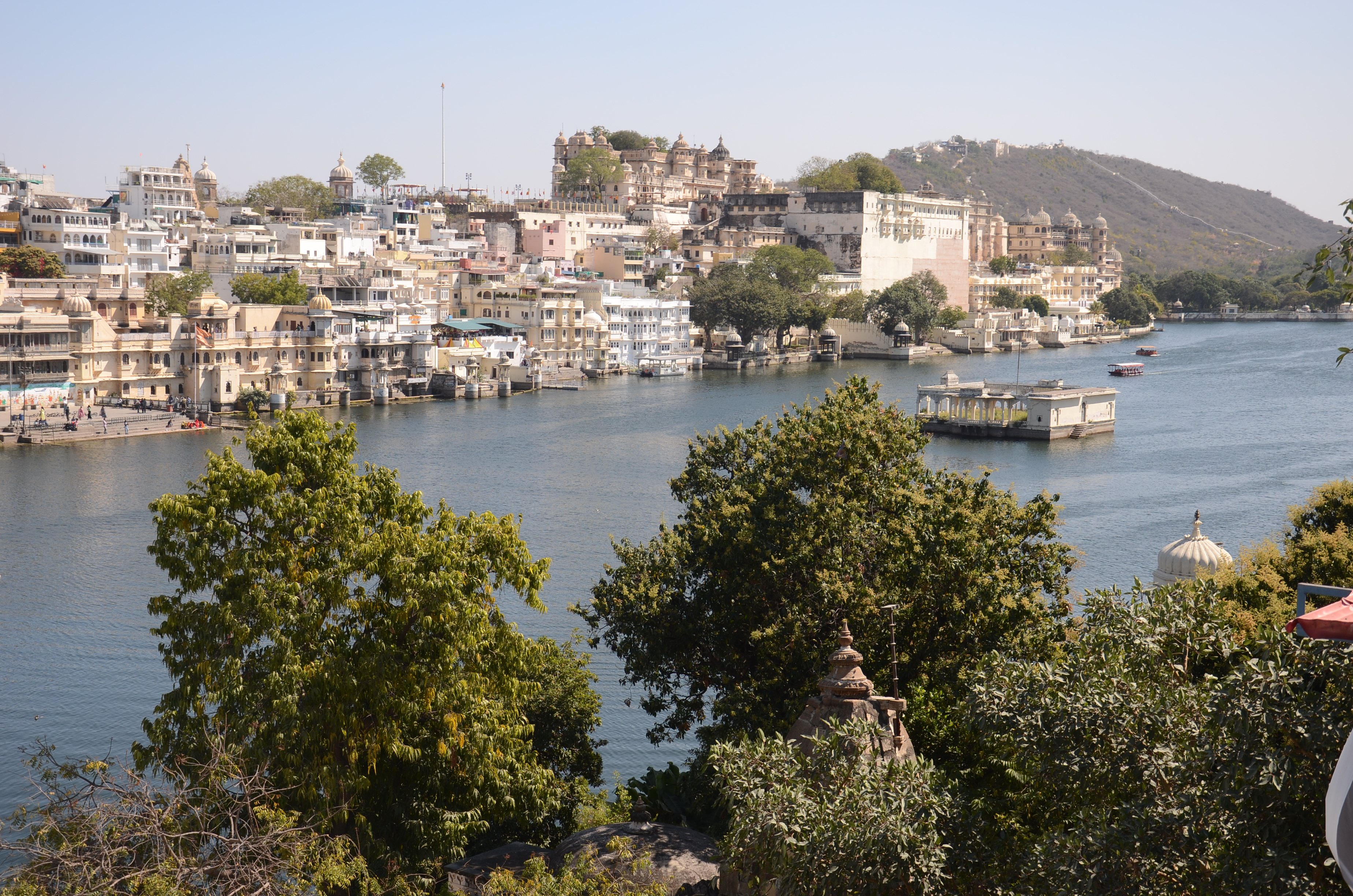

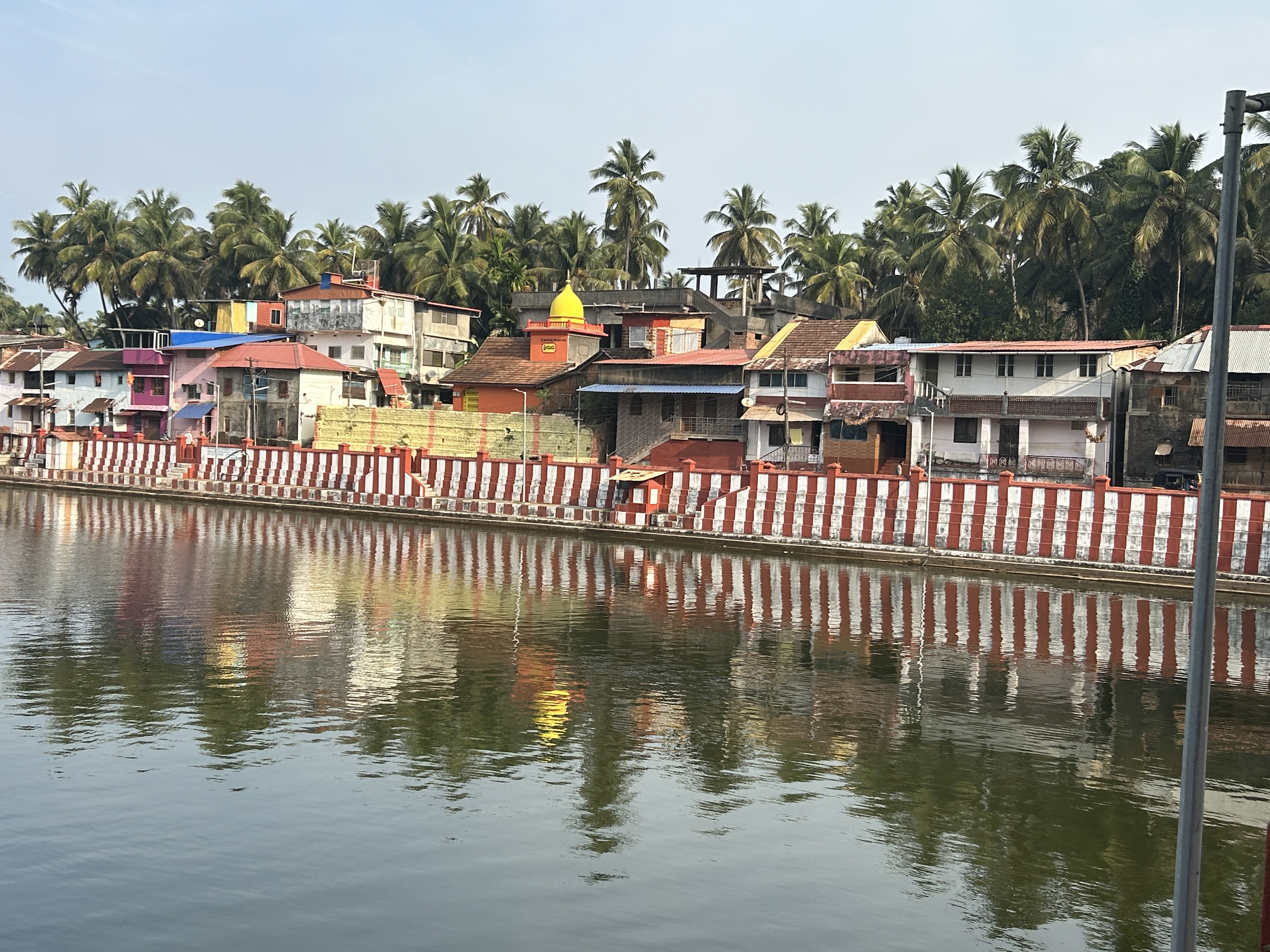
Two small bridges cross the narrow channel of water connecting the two sides of town – an old stone one for traffic, and a newer footbridge.  
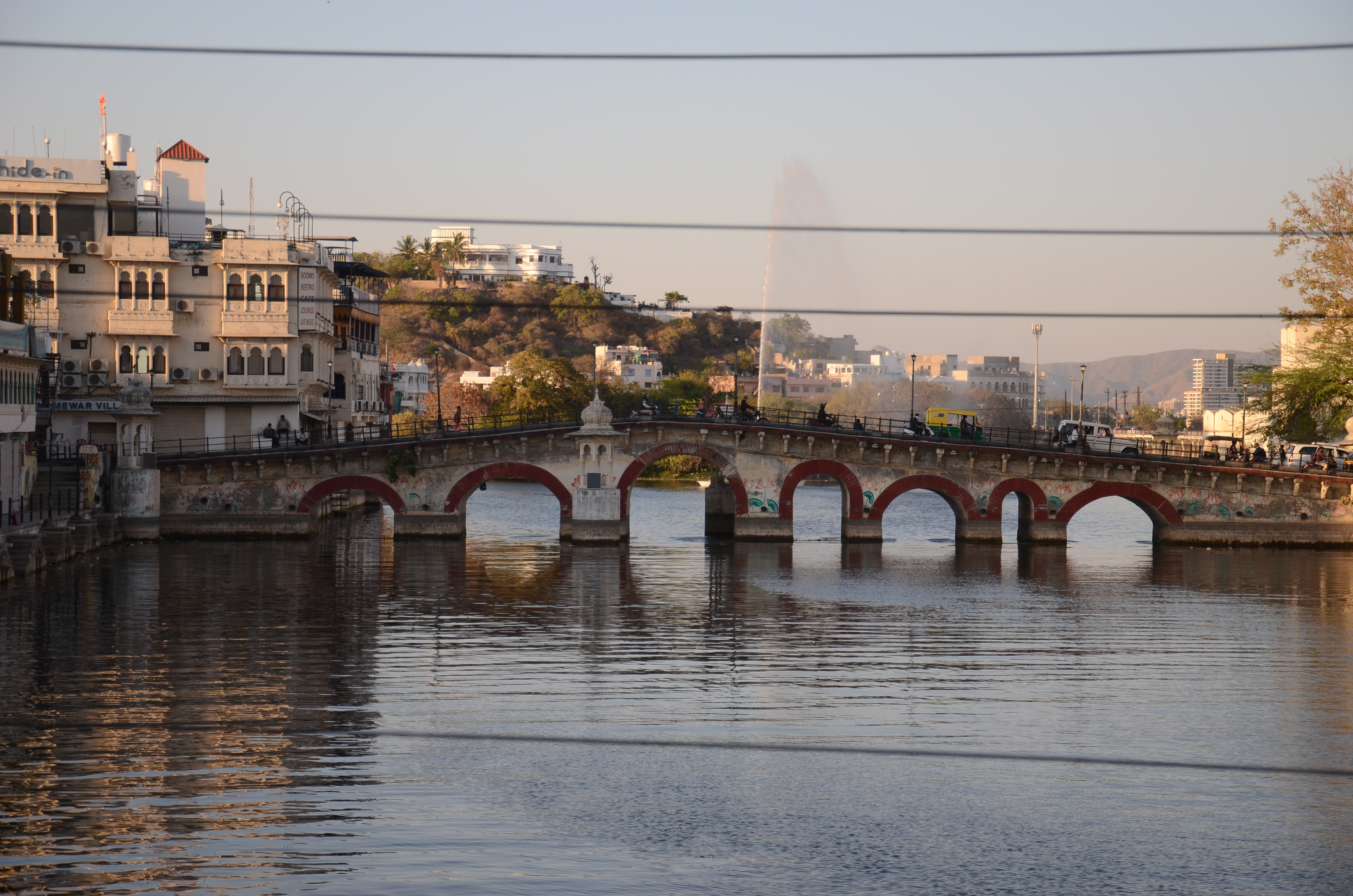
Memories of past journeys come to mind.  Walking across the footbridge, I’m reminded of the bridges crossing the Miljacka river in Sarajevo.
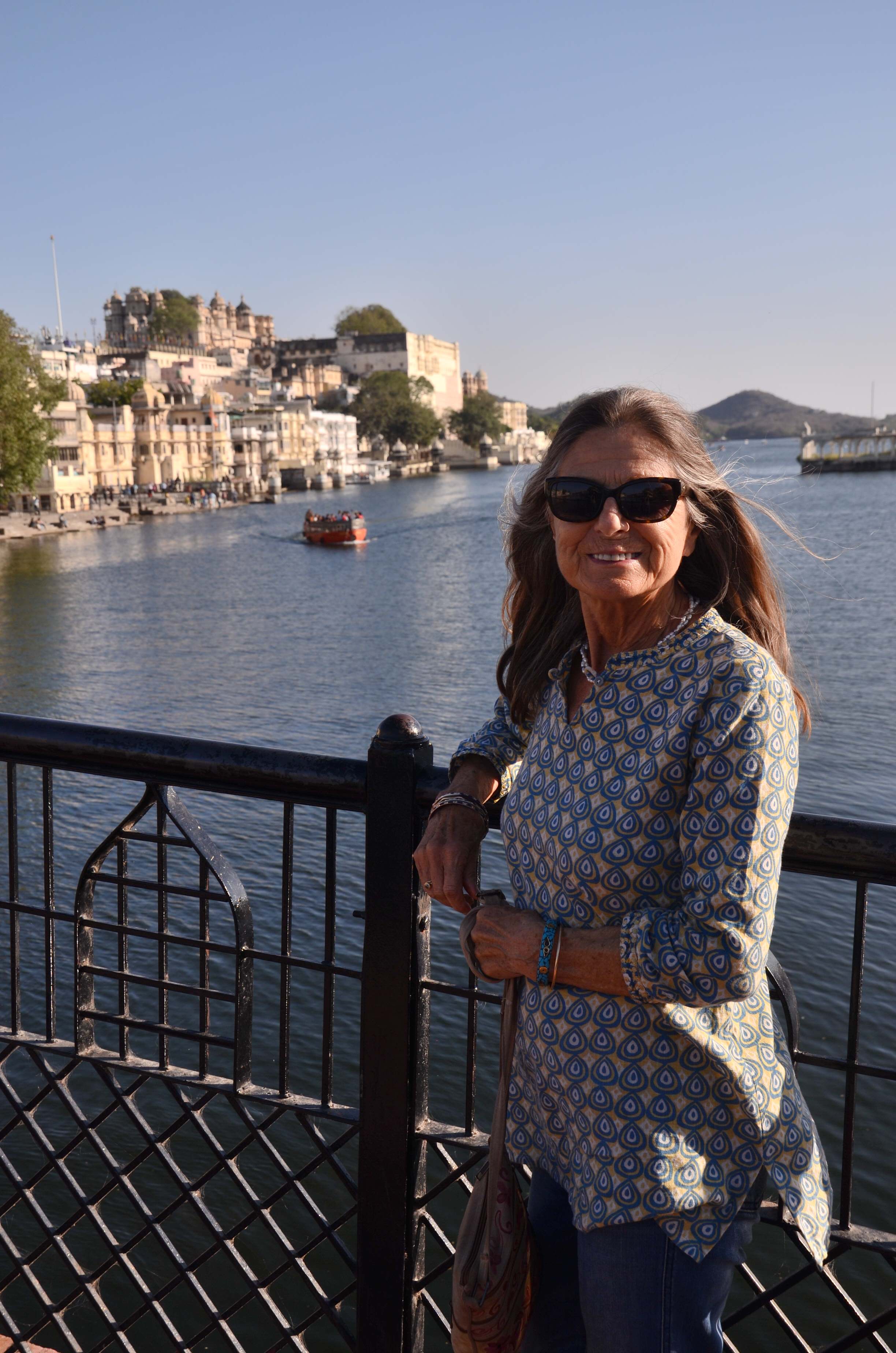
Galleries selling Indian miniatures and the high-end restaurants on  the lake’s edge, could be Carmel( if you squint).
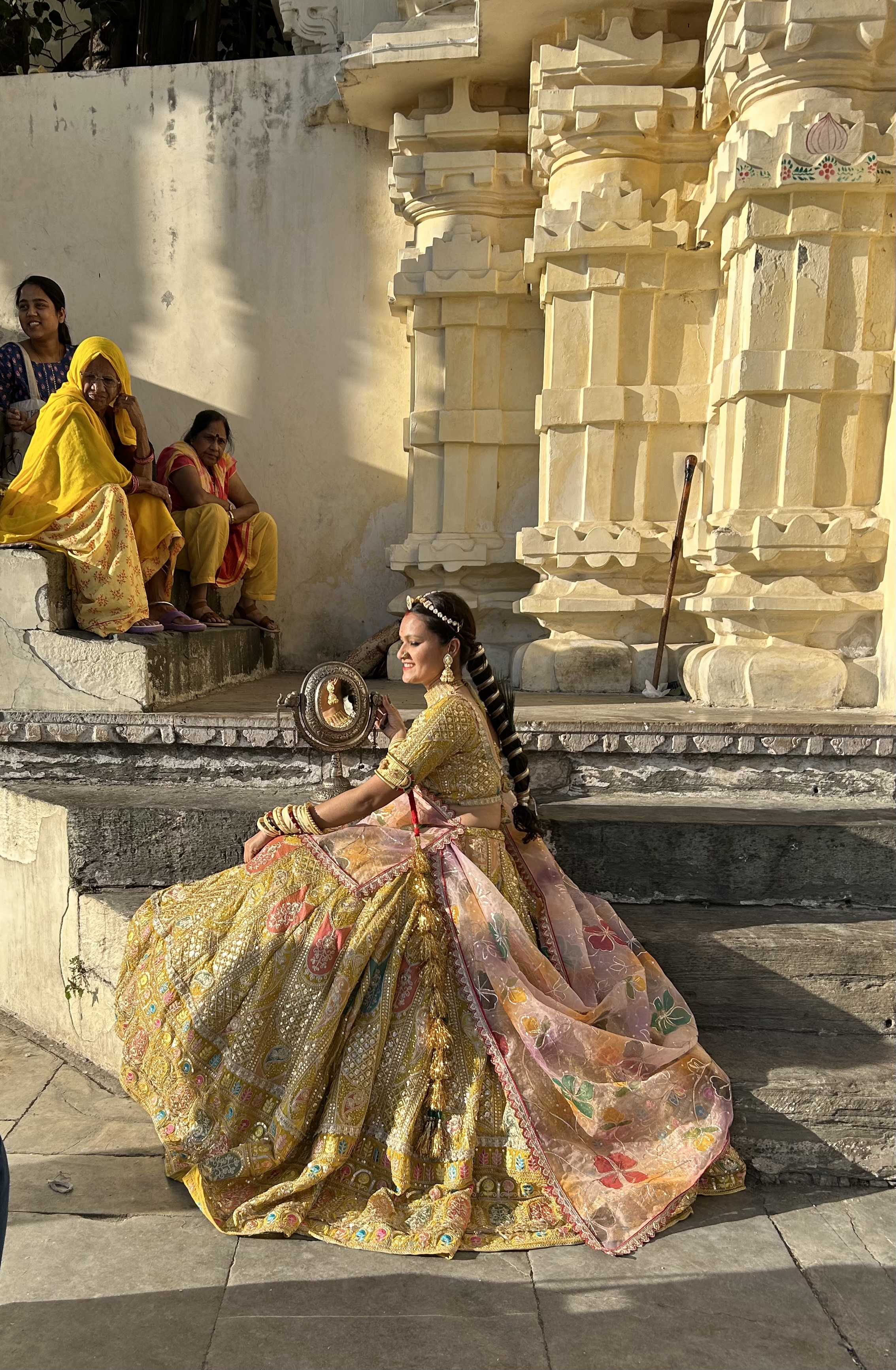
And the narrow lanes and temple music below our window brings up images of Varanasi. 
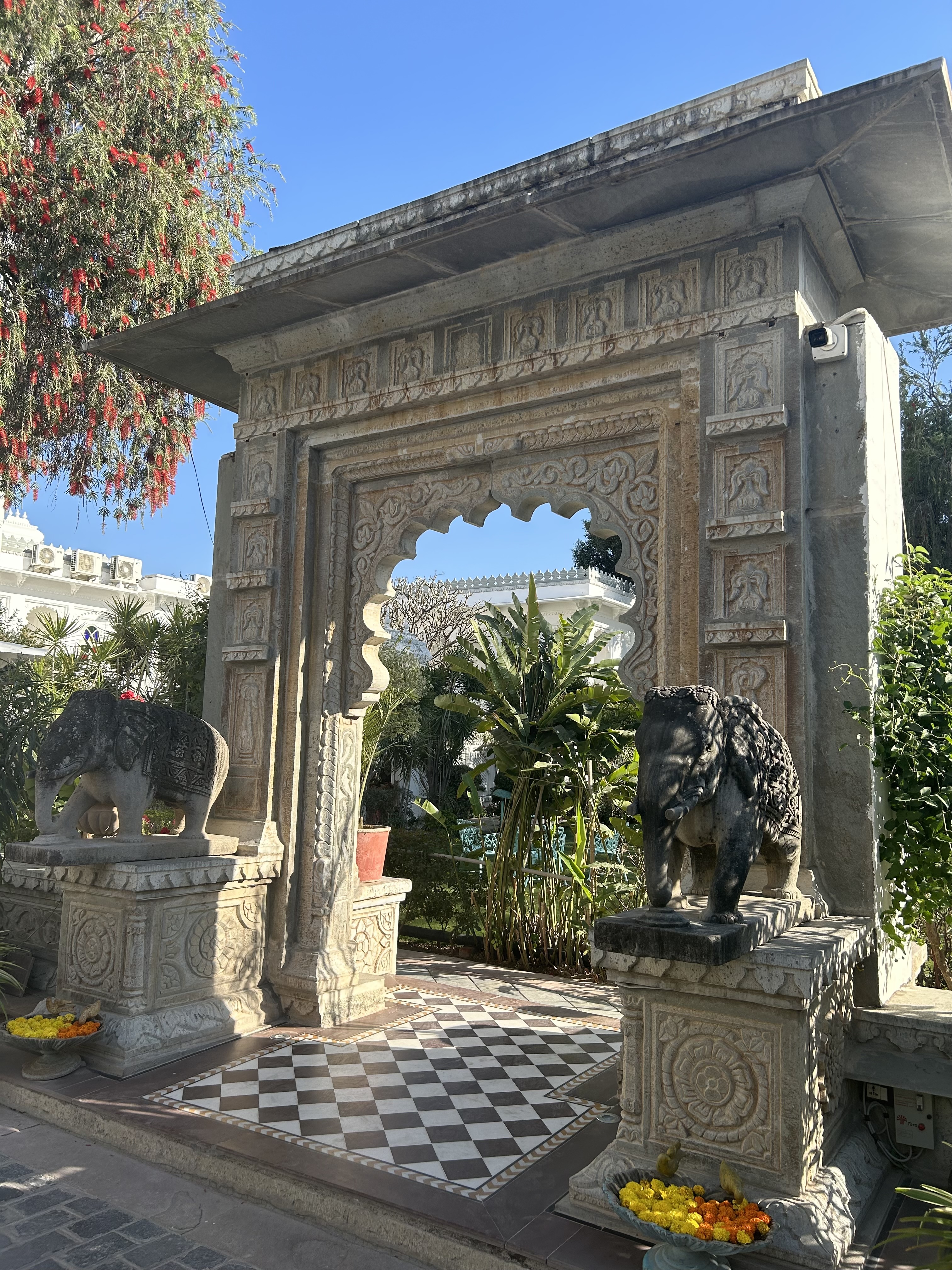
With its old havelis, palaces, marble temples and seven man-made lakes, the city clings to its historical elegance.
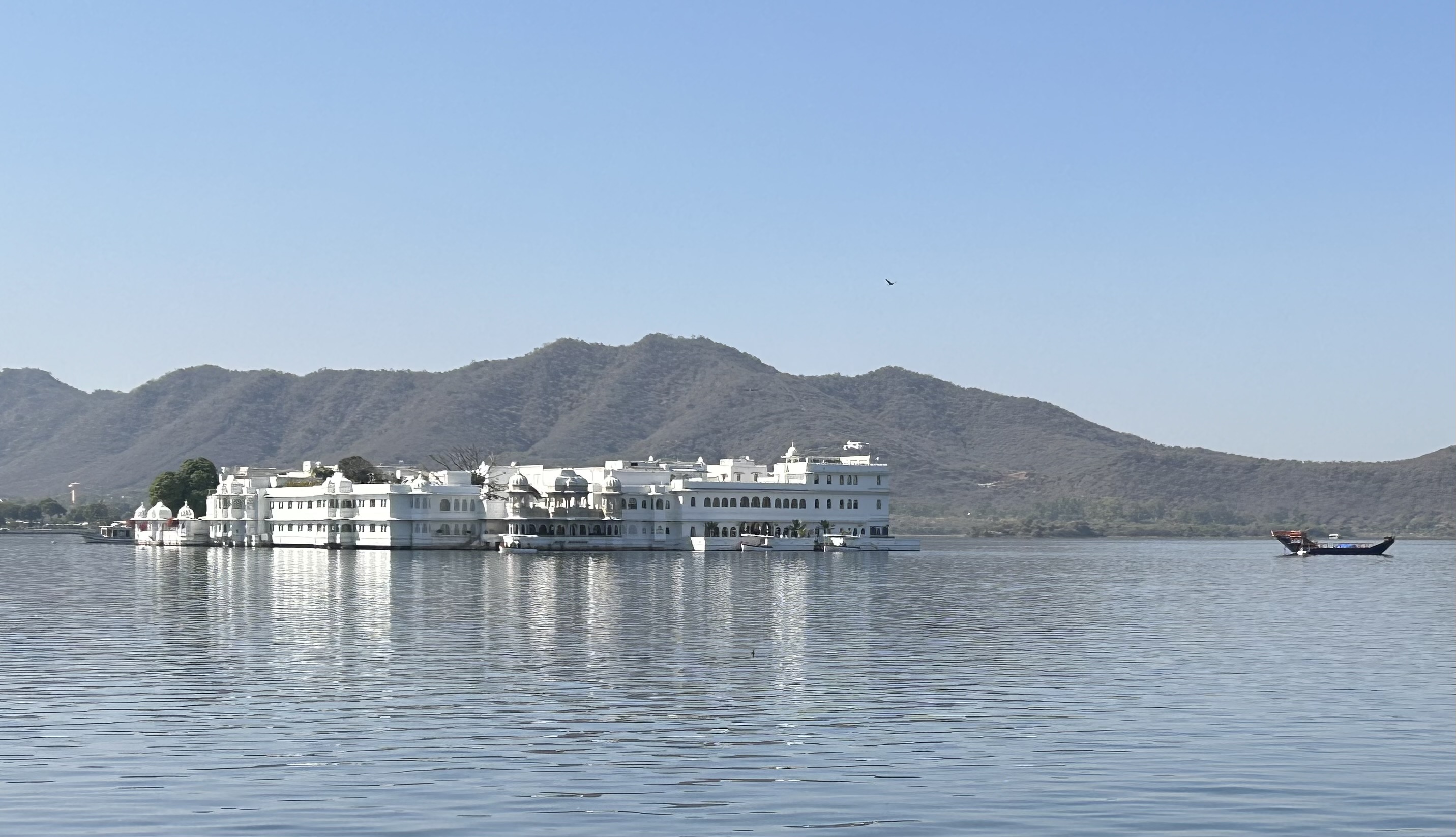
The floating palace in the middle of Lake Pichola is familiar to westerners from the 1983 James Bond movie, Octopussy.
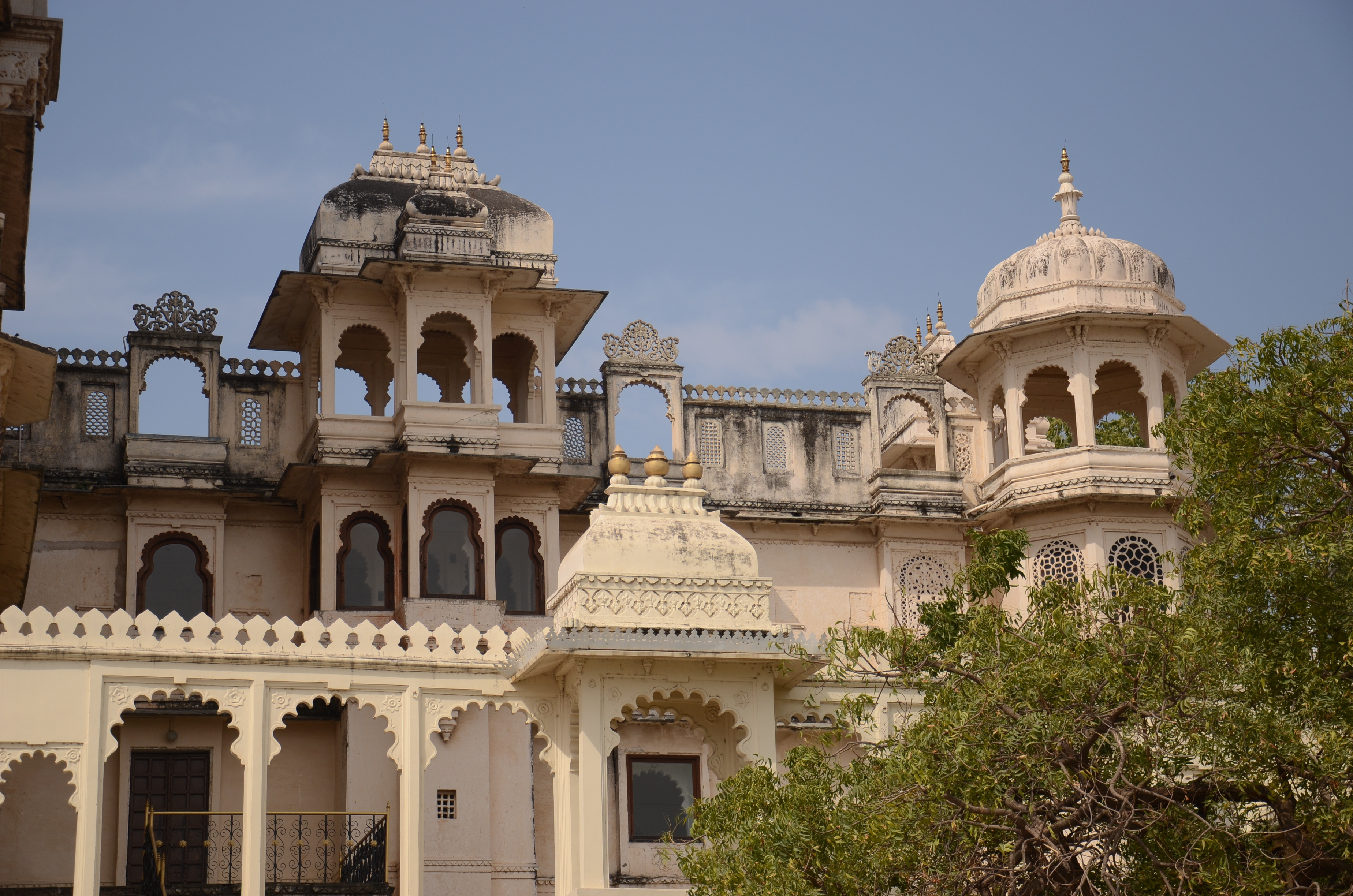
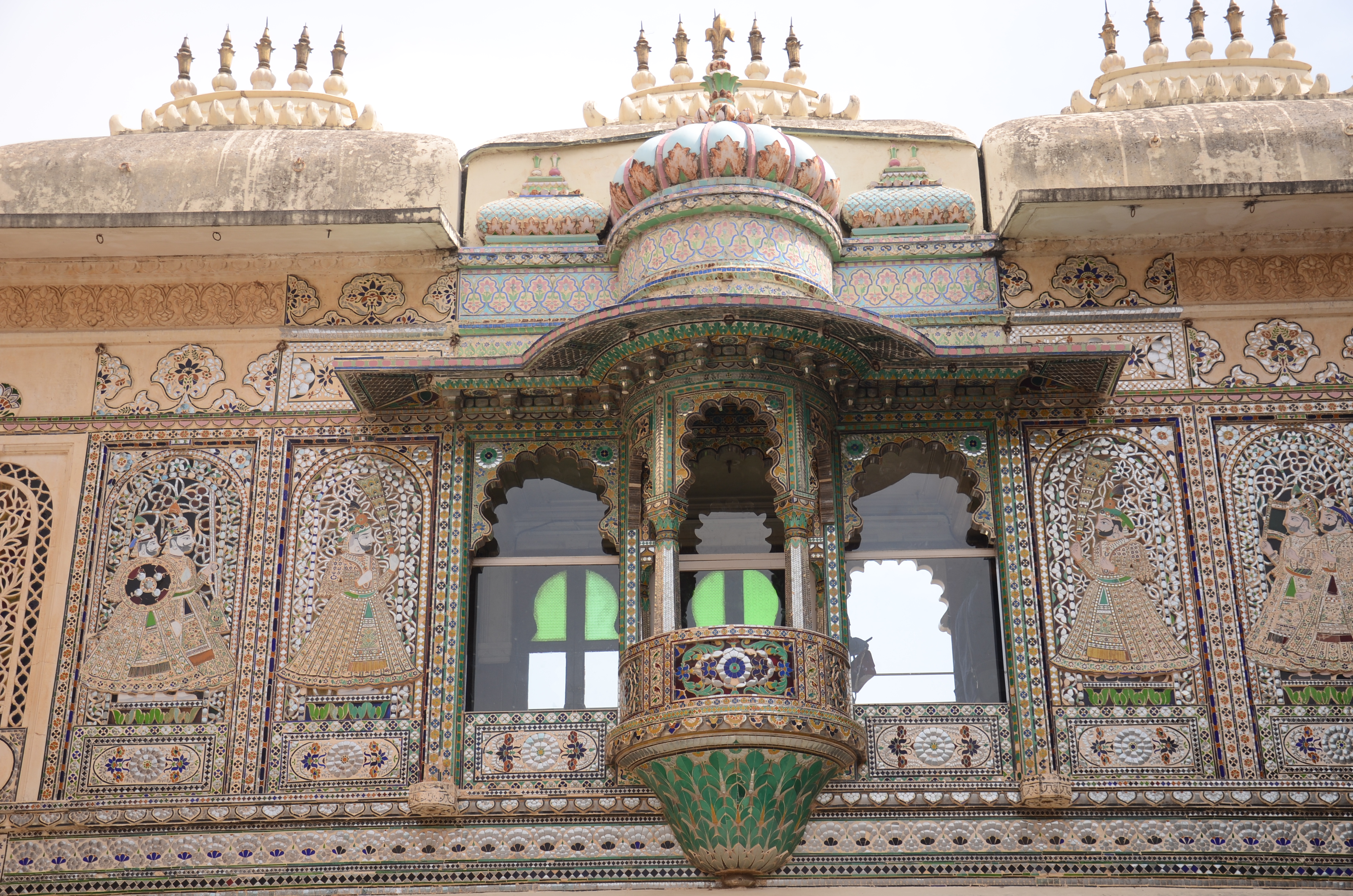
City Palace, built over 400 years, is  a monumental complex of 11 palaces, courtyards and gardens with sweeping views of the lake.
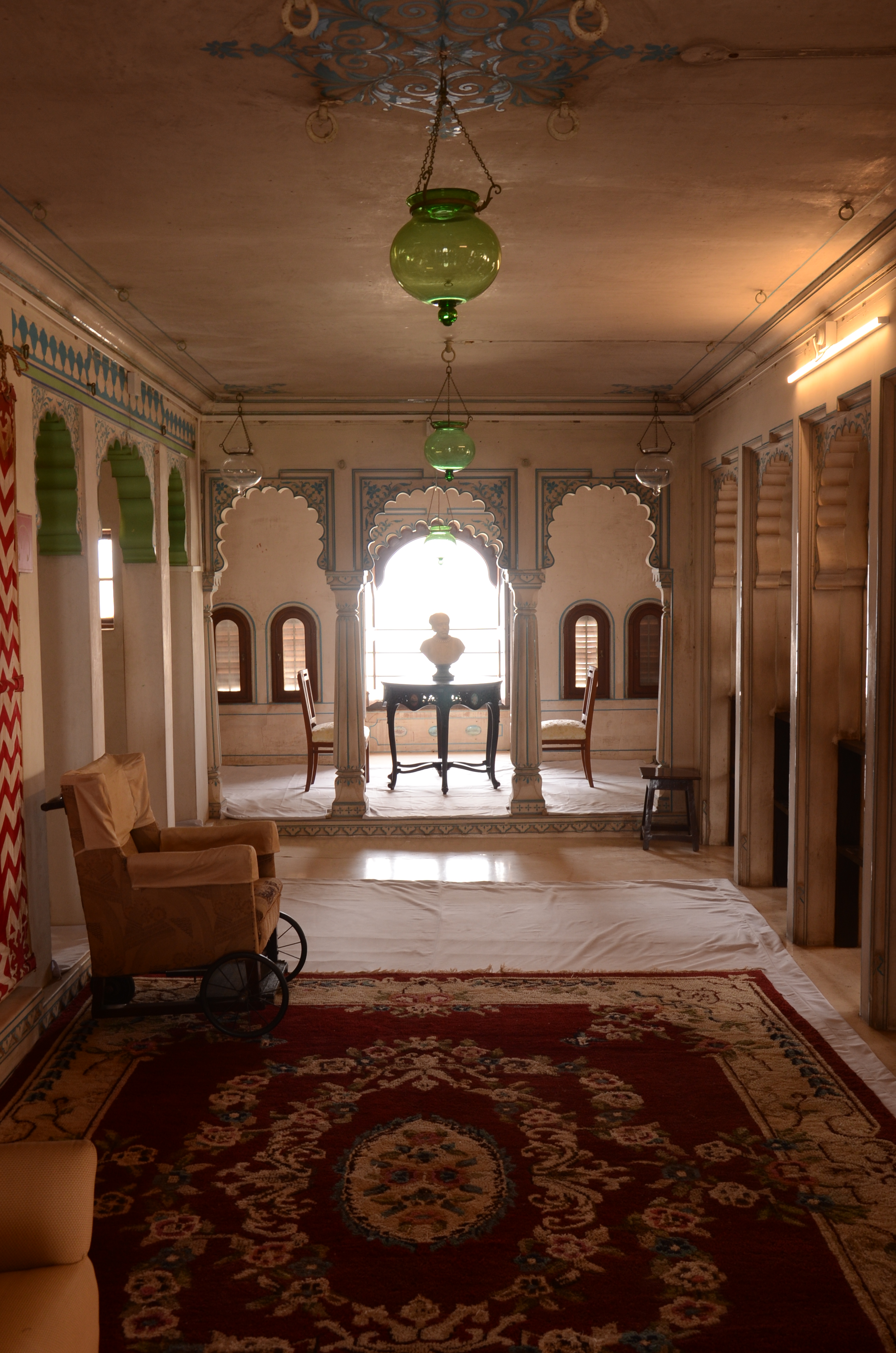
The Mewar dynasty, famous for keeping the Mogul rulers at bay, lived here until 1955. A few years later it was opened as a privately-run museum. 
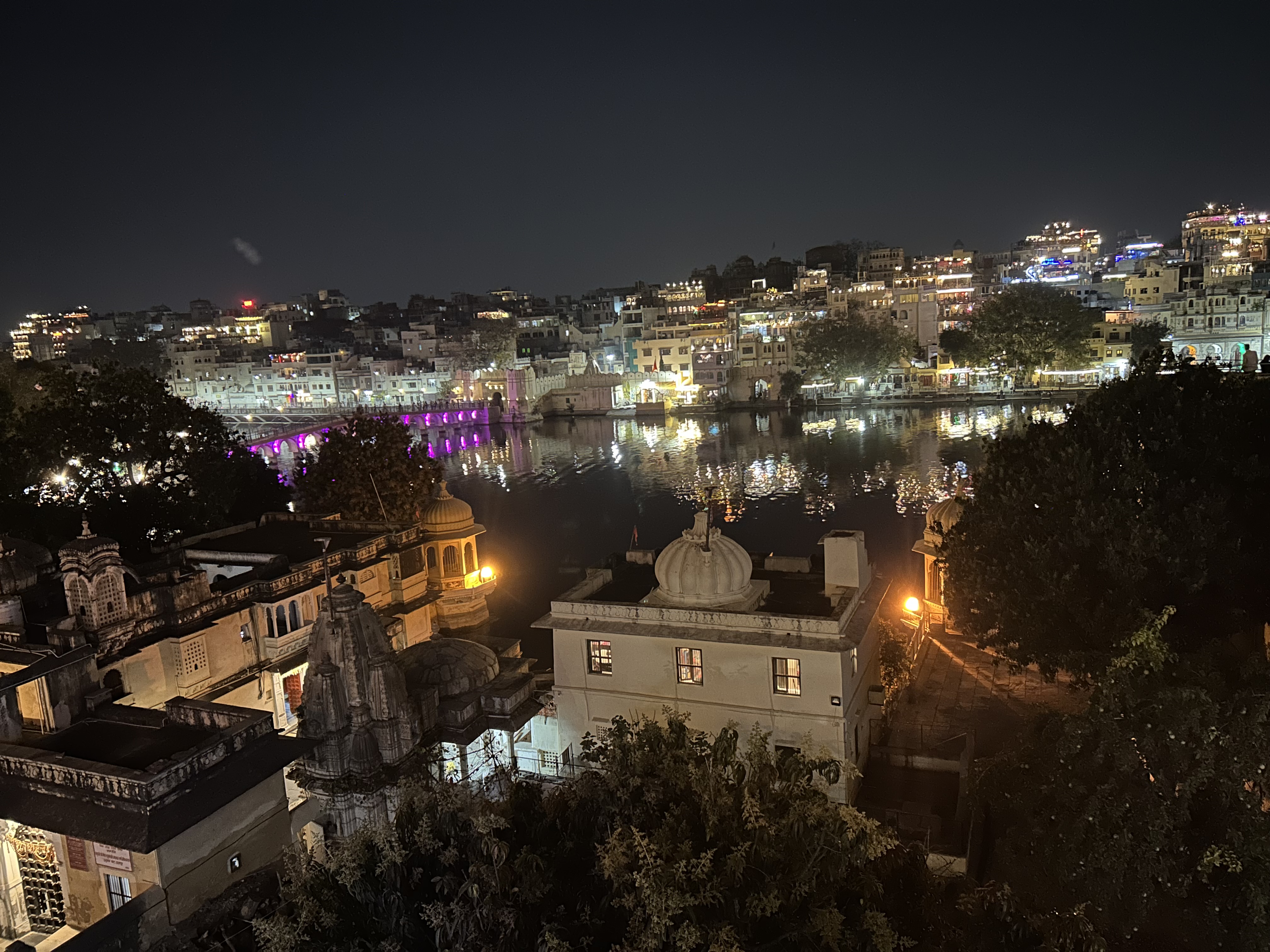
When the sun or the moon rises over the lake, it could be a scene from an Indian miniature (minus all the flashing colored lights that India loves).
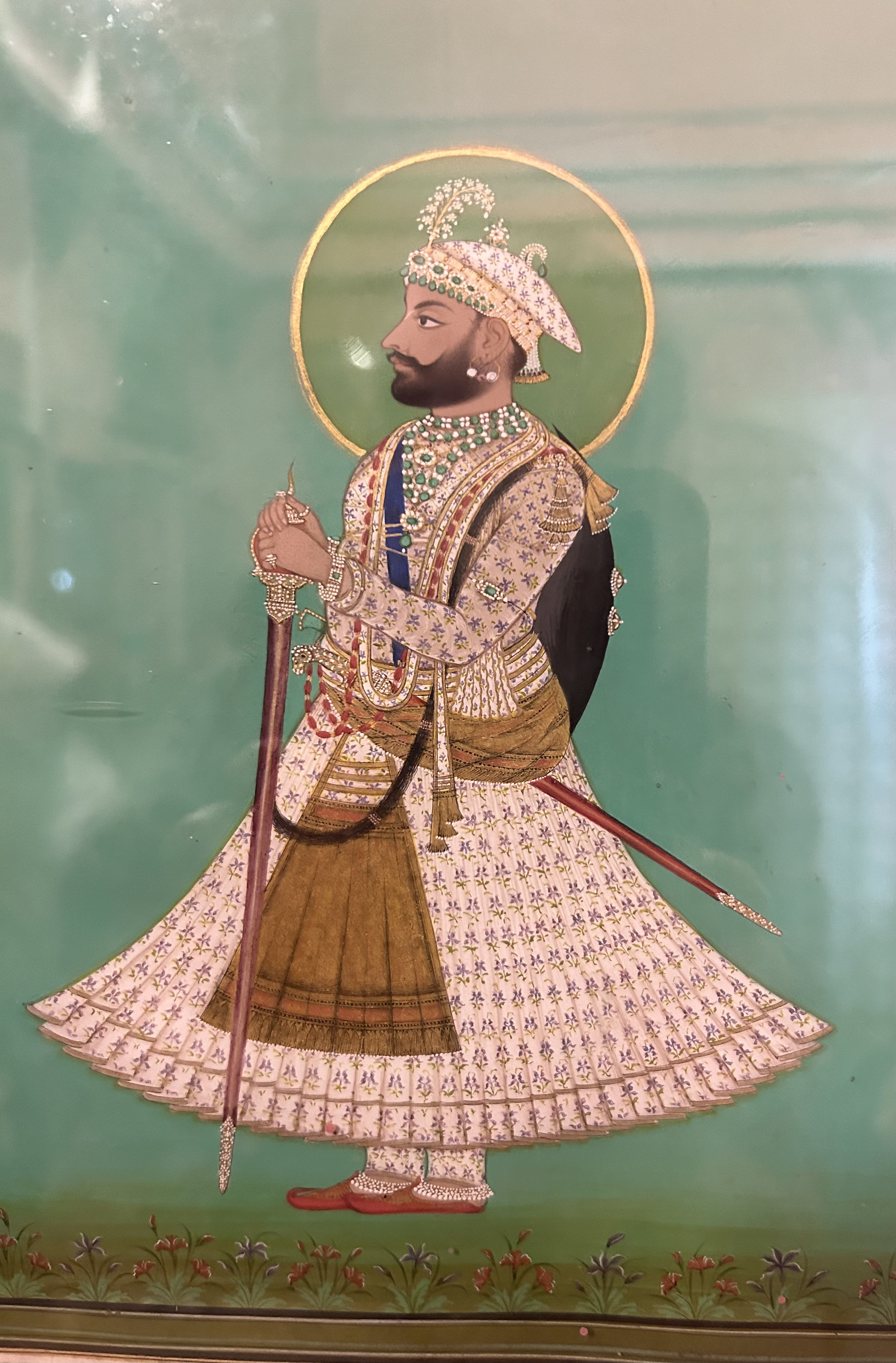
Within a temple complex we met a young man painting miniatures. He had first learned the skill from his uncle and then for eight years worked in a call center. But he was not satisfied and eventually returned to miniature painting. He earns very little and worries that it will be hard to support a family when married.  But for now he’s happy painting under the guidance of his teacher. 
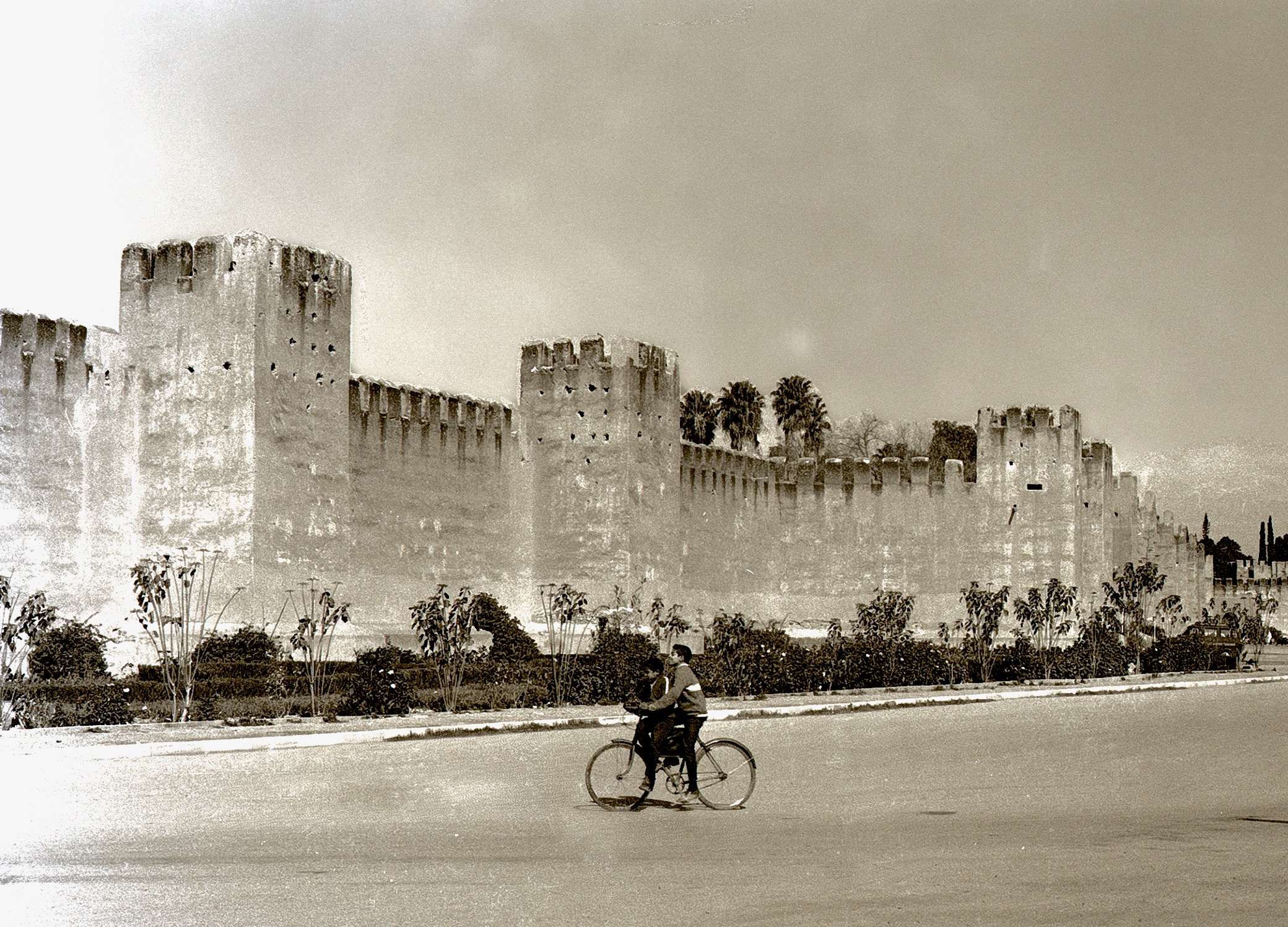
During the daytime, the horrendous traffic clogs the narrow lanes with rickshaws and motorcycles not sparing their horns. The shopkeepers don’t like the noise either, but what are their options? At lunch I told Gerard how fortunate we were to have traveled before everybody in the world had a motorbike. In 1972, we spent three months in a walled town in southern Morocco. The only road entered through a gate to a small square. From there, everything went in and out via donkey. We took the peace and quiet for granted.
Ready to Move On

Sitting opposite us at breakfast, the German woman had piercing blue eyes and skin more sun weathered than mine.  When she went to New Zealand to see her daughter; the landscape was spectacular but compared with India, she found it boring after a few days. As an anesthesiologist, she comforts her patients during the last two minutes of their consciousness with tales of the Mystic East.

We used to go to Goa until too many tourists and development diminshed the charm. What has saved Gokarna thus far is that it’s a temple town and the city fathers have regulated development along the beach. But as surely as the sun rises in the east, financial pressure will prevail. We’re grateful that so far it hasn’t changed that much.

Unbeknownst to us our last hike turned out to be the best.

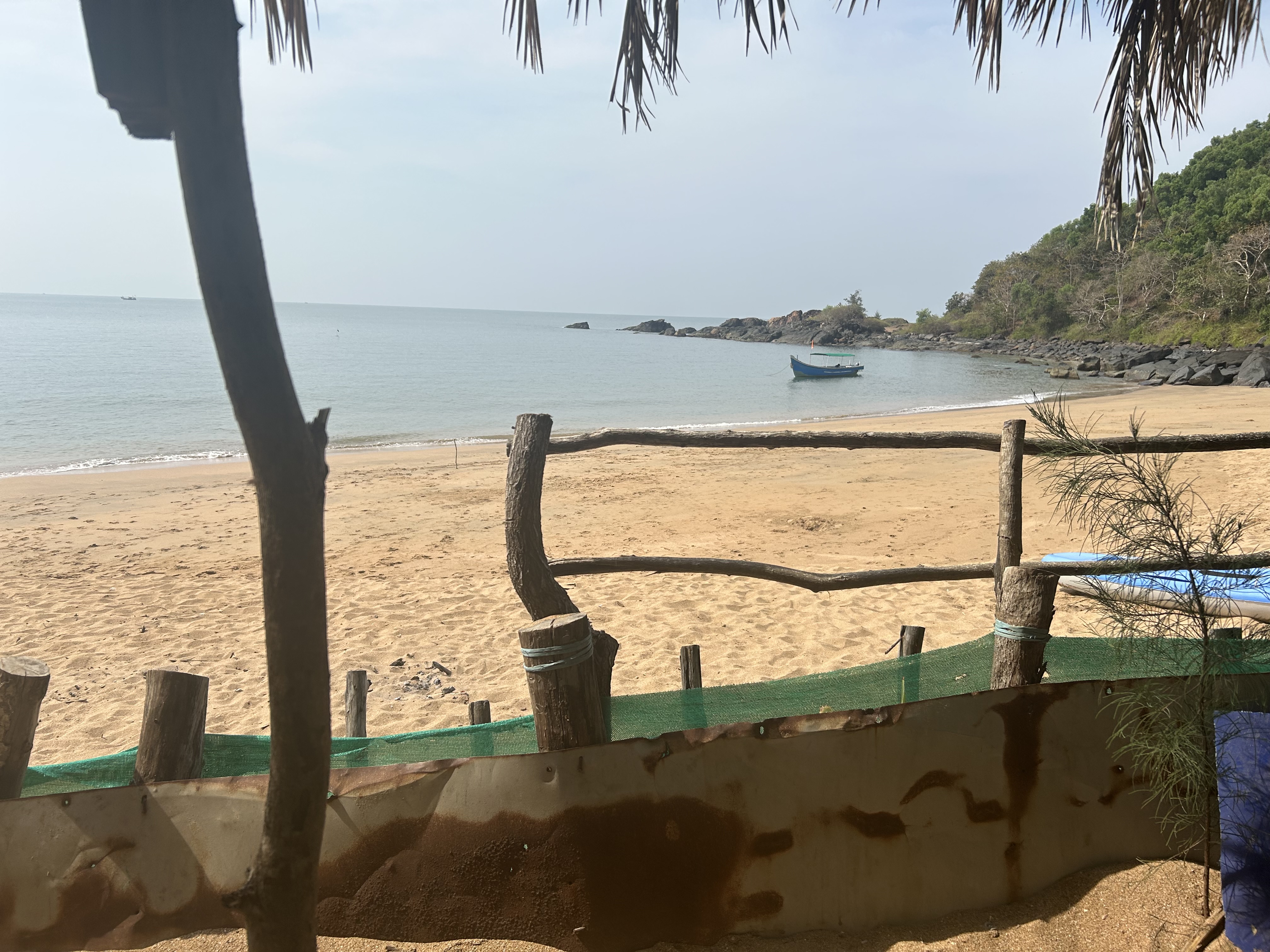
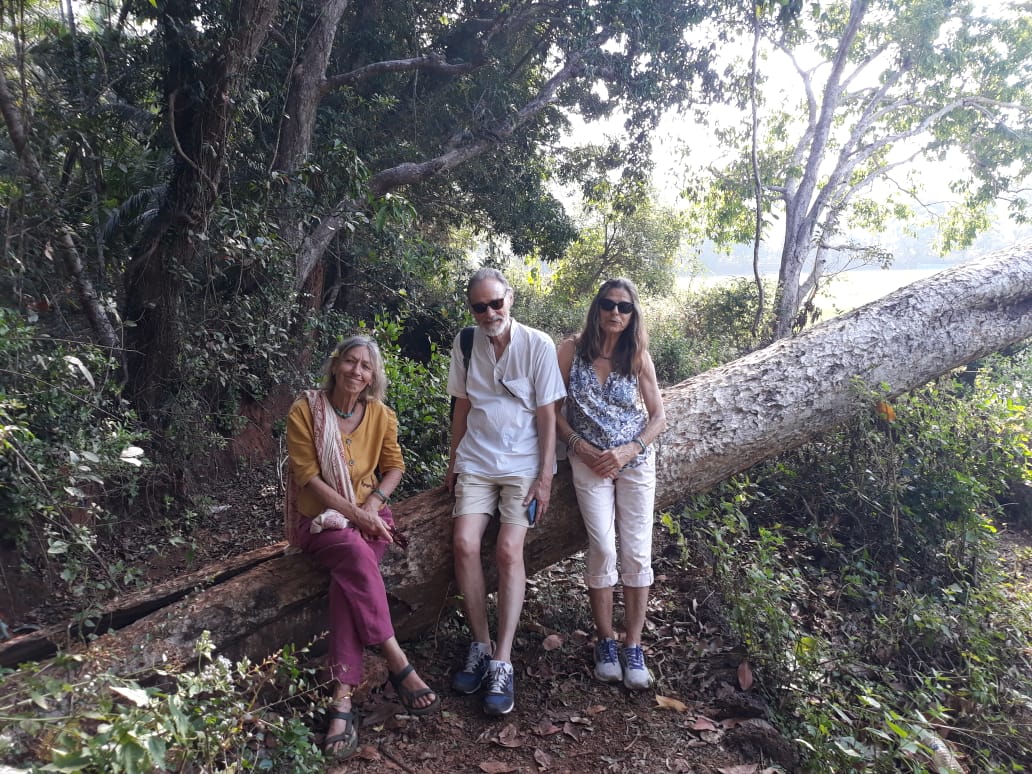
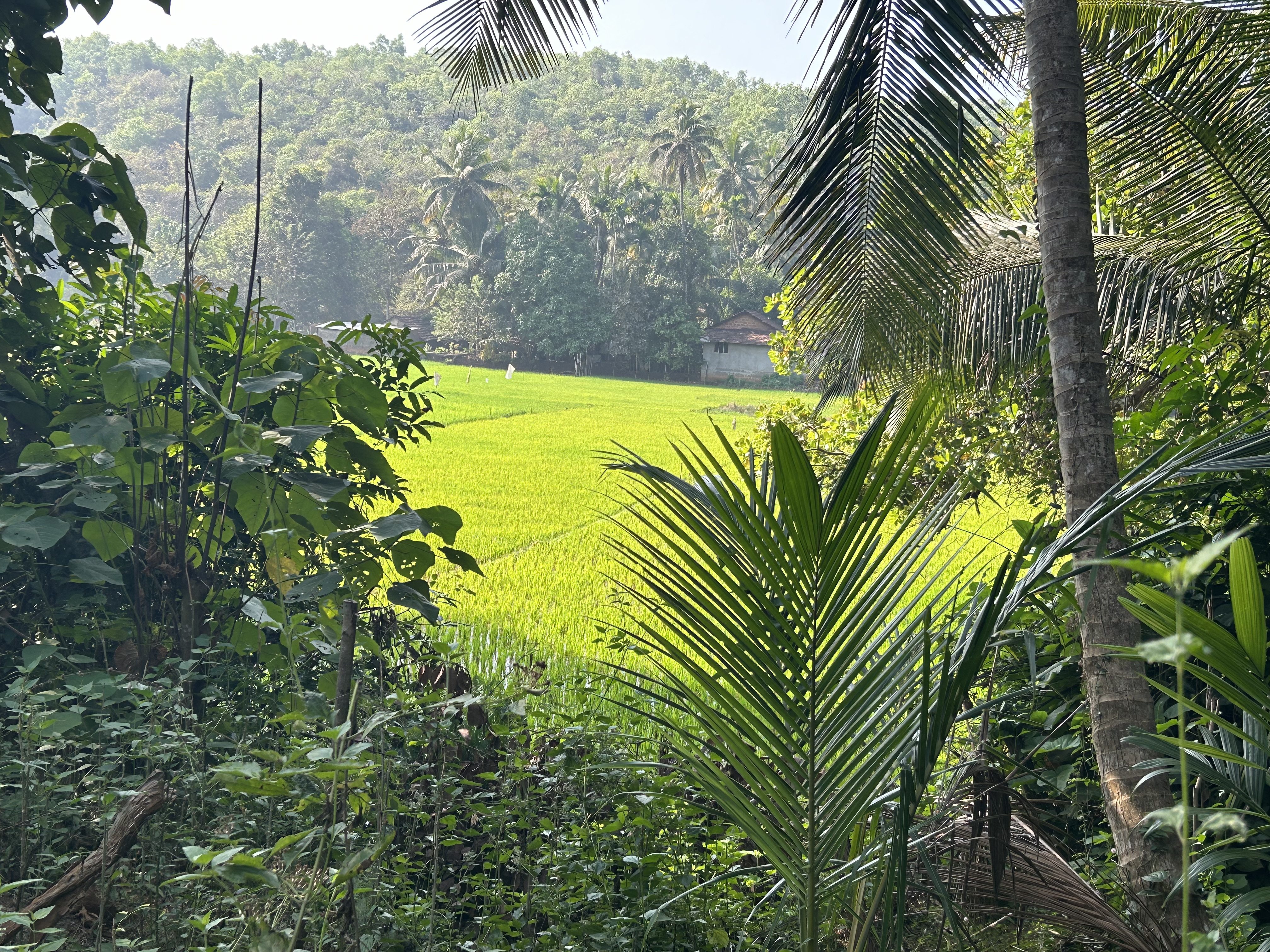
Marina led us through the shady jungle to Half Moon Beach. You can only get there by foot so there’s just two cafes and no accommodations. 

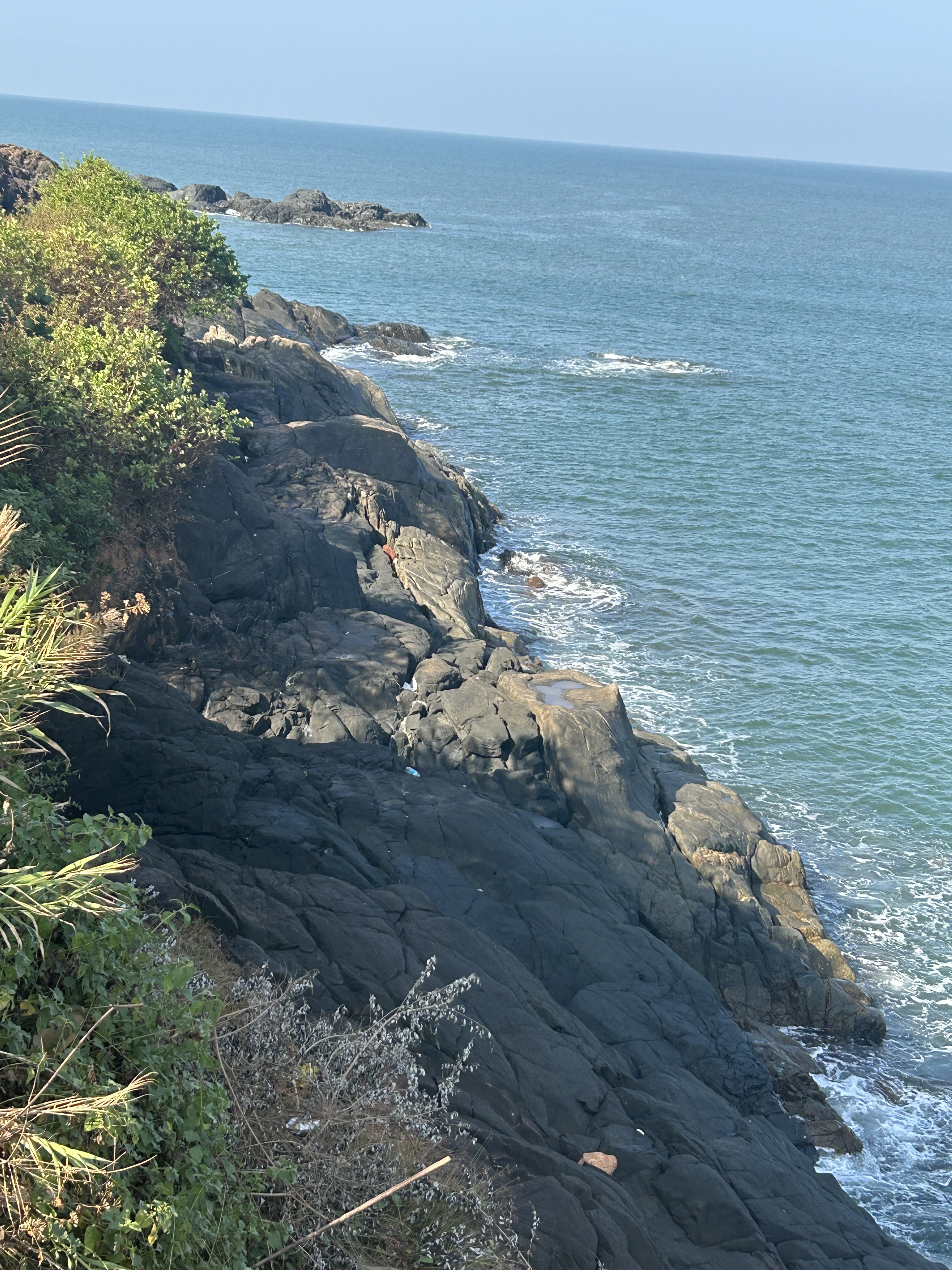
After a swim and lunch, we continued via a narrow path high up above the sea

…to Om Beach which in comparison was a let down –  too crowded.

Another swim, and we took a rickshaw back to town toward evening.  A full day’s outing, and I slept soundly.  But poor Gerard was bothered by his numerous bites –sand fleas, or spiders… He’s a shield for me from any crawling or flying invaders. Not surprisingly, he’s ready to move on, and after six weeks even I’m ready for a change of scene. But I’ll always love the beach.

Headlands and Hornbills

I didn’t have much difficulty in persuading Gerard to repeat a hike we took through the jungle last year.

This time it went more smoothly, as we set out early to reach a lonely beach, ahead of the full sun. The bus back to town arrived before we had a chance to take a quick dip.

Our guide, Irish Tina a birdwatcher, became ecstatic seeing a pair pied hornbill. Shafts of light turned the jungle into  emerald green. 

In clearings, egrets and ibis flocked looking for insects.  

A few days later we walked to nearby Kudle Beach.  Only a short hike across the headlands to the small crescent-shaped cove. 

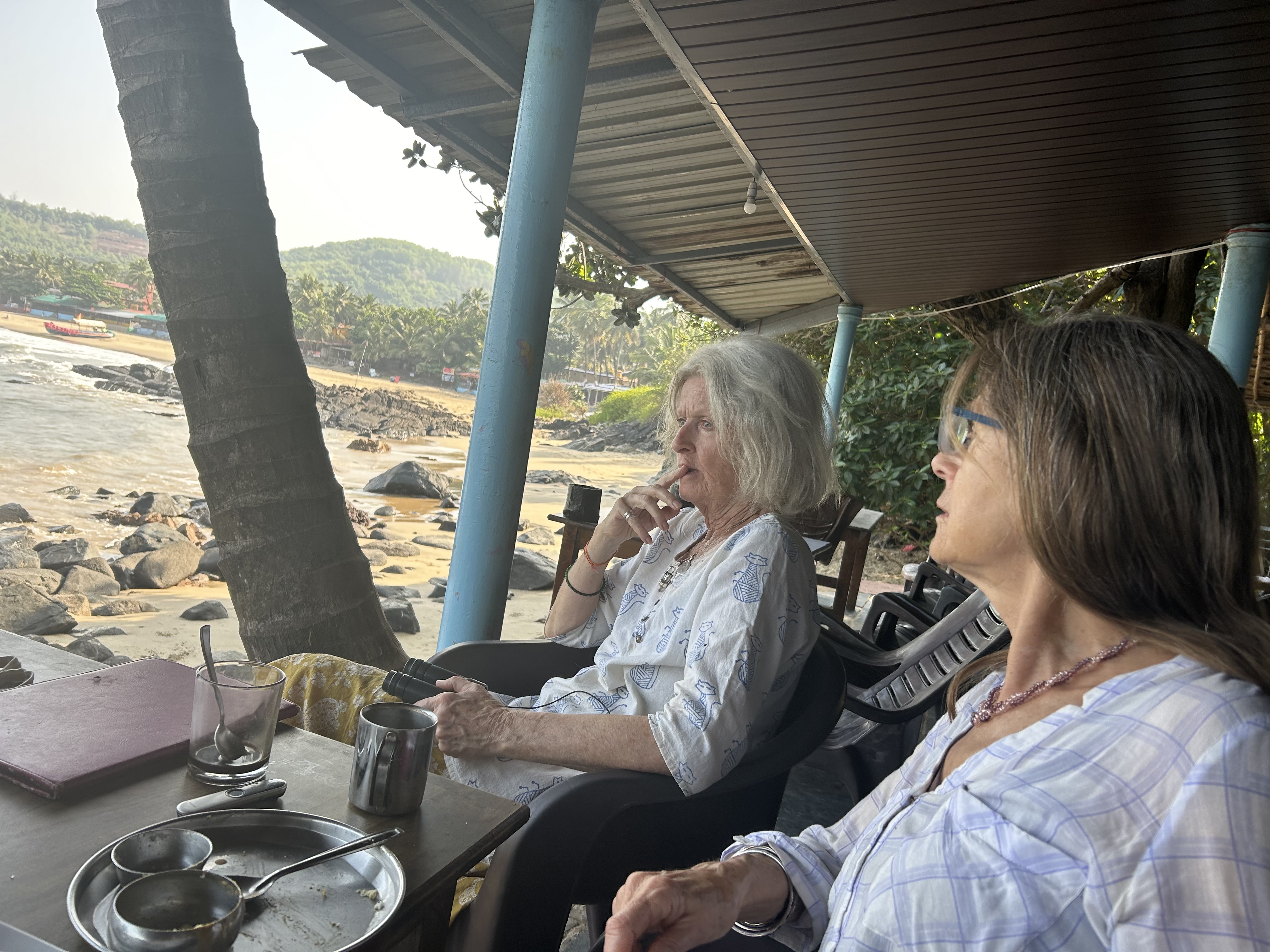
After a leisurely breakfast overlooking the still empty beach,

I took a solitary swim in my private lagoon, unaware of two dolphins doing somersaults behind me. 

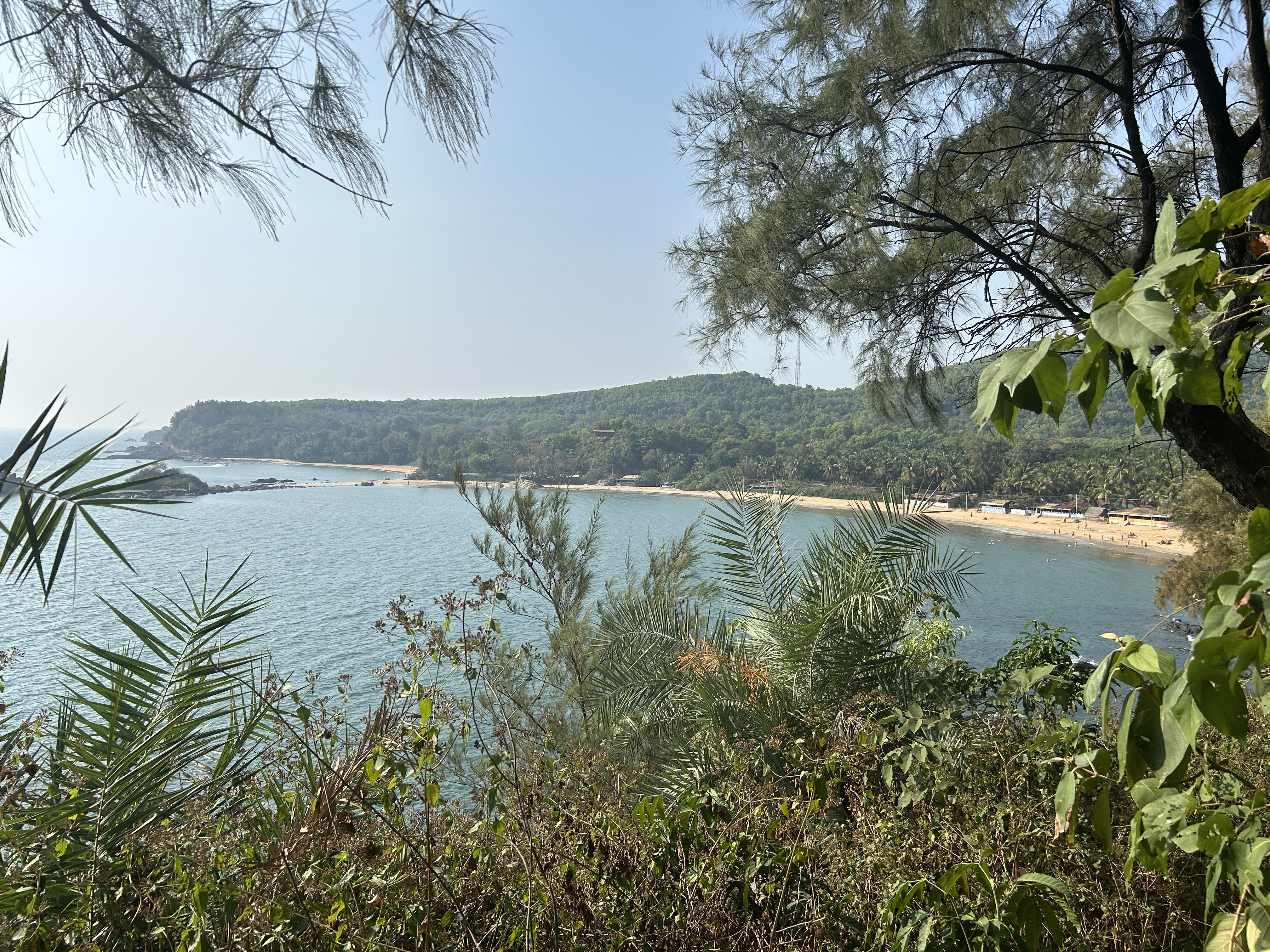
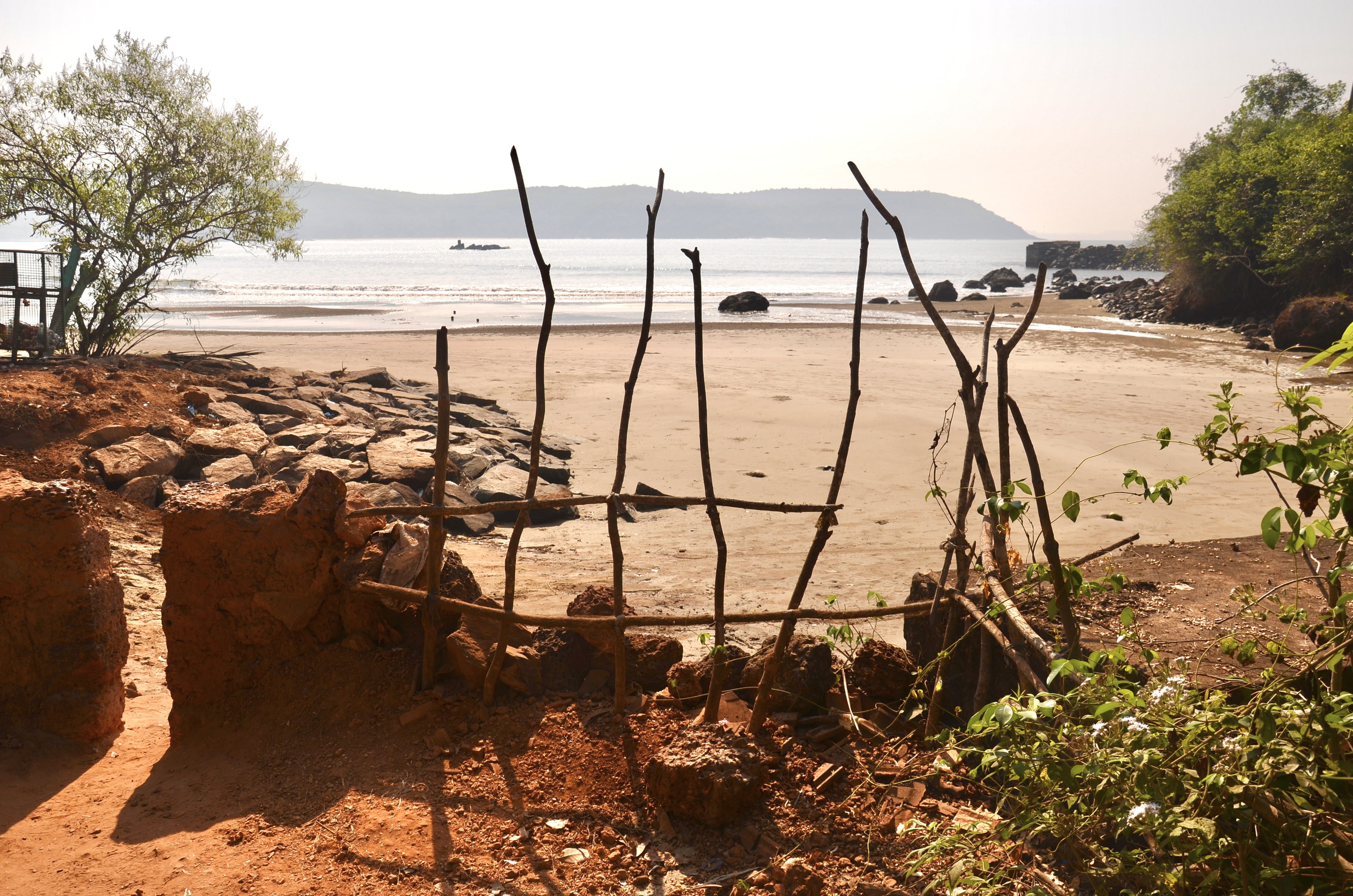
A hazy view of Gokarna beach

Yesterday we said goodbye to five friends: Marion and Juergen had to return suddenly to Germany after a  death in the family; Assuntina returned to England after a brief holiday from work, and Peter went back to Auroville. Both of us were sad to say goodbye hoping our paths will cross agin before too long. Coincidently, on the same day, our Polish/Czech friends Krystyna and Karel arrived for ten days. The last time we were with them was four years ago in Prague on our way back from India.

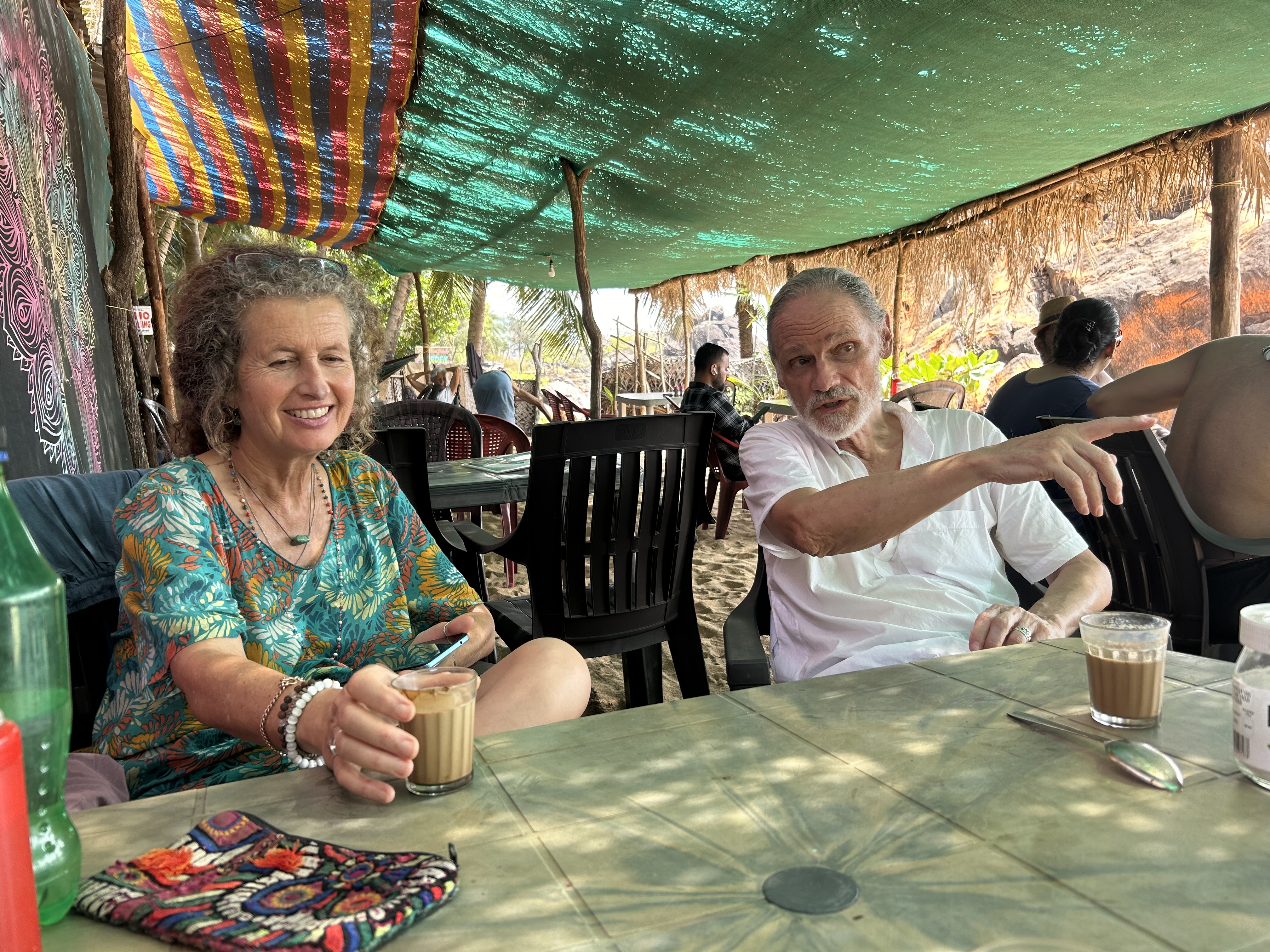
The New York Times is finally catching up with what we’ve known for decades.  An article The Case for Chilling referenced research on the value to our health of meeting with friends and simply do nothing which can actually improve relationships. Children naturally do this but adults create scheduled meetings, no longer comfortable with just hanging out. They may think just sitting around with someone is a waste of time unless it’s productive. In India, we enjoy plenty of unstructured time and I’ve finally learned to relax and give up being productive in society’s terms. I enjoy the spontaneity of sitting around in cafes, and chatting with a new friend.  For us there is value in sharing experiences with people from different countries and cultures. 

Russians remain the largest group of foreign tourists here in Gokarna.  And with the war with Ukraine , it’s hard to keep objective toward Russia.  We have made friends with two Russians: Olga in Nagar and Tatiyana in Agonda, but we generally find Russians aloof and dour-faced. Two recent incidents have made us less critical.  First, while waiting with Gerard at the ATM machine, a Russian woman approached me, pointing to a message on her mobile: ‘Please help me make an ATM transaction’ in large bold letters. Of course, I motioned.  A second message read, ‘My English is very bad’.  “As is my Russian,” I replied.  I walked her through the transaction and with gestures, she expressed her gratitude. That evening, we went to a tiny restaurant usually frequented by Russians. Waiting for one of the two tables, we had to sit down quickly before two large Russian women grabbed it.  Annoyed, they stood by looking very put out.  First, Gerard suggested, “There is space at the table out back,” motioning where a group of Russians sat drinking. “I don’t understand” He went back and pointed to two empty chairs and asked, “Free?”  “Da.”(yes)  Then Gerard took one of the women by the hand and led her to the table with their countrymen. “ Ahh!” she said. Fetching her friend, she gave Gerard a namaste with a huge smile. Maybe part of their attitude is because they don’t speak English.  But they’re still Russians! 

The Old Woman and the Sea

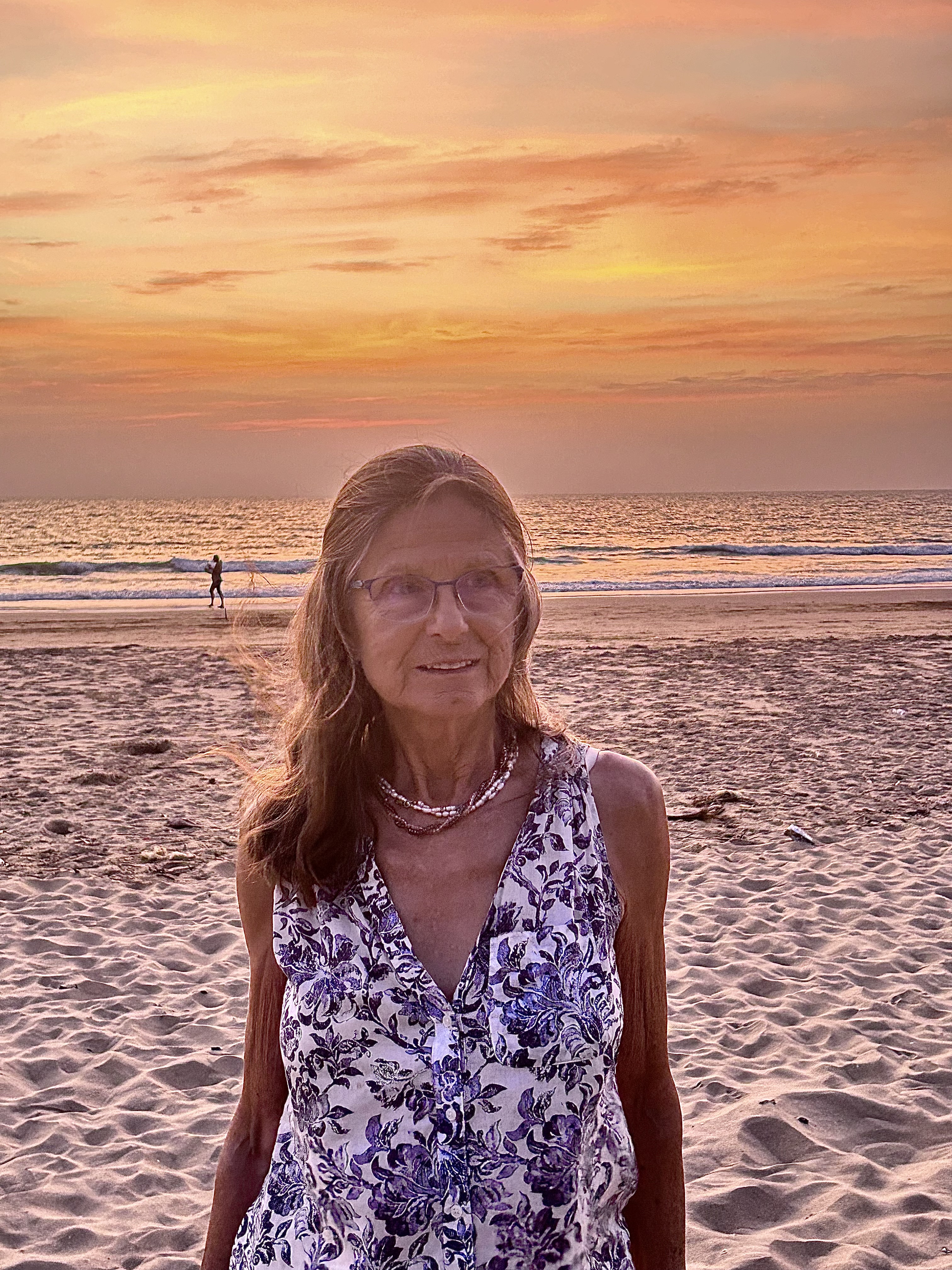
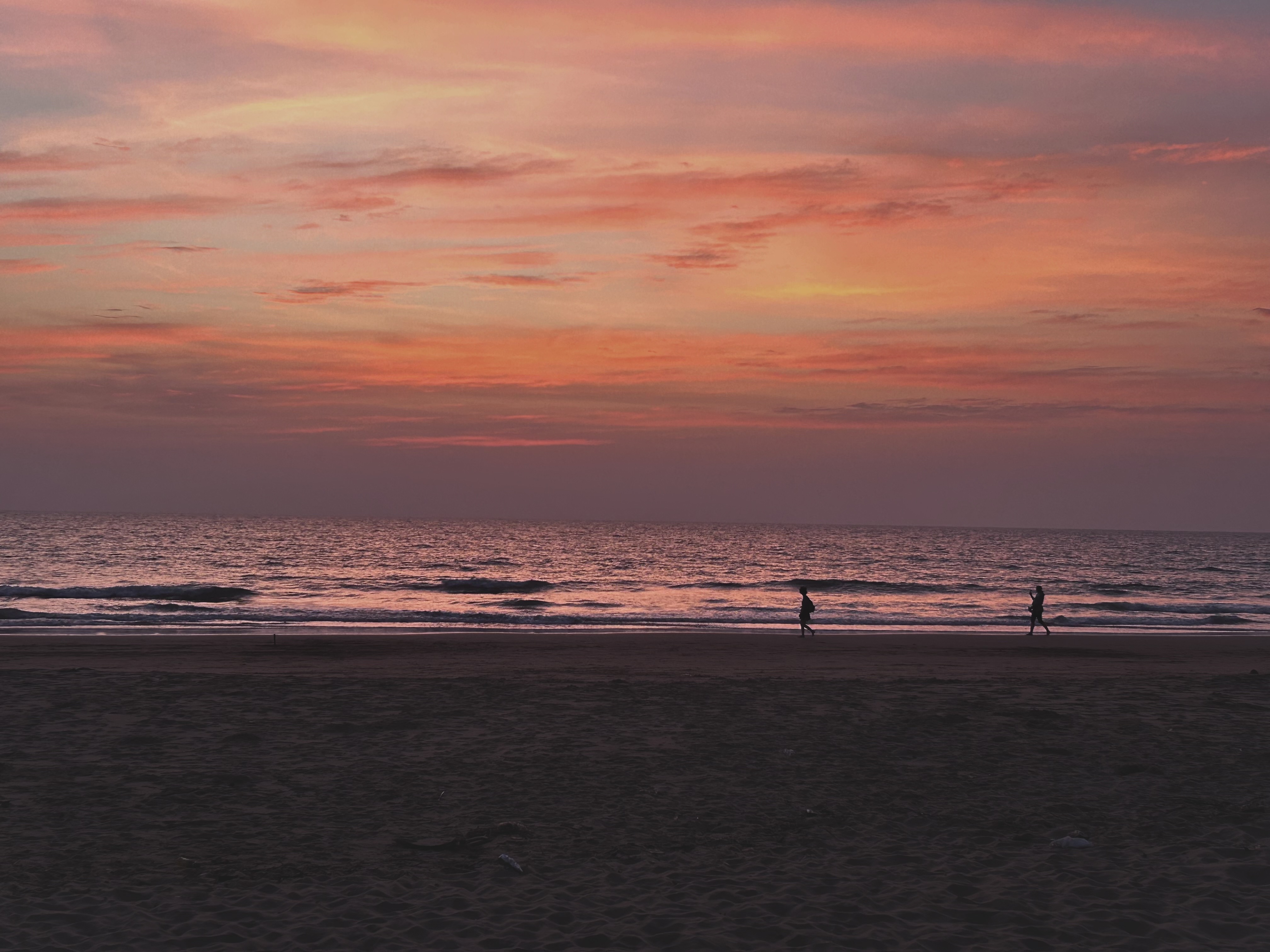
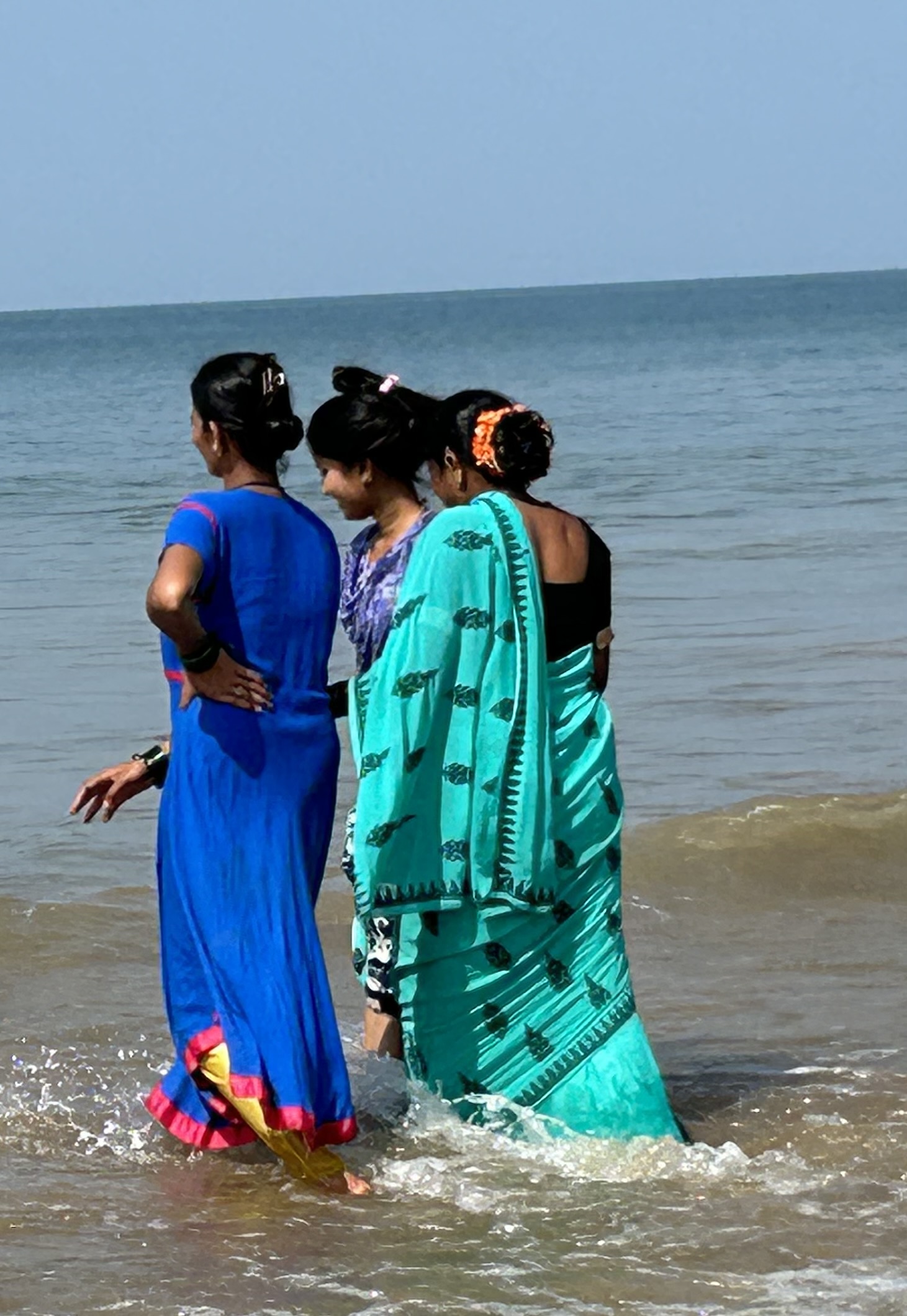
Here at the beach my life revolves around the sea. We swim every morning, in the afternoon I walk along the water’s edge (one swim a day is enough for my dry aging skin), and in the evening we go back to the beach before sunset for dinner at one of the restaurants there. I’m drawn to the sea like a magnet. Today there were high waves that made it too difficult for swimming, but I still had to play in the surf.  I share my love affair with other westerners who return year after year and now more Indian tourists are joining in.

Even though they don’t generally swim, they love to splash around in the water fully clothed.  

A few days ago, a large water turtle was washed up at the edge of the sea. I knew it was dead because its head was fully extended from its shell.  But the turtle could only have died a short while ago because its scaly head and fins were still pristine. Later that evening I was relieved to see it gone.  I didn’t like to imagine this noble creature being picked at by birds or dogs.  

Last week, I was reminded about how dangerous the sea can be.  A Russian woman out swimming by herself ran into a boat. No one knows if it was a fishing boat, pleasure boat, large or small.  Her face was badly cut but there was also fear of brain damage and she was taken to a Goan hospital.  The strange thing was even though she’d been coming here for three years, no one knew her. The Russian living in a hut next door accompanied her to the hospital but didn’t even know her name.  

Marion and Juergen have arrived from Germany. They’ve  been in the country for two weeks, and have a nightmarish story of sickness. They had just arrived in Mysore when Juergen had what seemed to be a heart attack. They went to the hospital and he was kept for several days while all kinds of tests were done.  Fortunately there was no evidence of a heart attack, but no conclusive explanation.  And of course quite a large bill.  All too familiar to Gerard’s mysterious heart episode last summer.  

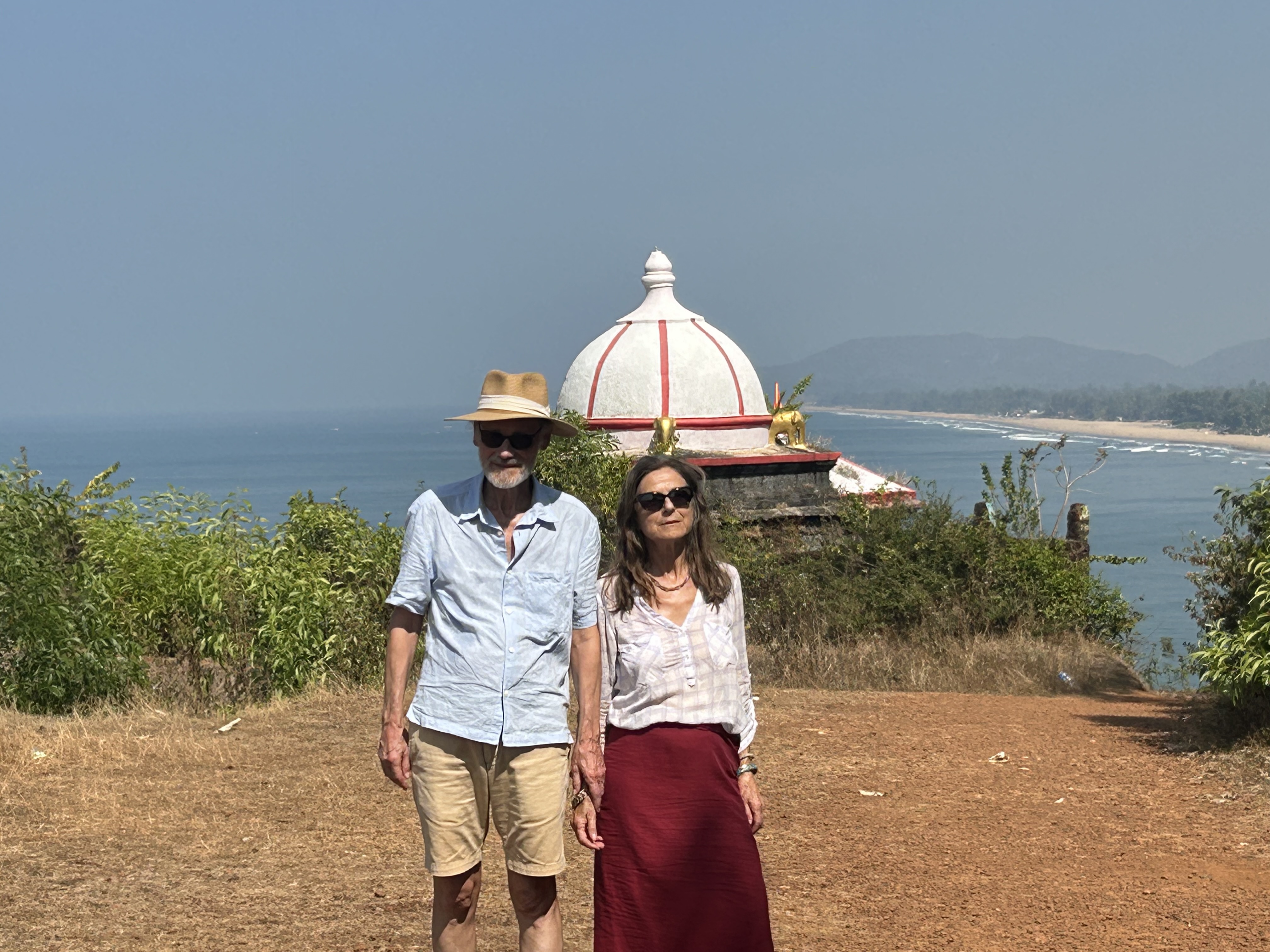
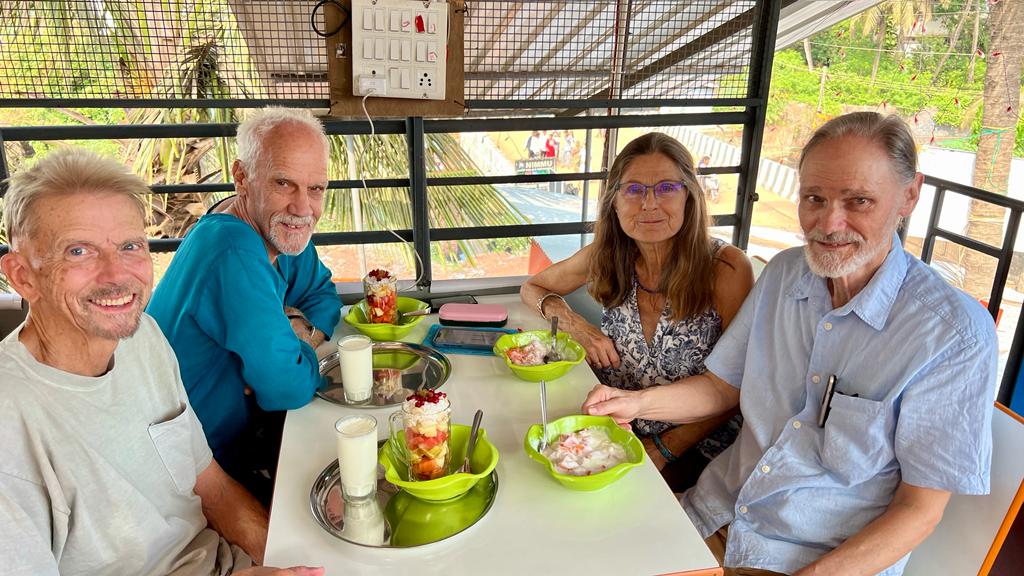
Frank, Peter, me and Gerard

Peter, our friend who lives in Auroville, has arrived to stay for a week. He came with a long time friend who had never been to India before but in a few months was covering a lot of the country, from Kashmir in the north, to Kerrala in the south. They’re staying at the far end of the beach from us. A beautiful spot, but too rocky for swimming.  Looking back down the coast to where we are staying, I was impressed at the long and relatively empty beach. 

The opportunity to talk with women one-on-one offsets the hearing difficulties of loud India.  Assuntina, a friend of Marina’s, is here for ten days and we walk the beach together in the afternoon. I tell her I’m too dependent on Gerard since my hearing loss.  A social worker, she suggests I begin taking measures now in case he dies before me.  I give serious thought to her advice.  But when I see her again she tells me she had worried she’d gone too far in talking about Gerard dying and upset me.  I welcomed her encouragement for me to contemplate Gerard’s death, or my own for that matter. At the cafe, I approach Iris an elderly lady from Germany, who I’d notice wears hearing aids. When I question her on how she deals with traveling here alone, she assures me, “Of course you could manage too!  I saw you talking with a woman,” and she motions over to Assuntina.  “Yes,” I say, “ but I was doing all the talking; it was a one-way conversation.”  Even at the beach, it’s a noisy world but I’m glad I’m here. 

Photo by Marina