A Chef’s Hat in the Mosque

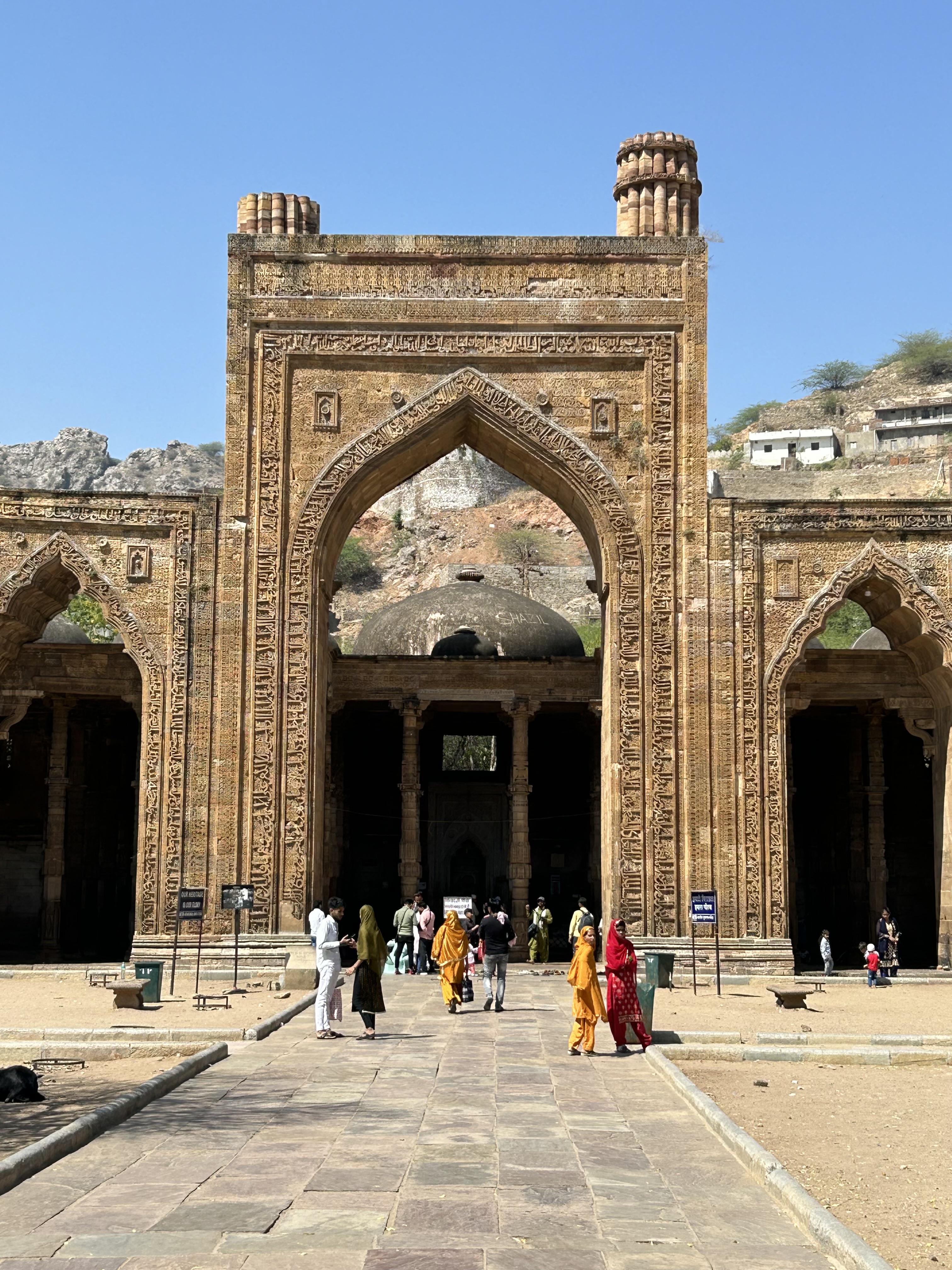
As our time in Pushkar was drawing to a close, we took up Marina on her promise to show us Ajmer. Only a half an hour away, the main attraction is a Moslem Dargah (a shrine built over the grave of a revered religious figure, often a Sufi saint or dervish). Rajiv’s daughter, Pryanka and her friend, Nadine joined us. Before the Dargah, we visited the ruins of Adhai Din Ka Jhonpra, the oldest mosque in India, built in 1190.

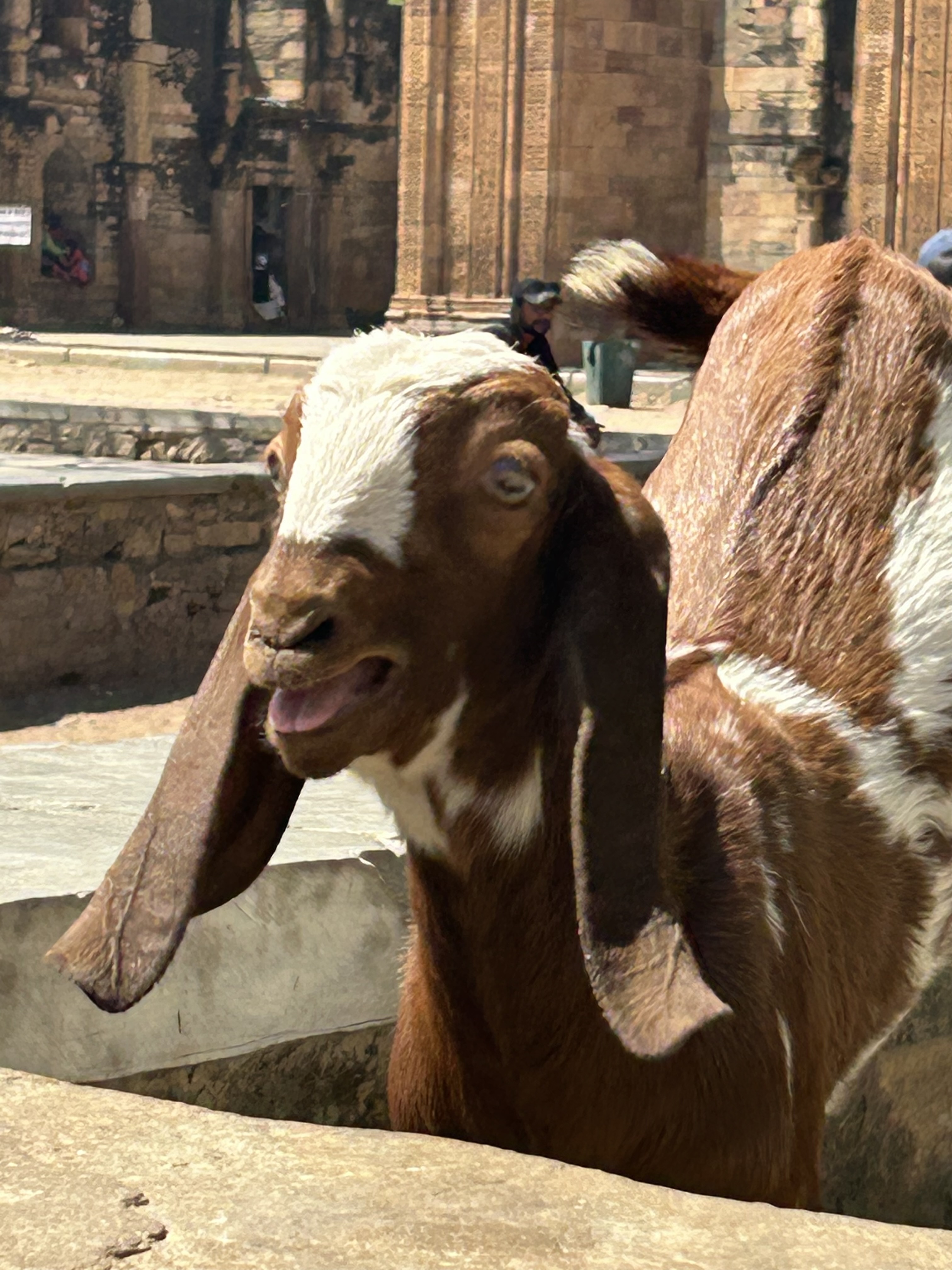
A peaceful spot in the center of the hustle and bustle of the Moslem quarter with goats grazing and families relaxing in the shade.
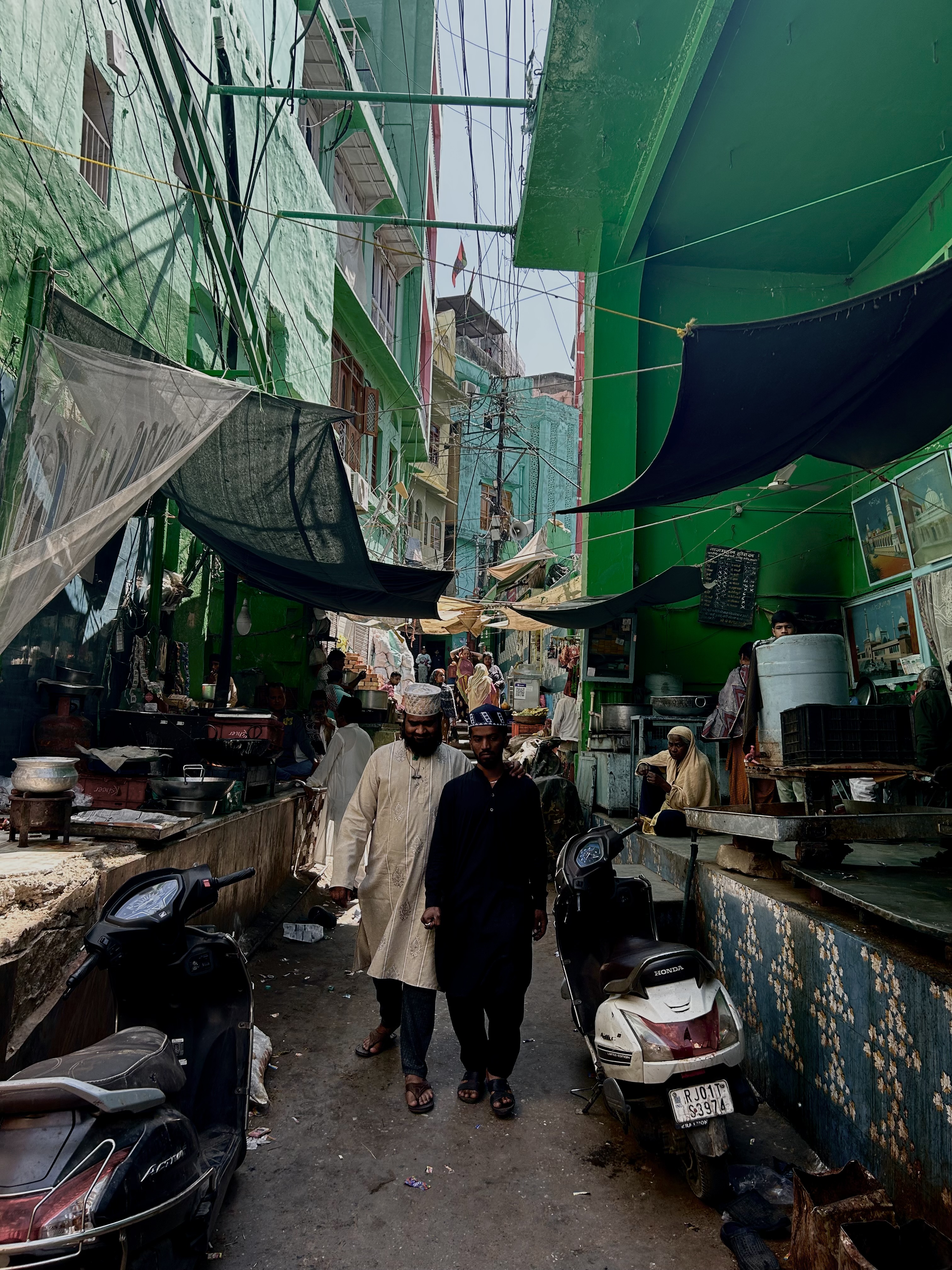
It was Ramadan (when the Moslems observe fasting during the daytime) meaning there were less horn blowing vehicles in the narrow streets and lanes than usual.
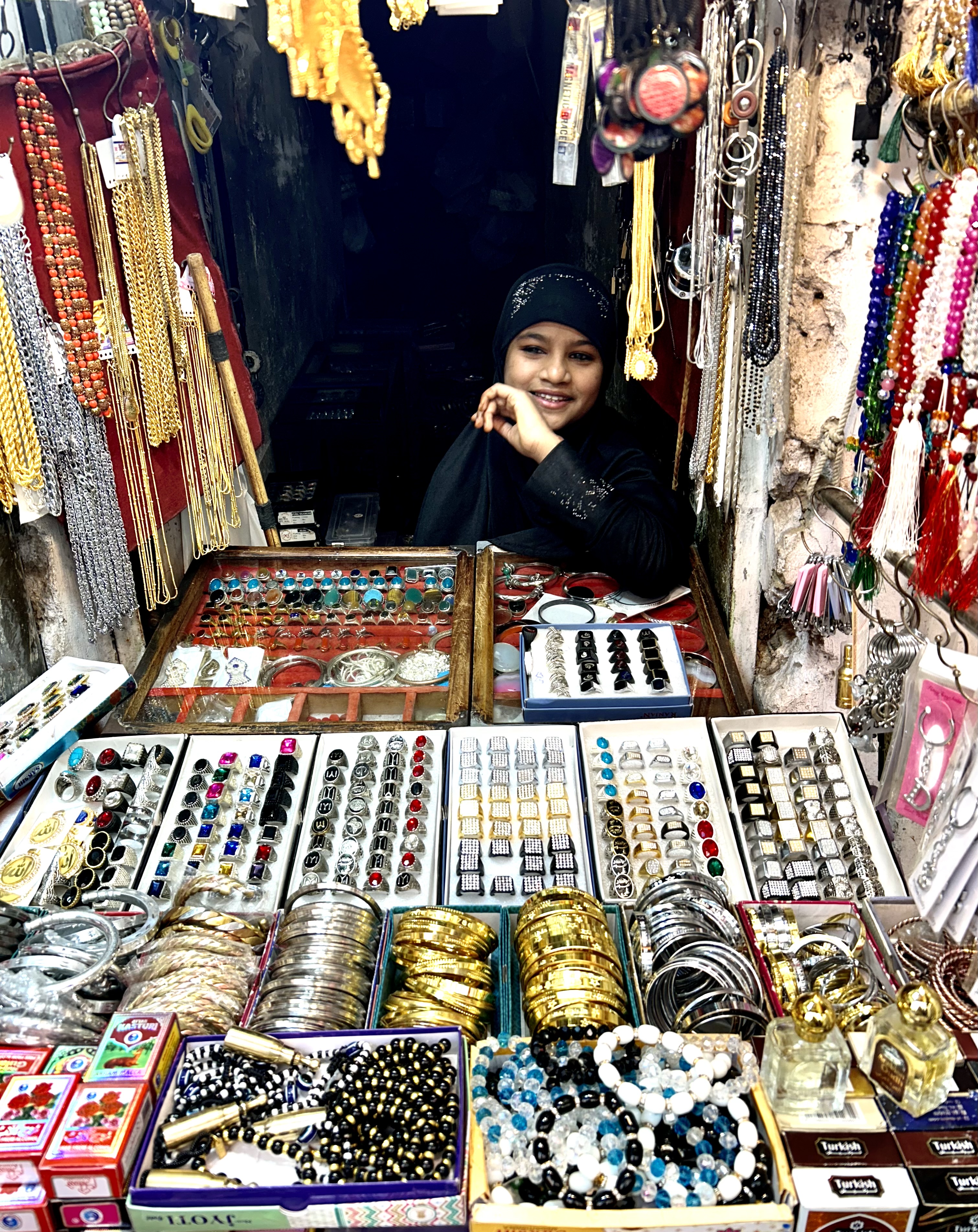
We had lunch hidden behind a curtain so not to offend the faithful. Beside the restaurant, a man stirring a huge cauldron of dahl enough to feed 700 when the Ramadan fast is broken that evening. A woman beside him was making stacks of chapatis.
The Hazrat Khwaja Garib Nawaz Dargah is where Sufi saint, Khwaja Moinuddin Chishti was buried in 1236 and is visited by Hindus, Christians and Buddists. For Moslems, this is the third most holy place for pilgrimage.
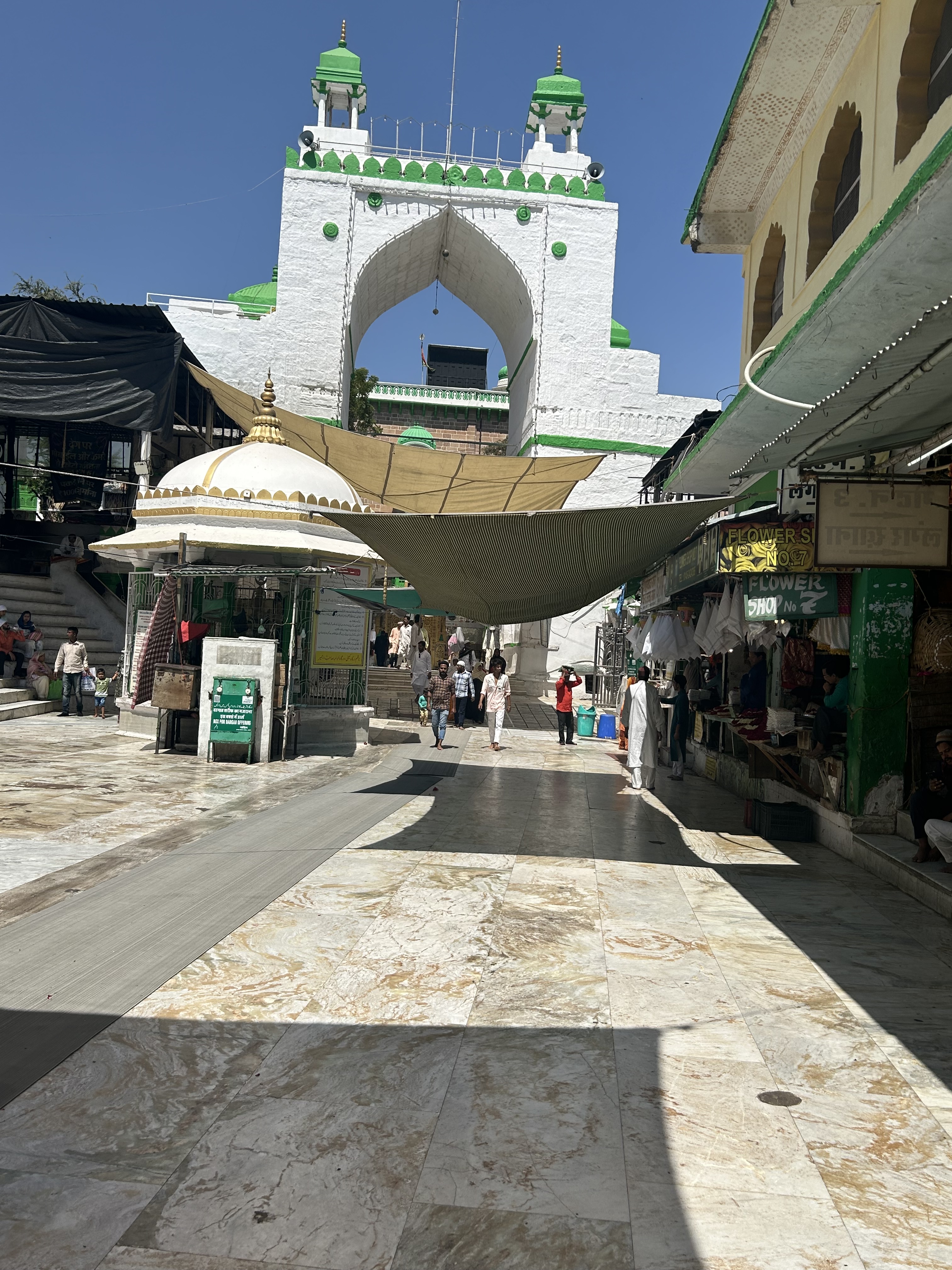
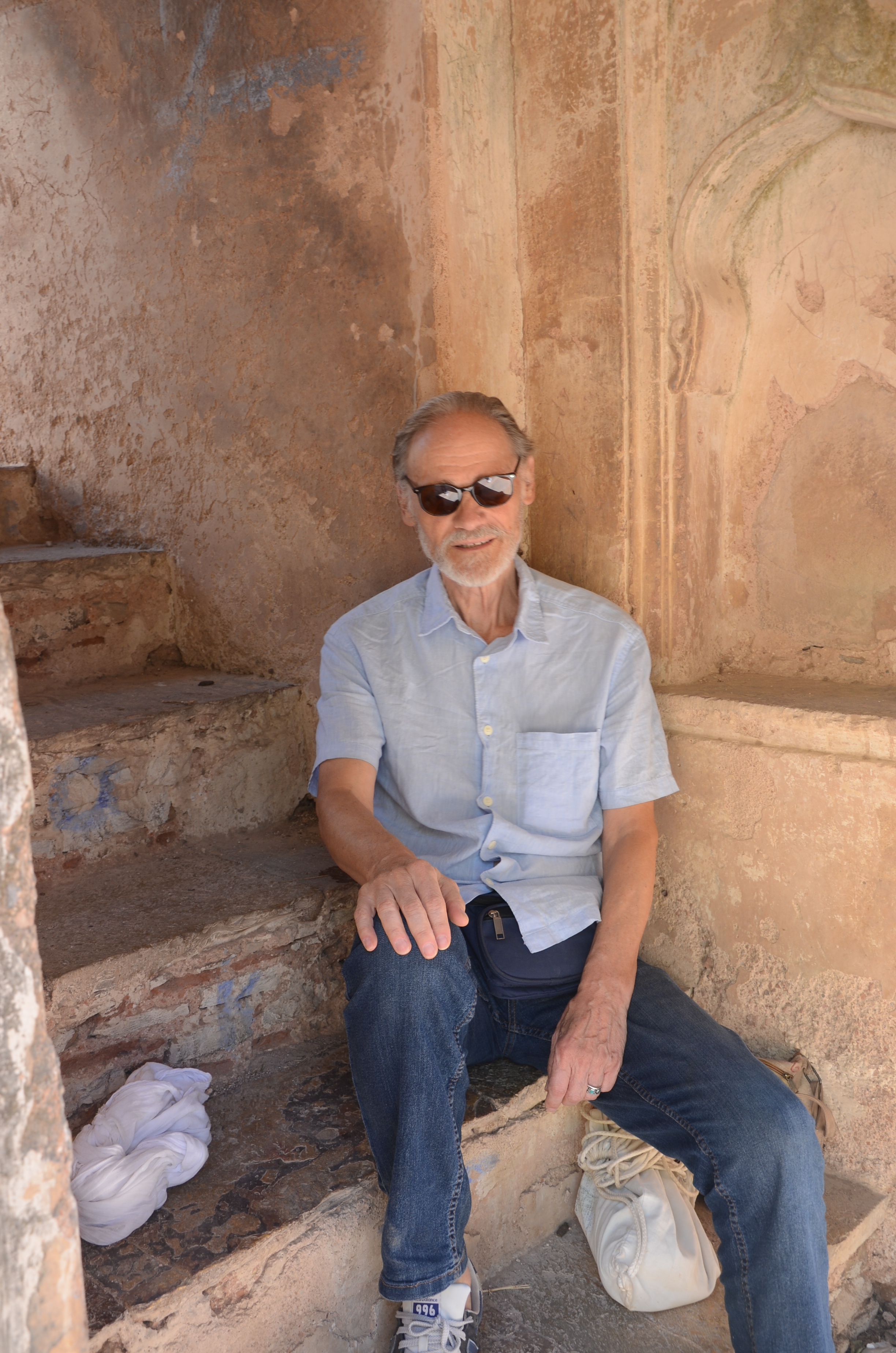
We spent time sitting in the mosque courtyard, taking in the charged atmosphere before entering the tomb to receive any benefit the Saint wanted to give. But first, Gerard needed a head covering and was given a heavily-starched white handkerchief. It perched on his head like a chef’s hat that amused us but he didn’t seem to mind.
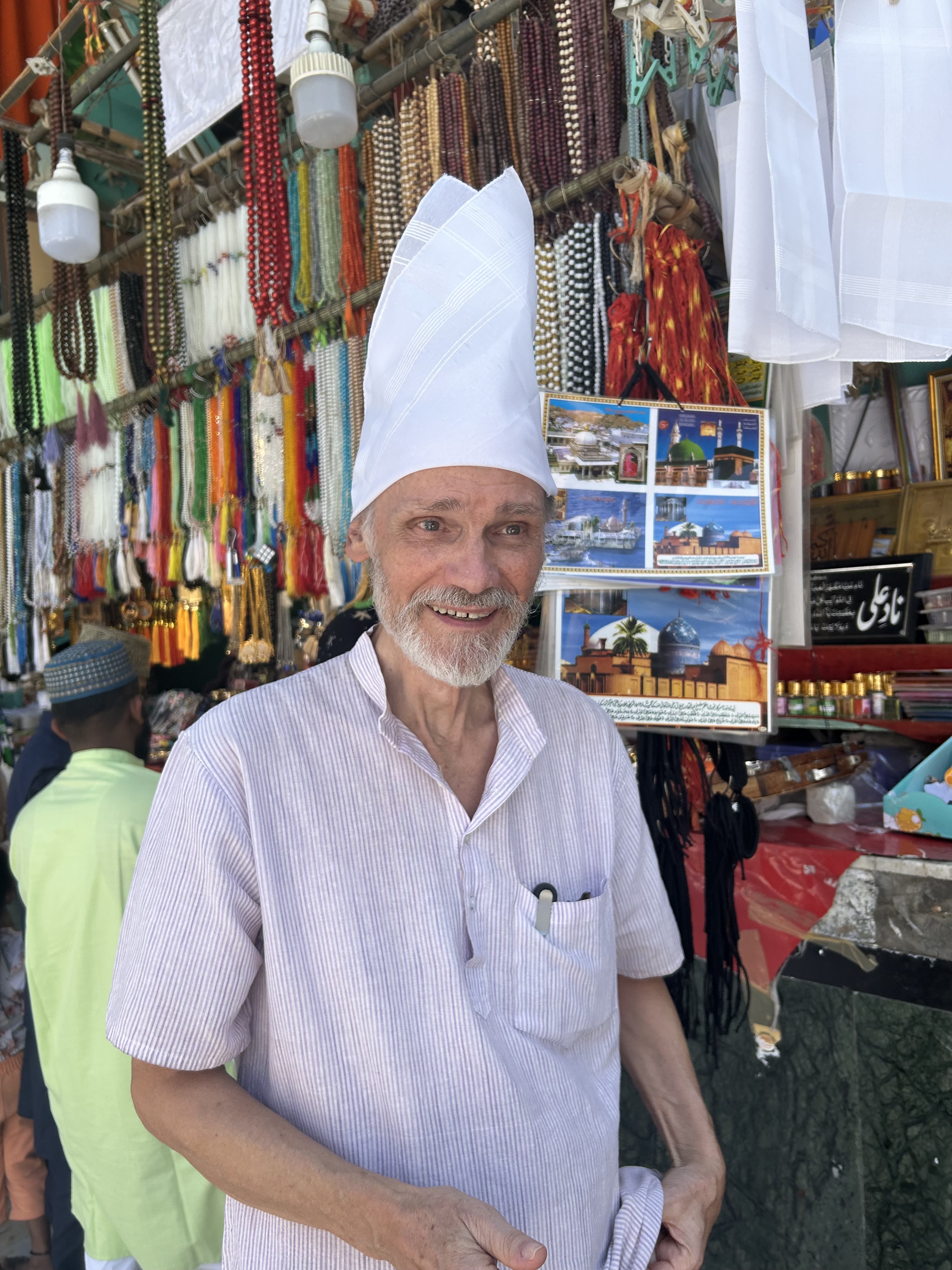
The tomb was crowded but we were able to find a spot to contemplate, undisturbed. Beside the tomb or in the courtyard, for once, everyone dropped their religious identity and became a moving mass of humanity.

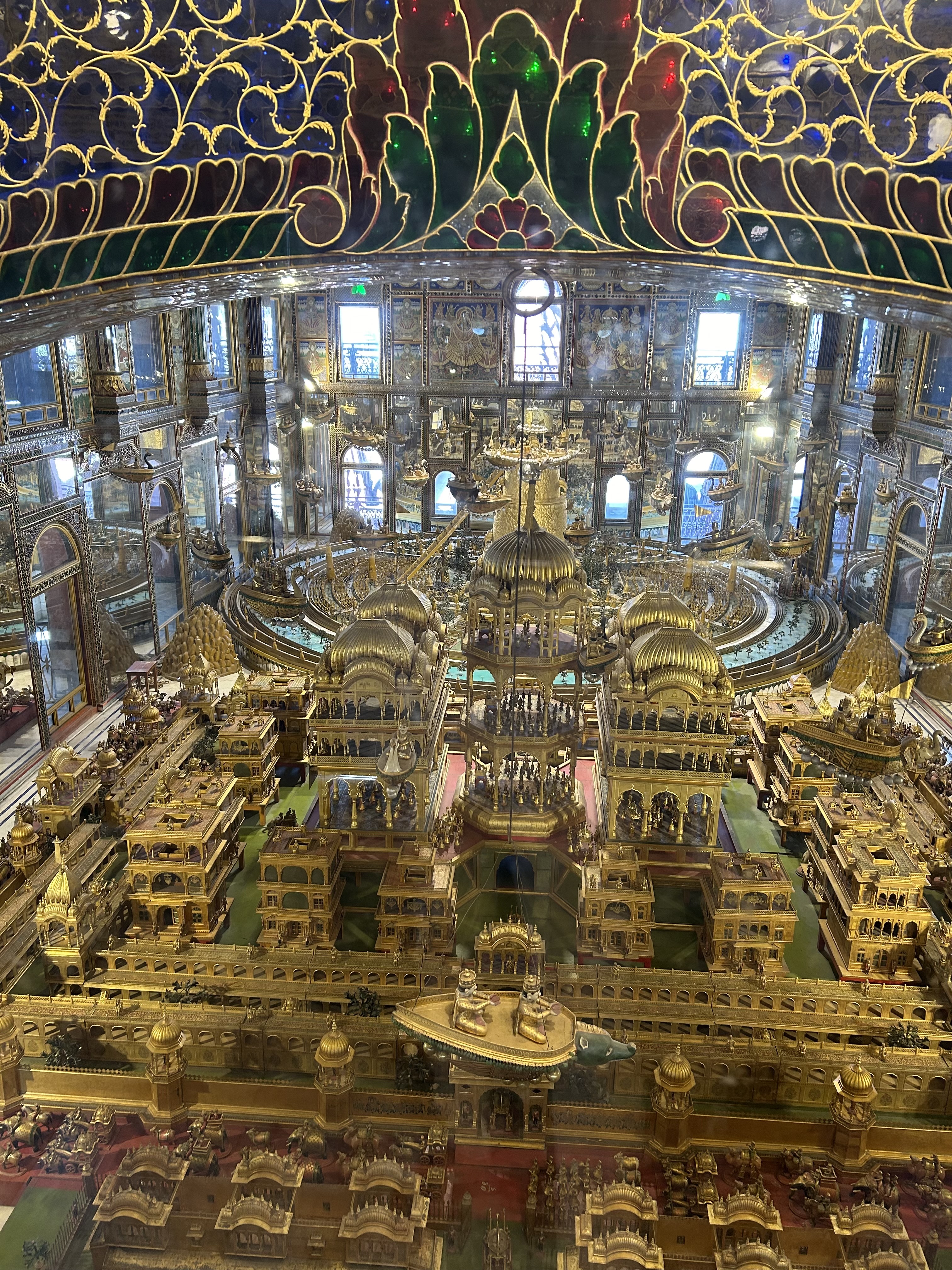
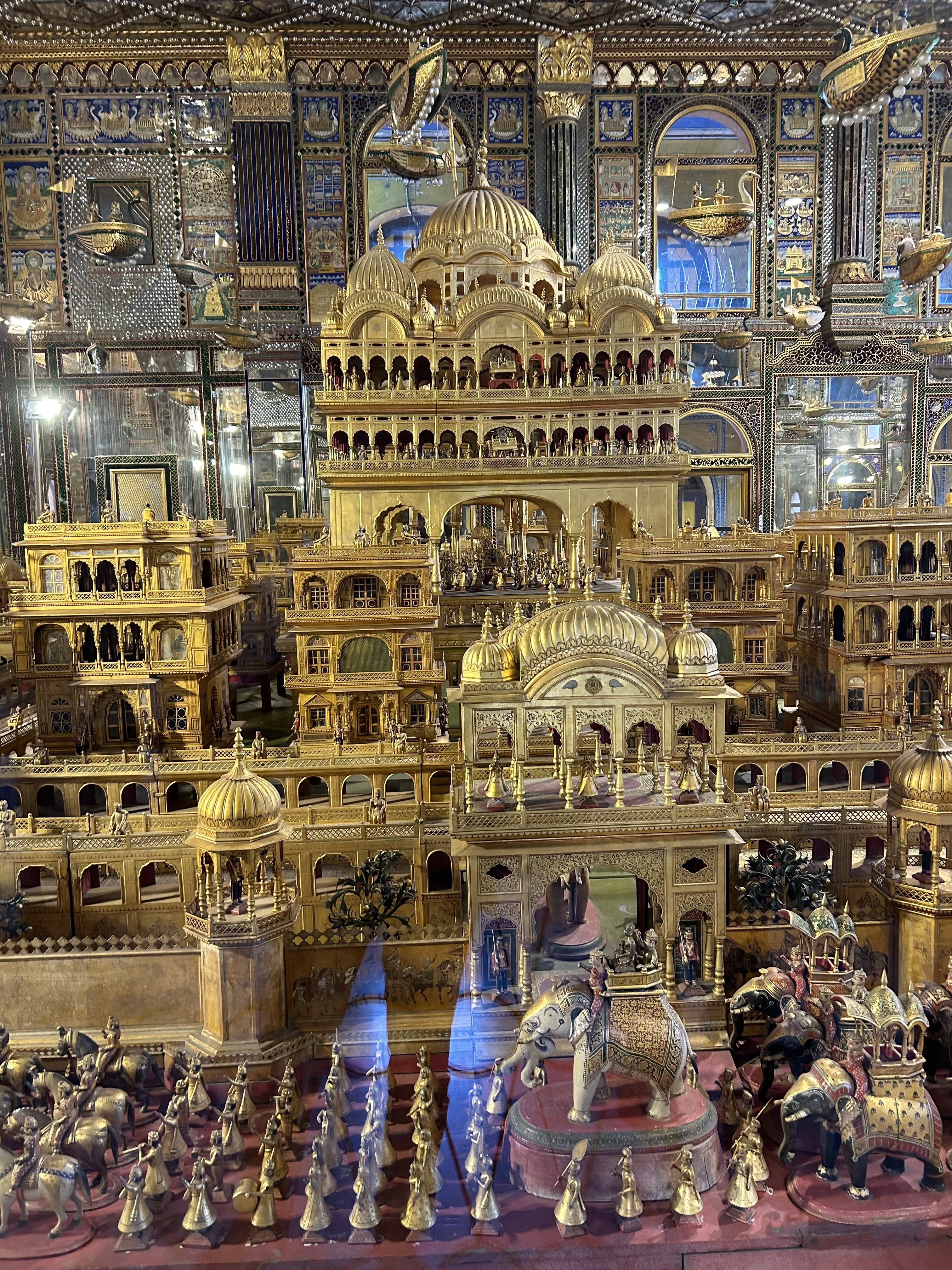
The second place Marina and Rajiv wanted us to visit was a Jain temple that was built and is still owned by the wealthy Soni family of jewelers. Constructed in 1865 with a the two-story museum added 25 years later. In the museum, artisans from Jaipur fashioned a gold-plated three dimensional replica of a the Jain vision of the world. The golden city was like a huge elaborate dollhouse with its intricate carving, miniature figures, and flying spaceships. Five auspicious events in a Jain’s life are represented: conception, birth, renunciation, enlightenment and salvation.
Our day in Ajmer ended sitting by the lake eating ice cream. The city in way ways feels like India from 25 years ago, especially in the Moslem quarter with little emphasis on tourism. We would have missed out on what Ajmer had to offer us without Marina and Rajiv.

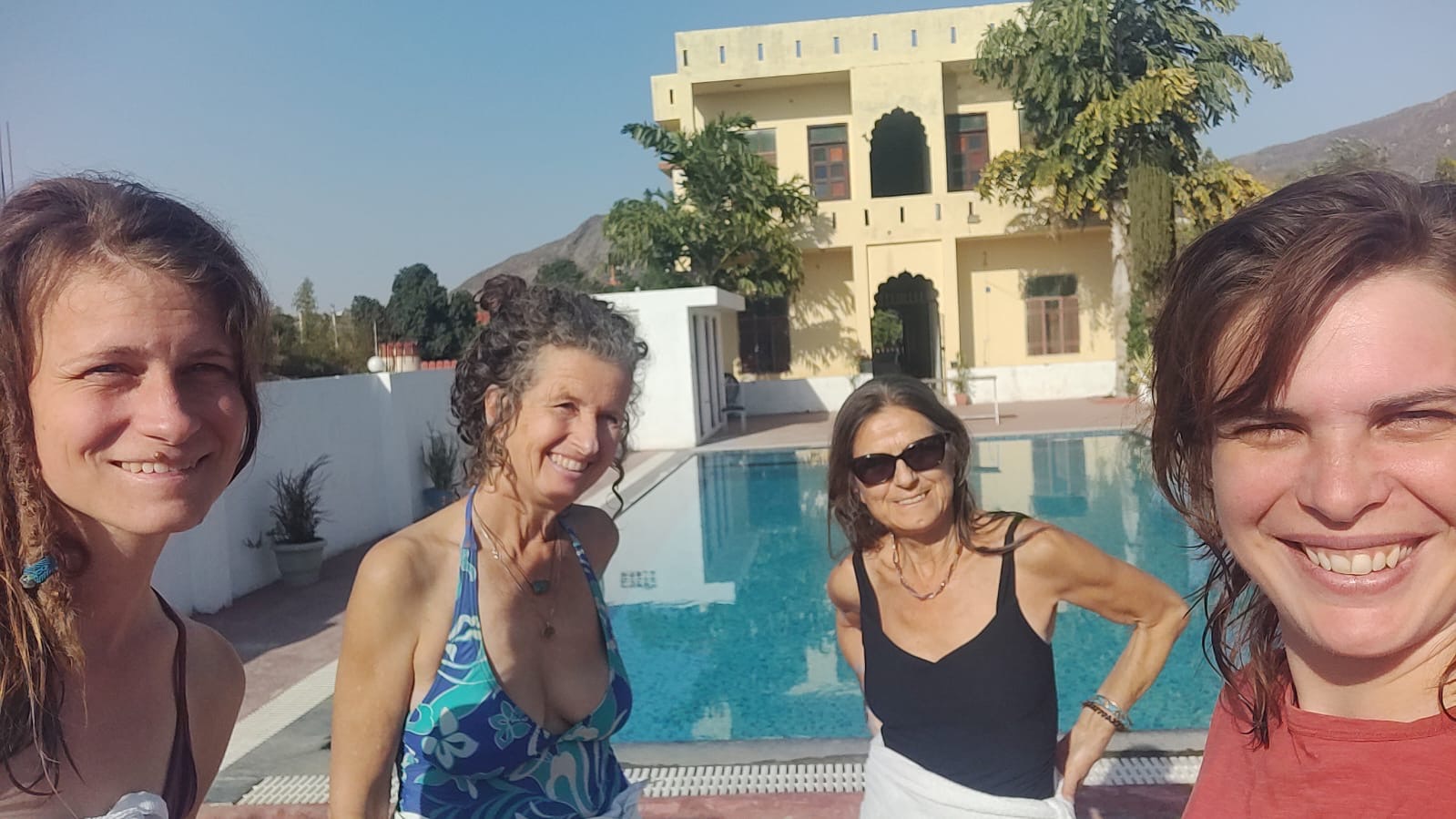
With the weather growing hotter by the day, Marina and I decided to visit a hotel with a swimming pool on the edge of town. Pryanka and her friend Nadine joined us. How refreshing to immerse ourselves into the cool clear water. Afterward, we sat beside the pool eating masala potato chips and paneer pakora, playing gin rummy! A perfect ending to our stay in Pushkar.
The next day we boarded our eight hour train to Delhi. Booking our tickets only two weeks in advance, sleeper class (just one class up from madhouse general seating) was all that was available. We had not anticipated the rush to get home for the upcoming Holi festival, and the train was packed (as in sardines). Our ‘compartment’ usually accommodates eight passengers but very quickly there were twenty jostling for a place to stand. And where to put baggage? And the 95 degree heat blowing in the open windows? The only reason we were able to sit was thanks to the boys who got on with us in Ajmer making room for the elderly.
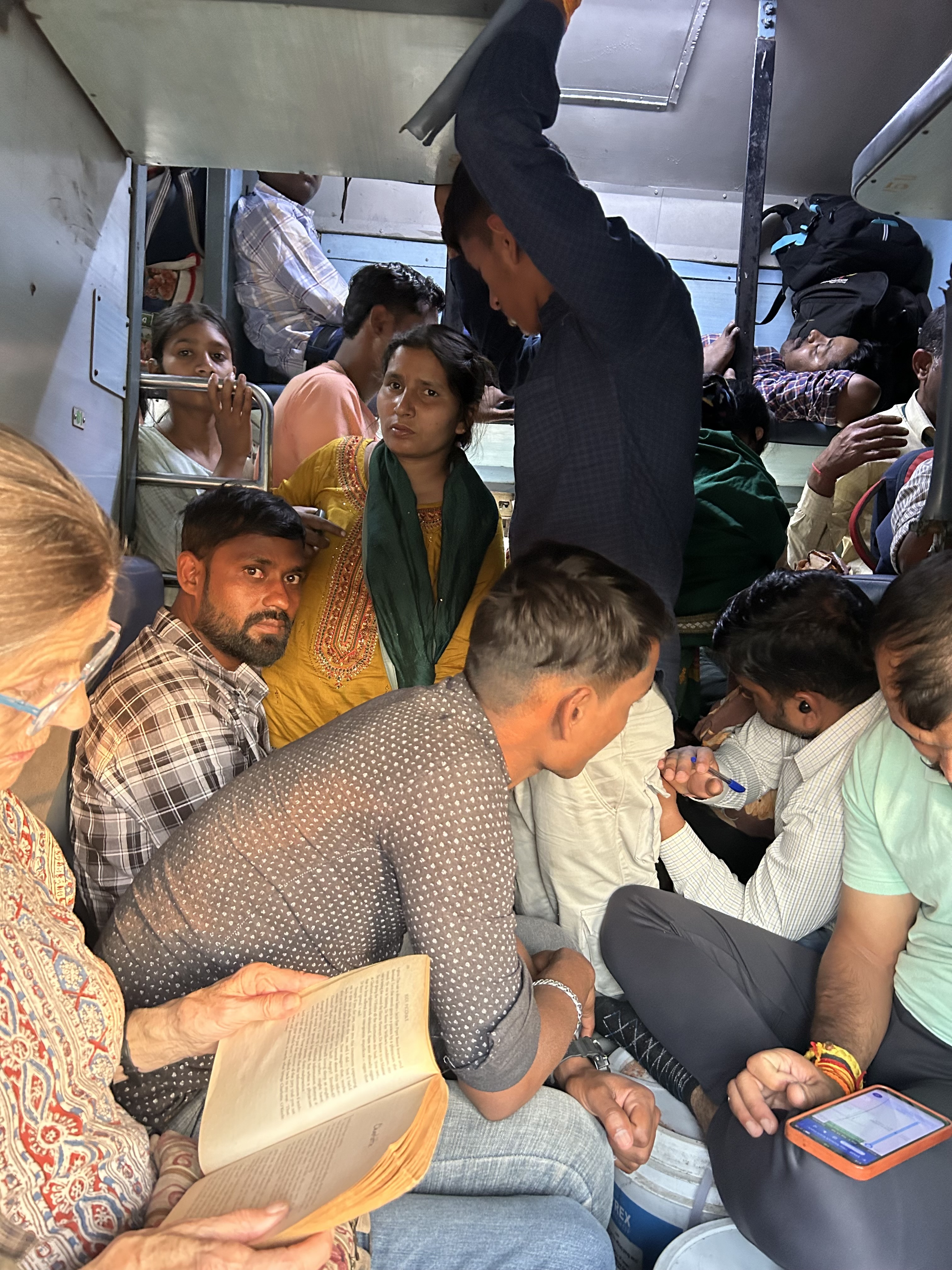
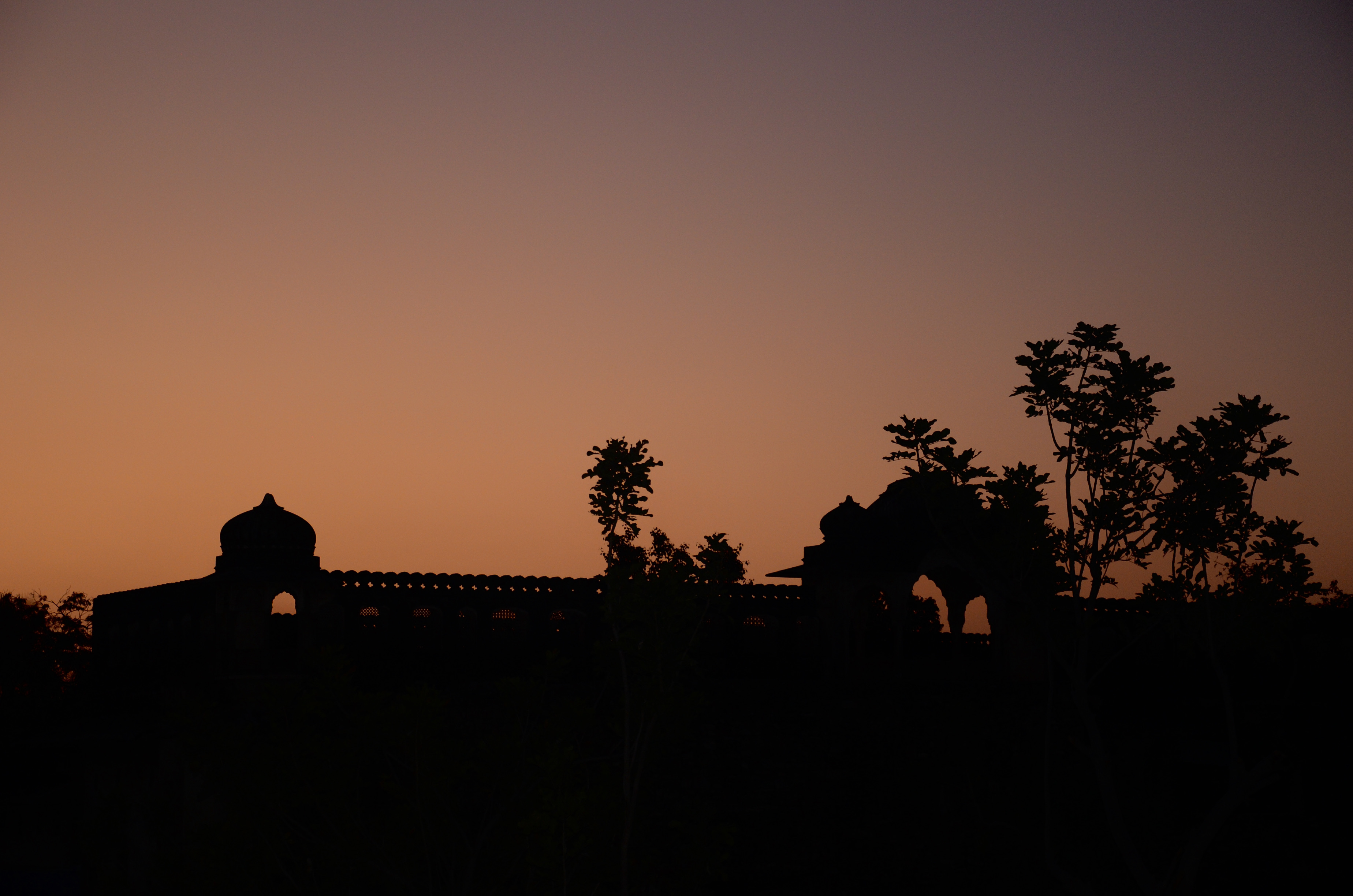
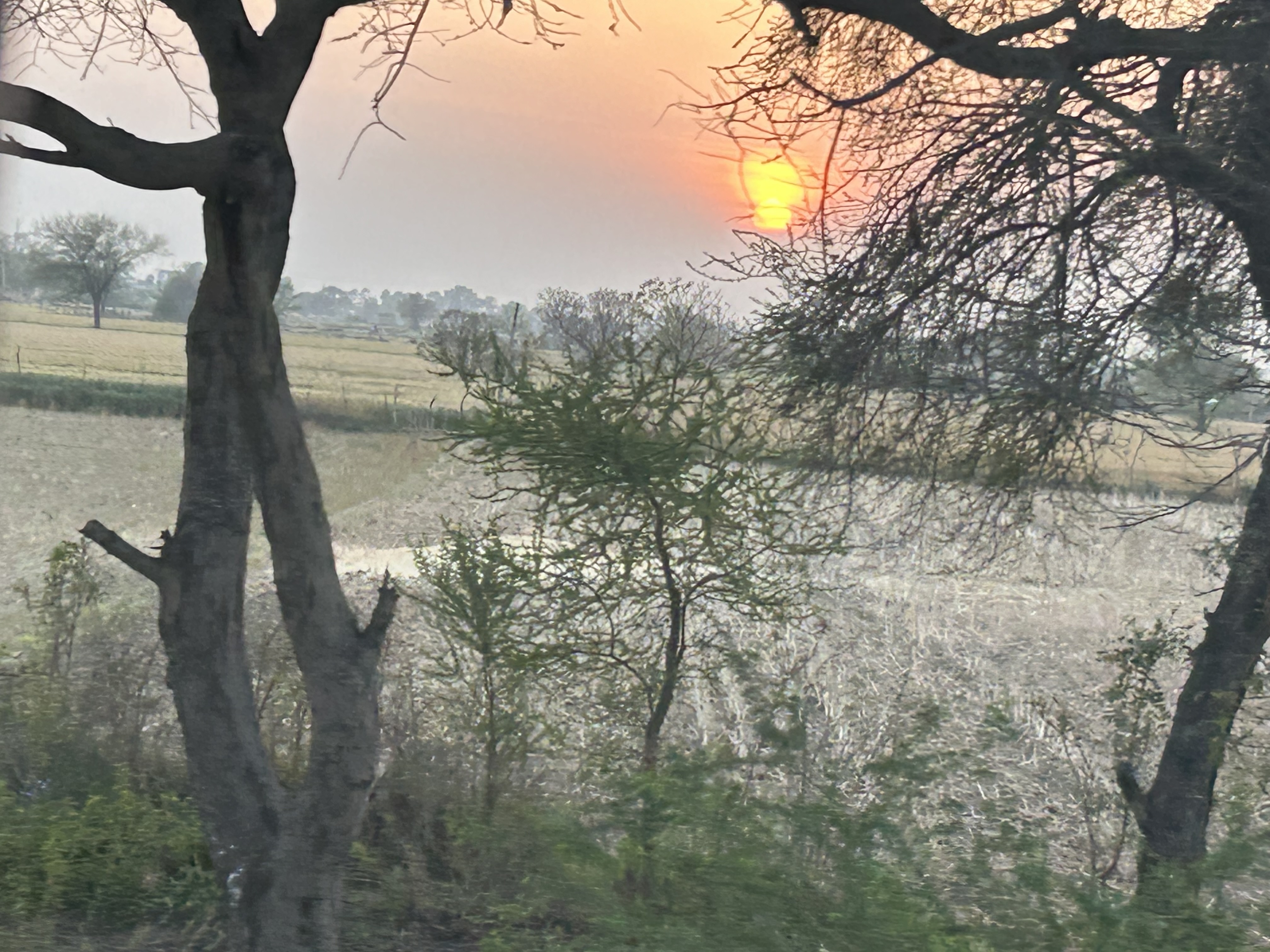
This may have been the first time we were unable to speak to anyone yet everyone was friendly. Gerard loves riding trains but this was too much even for him. This eight-hour journey seemed an eternity. But there was a nice sunset.
As we drew close to Delhi, Gerard worried how we were going to fight our way down the crowded corridor with our backpacks and cases. Again, the friendly young boys took control. One of the windows had no bars as it was an emergency window so even before the train was at a full stop, he jumped out. His mate pasted our cases to him, then he stood guard until we emerged out of the crowd. There was just enough time to thank him before the train started moving again (a two-minute stop). Would we have had enough time on our own? Another random act of kindness so typical of India.
Road to Pushkar

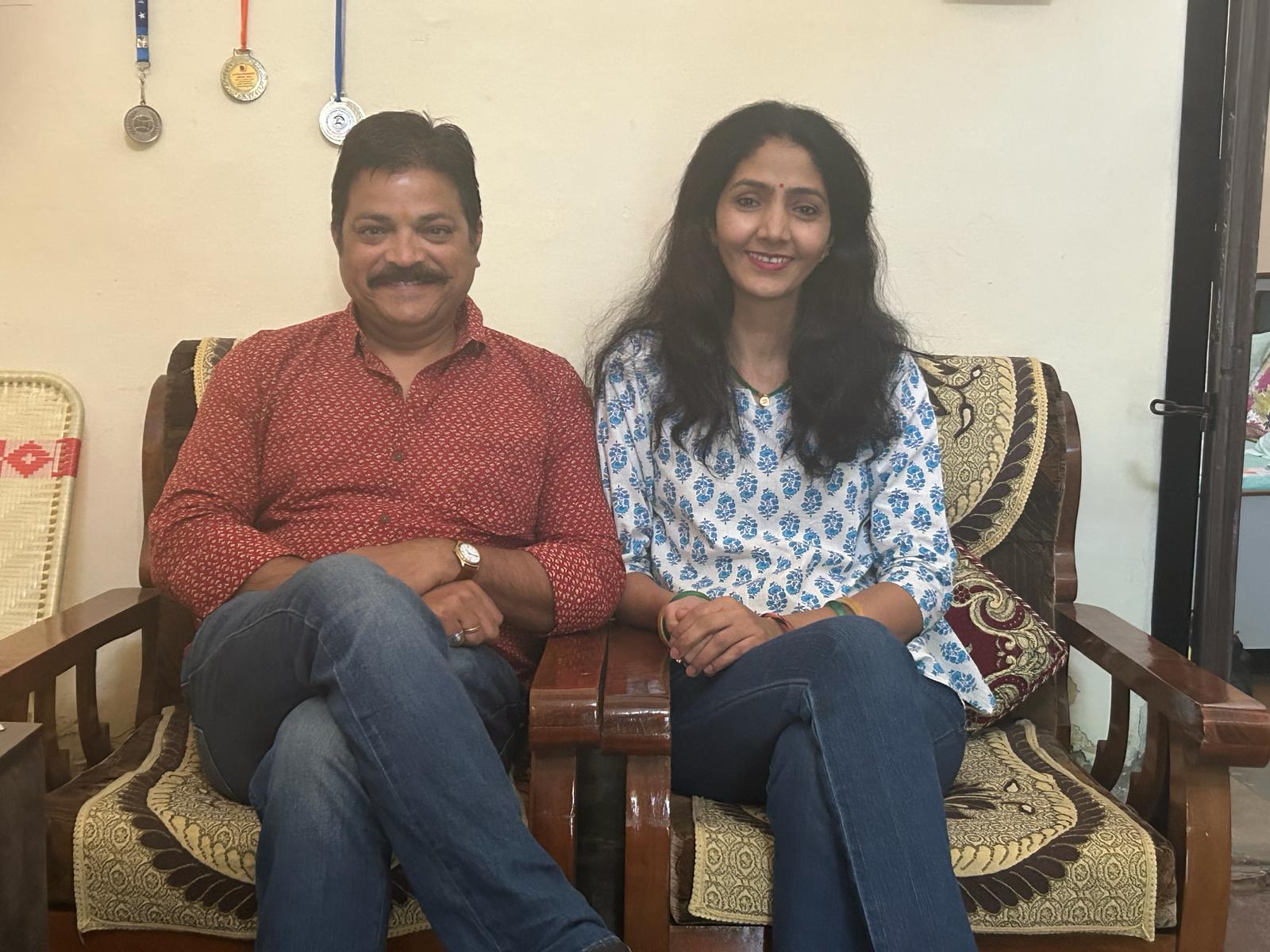
In the morning we prepared to take a tedious five-hour bus ride from Bundi to Pushkar. Raghu, our guesthouse owner, announced that he was going to Ajmer and would we like to join him. (His wife had moved there with the children to attend school) We happily agreed. Pushkar is only a half hour bus ride from Ajmer. It was still a tedious drive but far more comfortable than the bus and on the way Raghu entertained us with family history. He insisted on us meeting his wife who graciously served us tea and snacks.  

She admitted missing Bundi and meeting the guests in the hotel there, but the children’s education was more important.  

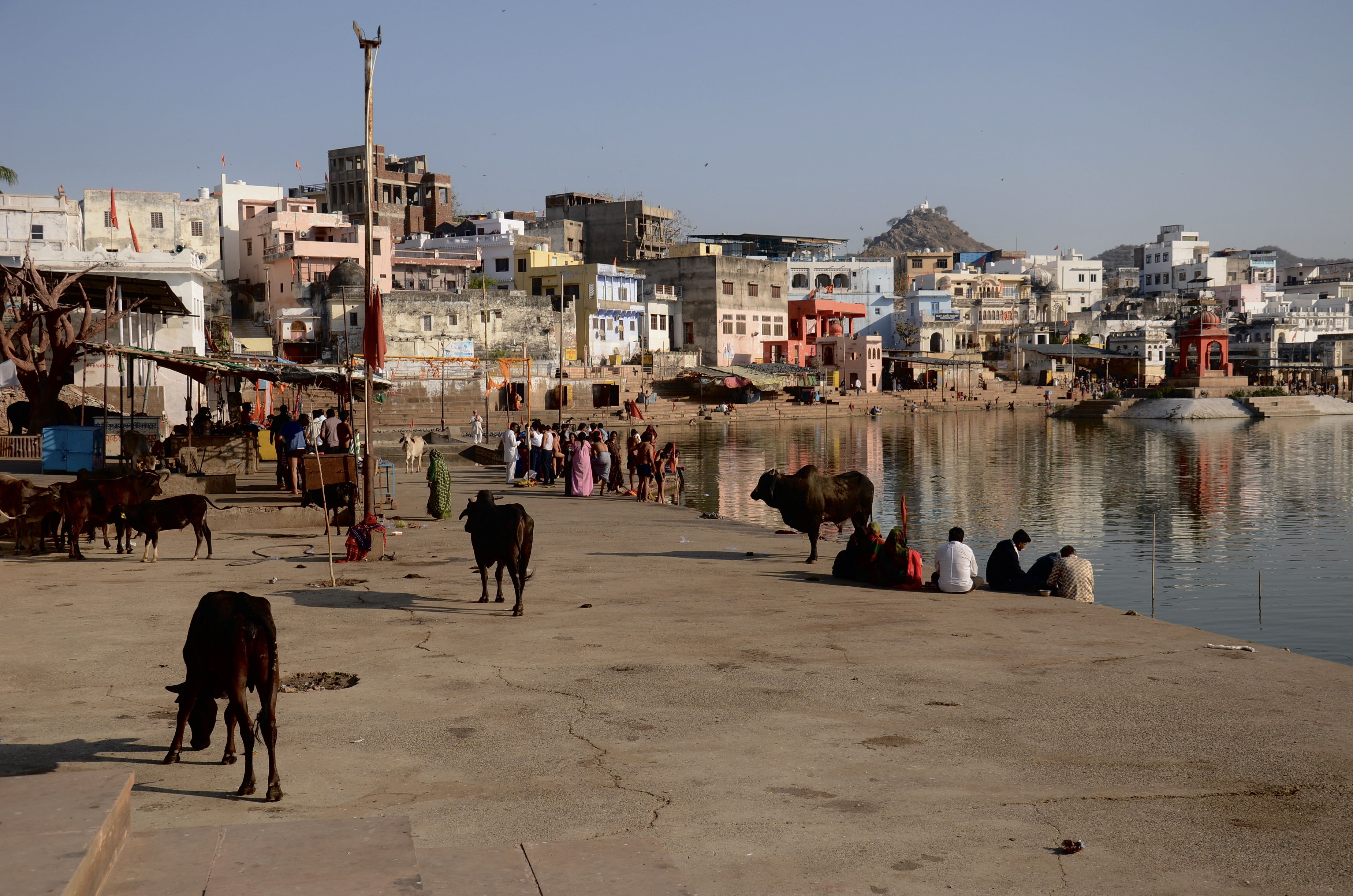
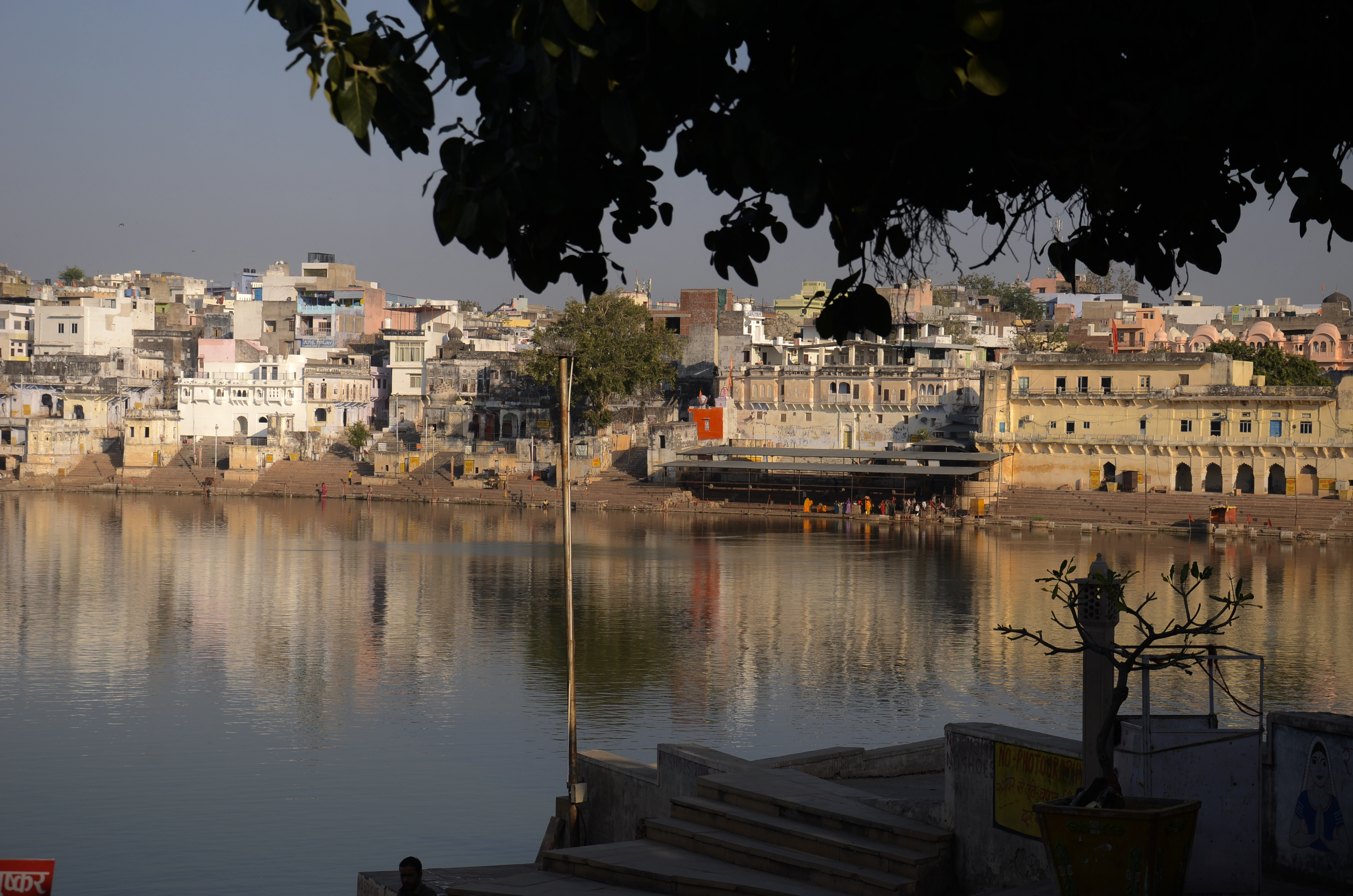
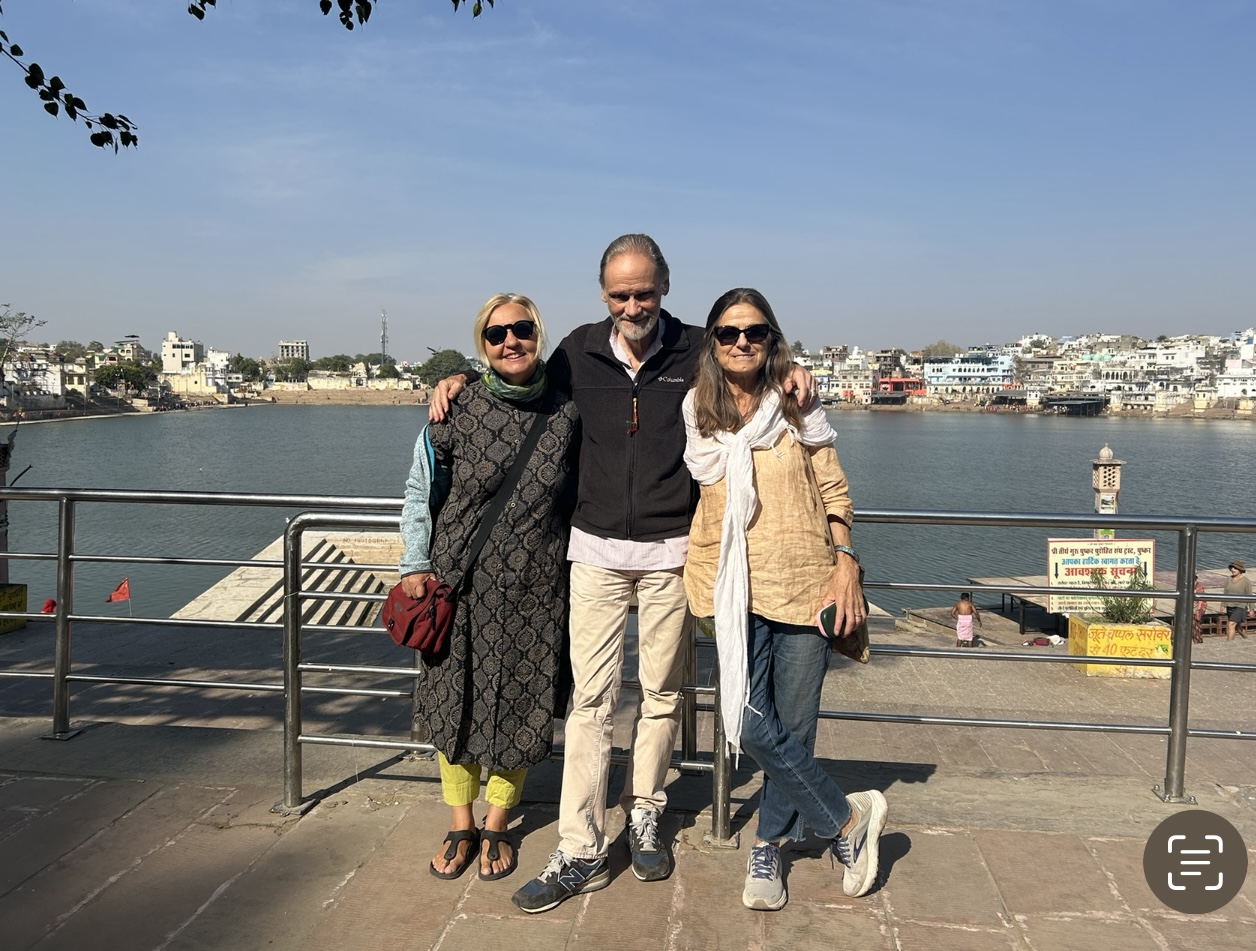
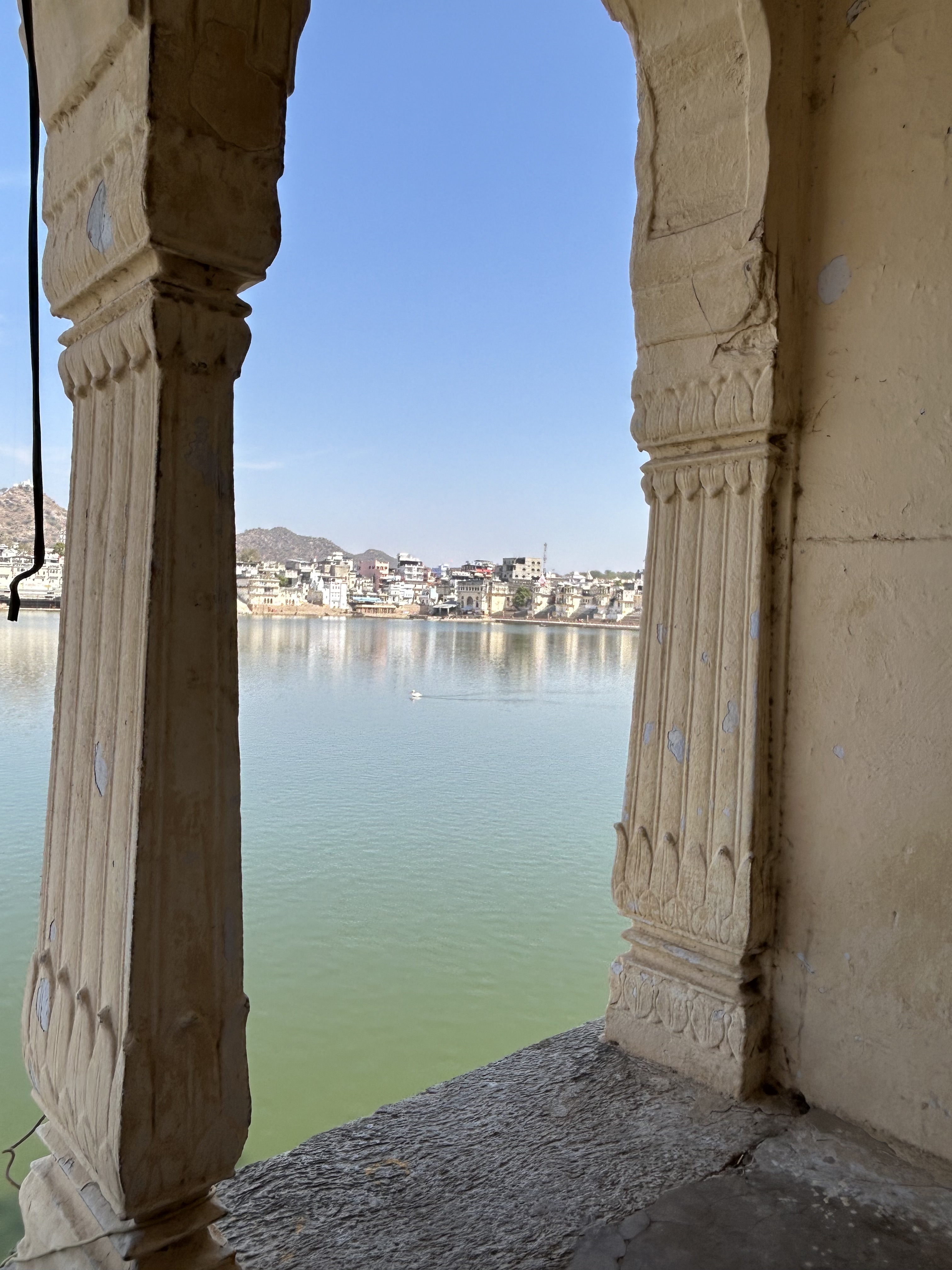
Pushkar, a temple town, is likened to a mini Varanasi with its bathing areas for pilgrims.

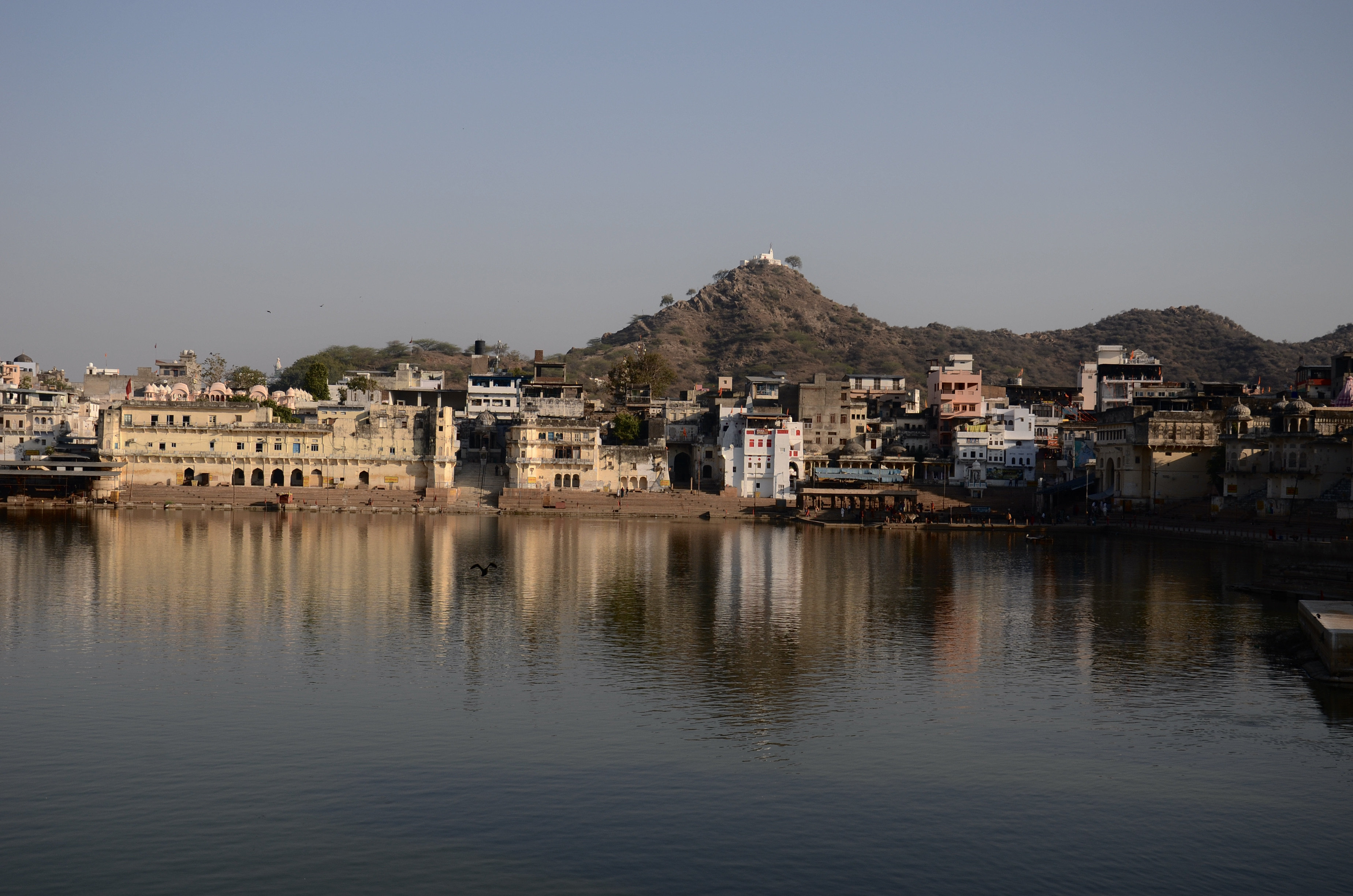
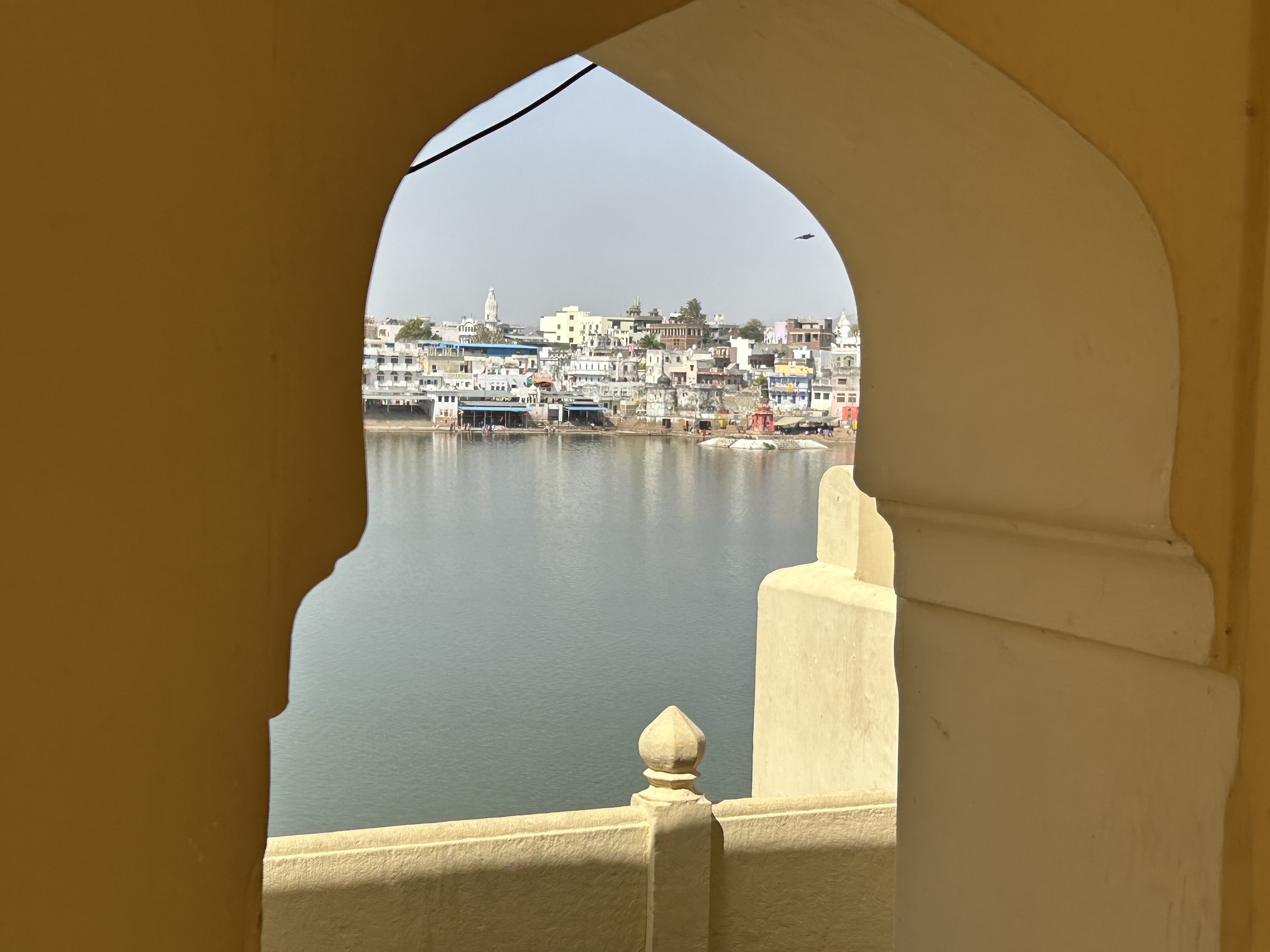
The town has changed significantly since we were last here ten years ago in the same manner as Udaipur. But Pushkar is still beautiful nestled in a valley, its lake surrounded by ghats and old havelis.

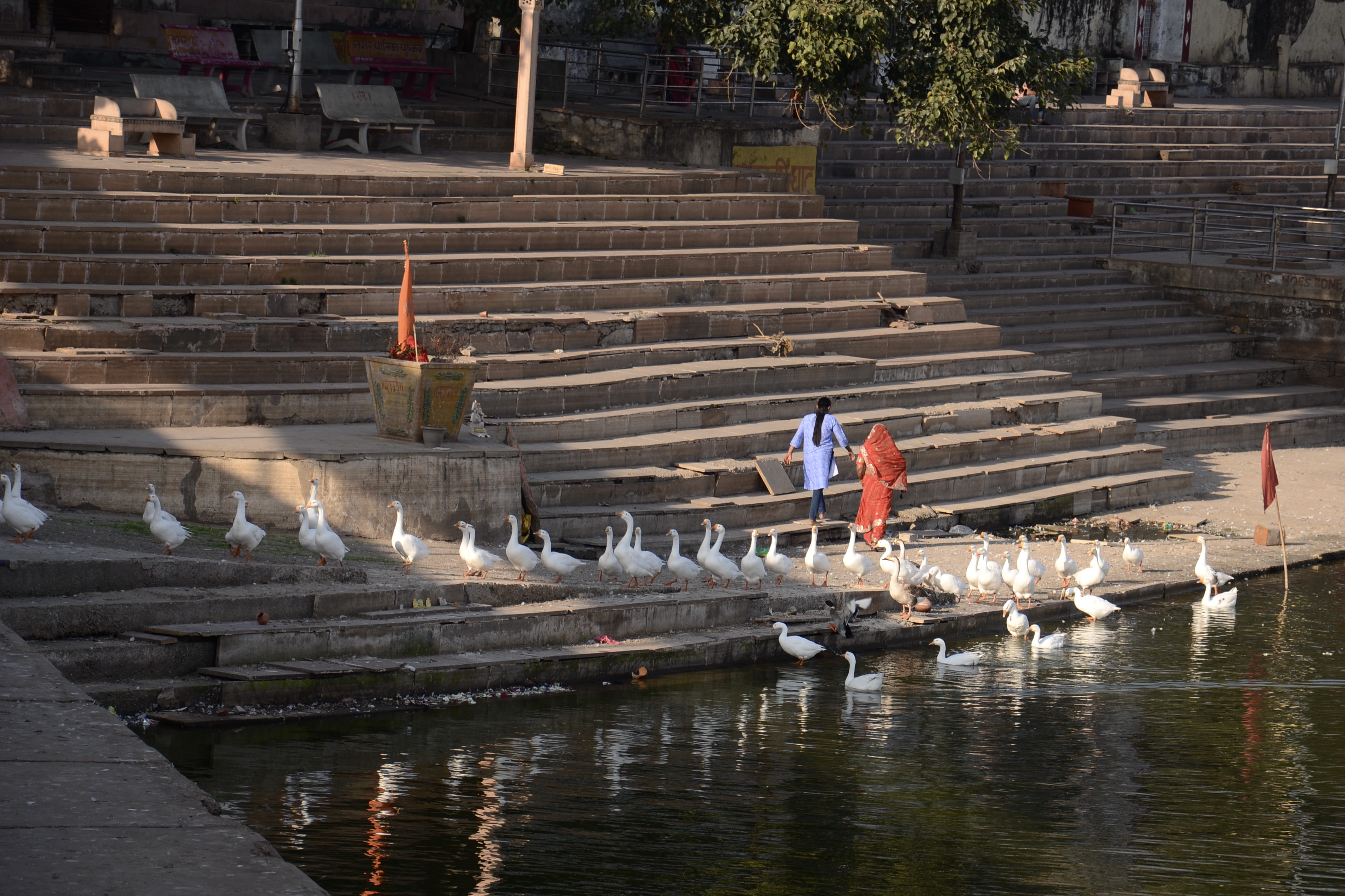
In the early morning light, geese parade,

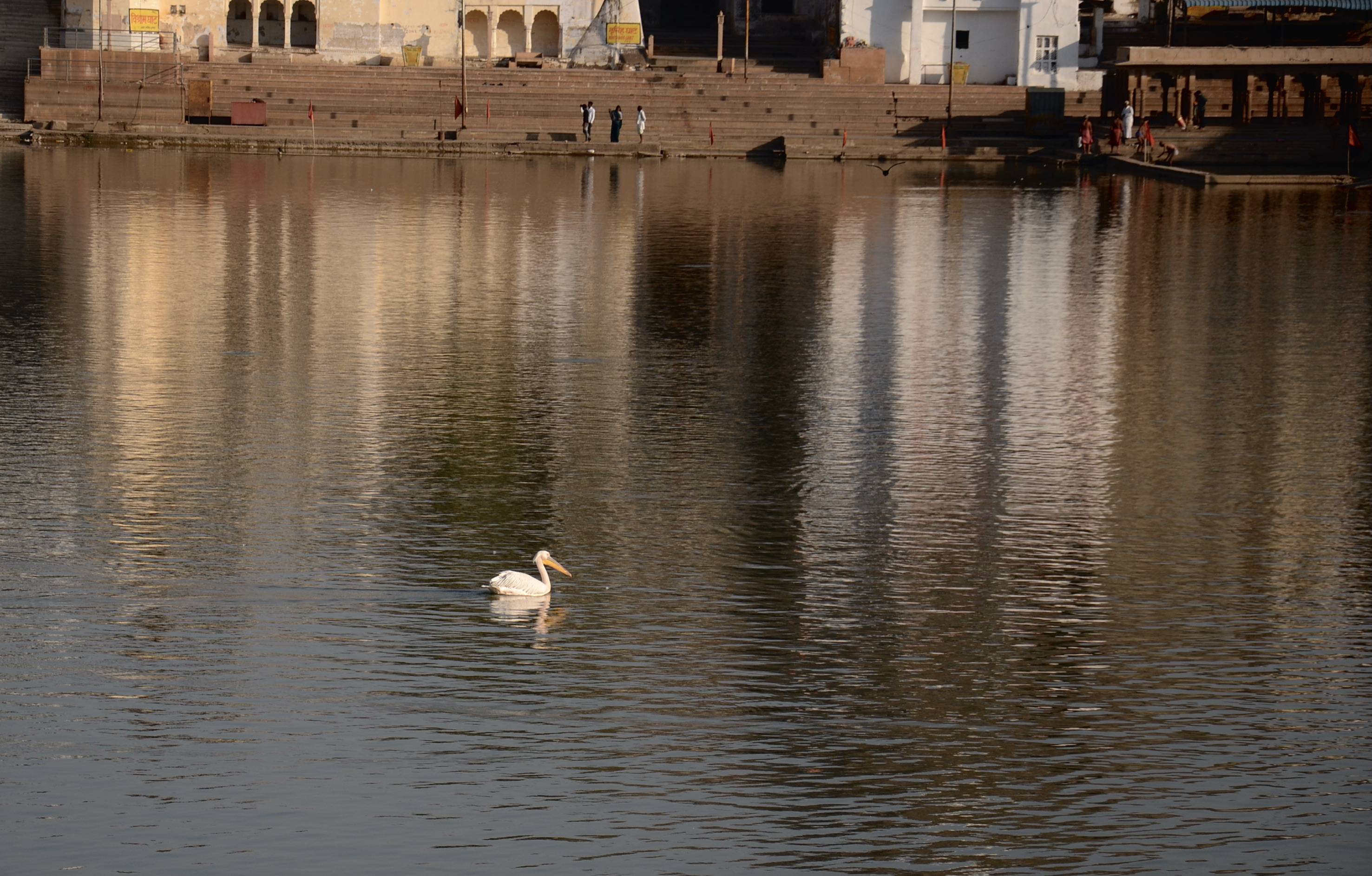
and pelicans glide.

Unusual hills overlook the town and the more energetic climb to temples at their peak. 

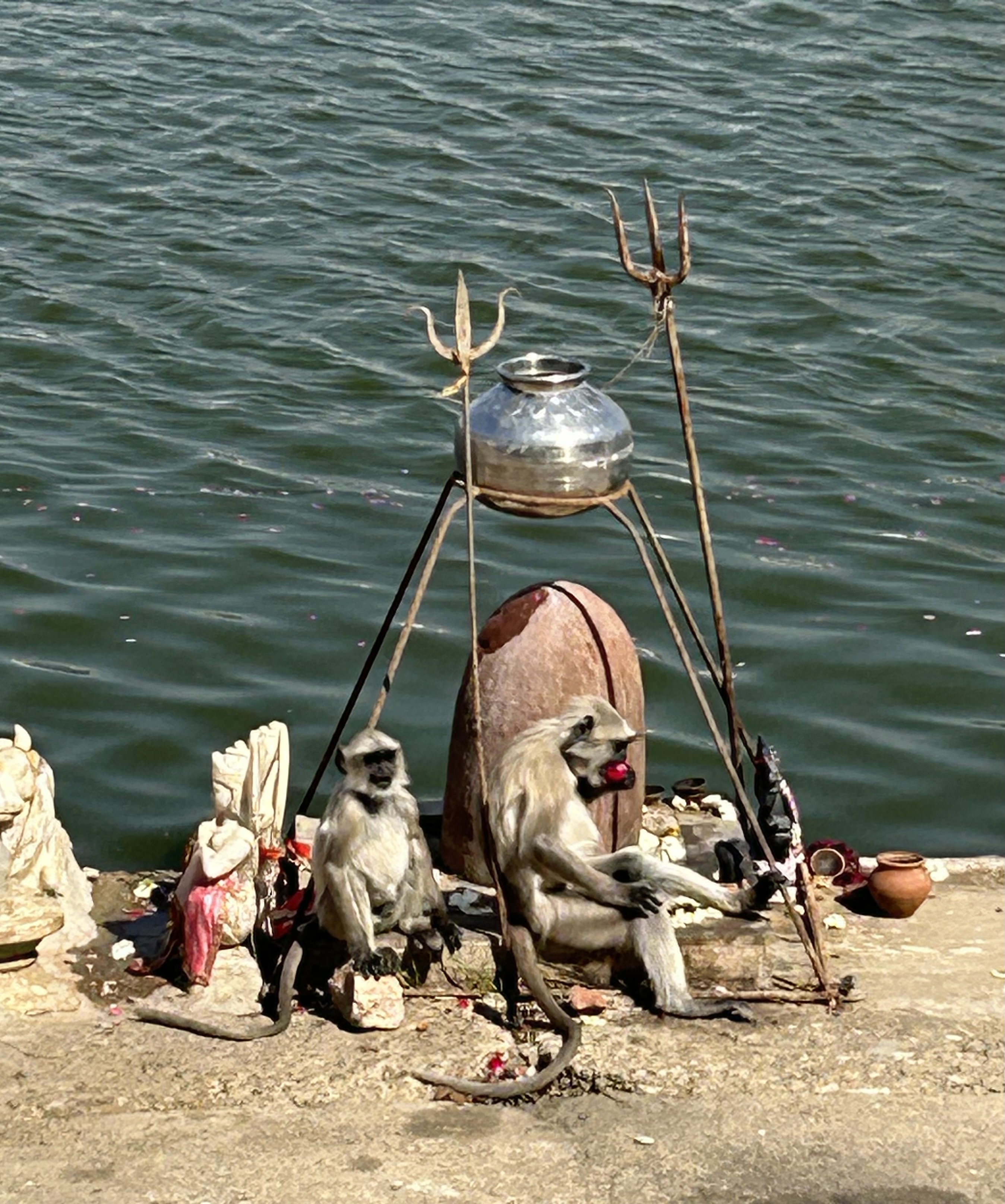
The ghat is shared with the black faced monkeys, often creating mischief.

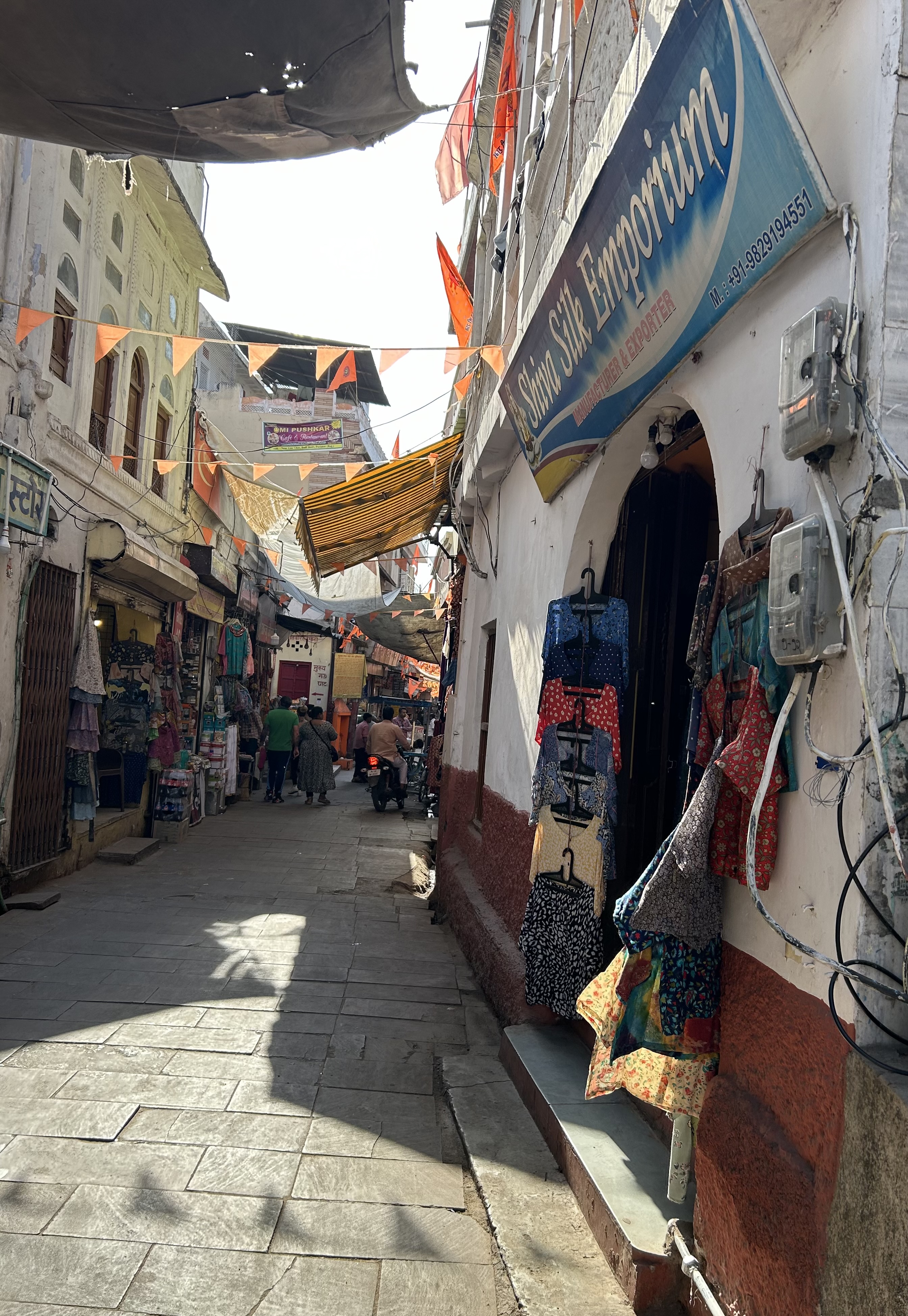
Decades ago, Pushkar attracted hippie backpackers, but is now a commercial hub for the textile and silver industries. The change in merchandising from when we were last here took us by surprise.  Indians and foreigners are now more sophisticated in their purchases and many buy wholesale to export to other markets in India and abroad. Retail prices have risen and the style of the clothing is less interesting, taking on a more mass production, western style look.   

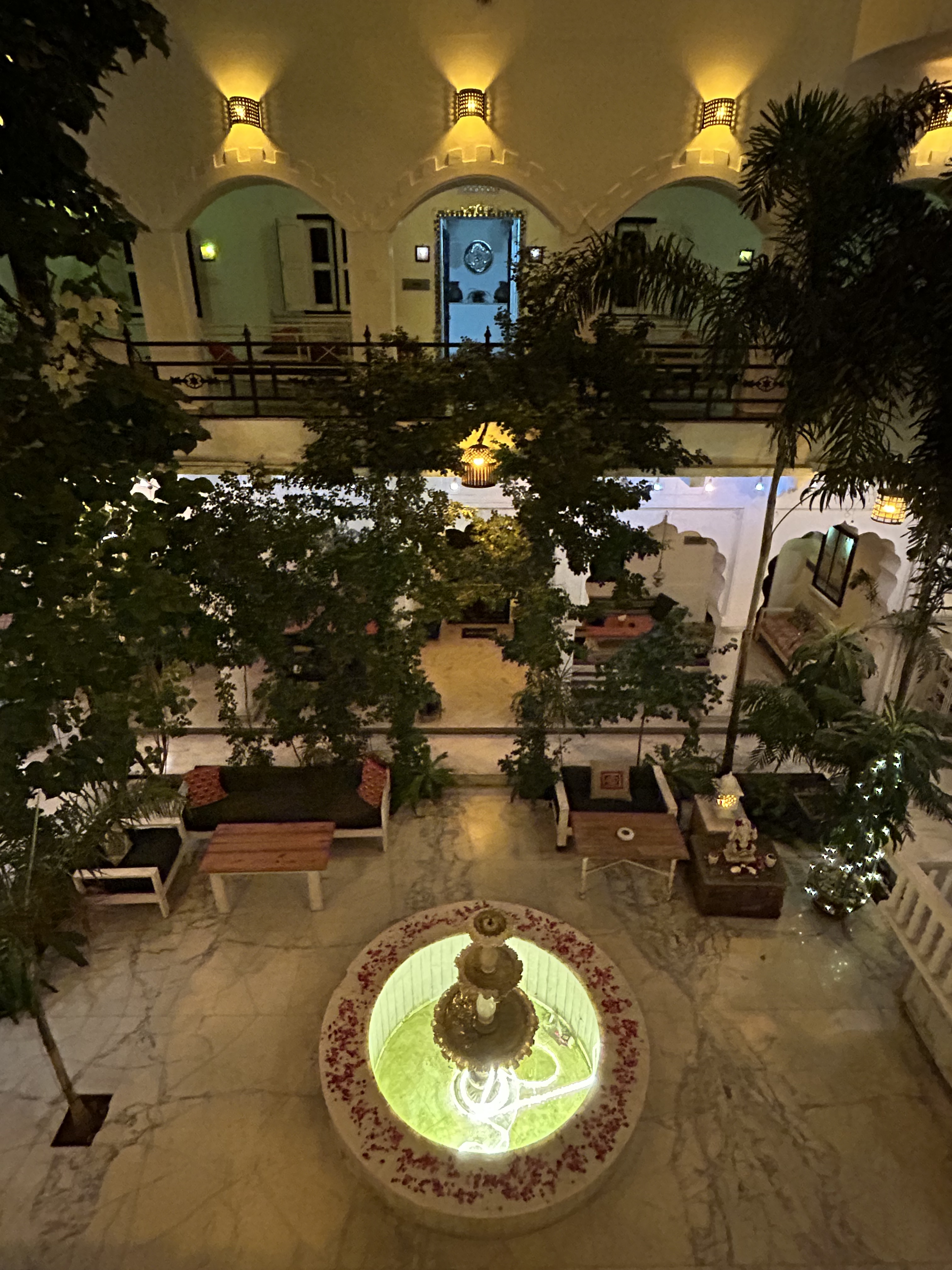
We stayed several nights in an attractive old haveli, the room was luxurious but too small and, looking into an inside courtyard, very dark. Also next door, sat a noisy wedding hall (this is the wedding season). So we moved on.

Our new room is bigger and quieter (until the weddings caught up with us here too). It boasts a large rooftop balcony we have to ourselves, where I can do yoga in the morning sunshine, accompanied by a chorus of birds–minus squawking crows.

The first evening, enjoying the view at sunset, we saw a huge peacock in a nearby tree, but by then it was too dark for a photo.

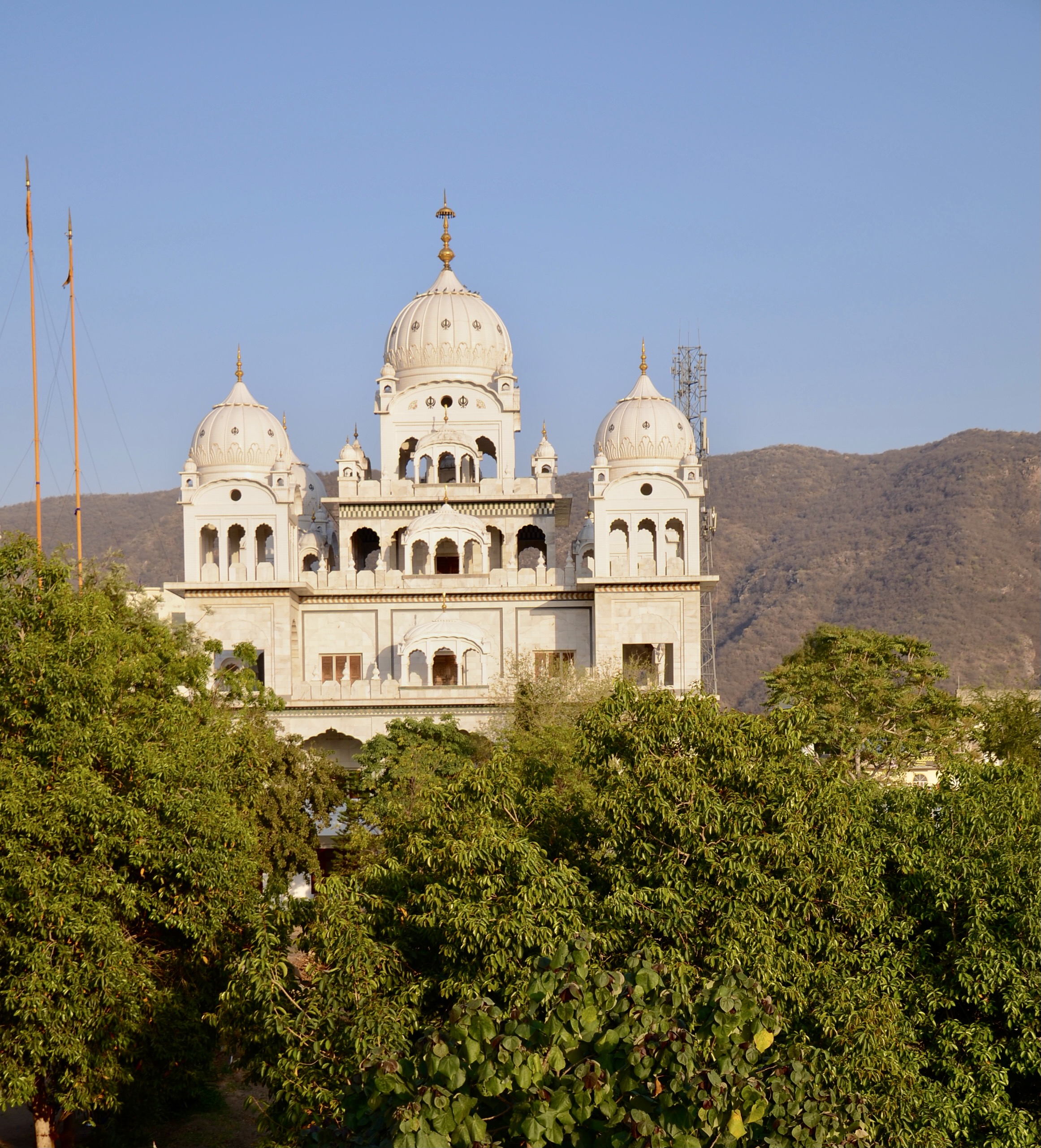
Close by is a Sikh Gurudwara looking like a palace from the astral plane, especially at night. It’s less ethereal when the Sikhs begin their amplified chanting of the Guru Granth Sahib at 4 am and continue till 6 am. Fortunately, this only happens on weekends.  

We had planned to only stay here six days and then take the overnight bus up to Himachal Pradesh.  But the weather is still too cold. So we’ve decided to stay for the remainder of our time in India in Pushkar. We’re disappointed to miss the mountains and our friends there but we won’t miss the cold and rain!  

Several of our friends from Gokarna have been coming here for years and we’re happy to reunite with them.  Marina first came here forty years ago and has been returning almost every year since.  She knows all the shopkeepers (some since they were children) and shows us around. One particular cafe, Honey Dew, is owned by the same family she befriended on her first stay. The charismatic owner died tragically from a rare form of cancer several years ago and his wife and son are trying to keep the cafe alive.  Marina has invested much time and effort in helping them. With so much competition in a small space, staying profitable is not easy.  

Karel and Kryztyna arrived for a few days before moving on to Jaipur. We said goodbye over breakfast with a promise to visit them in Prague again.   

Return to Bundi

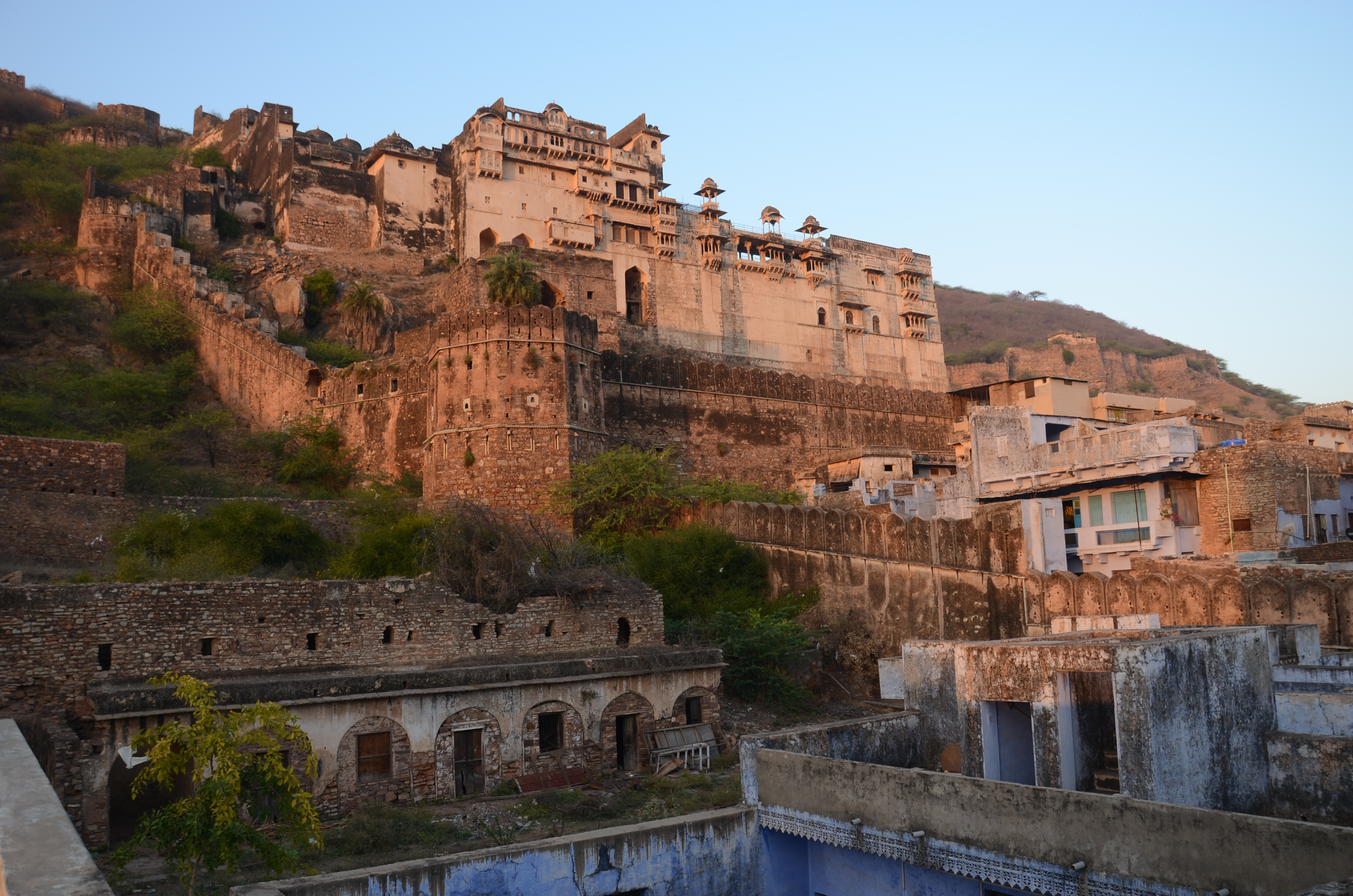
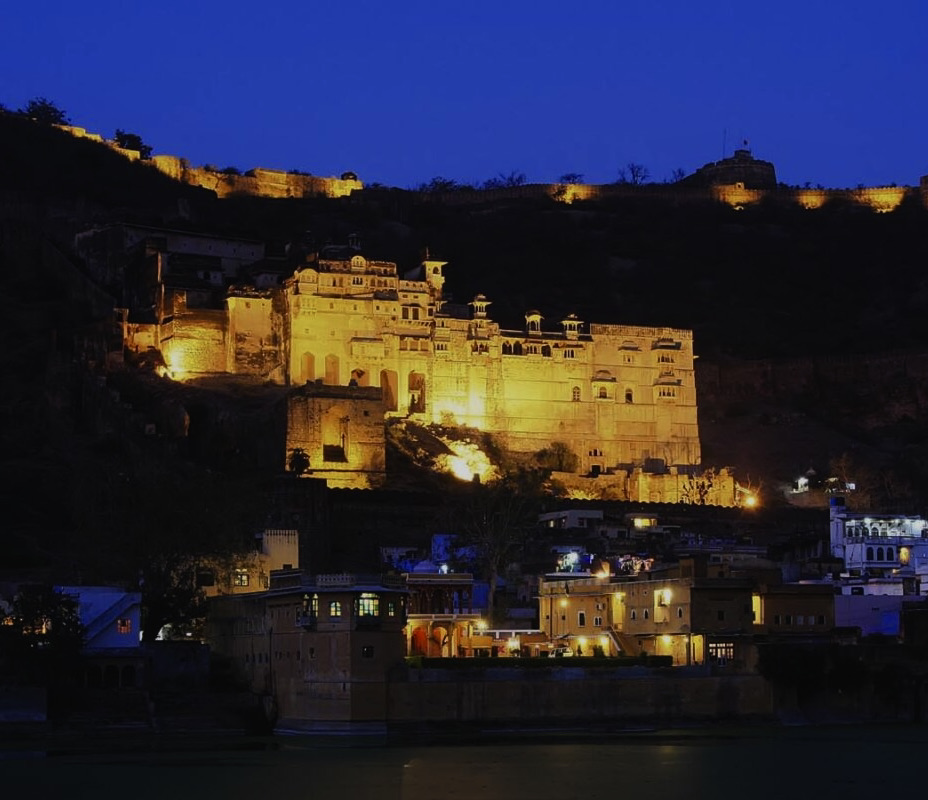
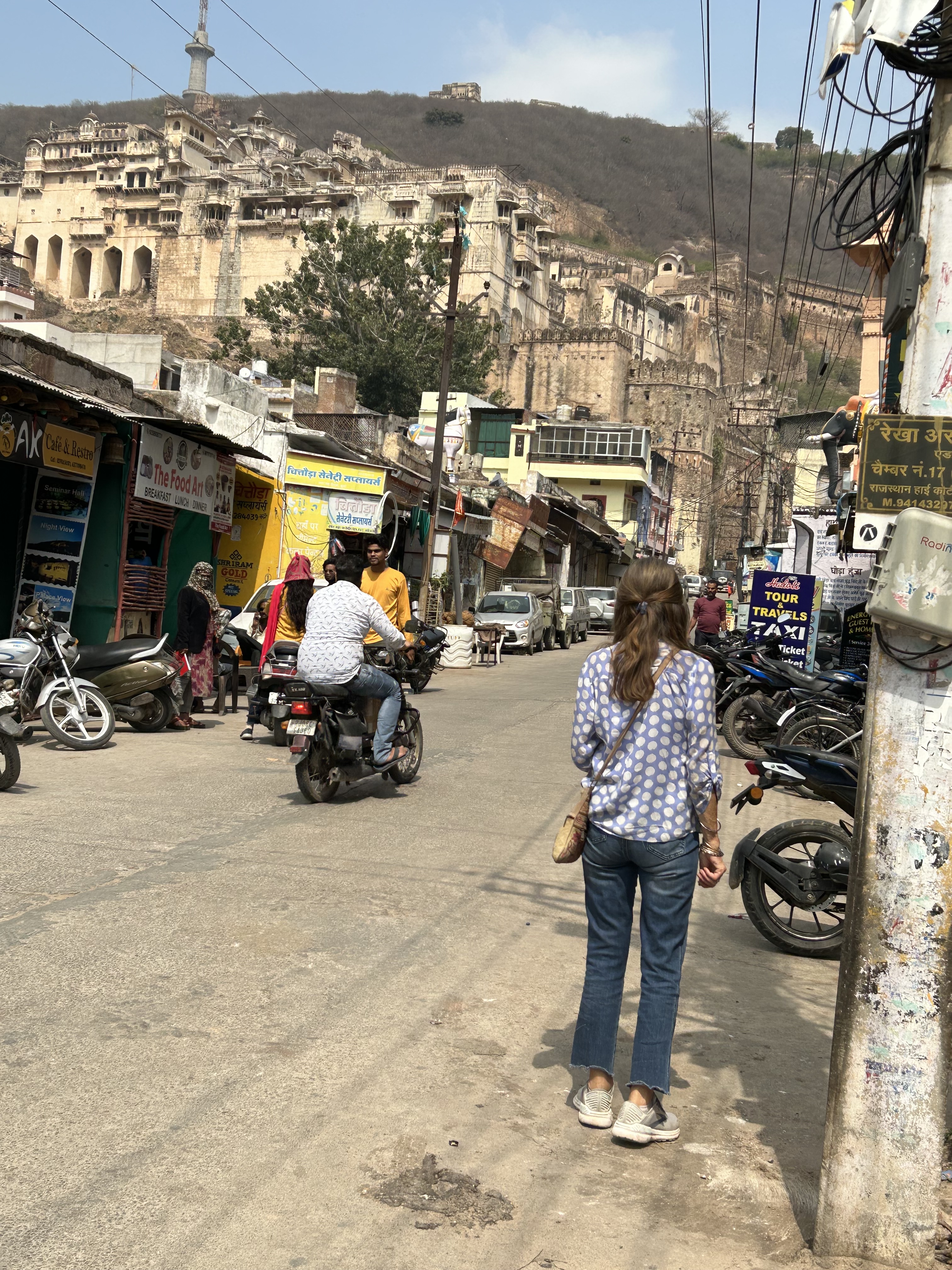
This is our third visit to Bundi and the Haveli Katkoun guesthouse which sits directly below the palace. In 1945, the grandfather bought what was then a stable for elephants from the Maharaja of Bundi for 2500 rupees. It is now a four-story guesthouse with three generations of the family also living in it.

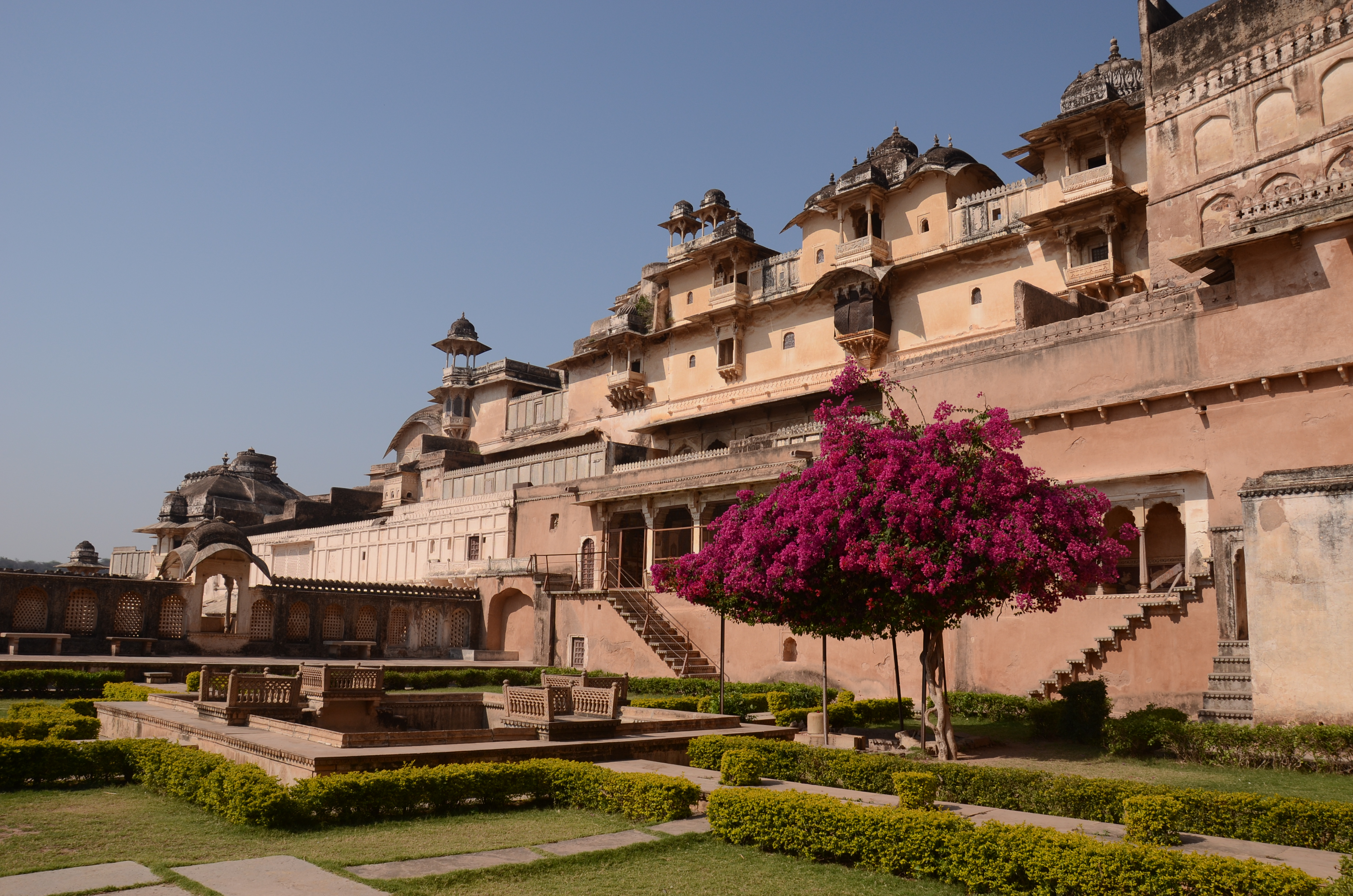
Rudyard Kipling spent time in Bundi and supposedly wrote part of Kim here. He describes the 15C palace as the ‘work of goblins not men.’ Sitting on the side of the hillside it does almost seem to grow out of the rock.

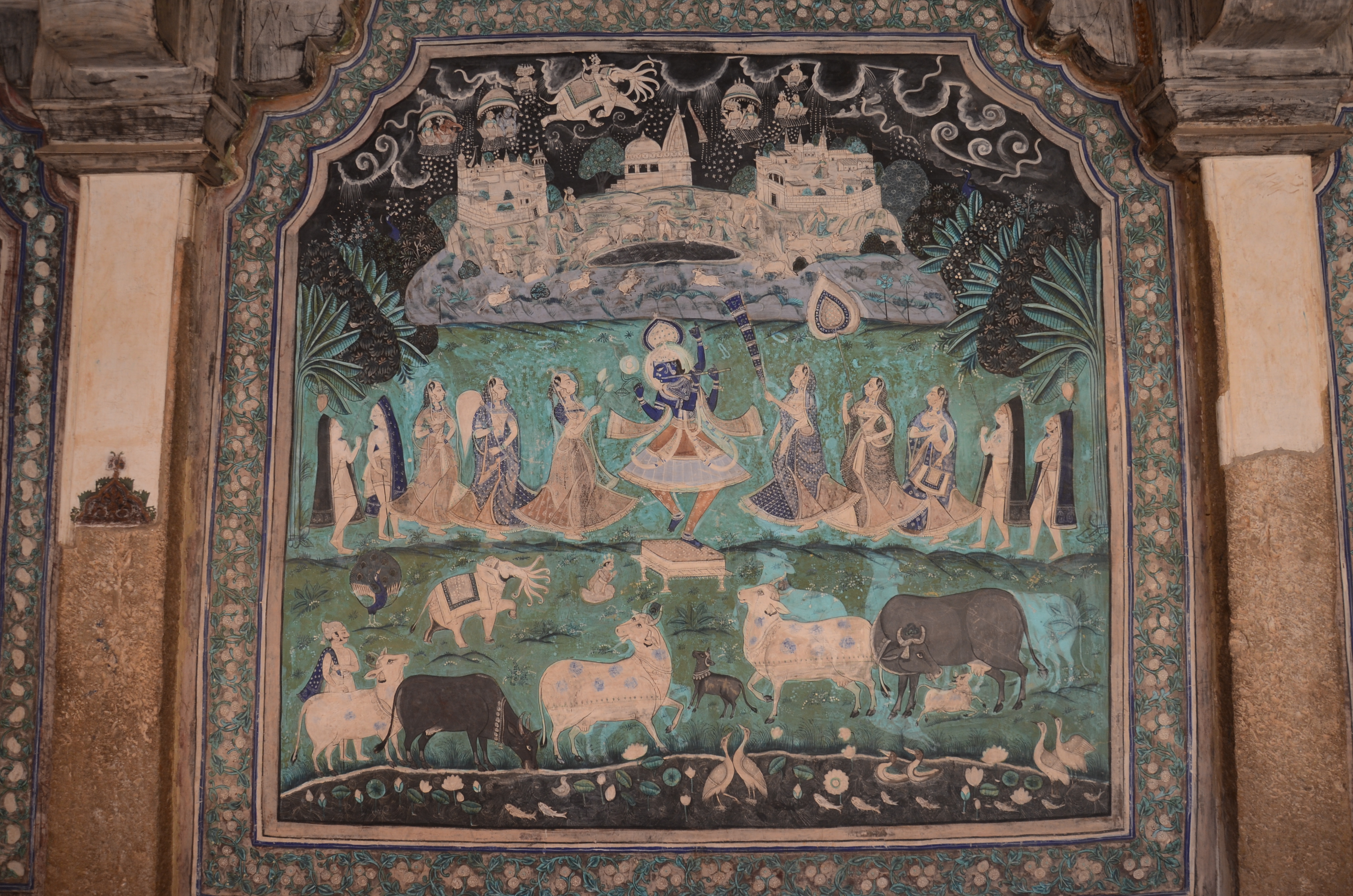
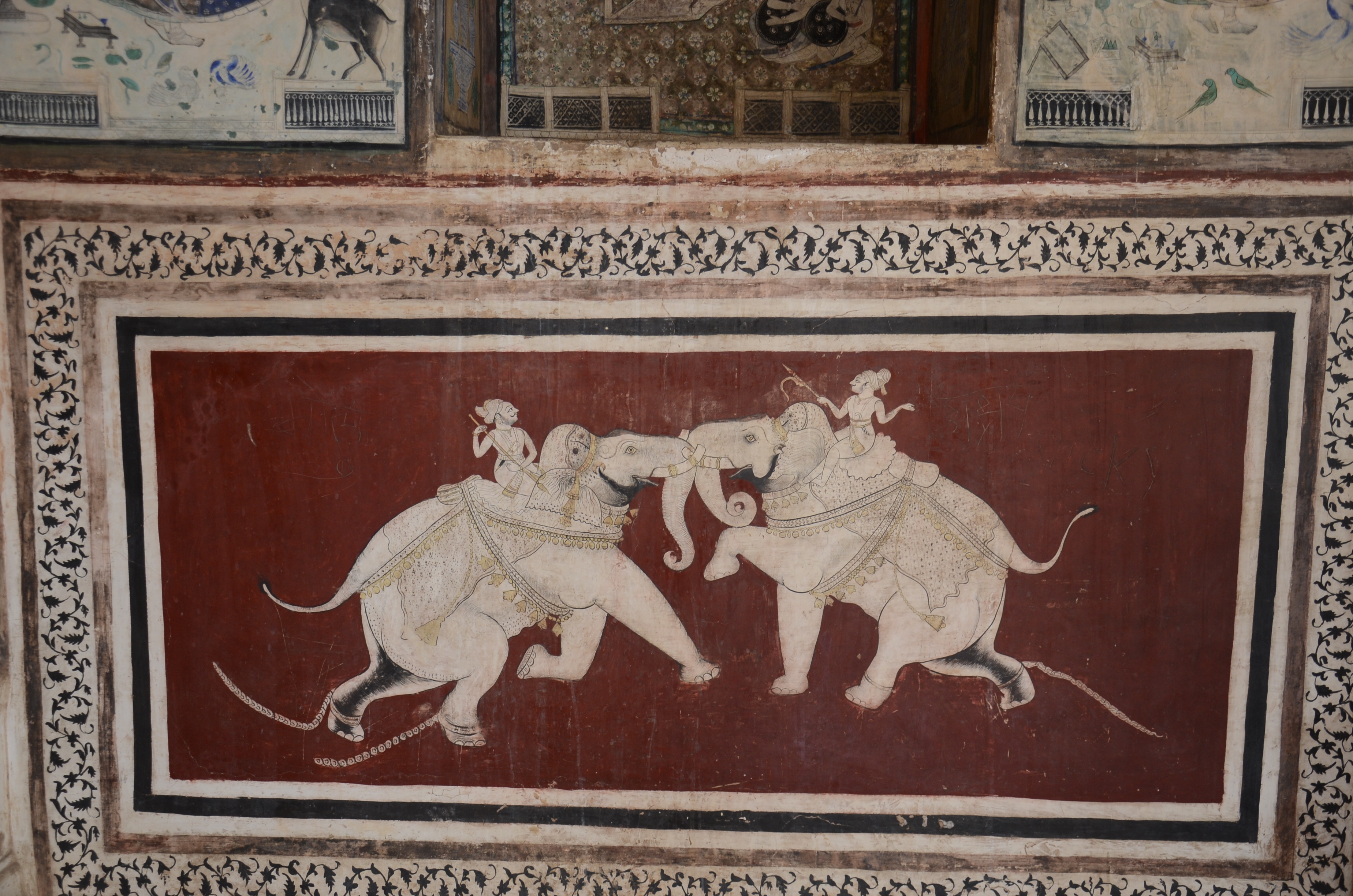
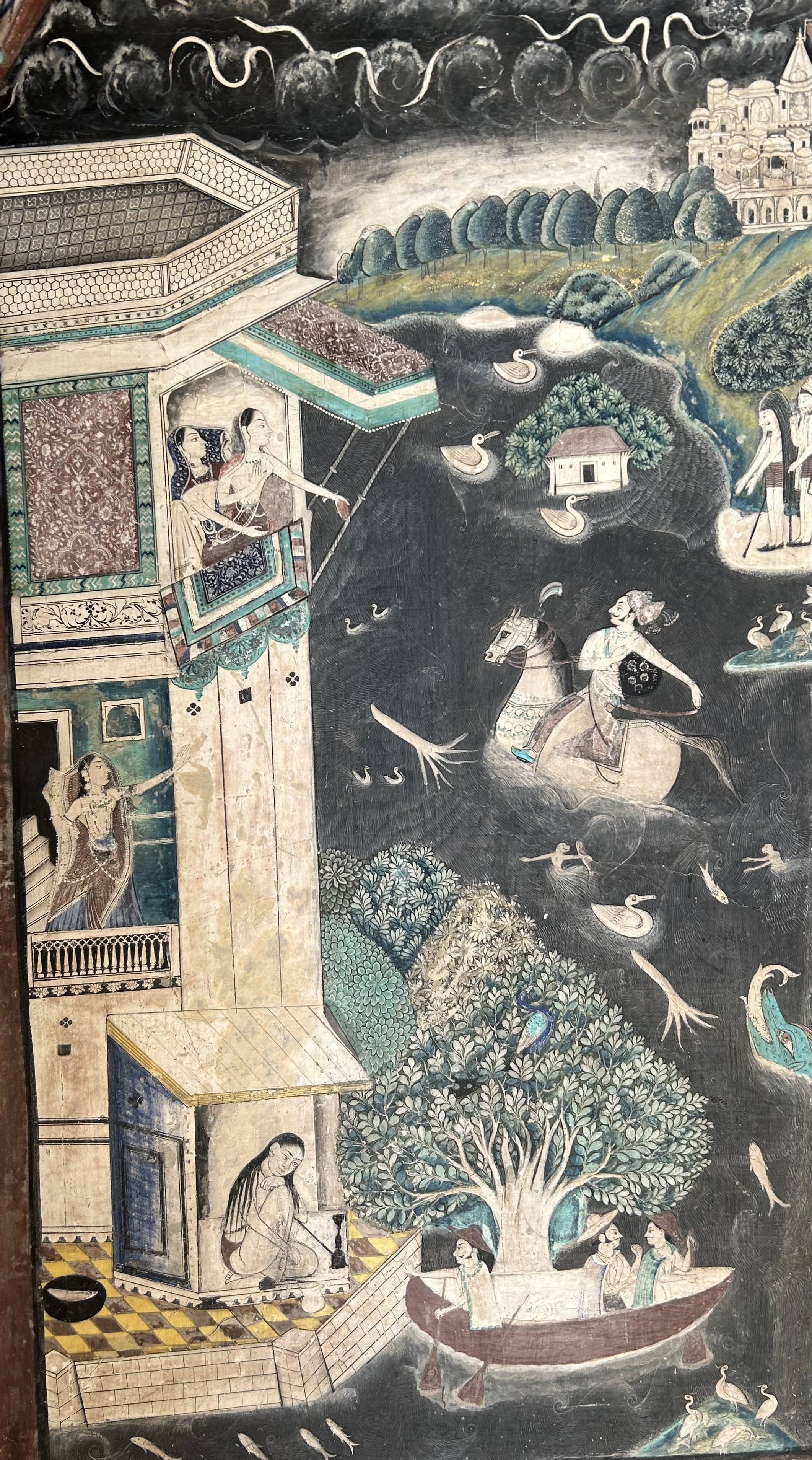
On our first visit we were very impressed by the turquoise-and-gold murals and intricate stone carving.

This time, we were underwhelmed by the palace, but the murals are still extraordinary, some of the best in India.
Online, Bundi is described as being off the beaten track and it’s a relief to be away from the traffic and crowds of Udaipur. But we are surprised at the lack of tourism.

In 2013, Haveli Katkoun was bustling with guests, gathering at night in the dining room on the fourth floor overlooking the palace. Not the case when we arrived this time. We were offered a choice of rooms and picked one in the back to minimize the street noise. (There are still plenty of motorbikes here.) The lack of direct sunlight is compensated by our room’s direct view of the palace, which is lit up at night.

Although the town isn’t a major destination, it had managed to support tourism with its historic palace and fort. Then why are there so few tourists now?

The guesthouse owner says it’s a combination of factors: a new bypass road that means you no longer need to drive through the town second, the town has not live up to the levels of cleanliness expected by the new Indian tourists and third, covid hit the town hard. Many died.

The remaining merchants who serve the tourist trade are desperate, all offering the best chai or the finest miniature painting. A young man with a shop boasting of filtered coffee, tries to lure us in talking a mile a minute. With no one to serve, he’s high on too much of his own caffeine.

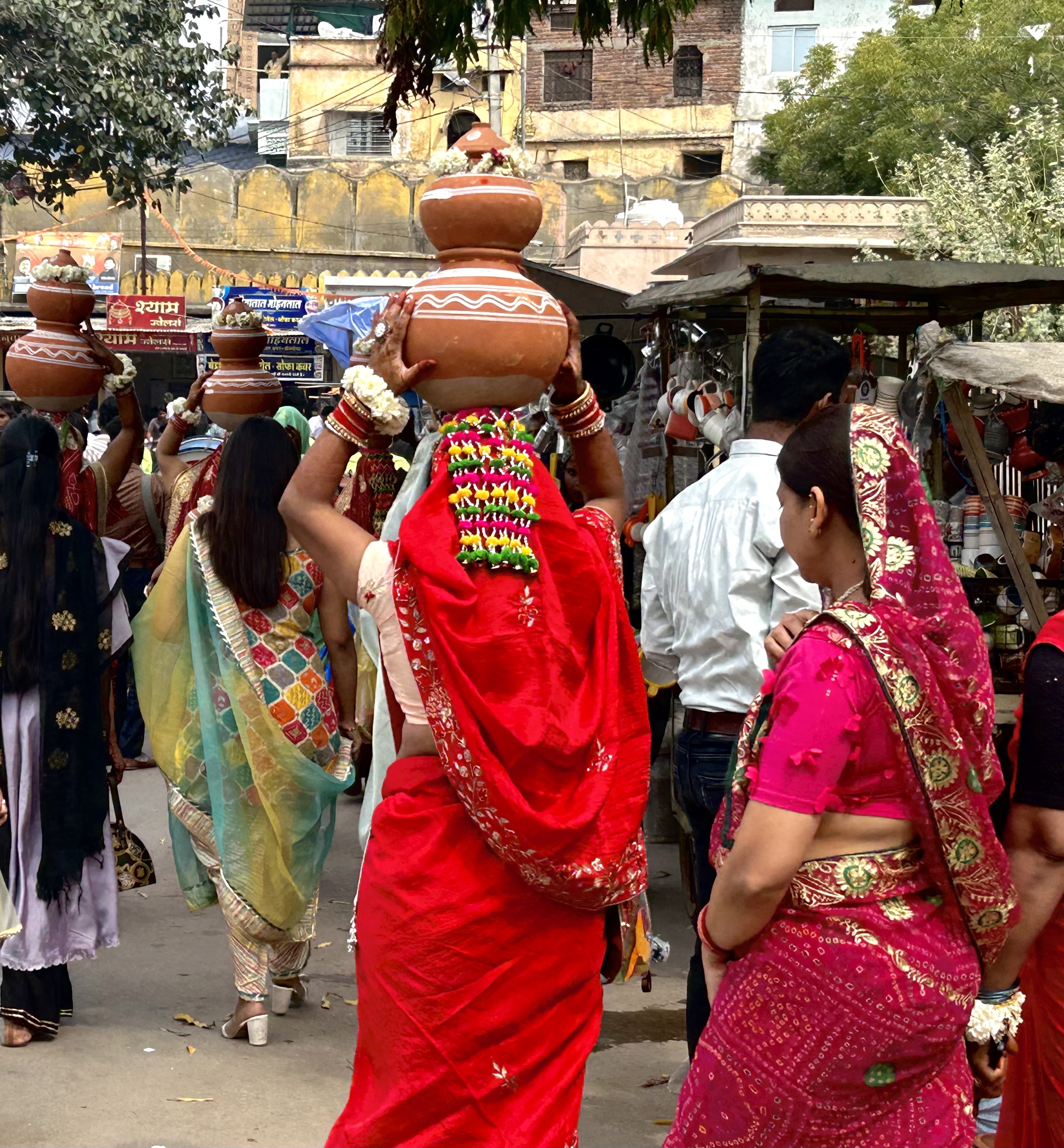
On our second full day here, we walked away from the area immediately surrounding the palace, down the narrow streets to the market vibrant with activity and color: saris, bangles and men with enormous Rajasthani turbans.

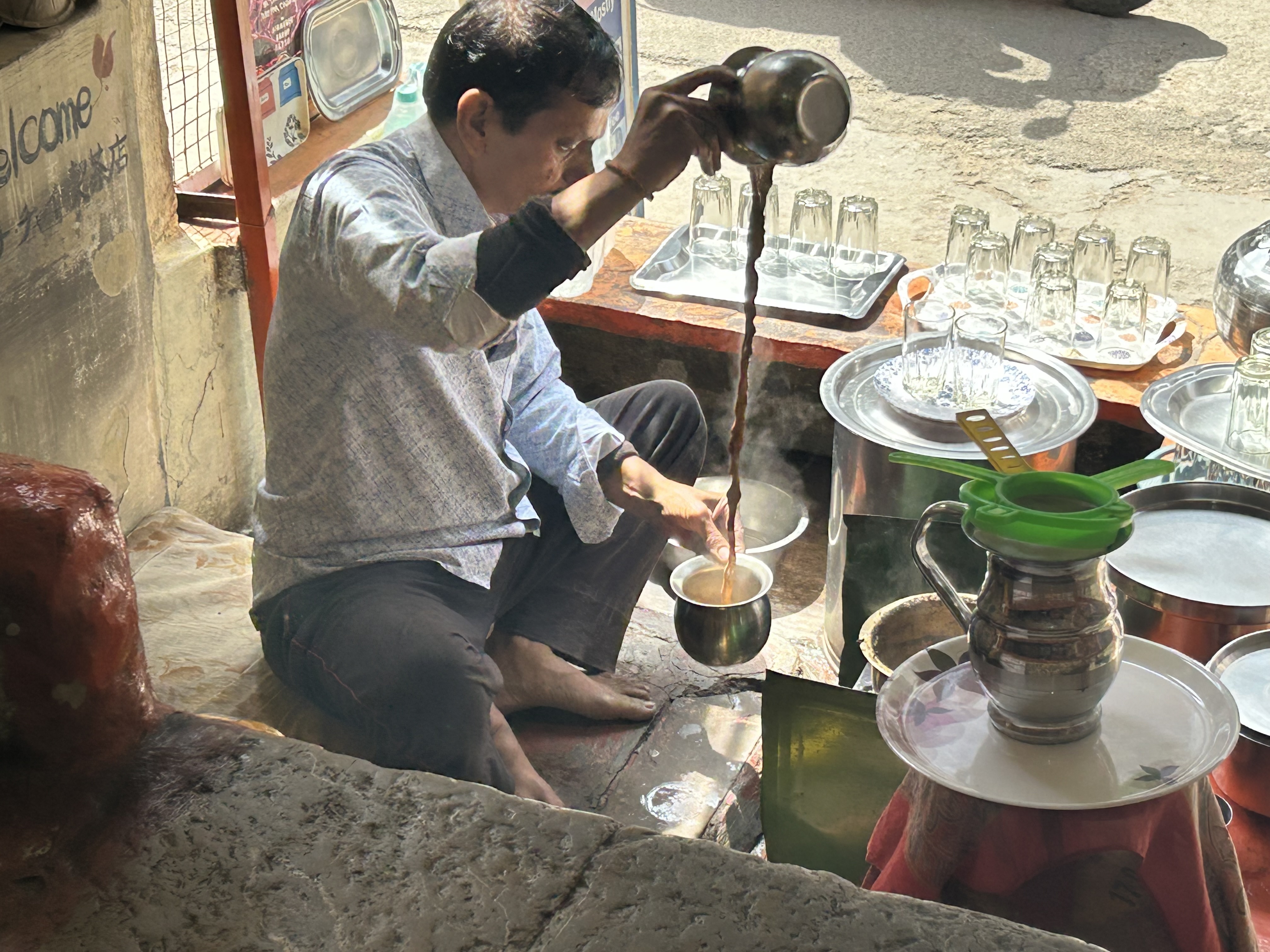
We stumbled on the best chai stall in Bundi. The chai wallah set up an immaculately clean spot beside the street, grinding fresh ginger and spices with a smooth flat stone, to make the most amazing masala tea.

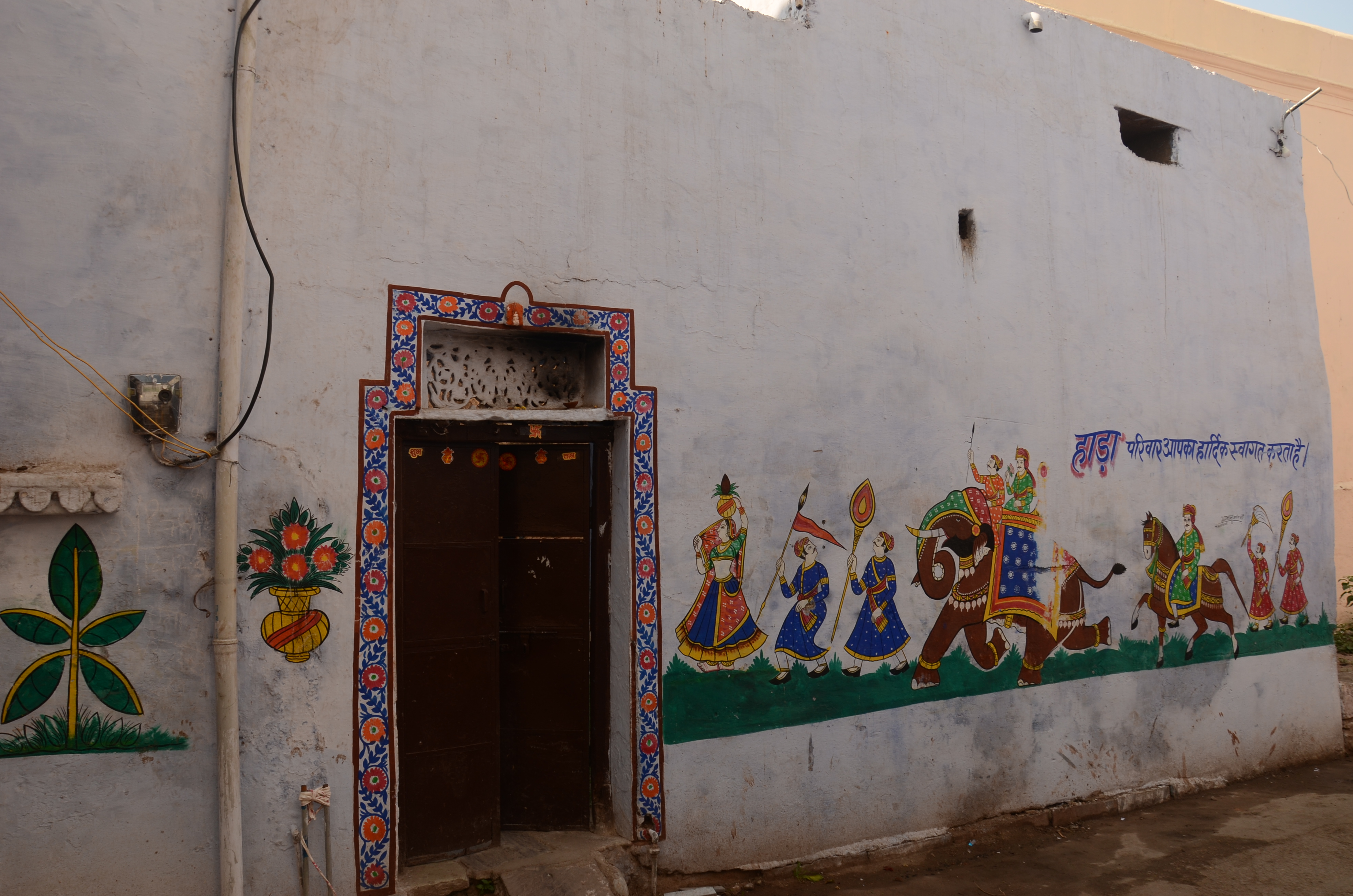
Another walk took through the lanes to the edge of town. We passed houses with decorated walls similar to those in Varanasi and other parts of India but these designs are peculiar to Rajasthan.

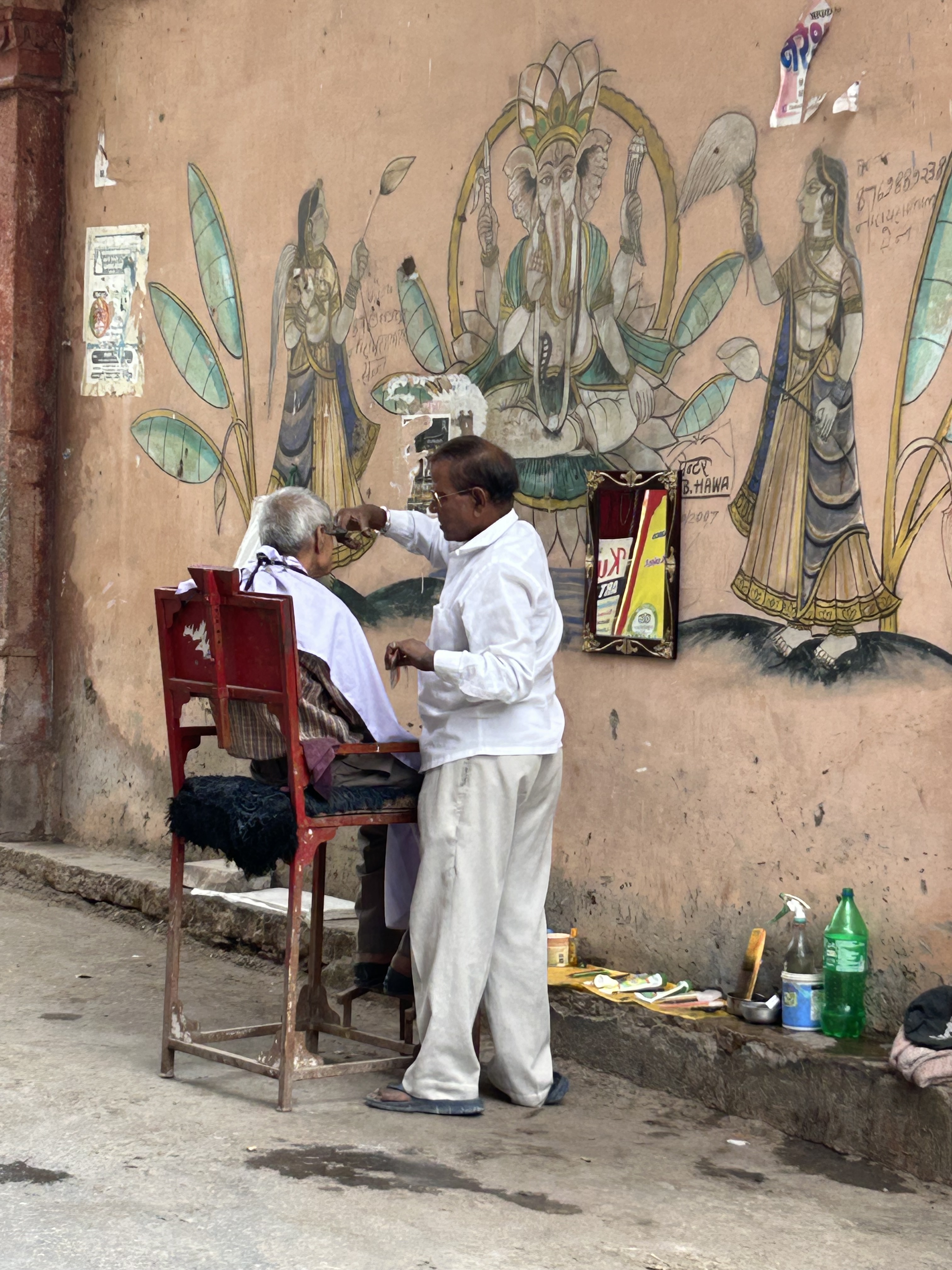
This barber has eliminated rent and is passing the savings on to his customers.

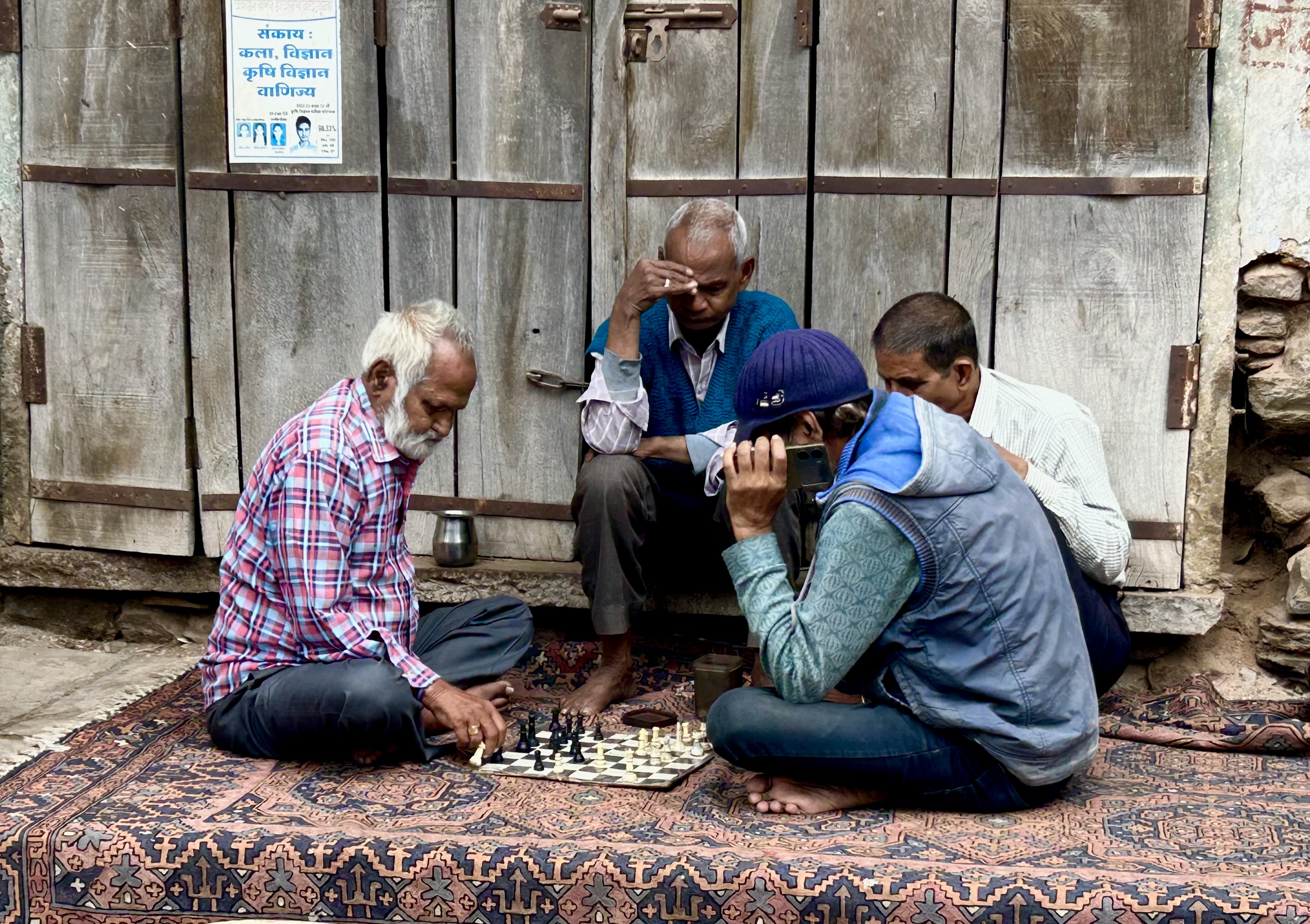
The universal game of chess played on a quiet lane.

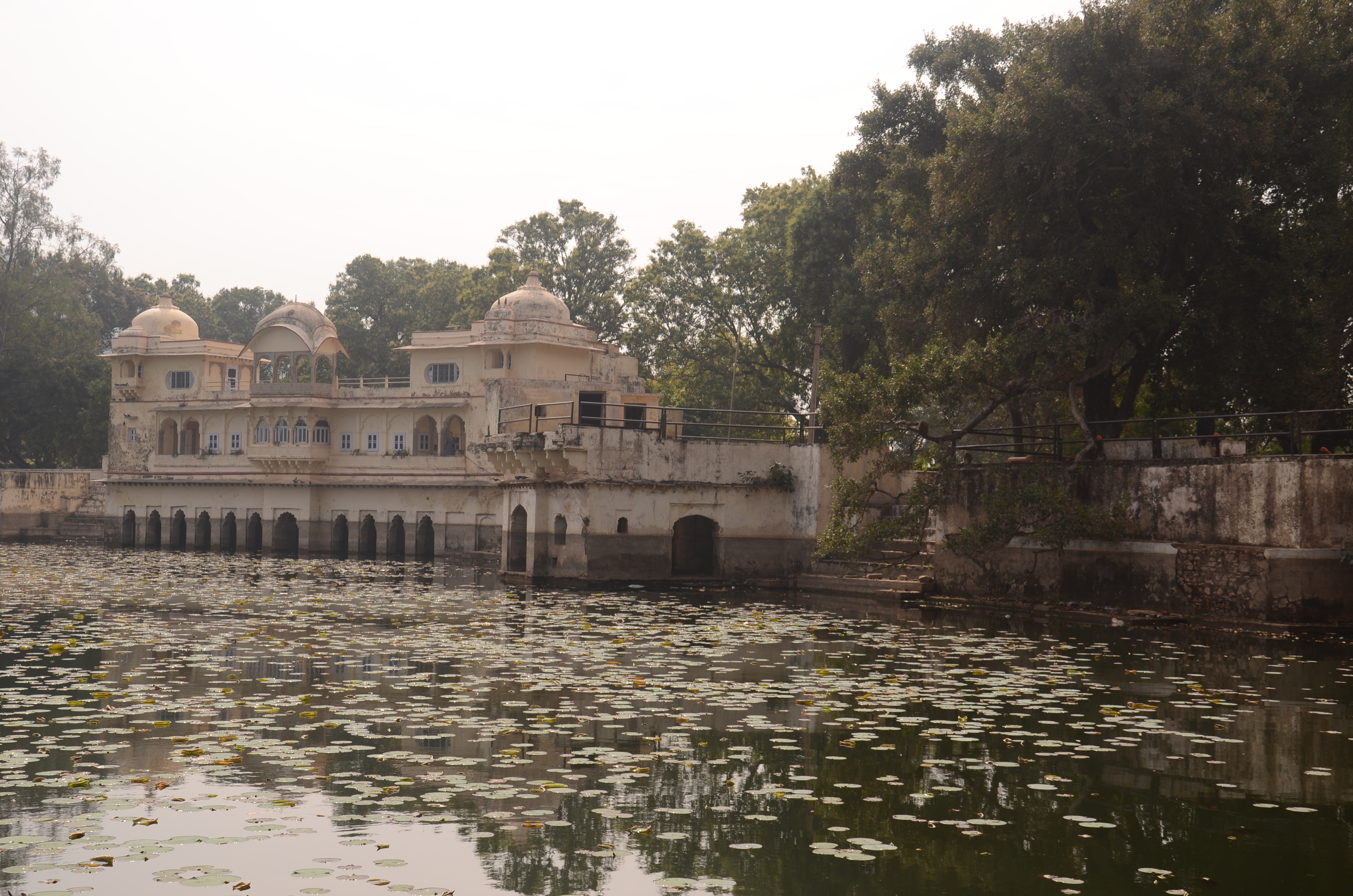
Just outside Bundi, there is the 18C Sukh Mahal, built beside a lake. Once a picturesque summer retreat for the Maharajahs, Kipling spent two days here as a guest of the ruler. Now the monkeys call it home.

For the third time, Bundi has fascinated us again.