We weren’t prepared for all the changes in Varanasi. Perhaps they seemed more extreme after three years’ absence. Getting from the airport to the ghats through the clogged streets was a major feat, our taxi took twice the time. We crawled along, directing the driver to our familiar way of entering the ghat through the Moslem quarter. The hotel we’d booked online was a mistake–the photographs were totally misleading, it was a dump! But fortunately we found another literally next door. Under renovation, we were able to book an unfinished but nice room for a bargain.
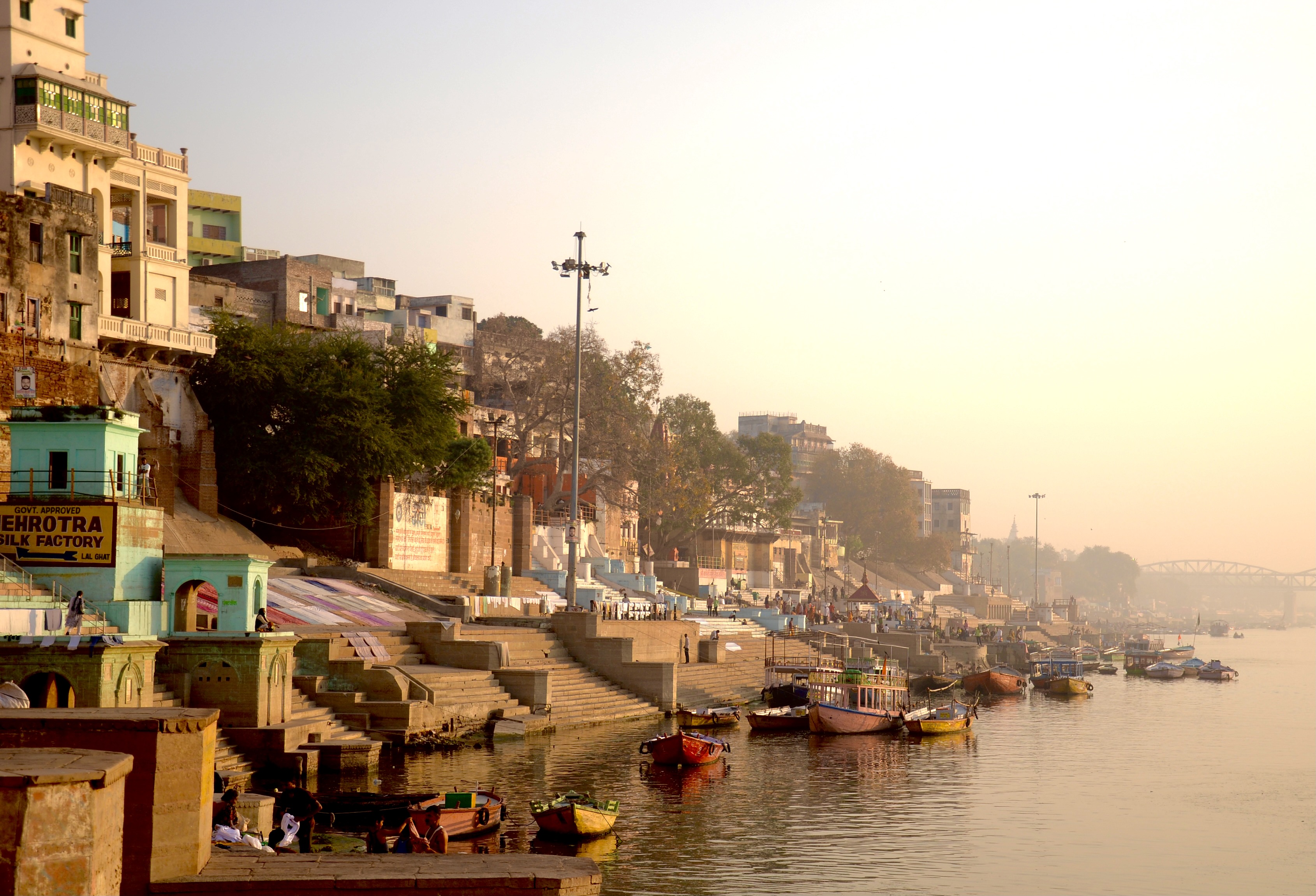
We quickly dropped our bags and hustled out to embrace Mother Ganges. There she was in all her splendor. But wait! What is happening on the sandbar across the river? A young Indian boy seeing our perplexed expression, said, “How do you like our Tent City?” A mass of white tents are lined up like an army barracks, a protective fence surrounding the ‘compound.’ Gerard asked the boy, “Who wants to stay in a tent in the blazing sun?” He replied, “The same people who will pay up to 4K rupees a night.” We all had a good laugh.
On our first foray out we didn’t even notice no washermen drying laundry on the ghat, no more stately water buffaloes wading in the river. The ghats could certainly stand to be cleaner, but we miss the activity and color. For several years, the government tried to stop clothes washing in the river with little effect. The police are now offering a free ‘bamboo massage’ (beating) to all offenders!
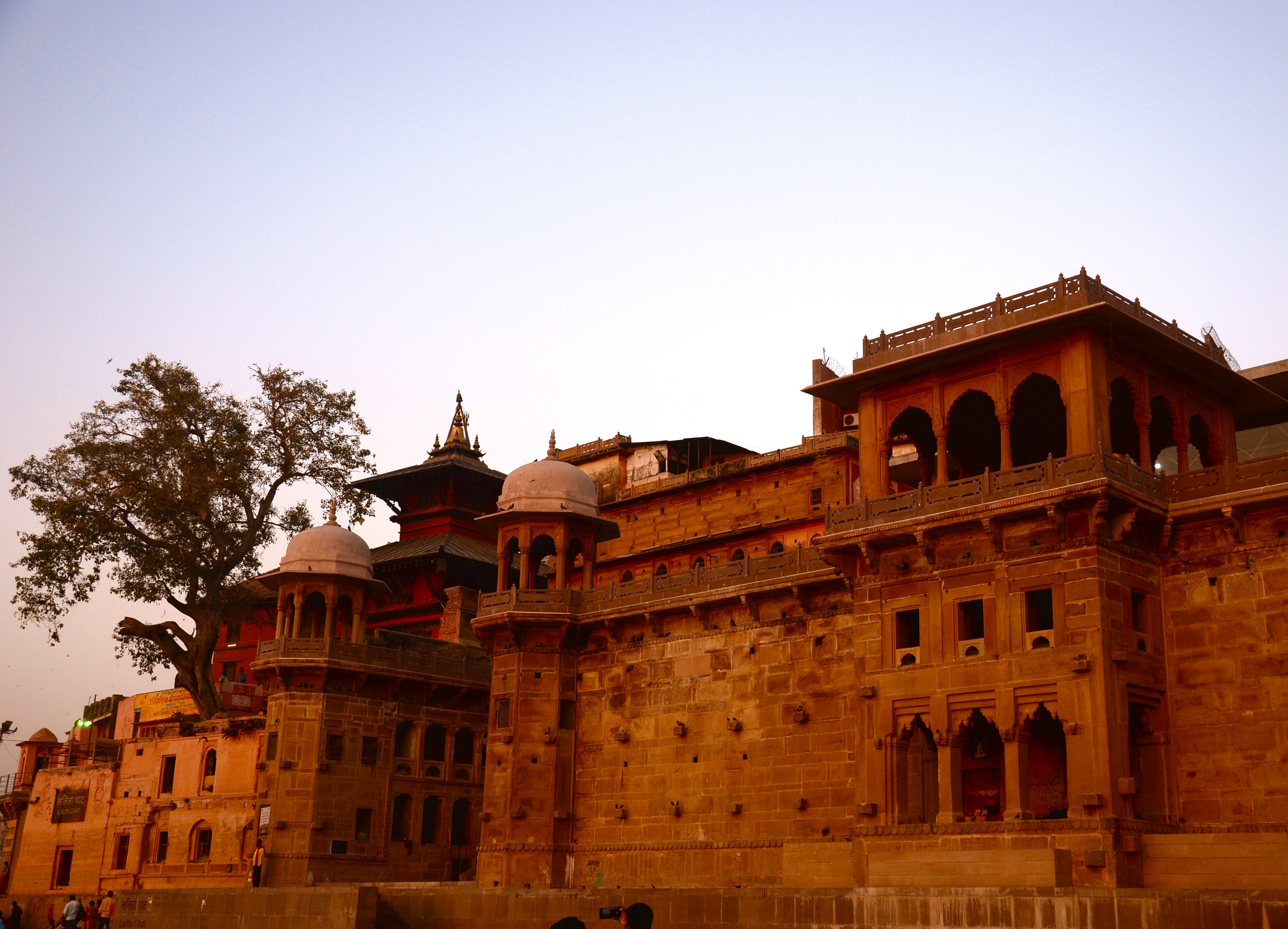
Our friends along the lane were all smiles. Gerard thought they they were pleased to see us but also that it also meant business was resuming. If these two old people can make it back then there’s hope! Just about everyone we talked to had stories about the covid lockdown. With few exceptions (naysayers), most told the same story: initially, there was a sense of camaraderie, the community fed the beggars and dogs. Some restaurants continued to pay their staff; they were the lucky ones.
Then the lockdown dragged on more than a year. With no money coming in, utilities and food still had to be paid for. Ironically, property owners were exempt from the government food subsidies, but still had to pay their property tax. Price of food continued climbing; from pre to post covid the price of cooking oil and flour has doubled.
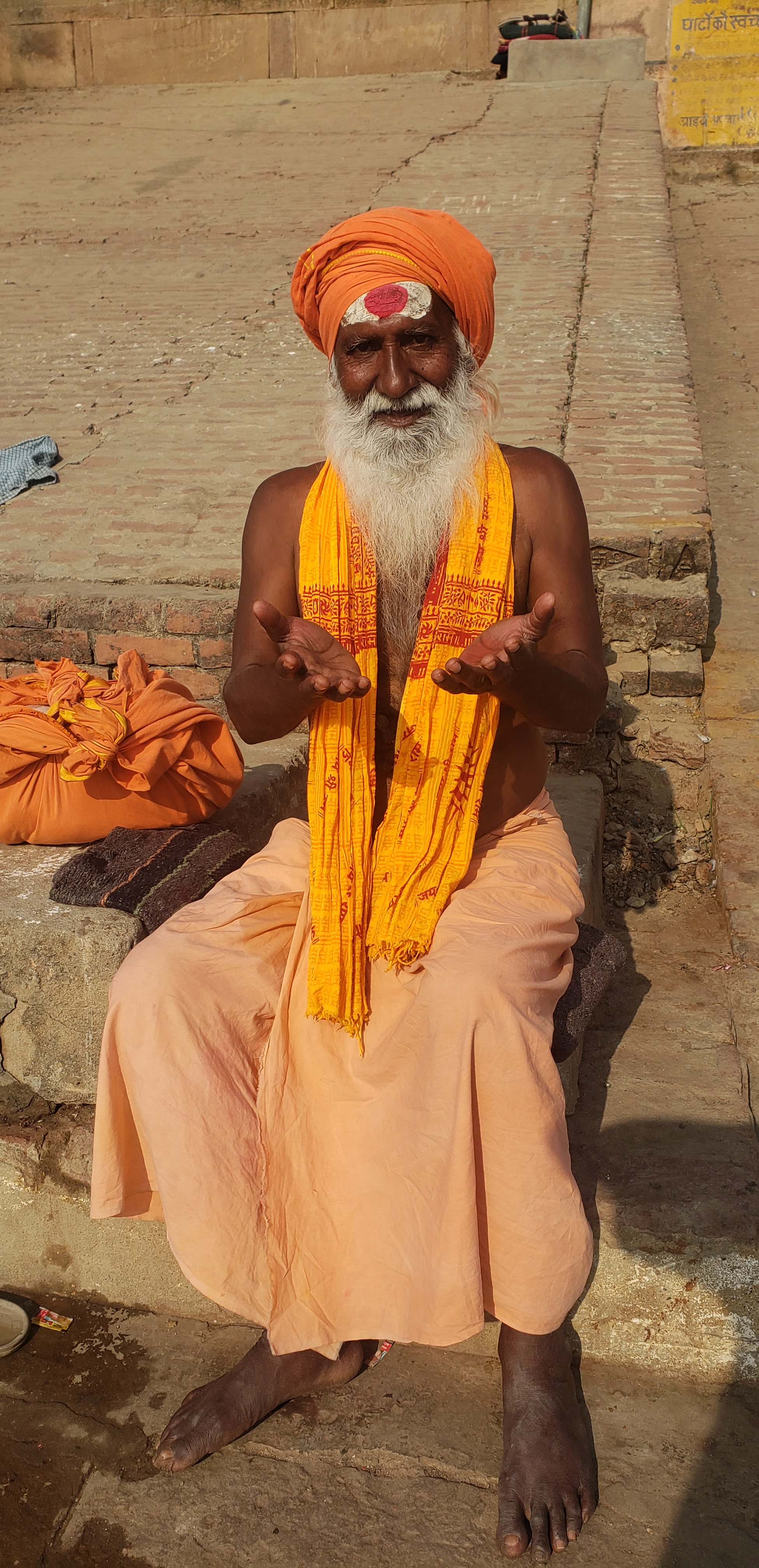
I was surprised to see a beggar we’ve known for years, to have actually put on weight and look healthier. Maybe he’d benefited from the government handout/? He was also missing his thick glasses—perhaps he’d qualified for free cataract surgery!

Our friend Santosh, a native of Varanasi, said he noticed in the tree outside his window many bird species he’d not seen before. And because the streets were so quiet, he could actually hear the birds sing. The only other sound breaking the silence was the muezzin’s call for prayer at the mosque. Someone else mentioned the surface of the Ganges was like glass with no boats carrying tourists up and down the river.
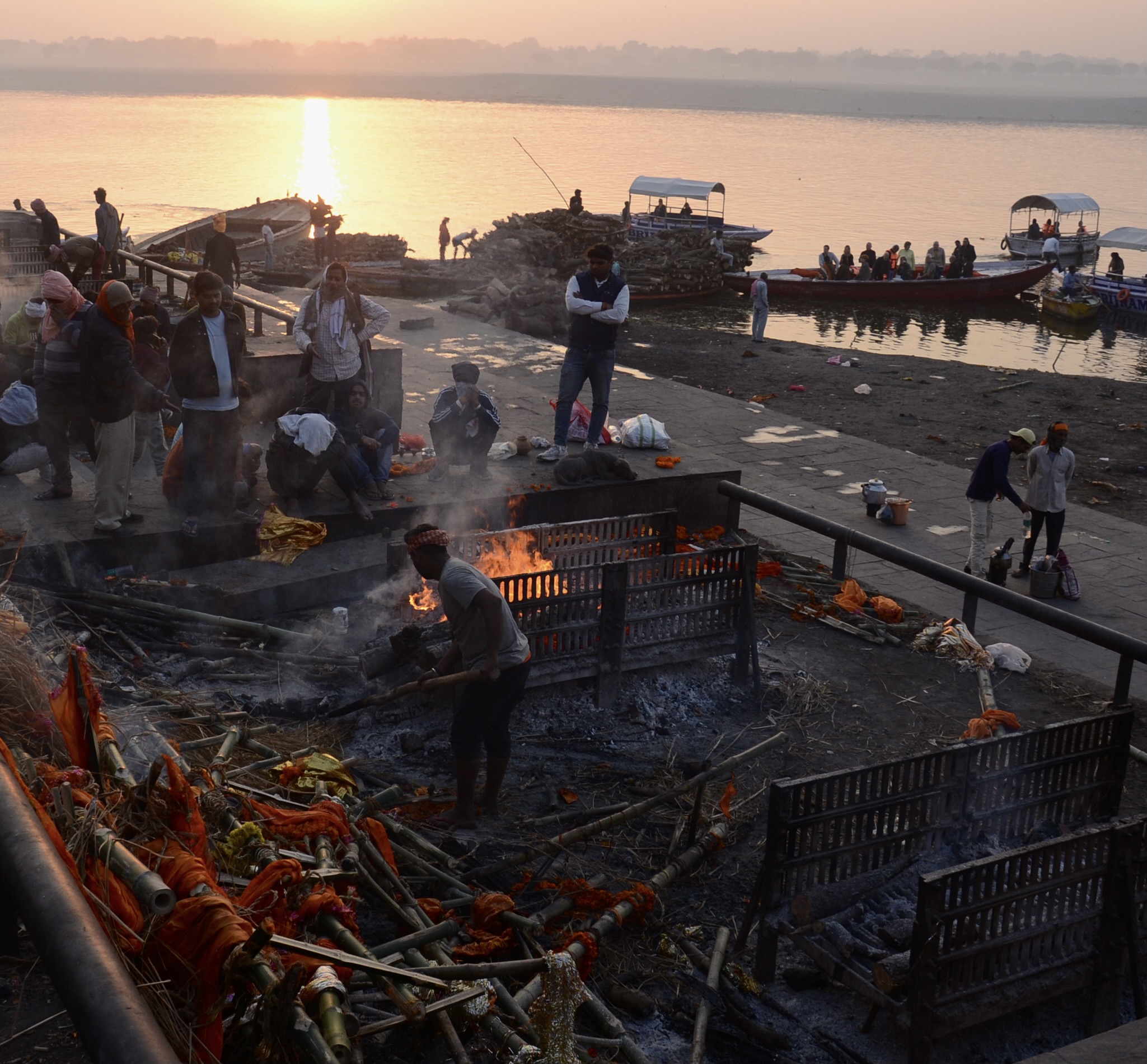
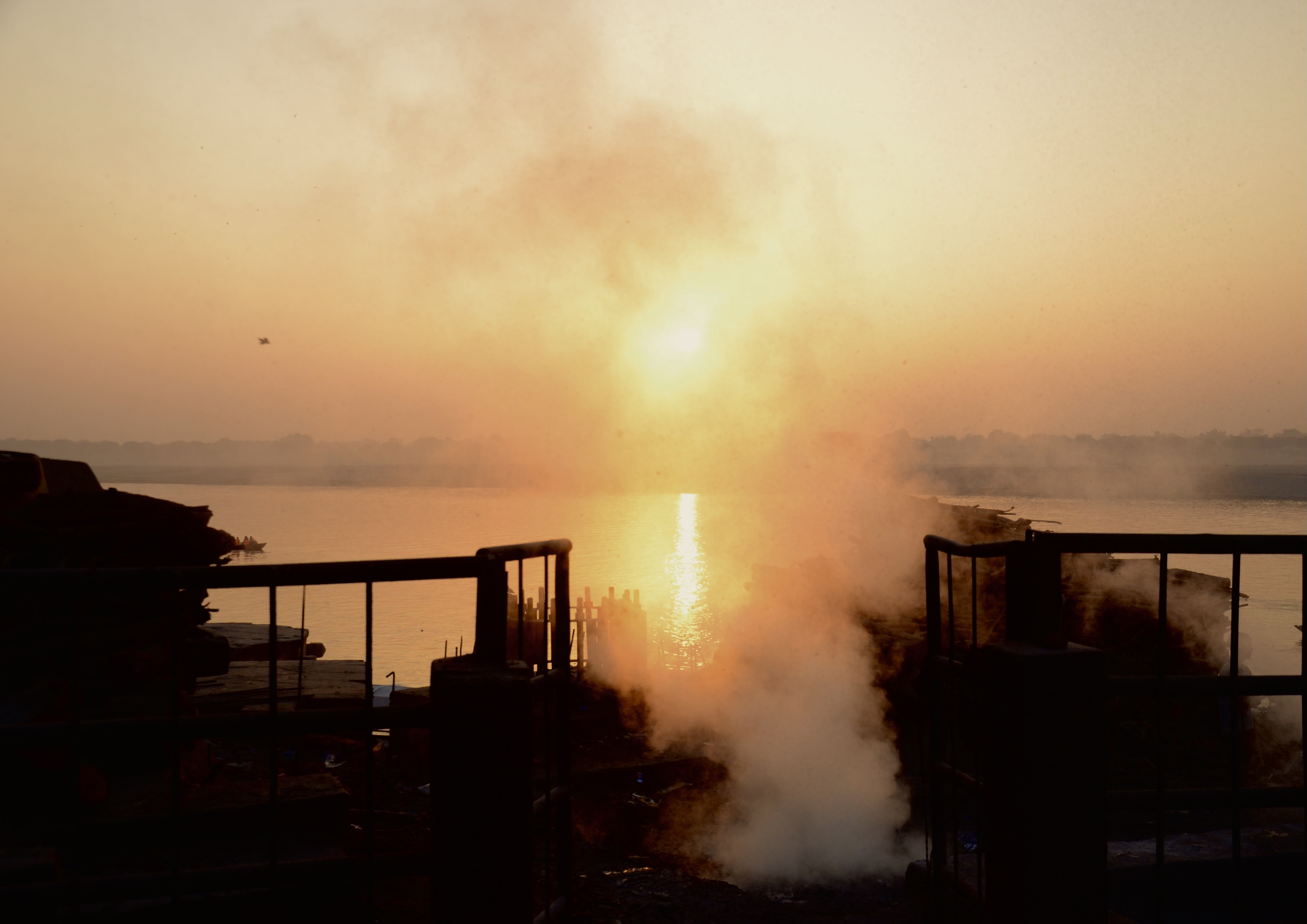
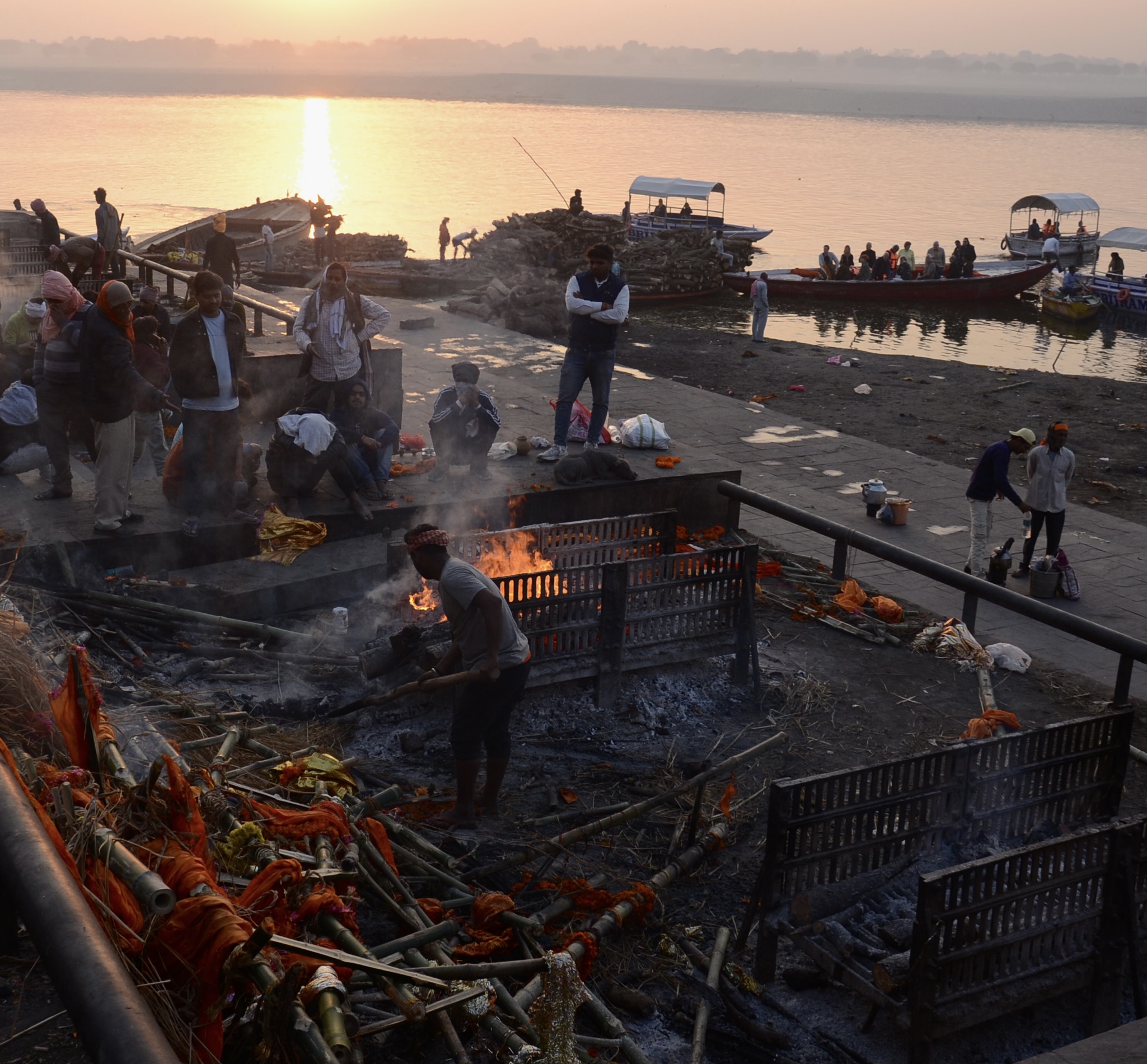
Three additional ghats were relegated for burning and to keep up with the demand, instead of one body per pyre, five to ten bodies were burned at once. No vaccines were available at first, the irony when India was making a massive amount but selling it abroad! The only activity was cremation.
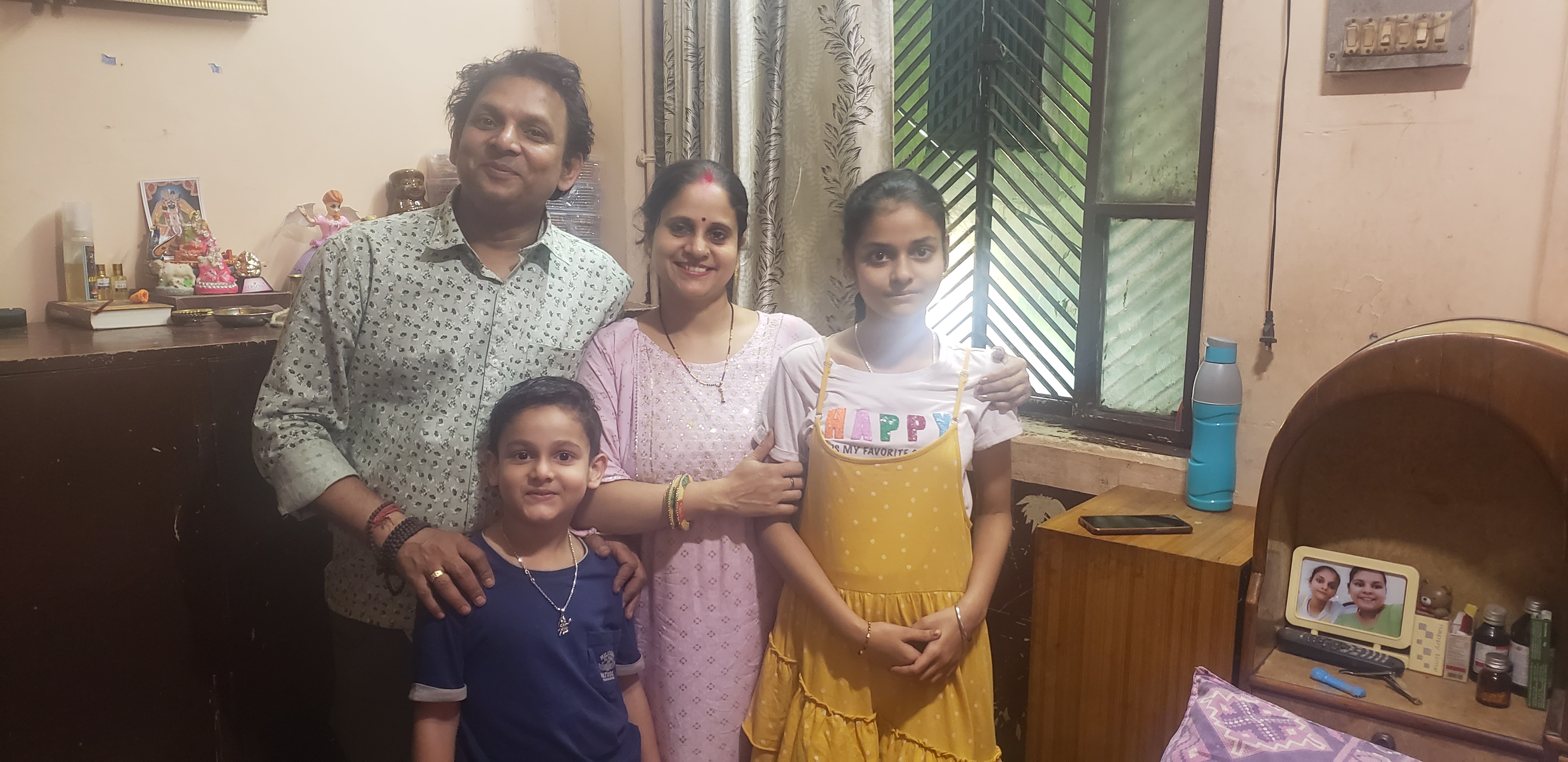
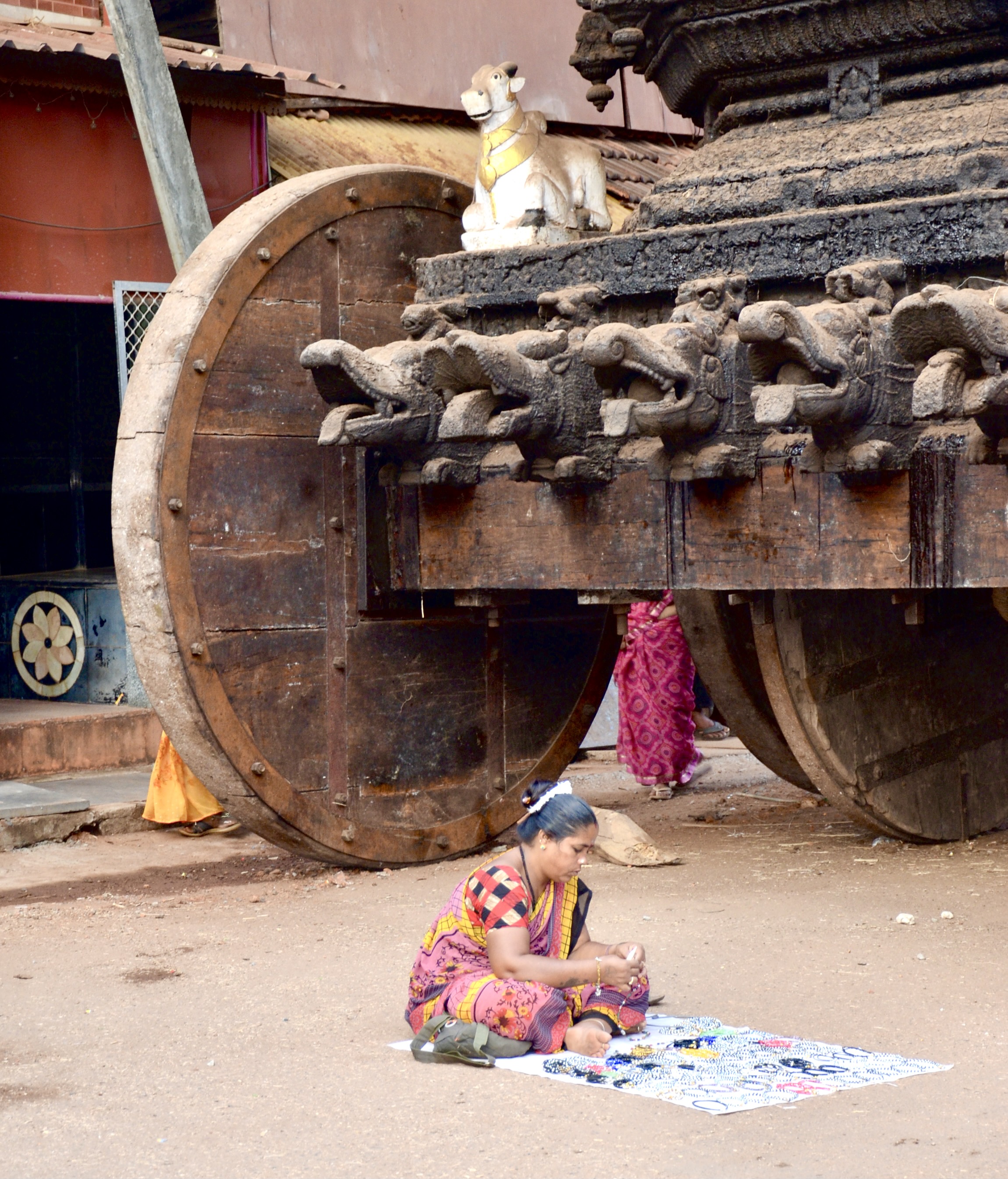
We’ve known Rajesh for about 15 years, even before he was married. He and Gerard connected over the classical Hindustani CDs he sold. Then there was only demand for religious music at his stall on the way to the Golden Temple. Today, he just sells bangles and necklaces. His wife invited us to dinner; it was very sweet to be with his whole family.
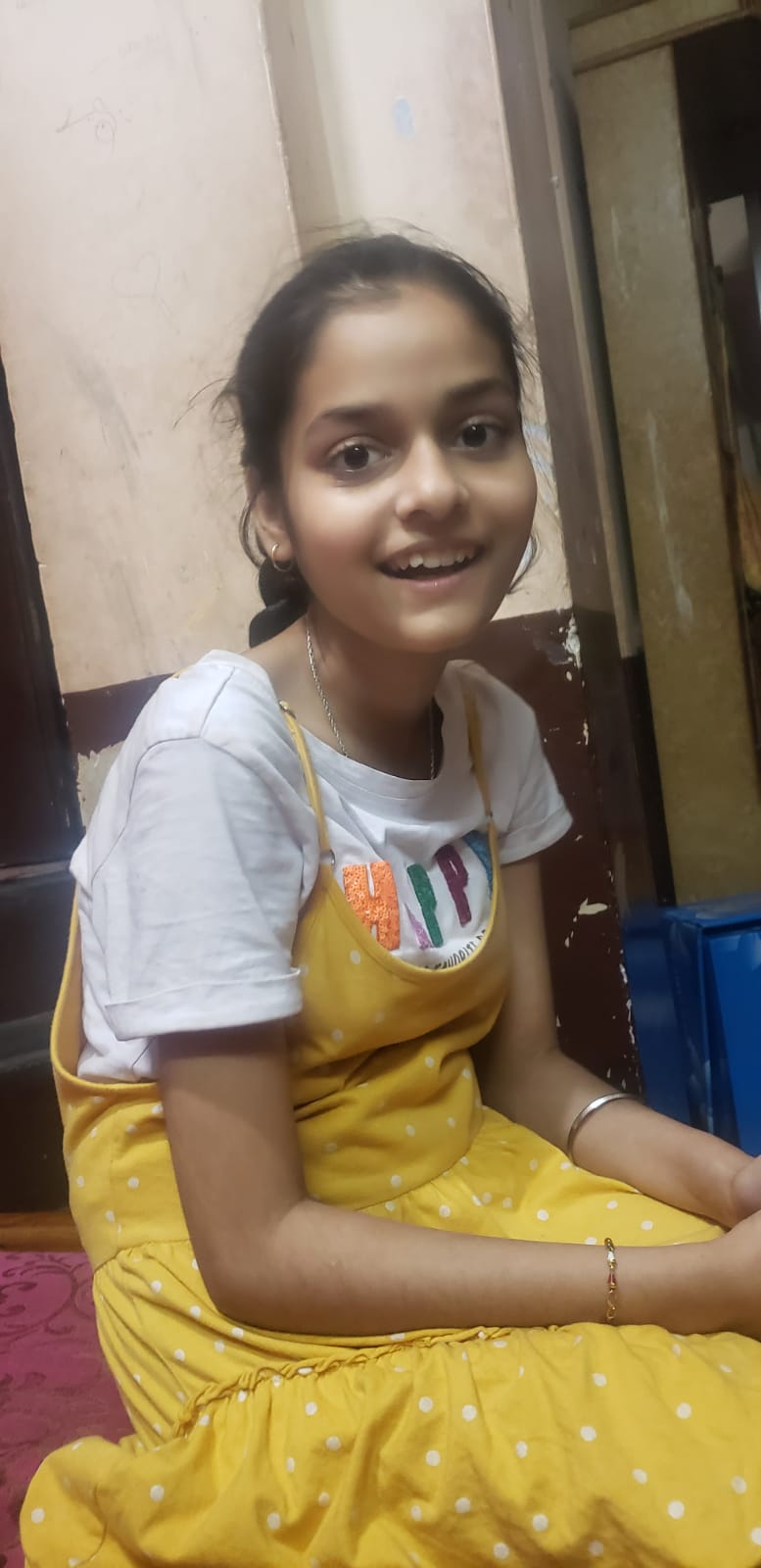
His 12 year old daughter, Sagan, was engaging, showing me her English language test book with almost 100% scores, while her rambunctious young brother, Vinayak, vied for attention.
Durin
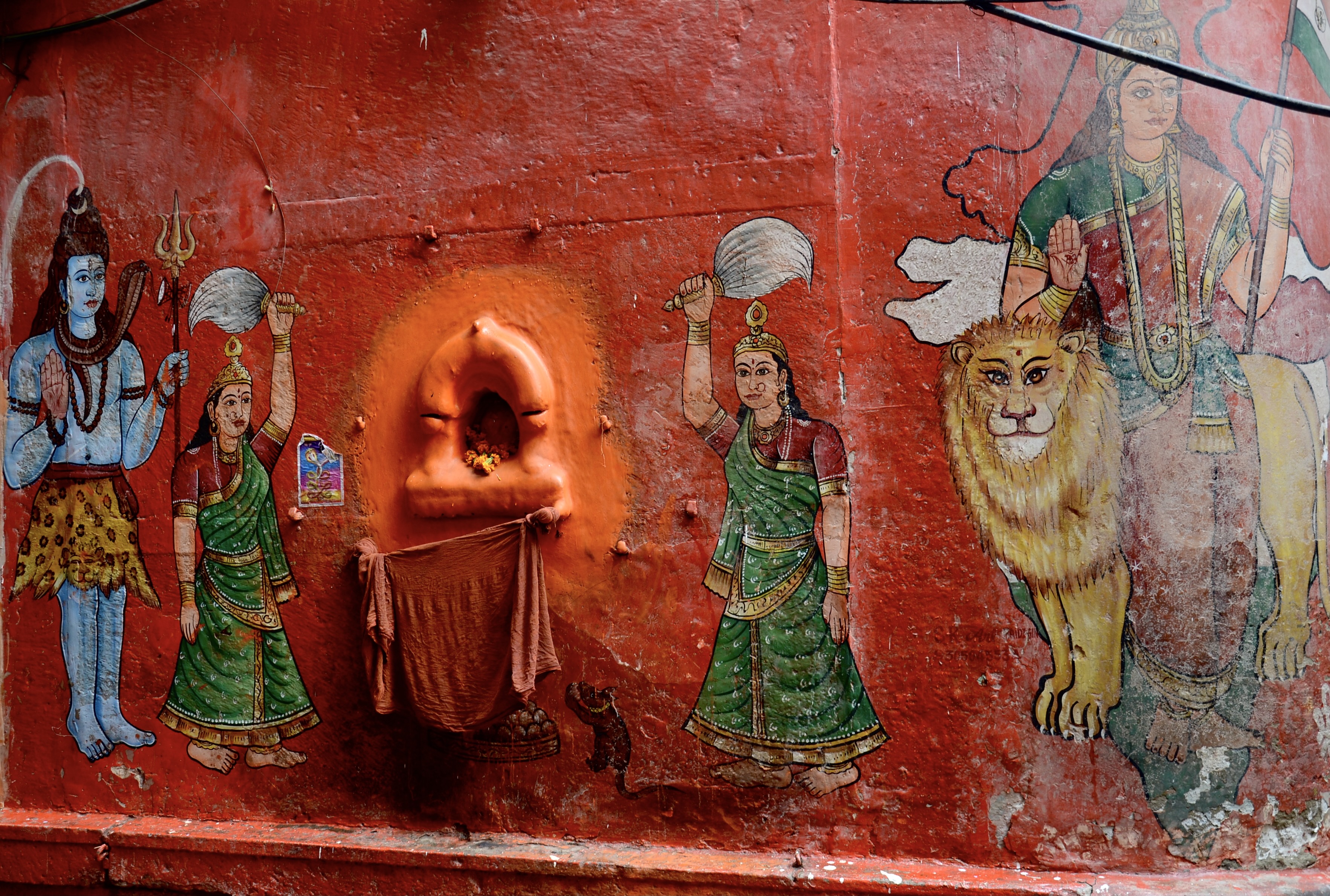
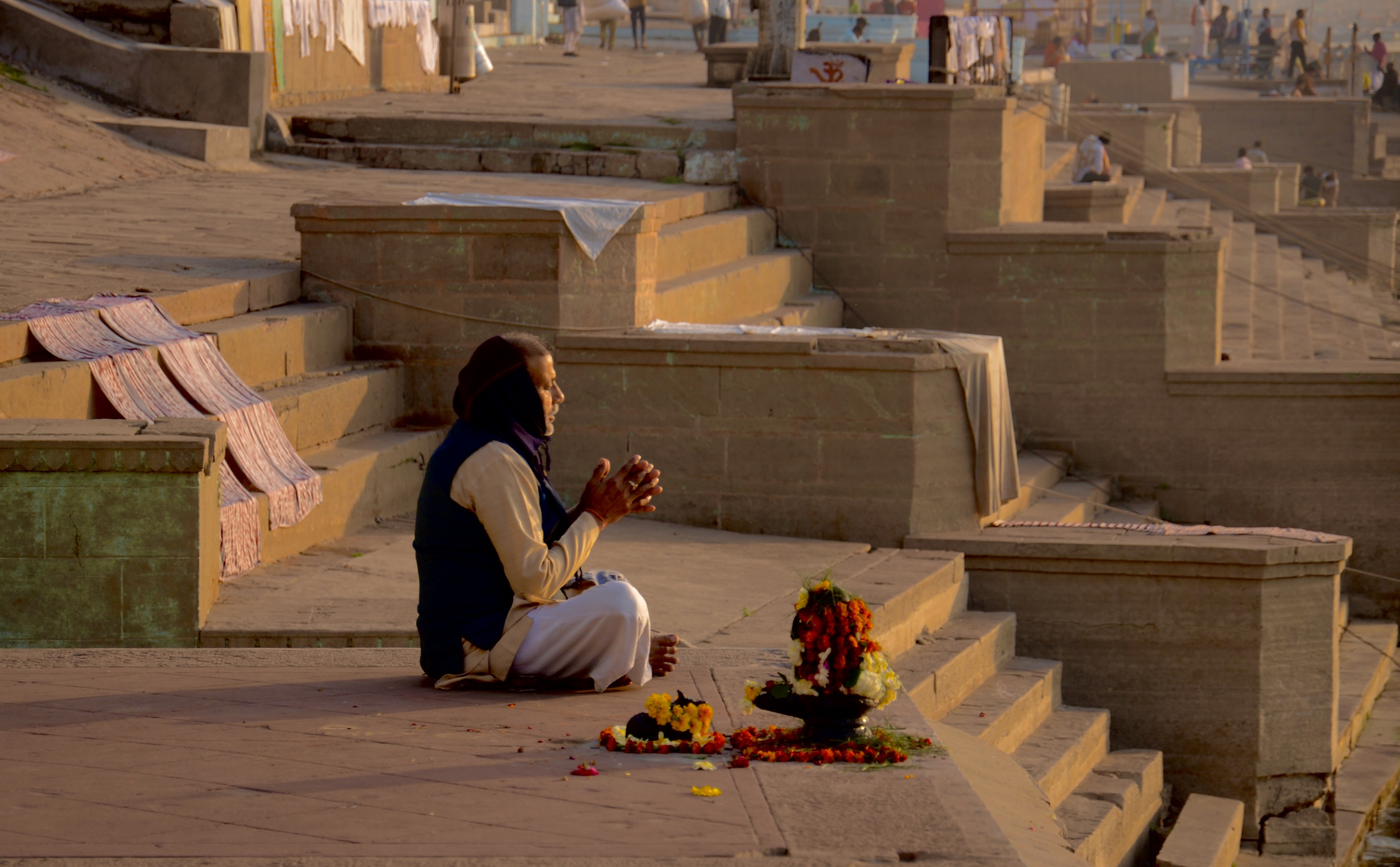
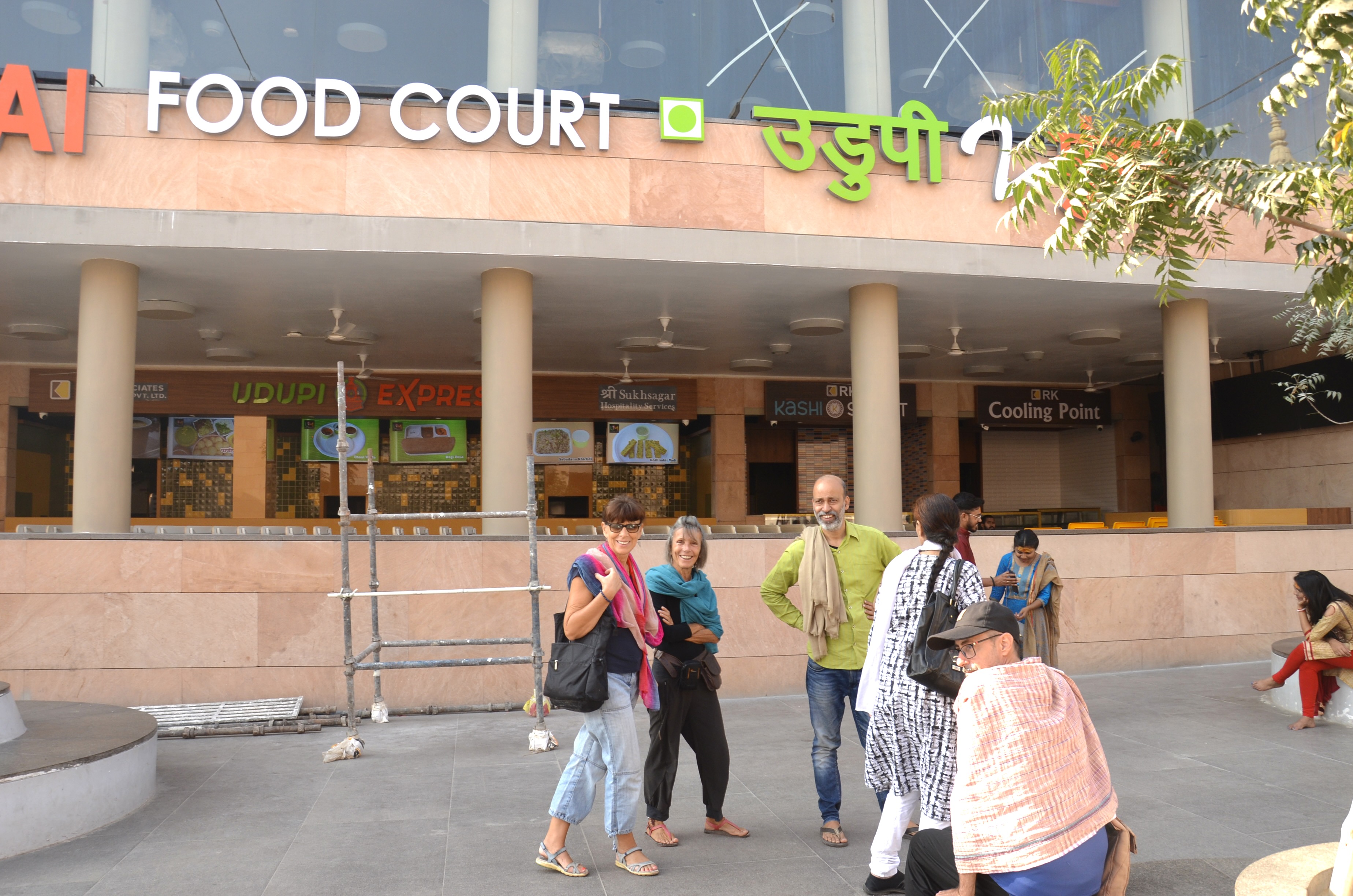
As we have done previously, we accompanied Santosh an accomplished photographer, to watch the sunrise over the river and the pilgrims do their morning puja. We’ve done that many times before and it still remains spectacular. During Covid, many walls were decorated with murals, some better than others. But our sense of awe turned to dismay as the new corridor loomed. A wide stone staircase lead up to the entry way and a fast food court. An admission fee is required to go further into the corridor leading to the Golden Temple.
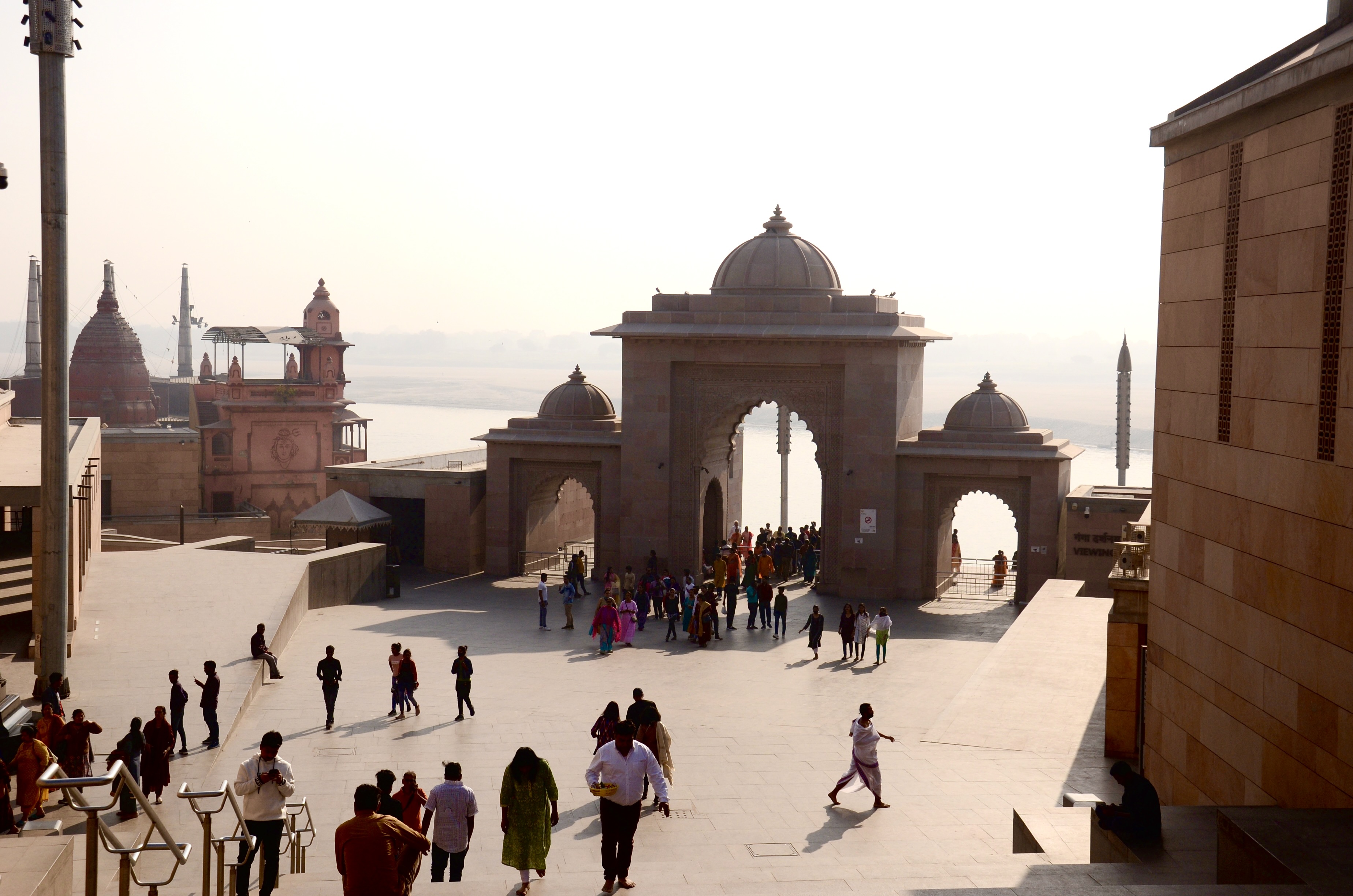
Three years ago when the project began, we were deeply perplexed that they could tear down part of this ancient city. Now 500 old houses have been destroyed to create this gaping hole of modernity and capitalism.
Just past the corridor, Manikarnika, the rambling main Burning Ghat has been contained. I used to find it mysterious and almost threatening with its confusion of burning bodies, sadhus and pseudo policemen forbidding photography at threat of large fines. Now I can walk by unaccosted.
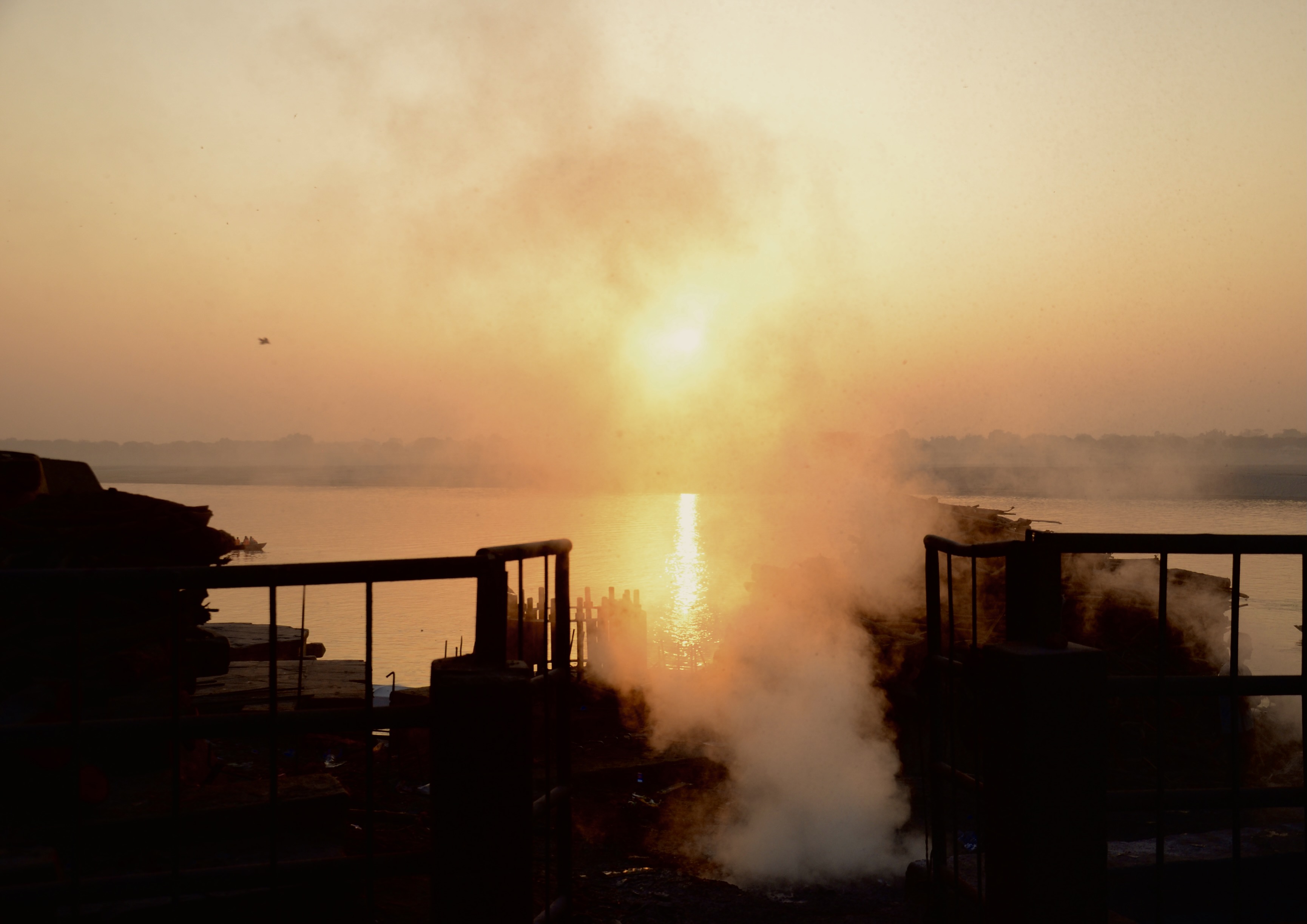
Admittedly, Modi’s a controversial figure but it seems he wants to turn Varanasi into a tourist attraction. Pilgrims have been coming here to worship and to die for thousands of years. They will continue to come but they will have to compete with the well-heeled tourists.
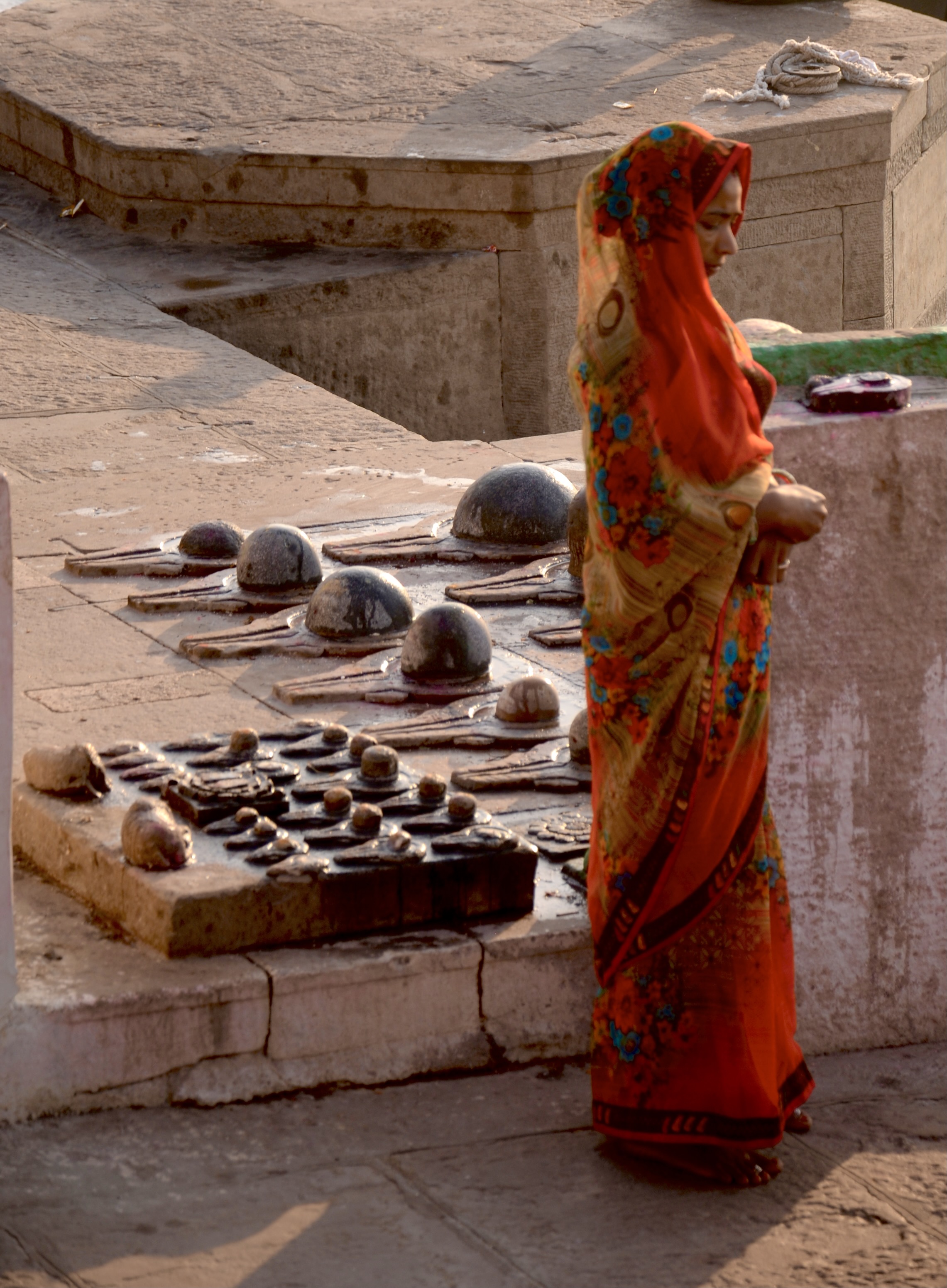
For us, we continue to meet old friends. From the first time we arrived fifteen years ago, we connected with our congenial guesthouse manager, Sanjiv, restaurant owners, shopkeepers, music lovers, chai wallahs, and even beggars. Unimpeded with language difficulties, the friendships strengthened with each visit.
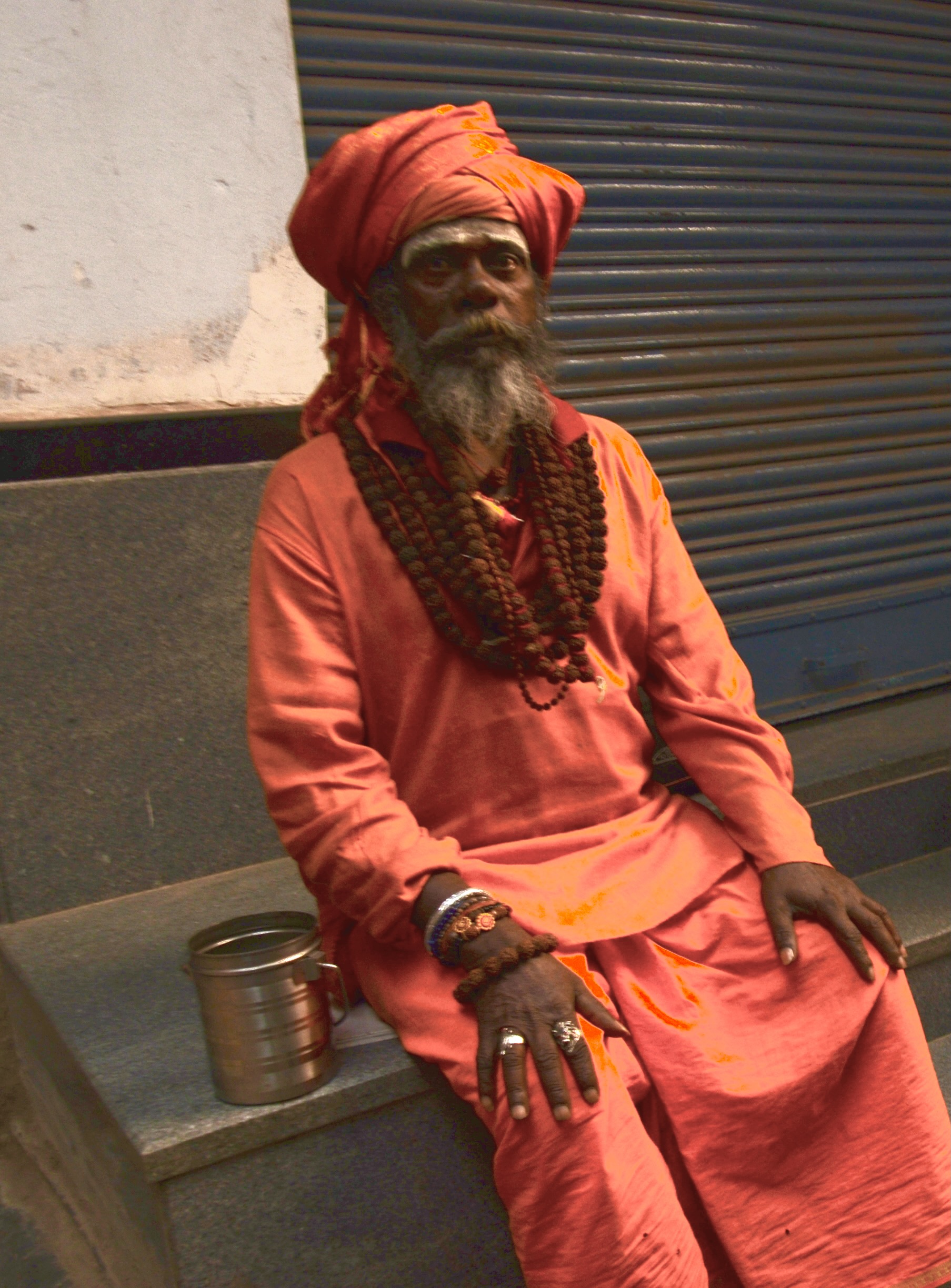
In spite of the encroaching modern world, Varanasi remains remarkably unique: the sun rising over the Ganges, the boats darting back and forth, sadhus performing their spiritual practices.
 A Small Case Across India