India is a cheap escape from winter. But it’s much more than that…the attraction to a country that is so large and so diverse physically, economically and spiritually is powerful. To those of us who are attracted, India can be addictive.
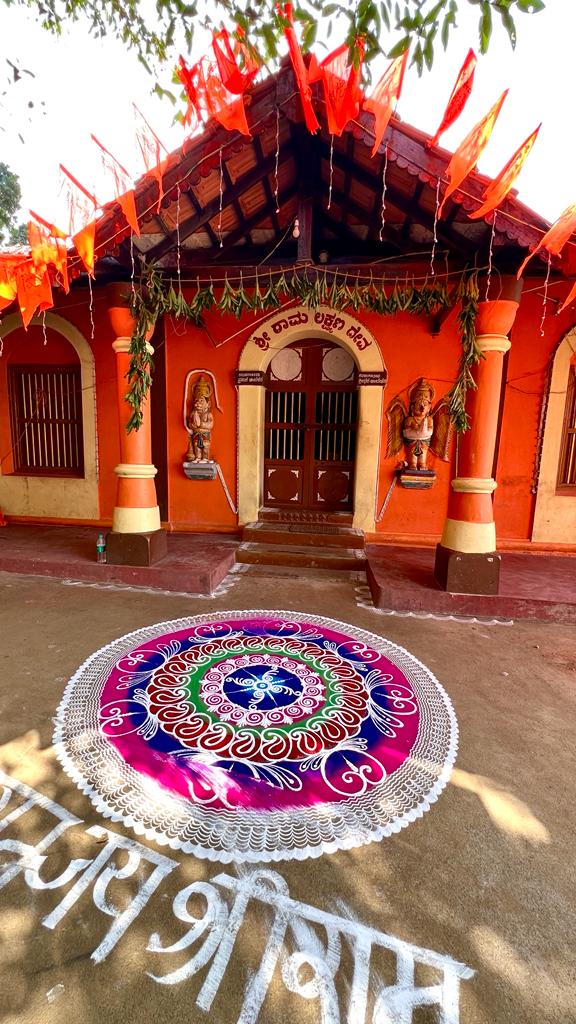
The other day we chose not to go into town because the Hindus were celebrating the consecration of the new Ram Mandir or temple built on a long-disputed site between Hindus and Moslems, in Ayodhya, northern India. You may have already heard about this since the national media gave it quite prominent coverage.
The Hindus believe Ayodhya is the birthplace of Ram, a major Hindu deity, and considered a Supreme Being. After Mogul rulers destroyed an earlier Hindu temple back in 1528, they built Babri Mosque on the same site. In 1858 waves of communal rioting for the site began, culminating in 1992 when Hindu nationalists destroyed the mosque. Then in 2002, 58 Hindu activists returning from Ayodhya were burned to death when their train was set on fire in the state of Gujarat. Days of brutal violence were unleashed that left more than 1,000 people dead, the majority of them Muslims. Narendra Modi, chief minister of Gujarat at the time, was accused of complicity by allowing the Hindu groups to carry out the revenge and turning a blind eye to police involvement. Modi denies any wrongdoing.
All too nationalistic for our liking. And how did the country’s 200 million Muslims feel? Not to mention the Buddhists, and Christians that also inhabit India? How can Modi’s slogan ‘1.4 Billion One Dream’ apply to a subcontinent as diverse as India.
The following day, we were in the local chai shop when we overheard an animated conversation between a distinguished elderly gentlemen and young man.
Both agreed that Modi’s Ram is quite different from Mahatma Gandhi’s Ram. The young man accused the BJP of mixing religion and politics and exploiting the wave of religious sentiments for maximum electoral gains. The BJP has harnessed Hindu people’s devotion towards Ram and weaponized it,” The older man agreed and quoted Gandhi saying, by Rama Rajya (Kingdom) he did not mean a Hindu state. What he meant was the rule of God, where the weakest would secure justice.” The young man continued with: “For Gandhi, Ram was not an angry god, but a symbol of benevolent divine power.”
Gerard and I are disturbed by the drift globally toward extremism on the right, as personified by Trump, Putin, Netanyahu,. Orban and Modi. We are living in a strange time.
Gerard and I are disturbed by the drift globally toward extremism on the right, as personified by Trump, Putin, Netanyahu, Orban and Modi. We are living in a strange time.
As we flew out of India last March, I had a premonition we might not be able to return again the following January. We had little idea at that time how serious coronavirus was and how deeply and long it would impact our lives. Waiting for the plane to depart, our last night in Orchha occupied my thoughts. The town had gone into an abrupt lockdown, the temple closed its doors and the streets emptied. In a pool of streetlight, a small group of beggars sat outside the temple, while our new friend from the Indian military, volunteering with the temple priests, handed out dal and chapatis. The usual hubbub of pilgrims and street vendors had already disappeared into the quiet night. I took a last photograph and silently bid Orchha goodbye. The mood was decidedly melancholy. The next day, we were back in Delhi and franticly searching for a flight to Boston. had to let go of my fantasy of hiding out in the Himalayas, and we boarded one of the last flights out of India.
We returned home to a new reality of social distancing, mask wearing and grocery store queues. But spring was coming and the garden became our refuge. We nursed it back to life, planted anew and weeded. Gerard rebuilt the stone wall and leveled the paving stones.
We lingered over breakfast, drank chai in remembrance of India, and from time-to-time entertained friends sitting six feet apart on the patio.
While self-quarantining, I paced the empty alleys of the South End. Soon I felt confident to ride my bike in the empty streets of Boston and discovered new bike paths in and around the city: beside the Charles River and around the vast, now empty, university campuses of Northeastern and Boston.
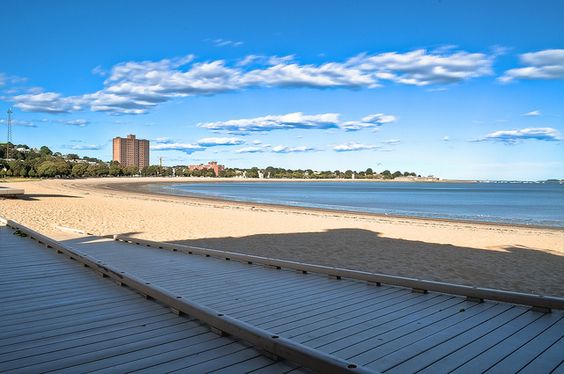
When summer came, I could not longer go to Manchester by the Sea; the town had closed the beach to non-residents. Boston harbor became an option; I swam wary of pollution and keeping my head well out of the water. On a sunny weekday, more often than not I swam by myself, looking back toward the city and marveling at my secluded private lagoon. (On the weekend, the crowds arrived and I stayed home)
The social restrictions have not bothered me as much as others. The pandemic has helped me to rein in my restless nature and find a new contentment in a quieter life at home. I never really liked the using the telephone and now, with my hearing loss, I’ve rediscovered the joy of writing letters. Growing up in England, letter writing was expected and something always enjoyed. I lost touch with it through the convenience and universality of telephones. Social encounters, consisting of only one or two people at a time, are easier, although masks and social distancing exacerbate my hearing loss. With the deepening political chaos I’ve spent more time reading the news, national and international trying to make sense of the insanity. And now that winter’s arrived, I’ve taken up knitting again after a long hiatus.
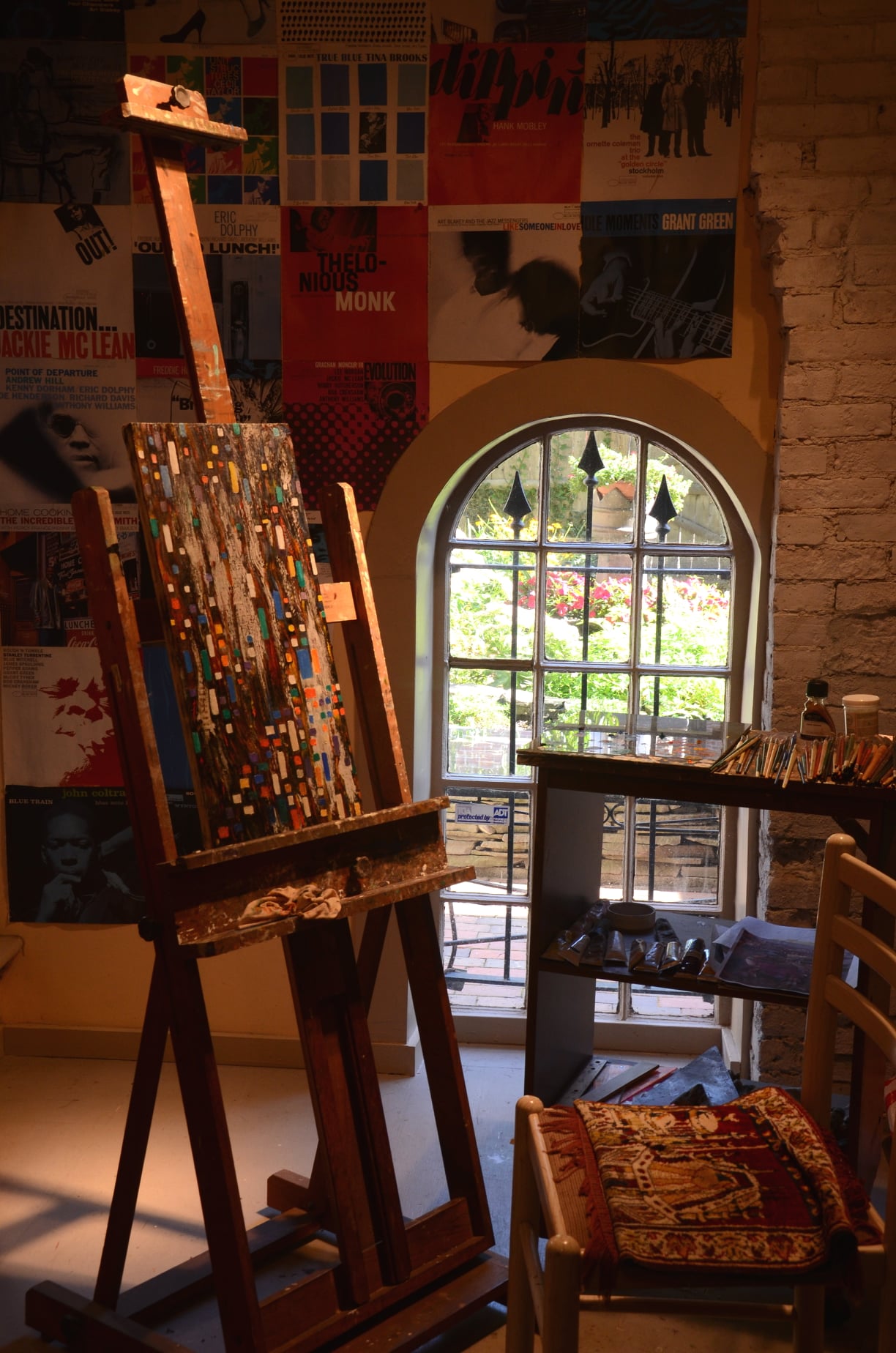
Gerard, who never has a problem occupying his time, stays busy with projects: house repair, furniture refinishing…and painting pictures when he finds time. He’s recently completed two that I especially like. Now, he’s returning to a rewrite of his memoir during the cold dark winter months. He’s never at any loss for words on the telephone, but he misses socializing, whether a casual street encounter, or a prolonged coffee shop conversation with friends. Neither of us have suffered in isolation – fortunate we don’t have to go out to work, have a lovely house and each other for company.
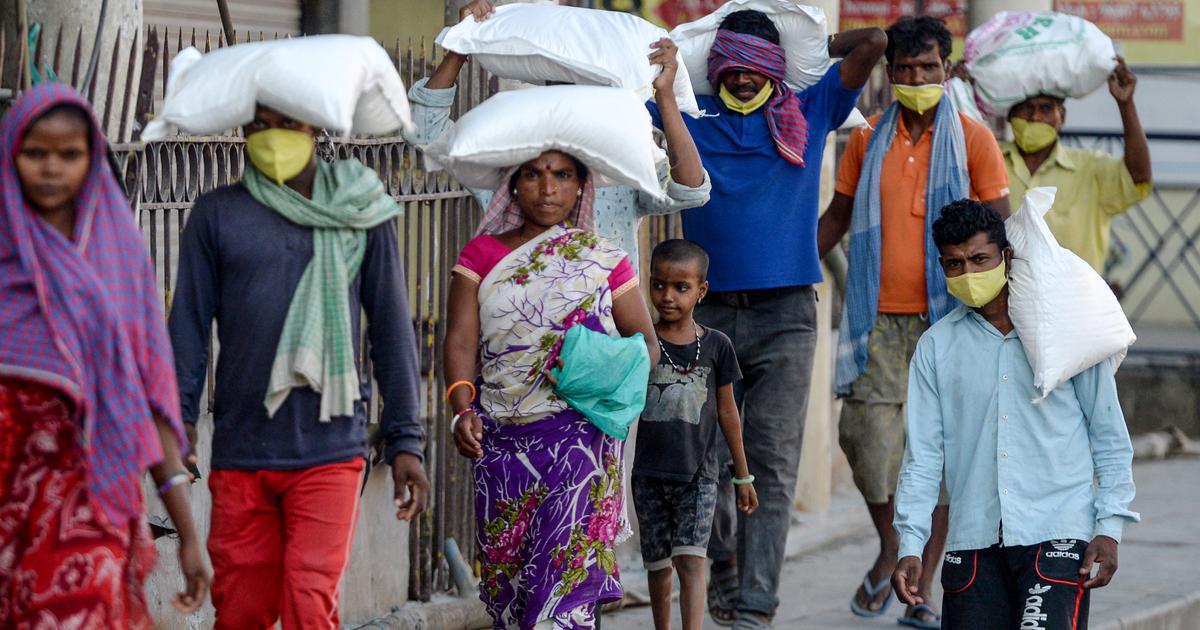
India is never far from our thoughts. Back in March, Modi ordered India’s lockdown with less than four hours’ notice. “Forget what it is like stepping out of the house for 21 days. Stay at home and only stay at home,” he ordered. But he mentioned nothing specific about the daily-wage earners—mostly migrant workers—who make up 80% of India’s workforce. Factory hands, delivery boys, cooks, painters, rickshaw pullers, or vendors standing by the roadside, selling fruits and vegetables, chai and flowers. Migrant women are indispensable as maid servants for the middle and upper class; daily they arrive to wash clothes, sweep floors, cut vegetables and make chapatis. With the pandemic, their income, in an instant, disappeared. We’ve seen horrifying pictures of these migrant workers, fleeing the shutdown cities. With bags perched on their heads and children in their arms, walking down highways in a desperate attempt to return to their villages hundreds of miles away.
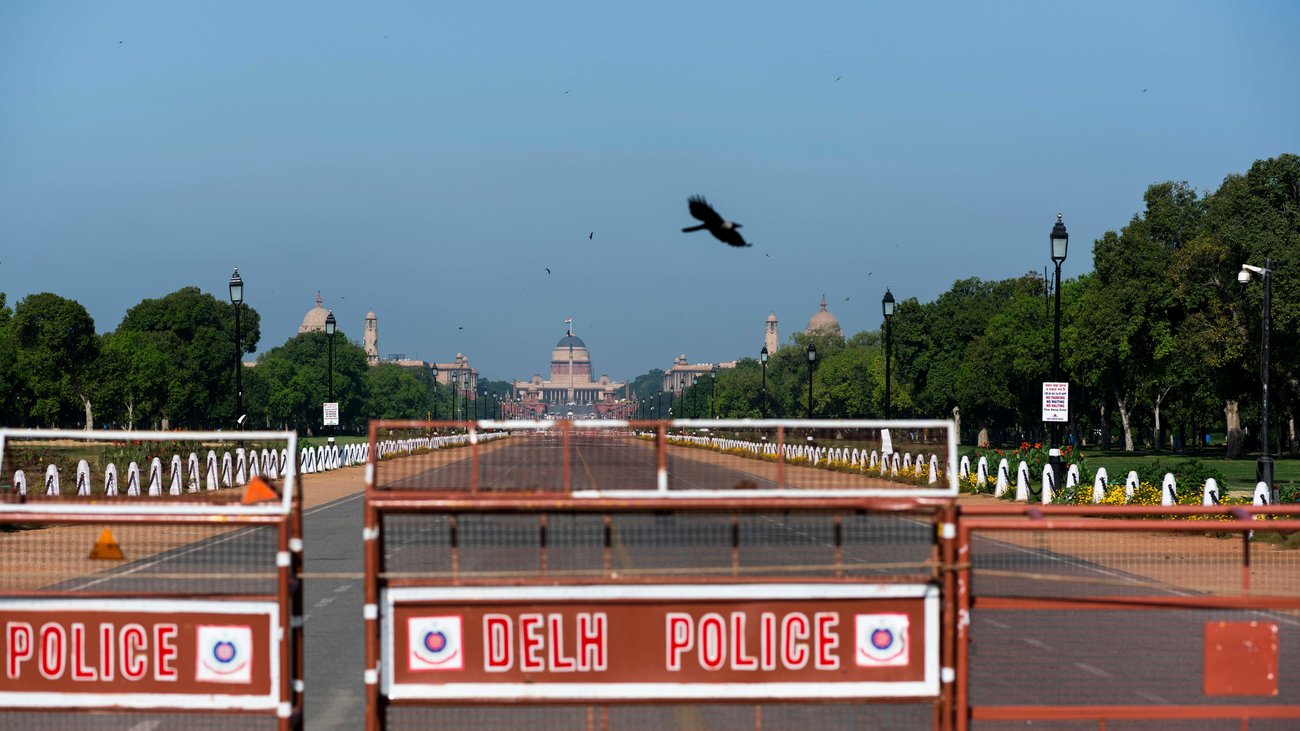
Meanwhile, back in Delhi, with few cars on the road, there is one silver lining: the sky has become clear and blue, something rarely seen in one of the most polluted cities in the world.
A crow flies near Rashtrapati Bhavan, the presidential palace in New Delhi, on April 2. Air quality has markedly improved in India’s capital since the country’s coronavirus lockdown began last month.
In the days following the shutdown, we heard stories of foreigners who didn’t get out in time. A friend sent us a video of some English tourists fleeing Varansi to make an evacuation flight in Dehi. The trip was far from smooth, the van driver fell asleep and went off the road, there was a long wait for another van, resulting in just missing their plane. I was envious of American friends, one a Krishna devotee, the other a travel guide, who were both able to remain in Himachal Pradesh. In the mountains, there’s been little evidence of covid. Two other old friends, have both become permanent residents in Auroville. Covid infections have stayed low and their lives seem to be continuing as normal within the confines of the community.
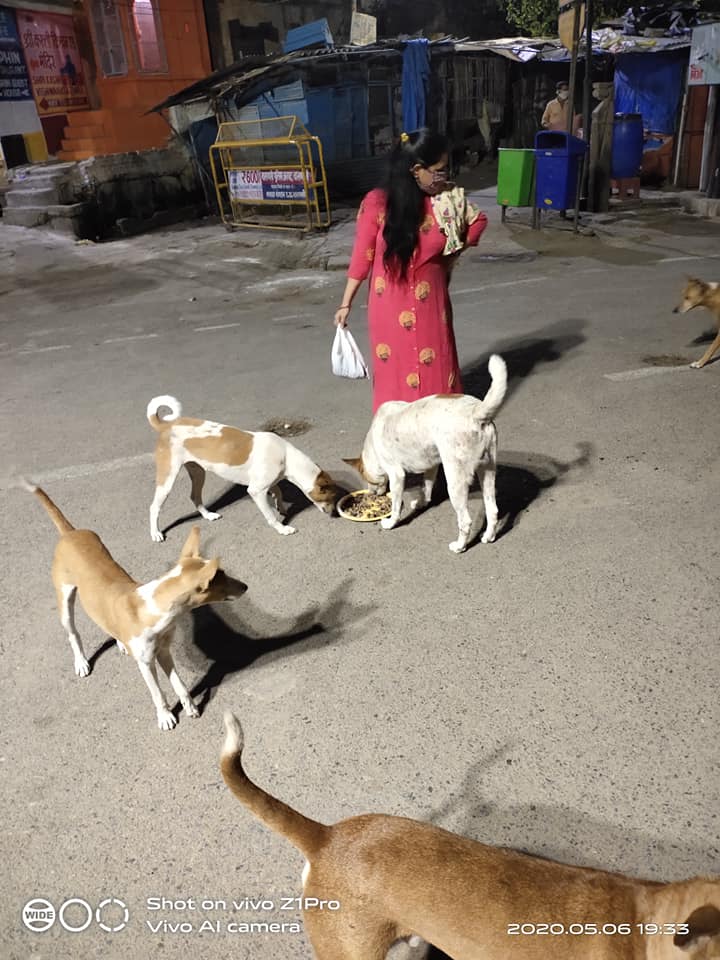
We’ve also kept in contact with our Indian friends. Their stories are quite different. Our hotel in Varanasi, Shiva Kashi, has been closed since March and Sanjiv, the manager, is trying to hang on until they can open again, probably not before next summer at the earliest. Shree Cafe is likewise closed. Santosh, his days freed up, is taking photographs of the shutdown city. Sadly, the demolition work from the Golden temple to the banks of the river still continues with a hideous pontoon mooring to offload tourists arriving by boat. His wife, Seema, has fed the stray dogs and cows on the street almost nightly and sponsors community youth activities – coaching football teams on the ghats, holding competitions.
Rajesh appears to be back at his bangle store near the Golden Temple (though we may be wrong) while still writing beautiful poems. In the photographs, few are wearing masks. In Orchha, our Kashmiri friends were forced to close their jewelry store, but couldn’t get a flight home to Srinagar. We’re still waiting for the final outcome. So many of the Indians we know rely on the now nonexistent tourist business. The Indian government is not issuing any tourist visas and this is unlikely to change as long as covid continues to surge.
Back in the US, the political mess has provided a constant distraction…or irritation. It’s felt like an emotional roller coaster. For a moment, I believed trump was going to leave the stage and he’d no longer dominate my mind with so much negativity. But that’s not trump; good news or bad news, he still continues to take center stage. After the storming of the Capitol, I feel America has deteriorated into a state of complete lawlessness — a banana republic. Wintering in India, we’ve missed recent inaugurations. In hill station, Ooty, we tried to watch Obama with a group of westerners but the TV had terrible reception. Four years ago, we happily ignored Trump’s sign-in as we sat on the beach in Agonda.
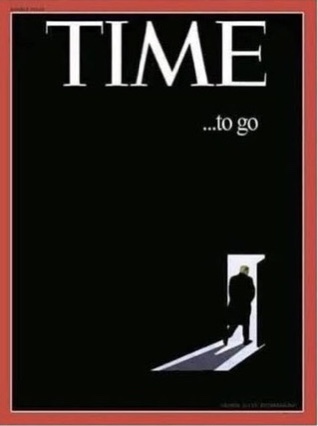
As Biden will be inaugurated in a virtual and low key ceremony, trump will orchestrate his ‘triumphant’ departure from a military air base in Maryland…but no one will be watching. It’s easy for me to compare his departure to that of Richard Nixon in 1974. But I like to think Nixon redeemed himself by having some remorse. He later admitted: “I let you down. I let the country down.” I can’t imagine trump will ever feel any similar responsibility.
At present, I’m on overload: too much trump, too much pandemic, too much distrust. Keeping our heads down, we hope for the best. Missing all of you that we will not see in India this winter, best wishes for health and happiness in 2021.





 A Small Case Across India