Udaipur: 24 Years Later

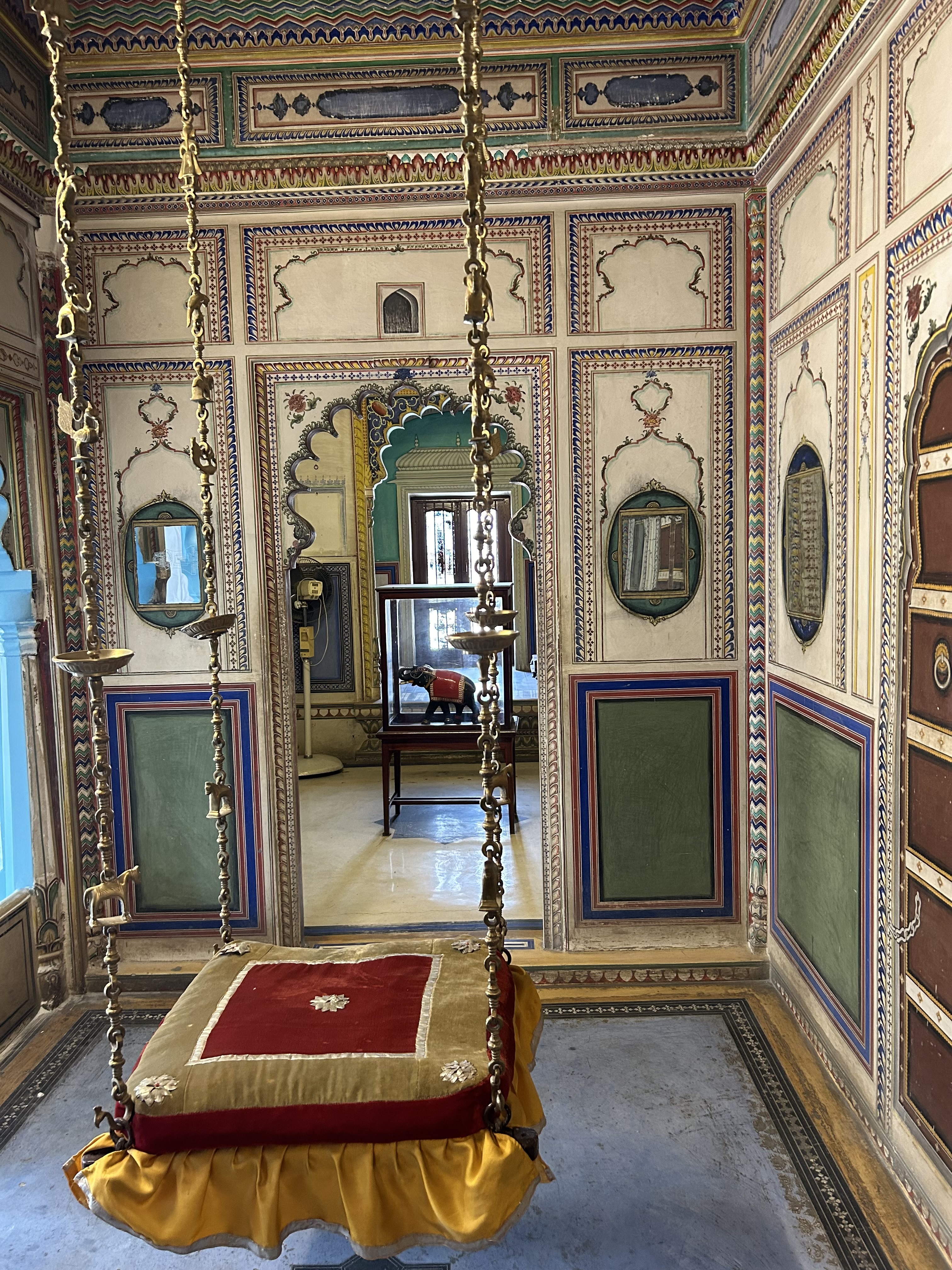
We first came to Udaipur 24 years ago and haven’t returned until now. On our first visit, when we only came to India for three weeks and were still working, we stayed in a Heritage haveli on the edge of the lake in the honeymoon suite for a mere $25. Today, we’re still paying $25 for a room that’s definitely one of our better ones in India, four large breezy windows with a lake view. But it’s nowhere near the caliber of the previous suite and located on the ‘other side’ of the lake.

Two small bridges cross the narrow channel of water connecting the two sides of town – an old stone one for traffic, and a newer footbridge.  
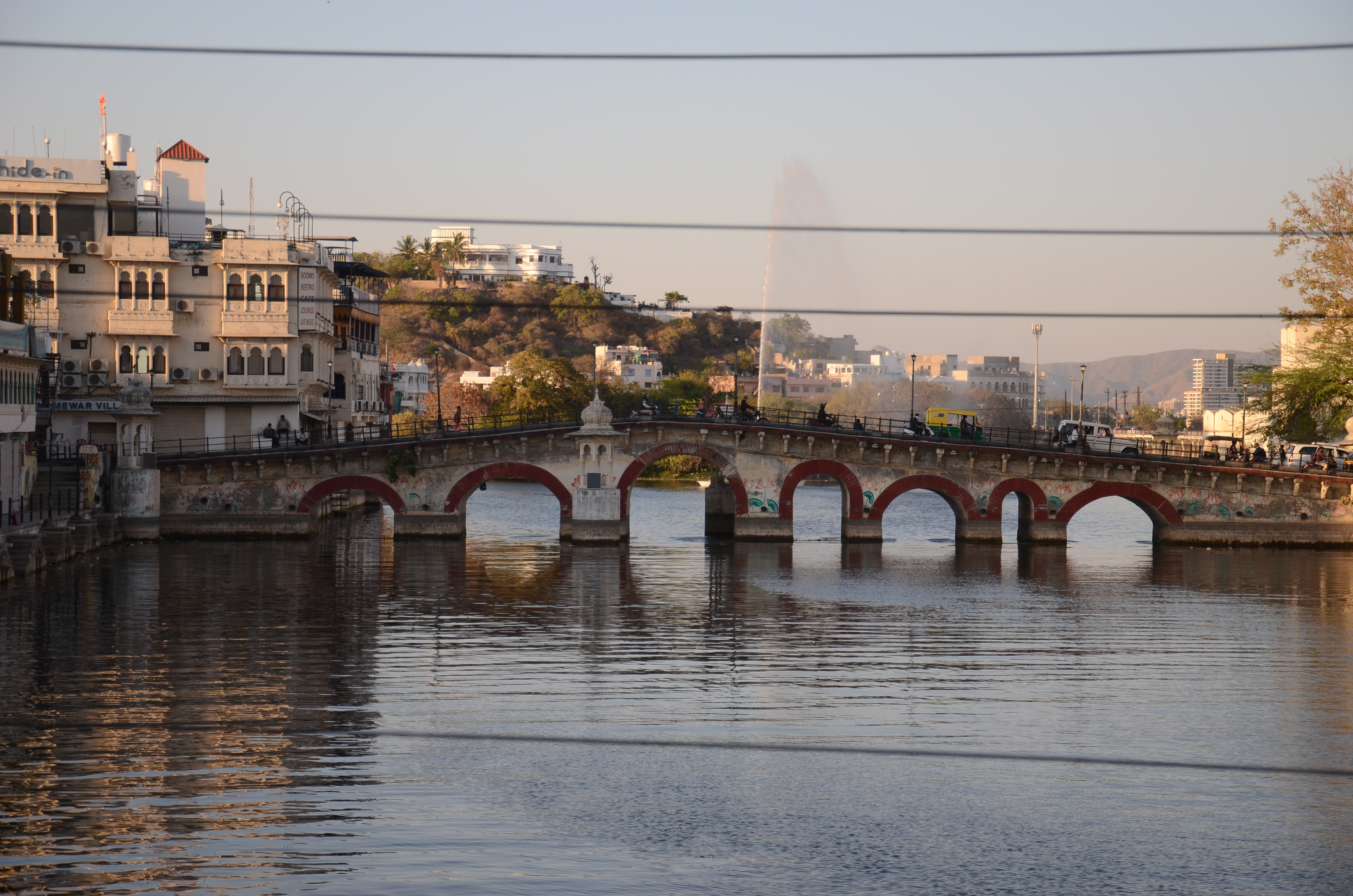
Memories of past journeys come to mind.  Walking across the footbridge, I’m reminded of the bridges crossing the Miljacka river in Sarajevo.
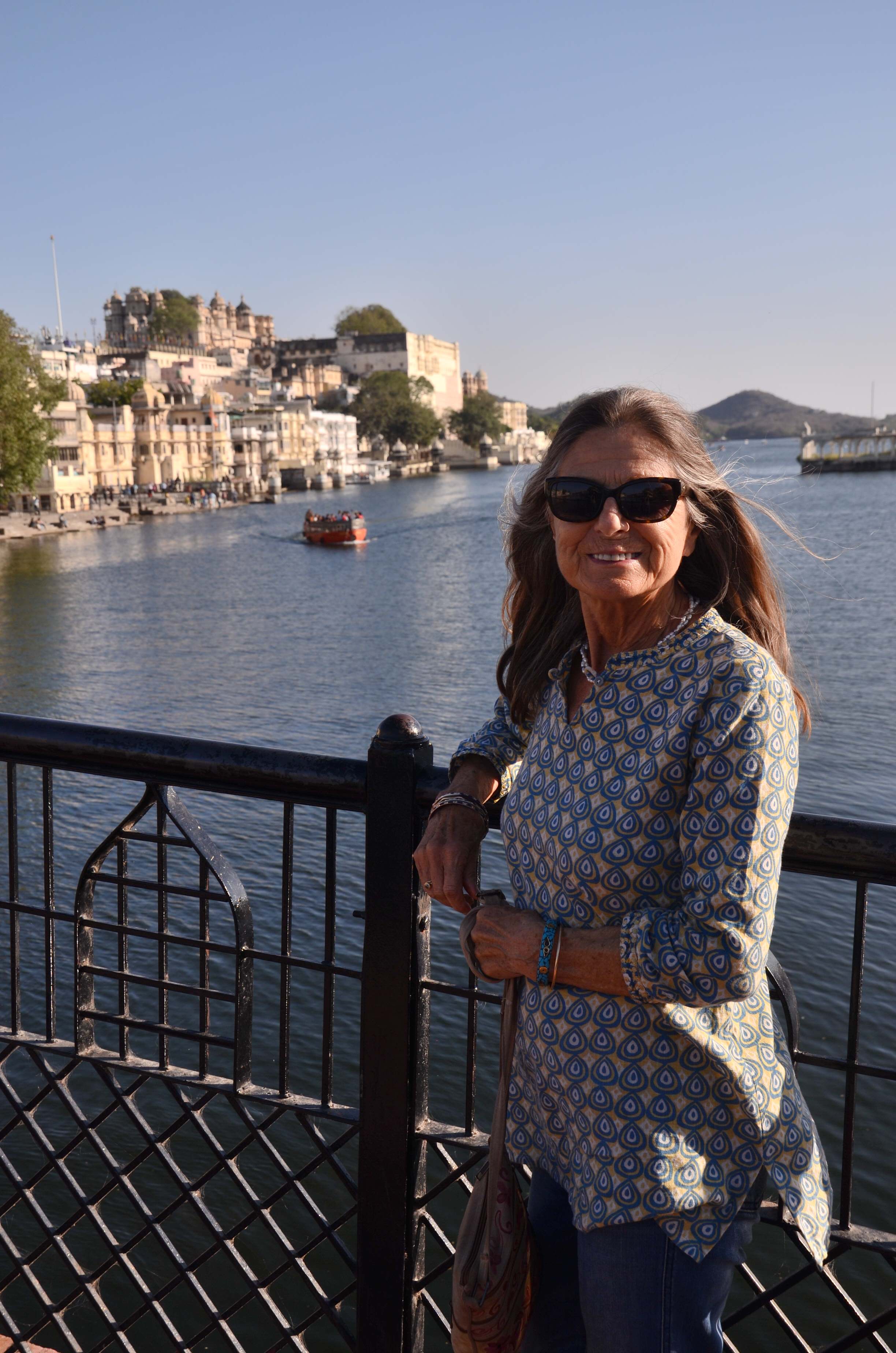
Galleries selling Indian miniatures and the high-end restaurants on  the lake’s edge, could be Carmel( if you squint).
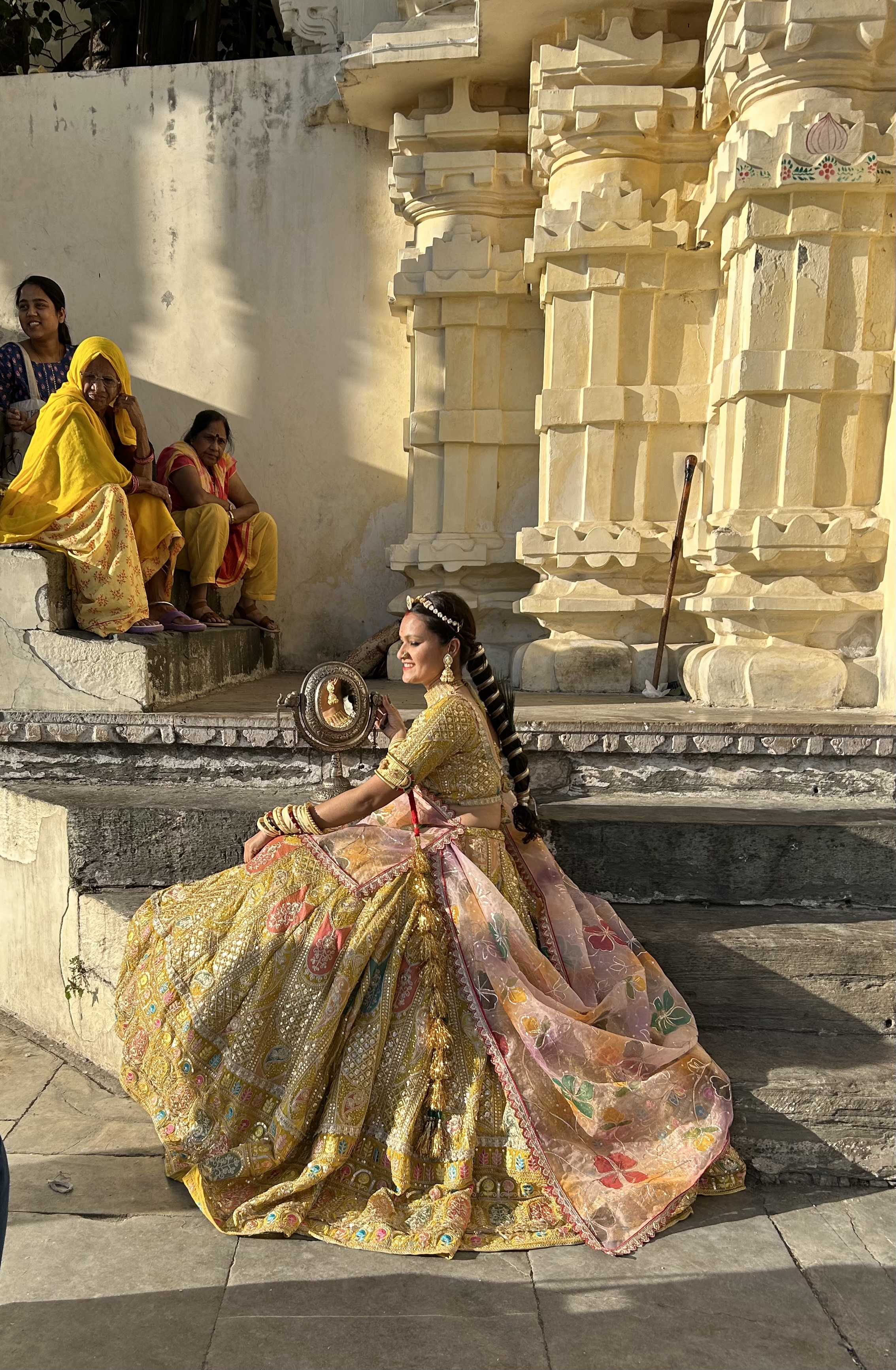
And the narrow lanes and temple music below our window brings up images of Varanasi. 
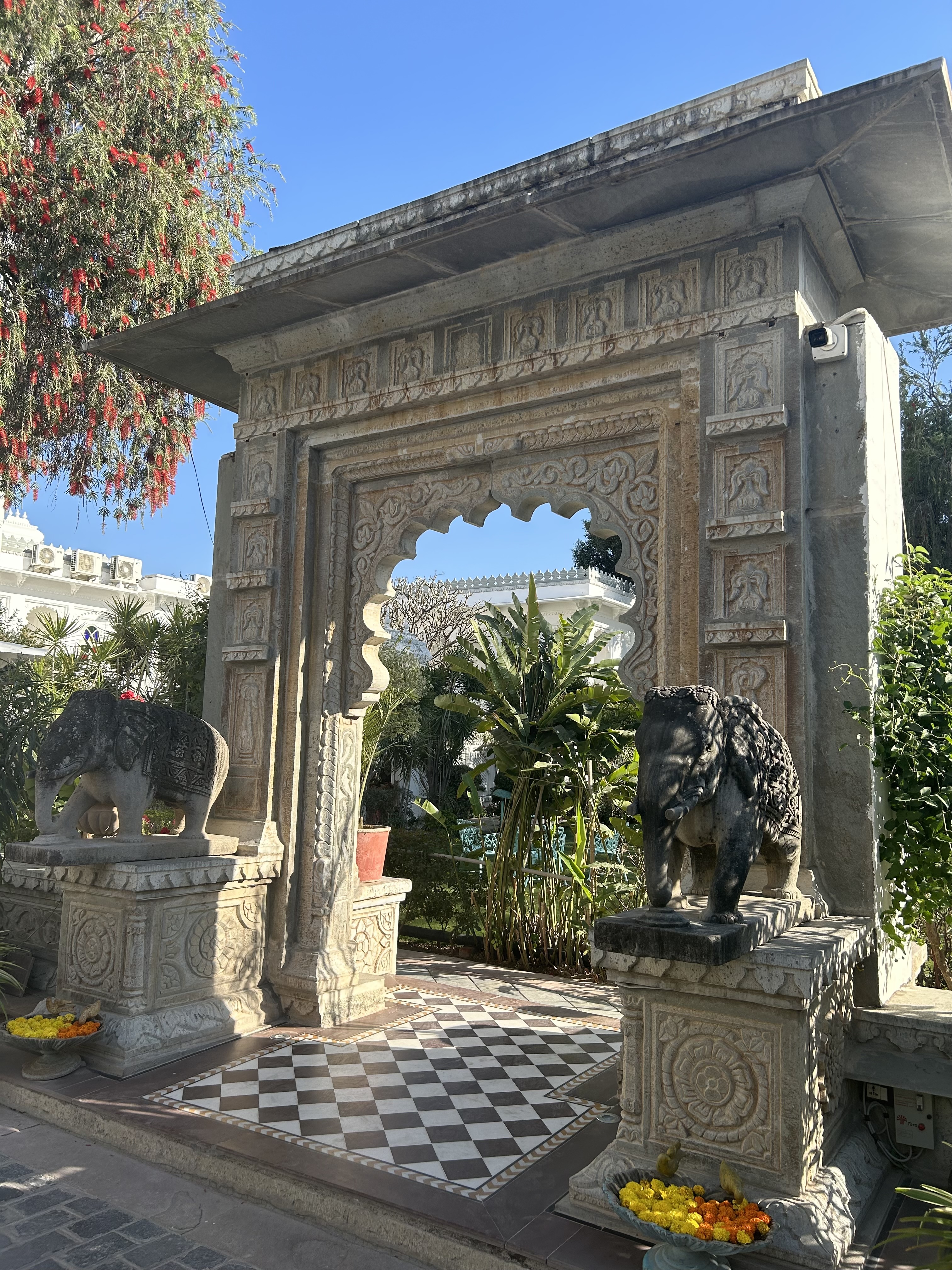
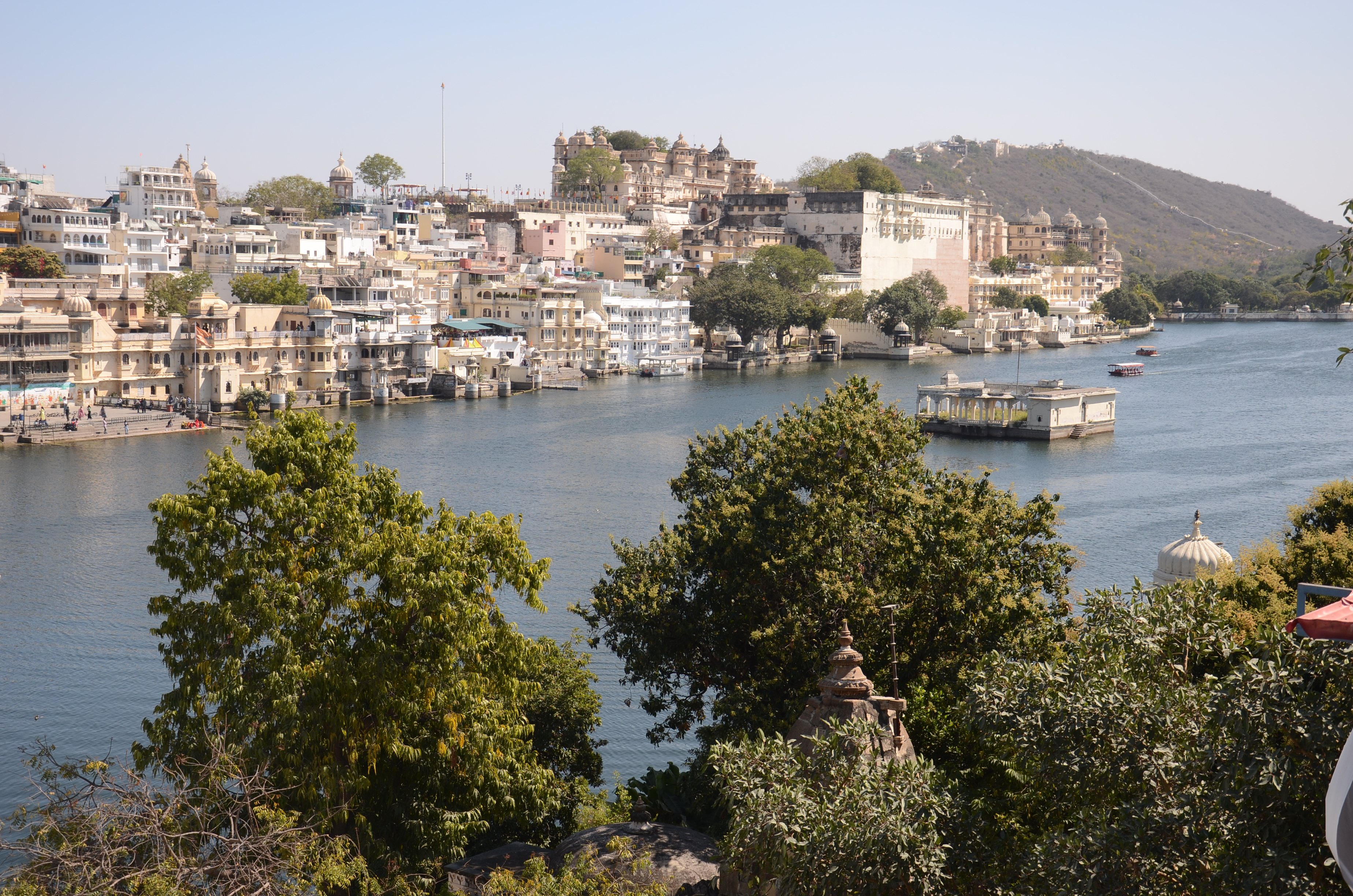
With its old havelis, palaces, marble temples and seven man-made lakes, the city clings to its historical elegance.
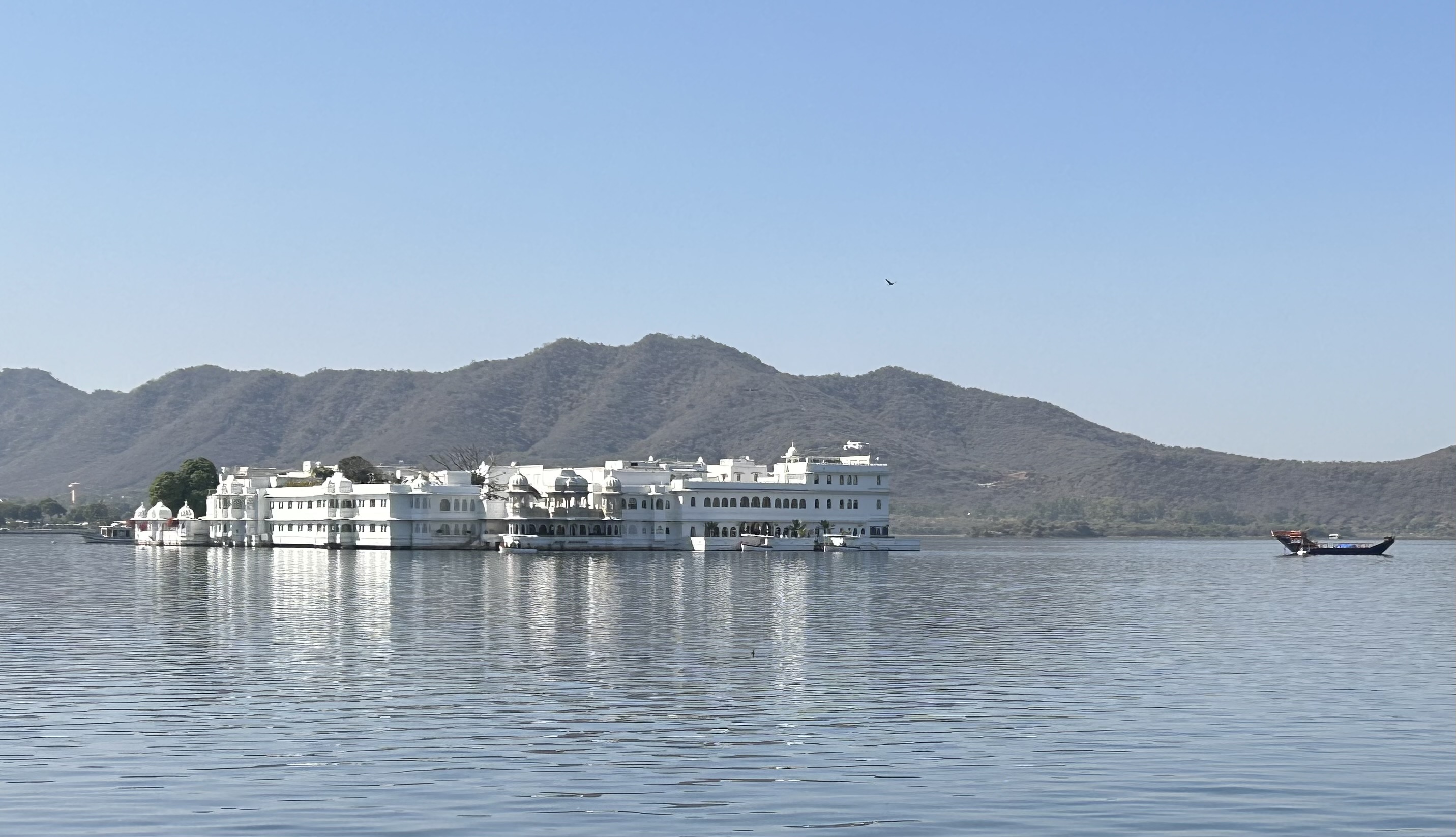
The floating palace in the middle of Lake Pichola is familiar to westerners from the 1983 James Bond movie, Octopussy.
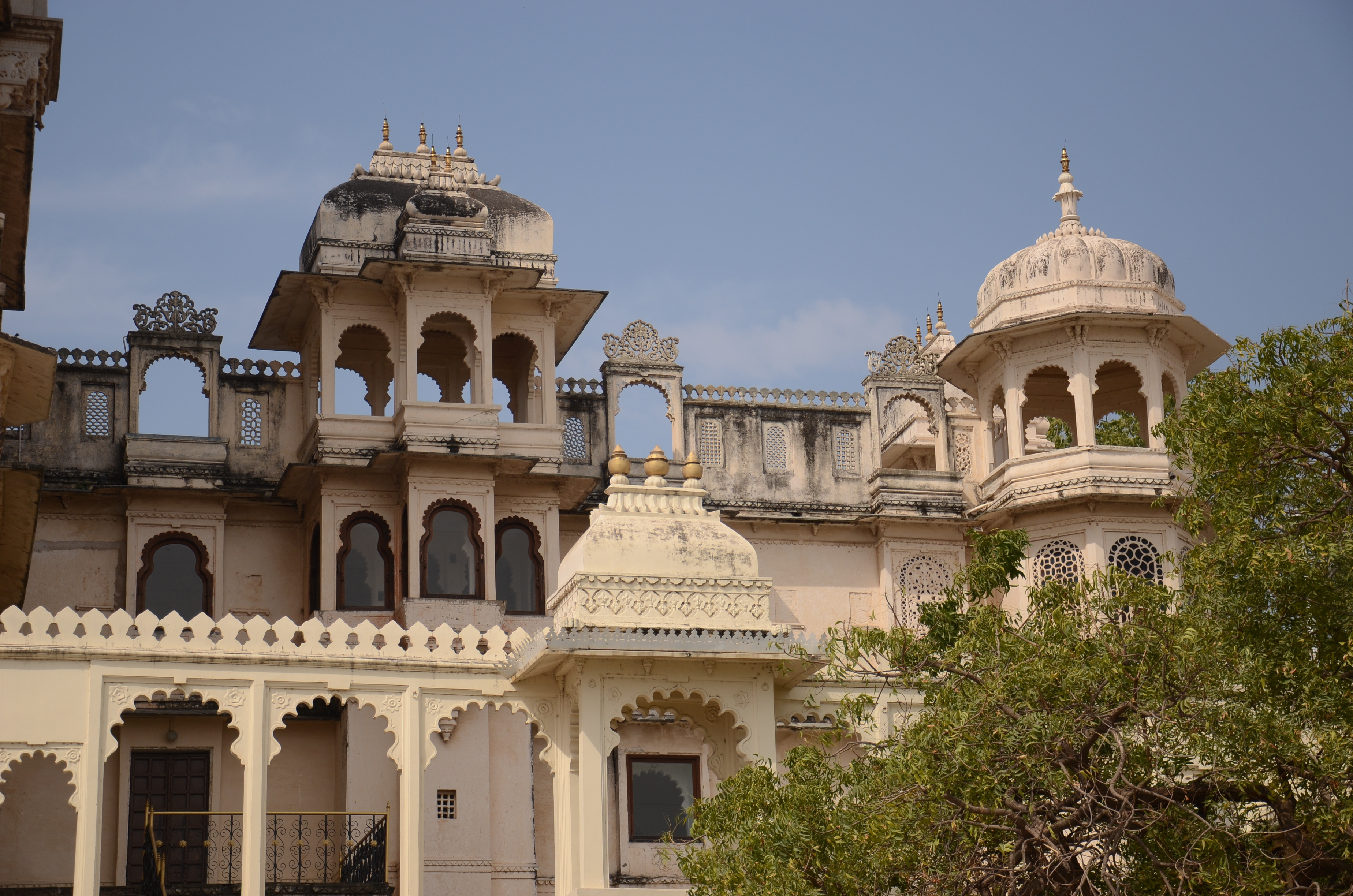
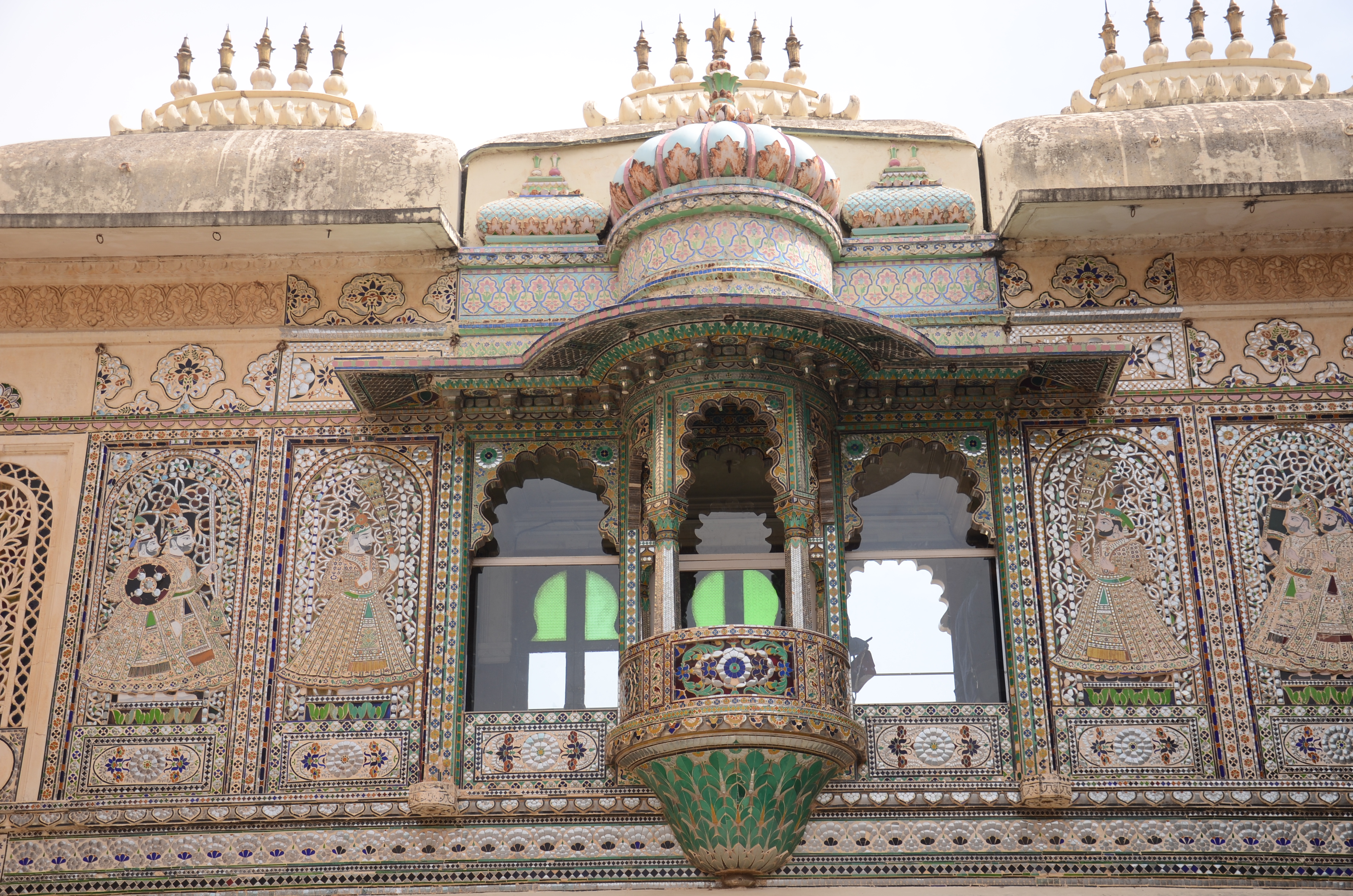
City Palace, built over 400 years, is  a monumental complex of 11 palaces, courtyards and gardens with sweeping views of the lake.
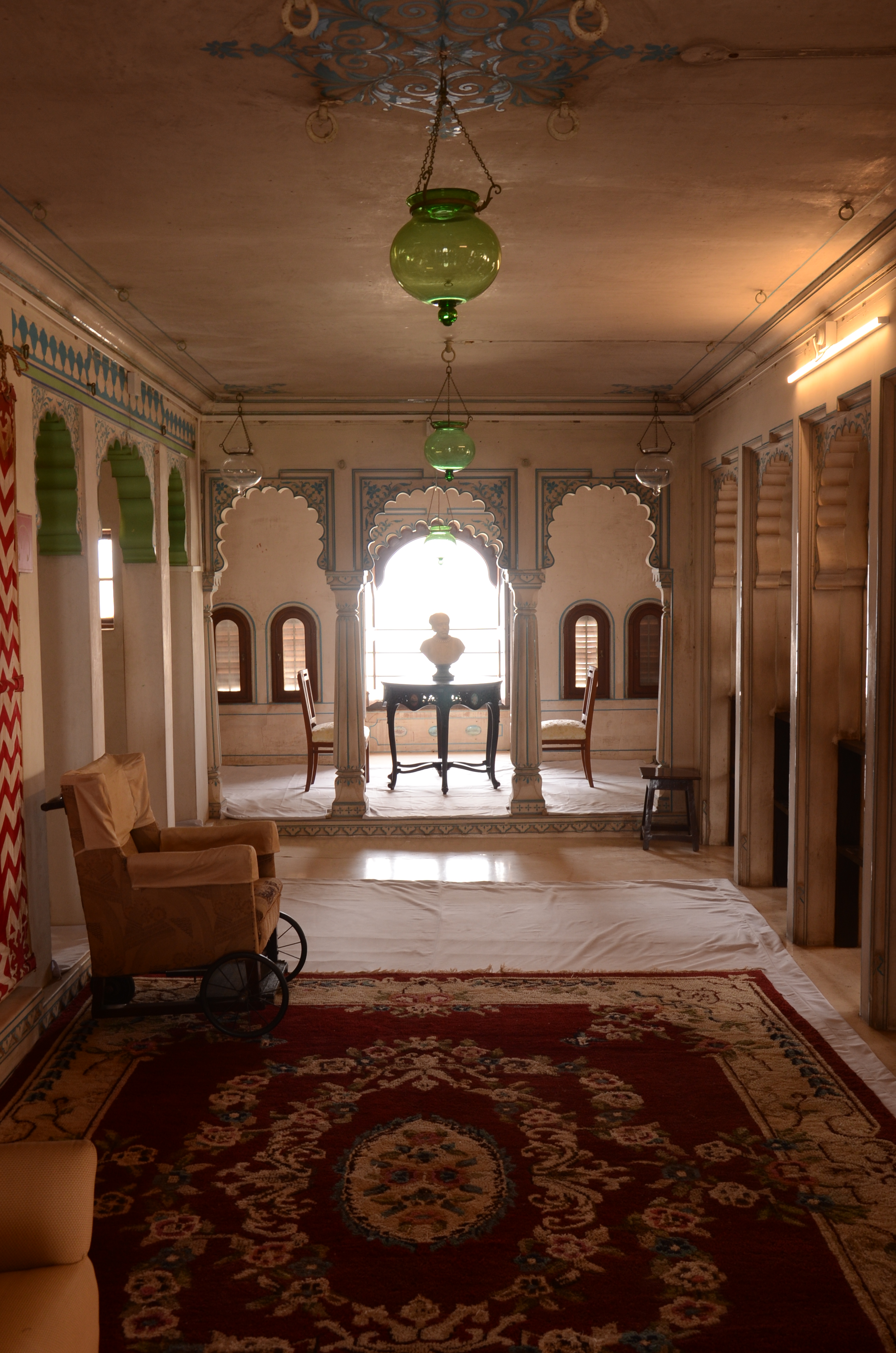
The Mewar dynasty, famous for keeping the Mogul rulers at bay, lived here until 1955. A few years later it was opened as a privately-run museum. 
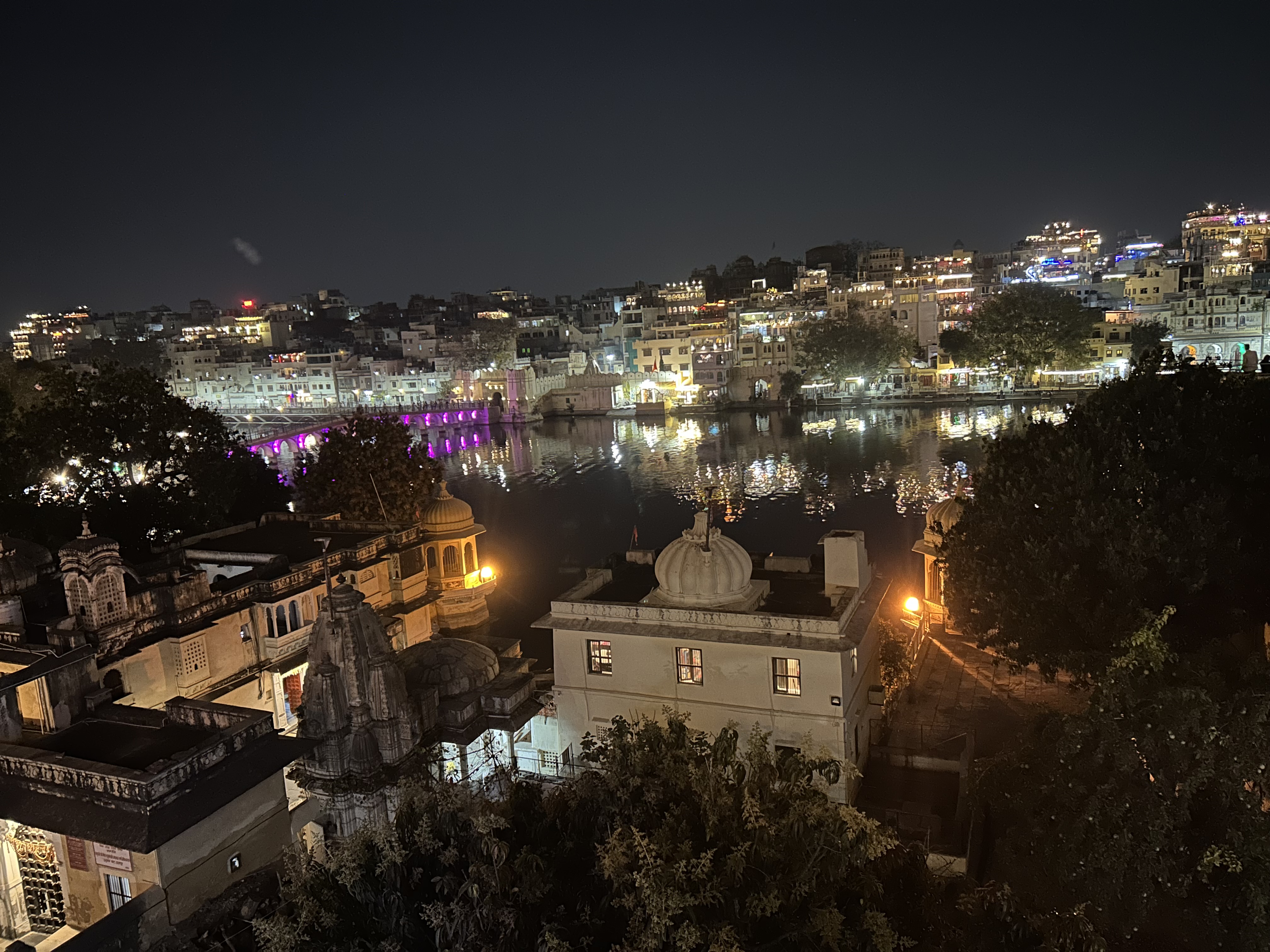
When the sun or the moon rises over the lake, it could be a scene from an Indian miniature (minus all the flashing colored lights that India loves).
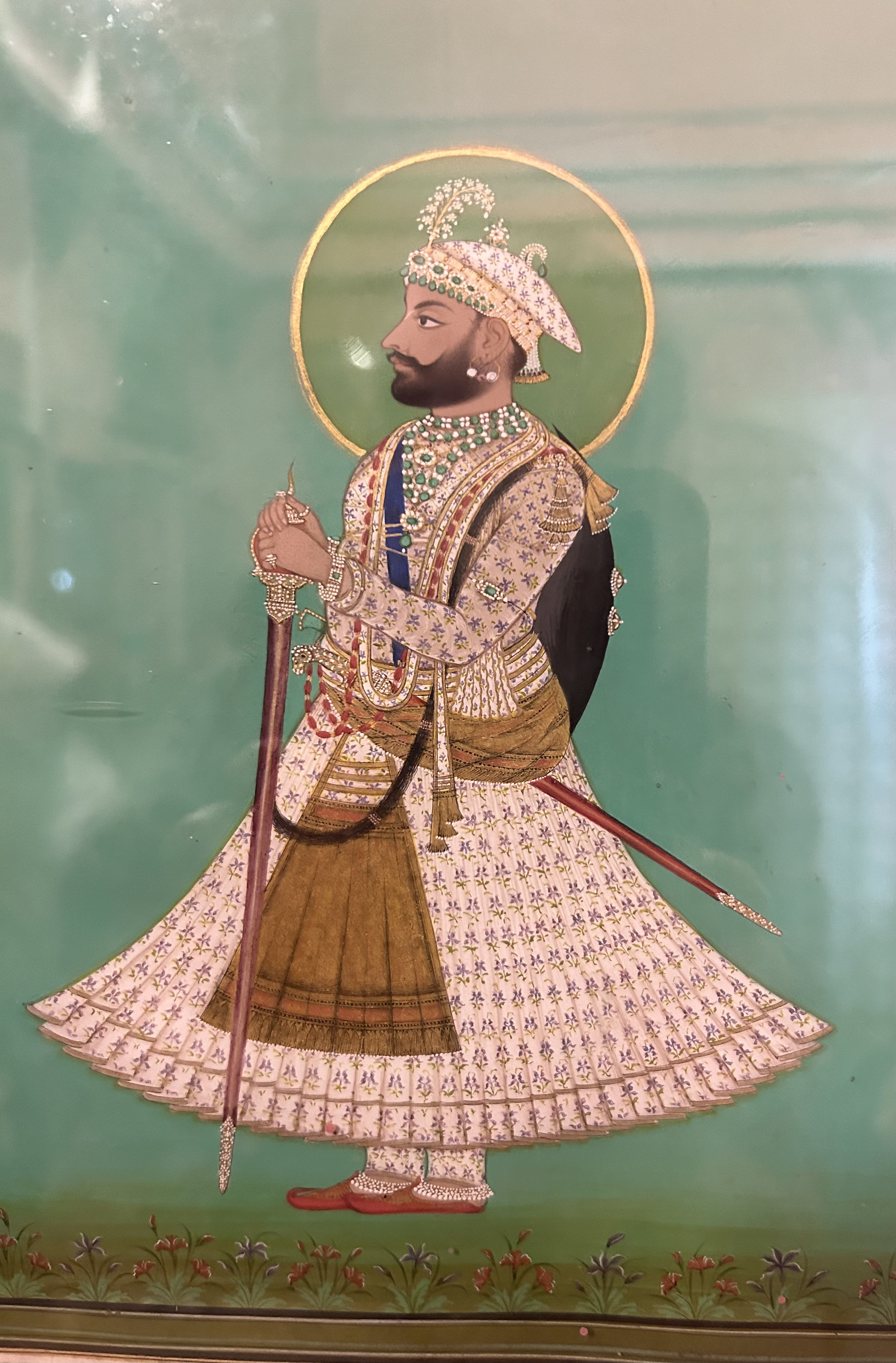
Within a temple complex we met a young man painting miniatures. He had first learned the skill from his uncle and then for eight years worked in a call center. But he was not satisfied and eventually returned to miniature painting. He earns very little and worries that it will be hard to support a family when married.  But for now he’s happy painting under the guidance of his teacher. 
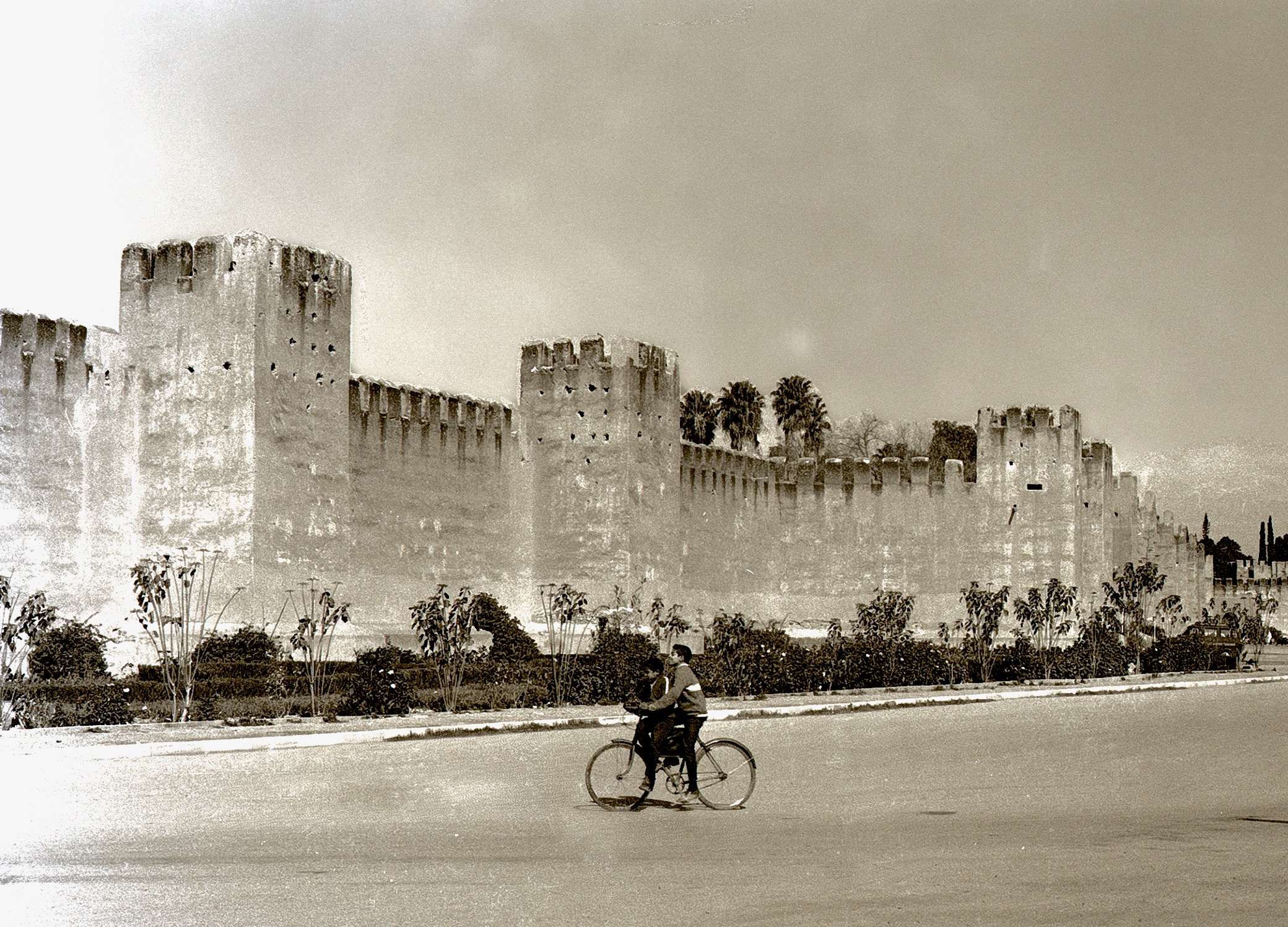
During the daytime, the horrendous traffic clogs the narrow lanes with rickshaws and motorcycles not sparing their horns. The shopkeepers don’t like the noise either, but what are their options? At lunch I told Gerard how fortunate we were to have traveled before everybody in the world had a motorbike. In 1972, we spent three months in a walled town in southern Morocco. The only road entered through a gate to a small square. From there, everything went in and out via donkey. We took the peace and quiet for granted.
Heat and Dust in Orchha

DSC_1126

Orchha, in Madhya Pradesh, is a good place to relax after spending more than three weeks in the city. This is our third visit here and we still find the small town with its country walks refreshing.

DSC_1061

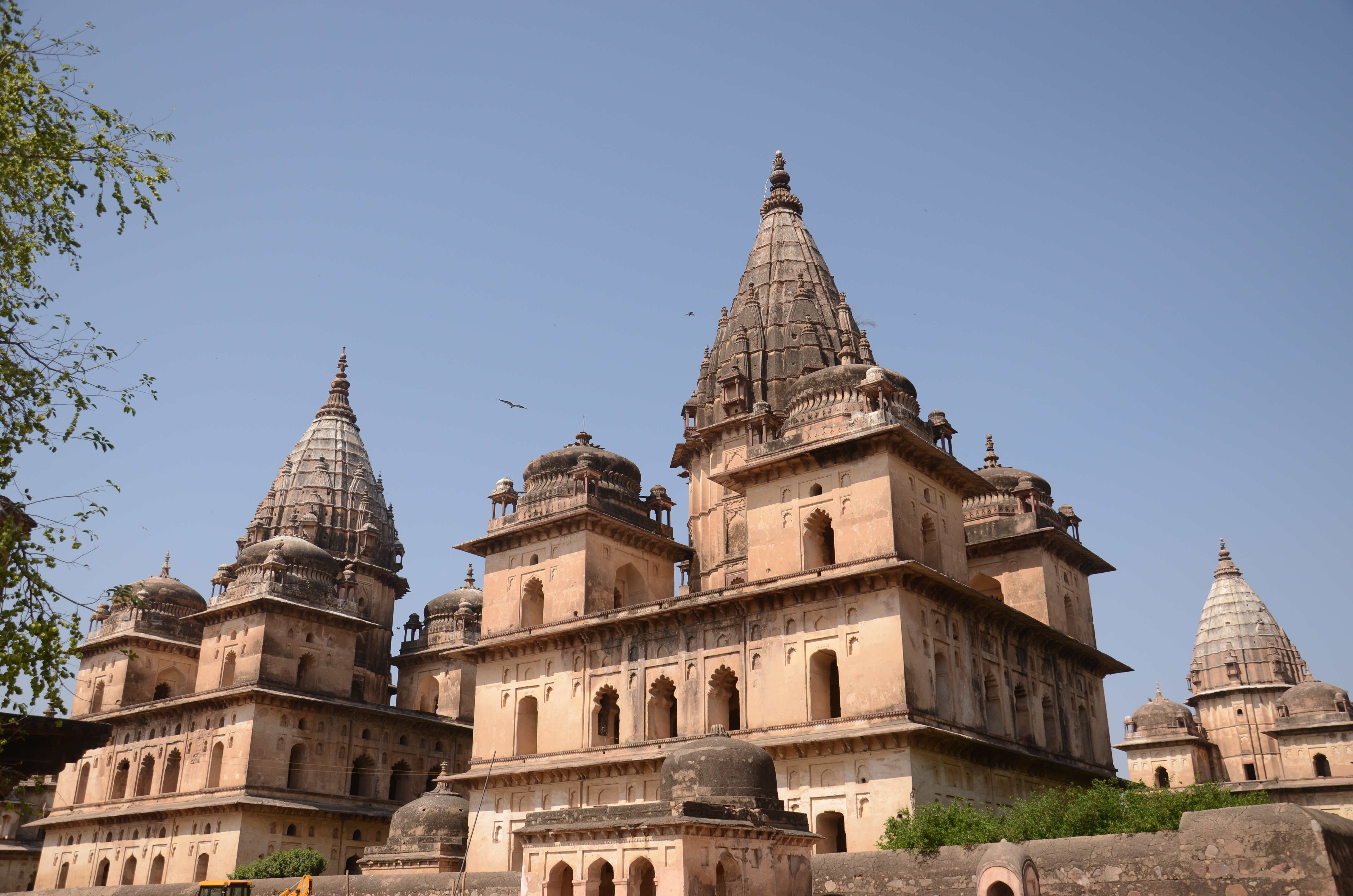
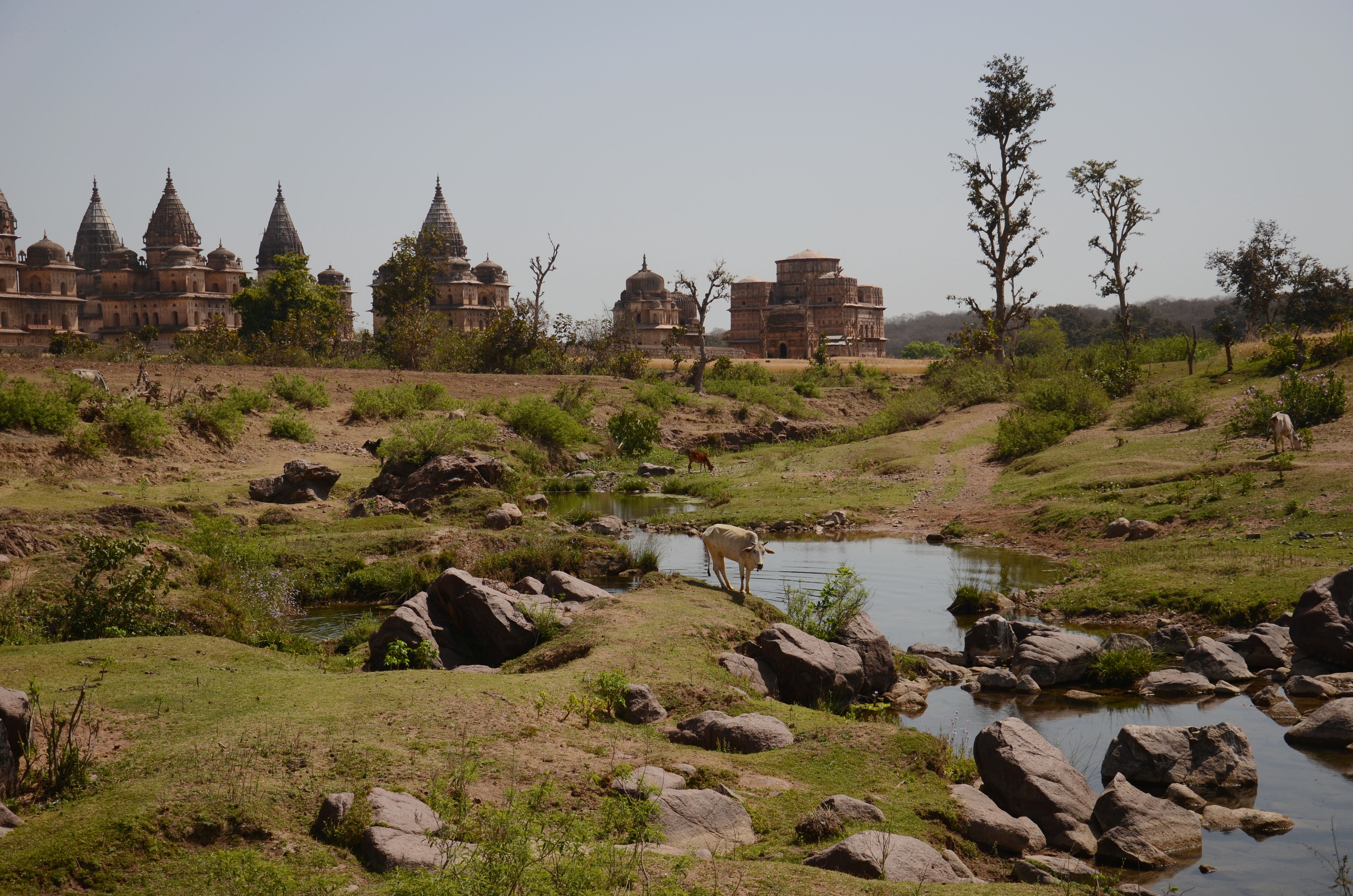
The surrounding area is littered with the vestiges of a Rajput kingdom that began in the 16th C, reaching its peak in the mid-1800s.

DSC_1059

The last Maharaja died in 1930, after which the kingdom went into decline.

DSC_1132

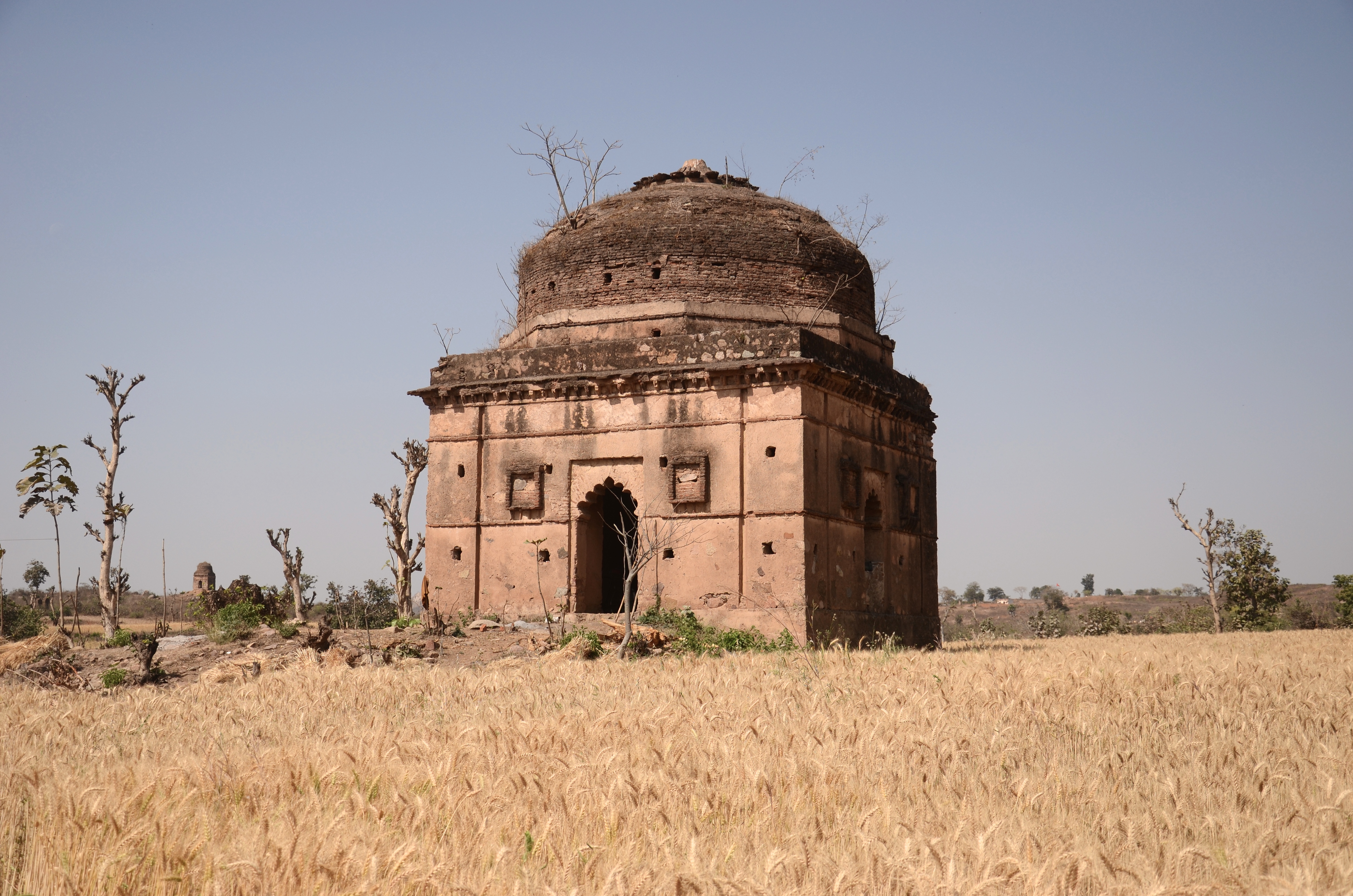
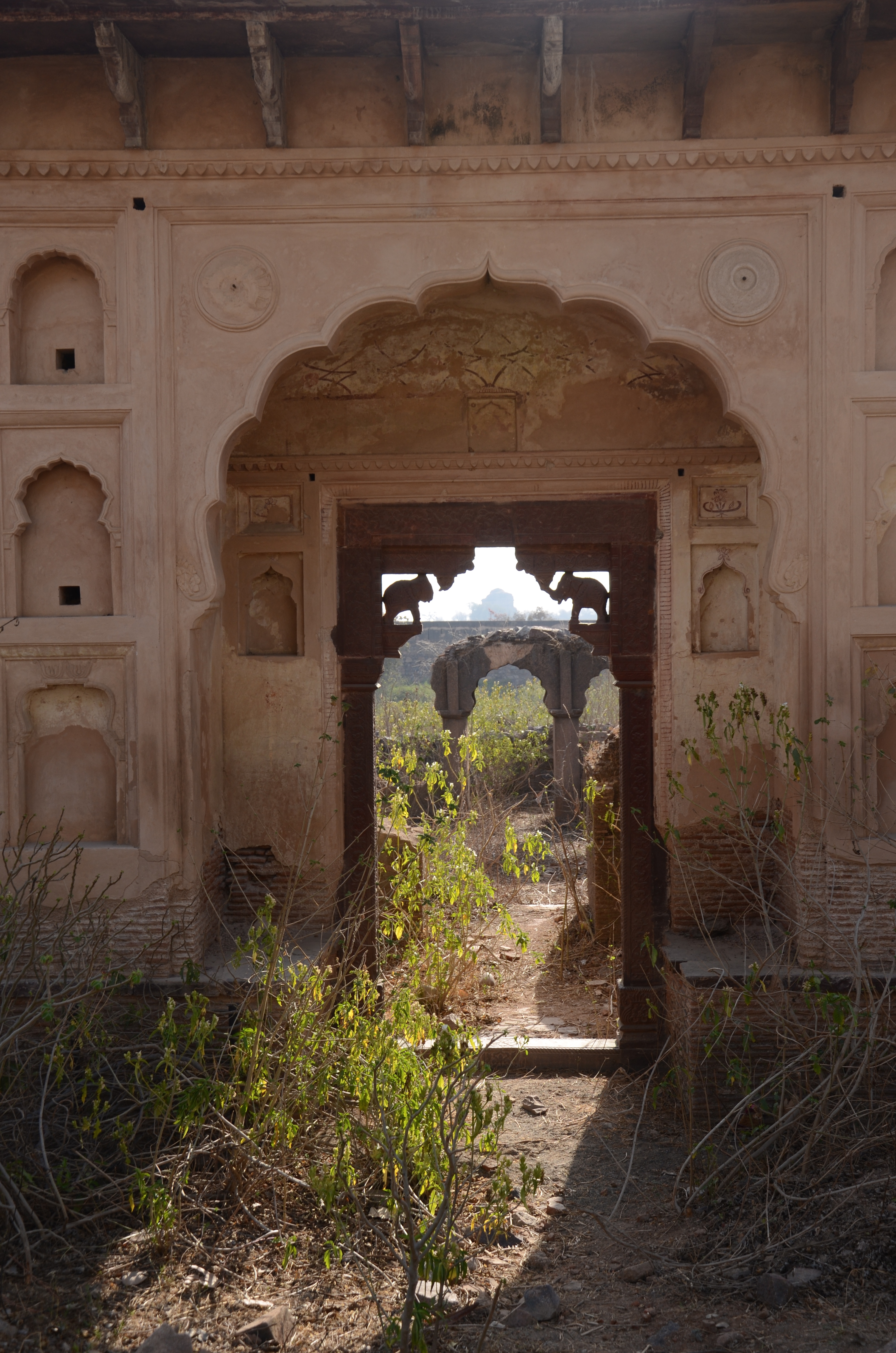
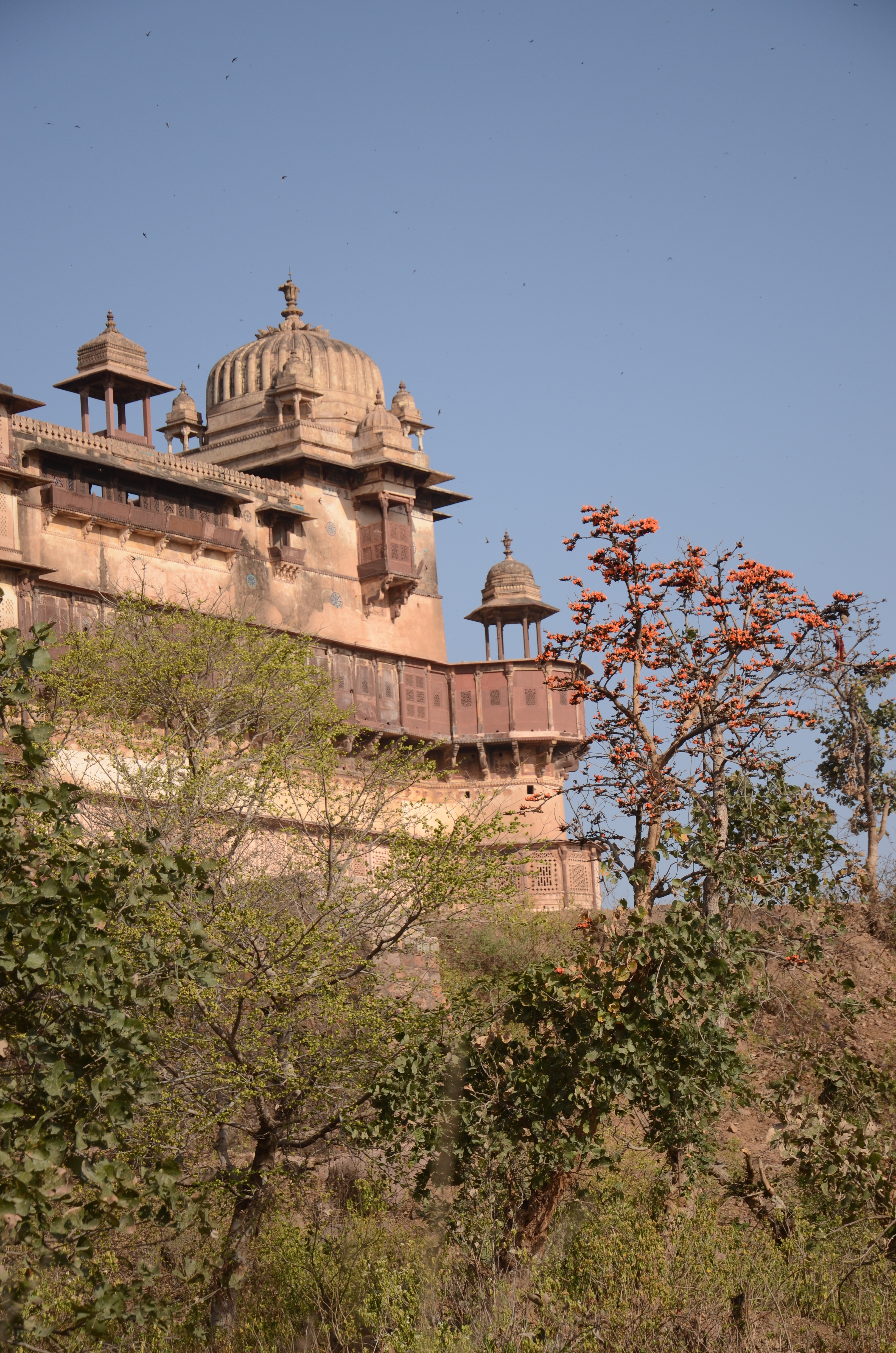
What is most attractive to us is not only the palace/fort in remarkably good condition or the two temples in town but also the crumbling remains scattered around the countryside of a once thriving kingdom.

DSC_1124

On this visit, we arrived late in the season, very few tourists and hot during the day — reaching 110F (43C) in the heat of the day. Consequently our strolls out into the country are done early.

DSC_1074

One morning we visited a meadow that we spent a lot of time in a few years ago. Even though the brook had diminished to a trickle, it was still a bucolic spot with goats and cattle wandering peacefully and dogs playing in and out of the stream.

DSC_1082

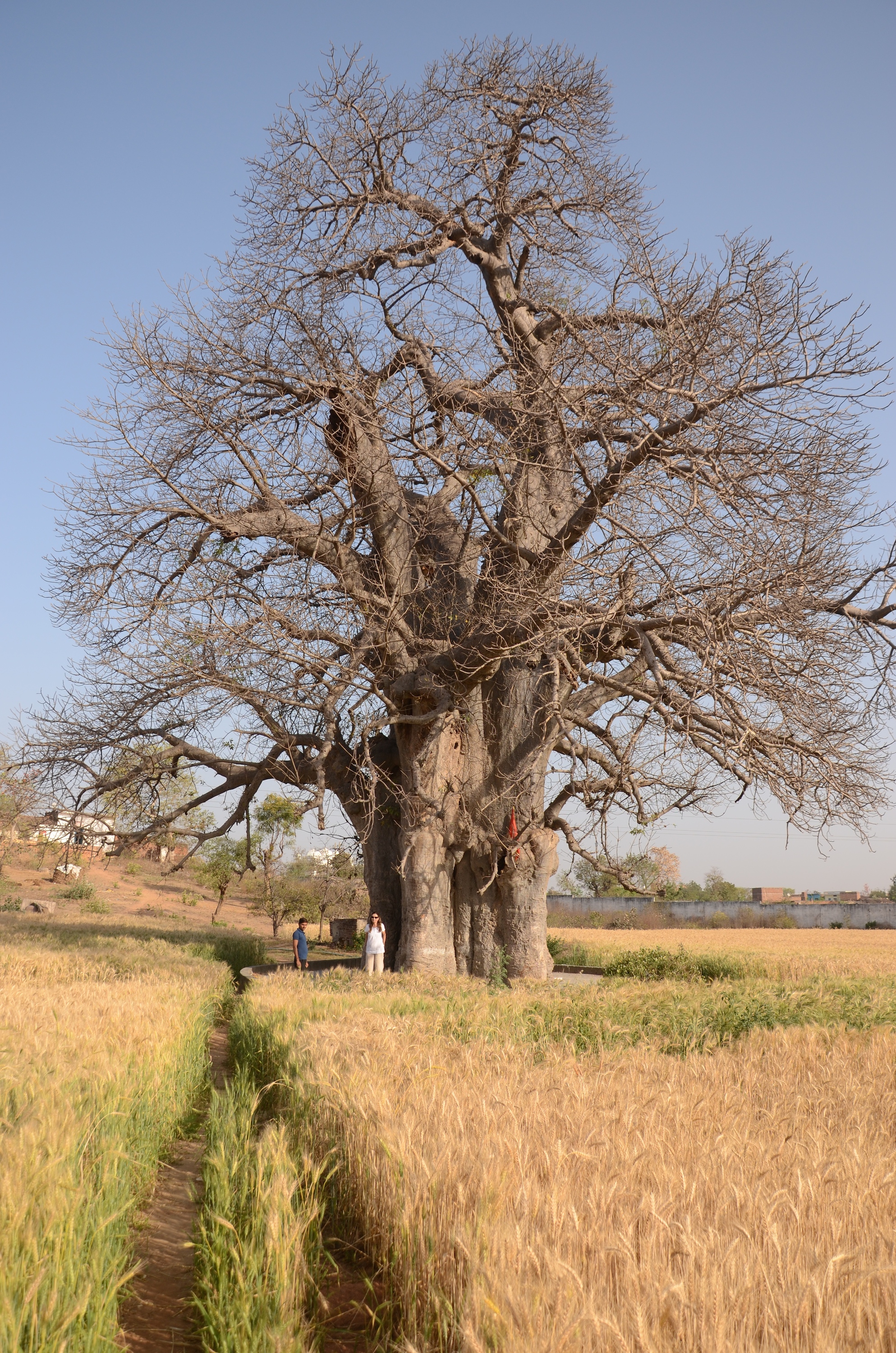
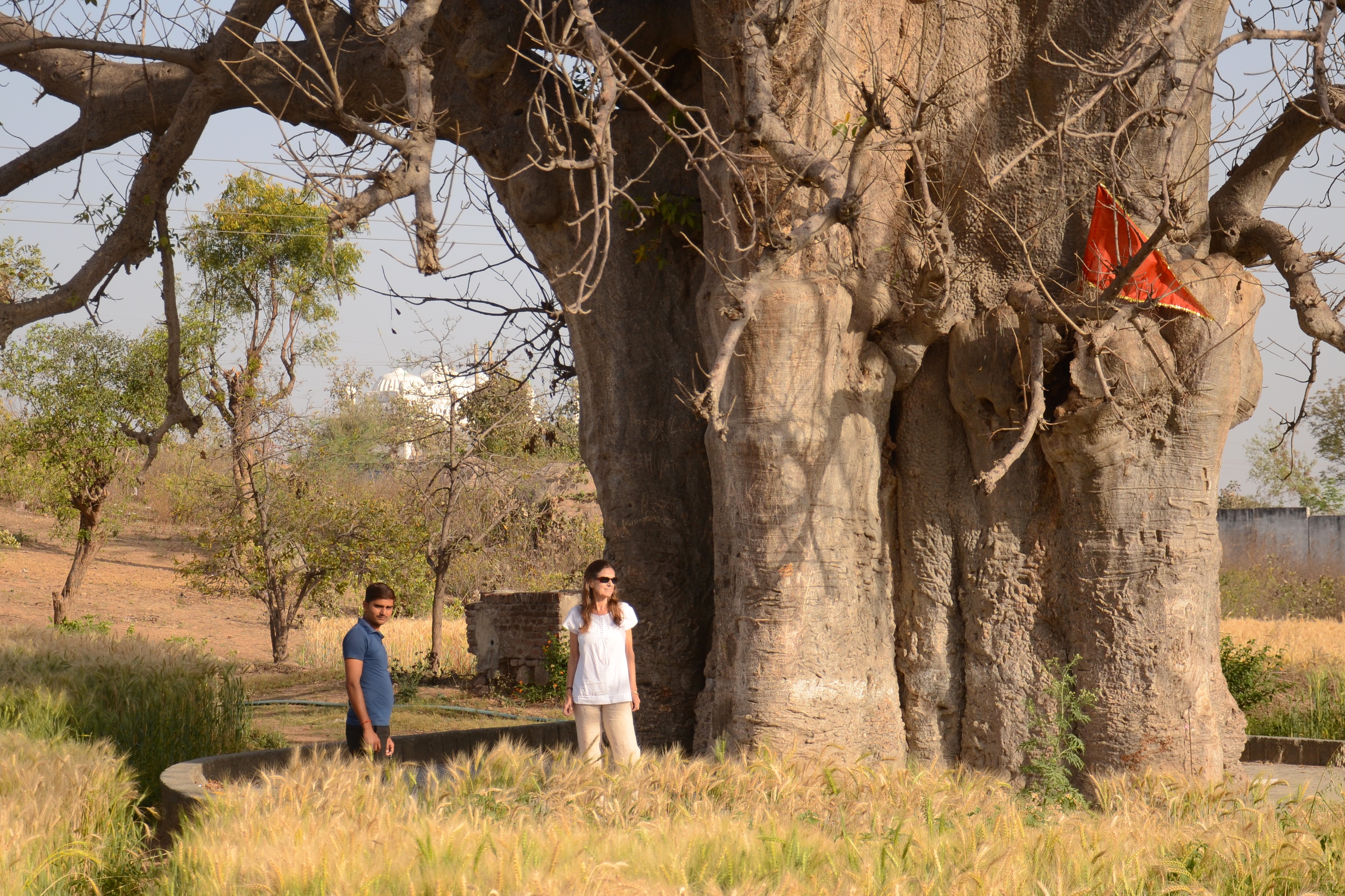
Another morning, when we mentioned to the guesthouse manager that we were going to walk up to see the huge baobab tree next to Laxmi Temple, he asked if we’d seen the other, one km away. A second one?? He said, “Come, I’ll take you on my motorbike.” And this one was even bigger. Pictures fail to convey their enormity.

DSC_1083

There is only a handful of these trees in India, supposedly brought from Africa beginning as far back as 5,000 years ago. They can live as long as 1,500 to 2,000 years. The ones we saw, there’s no way of knowing how old they are, but they are ancient.

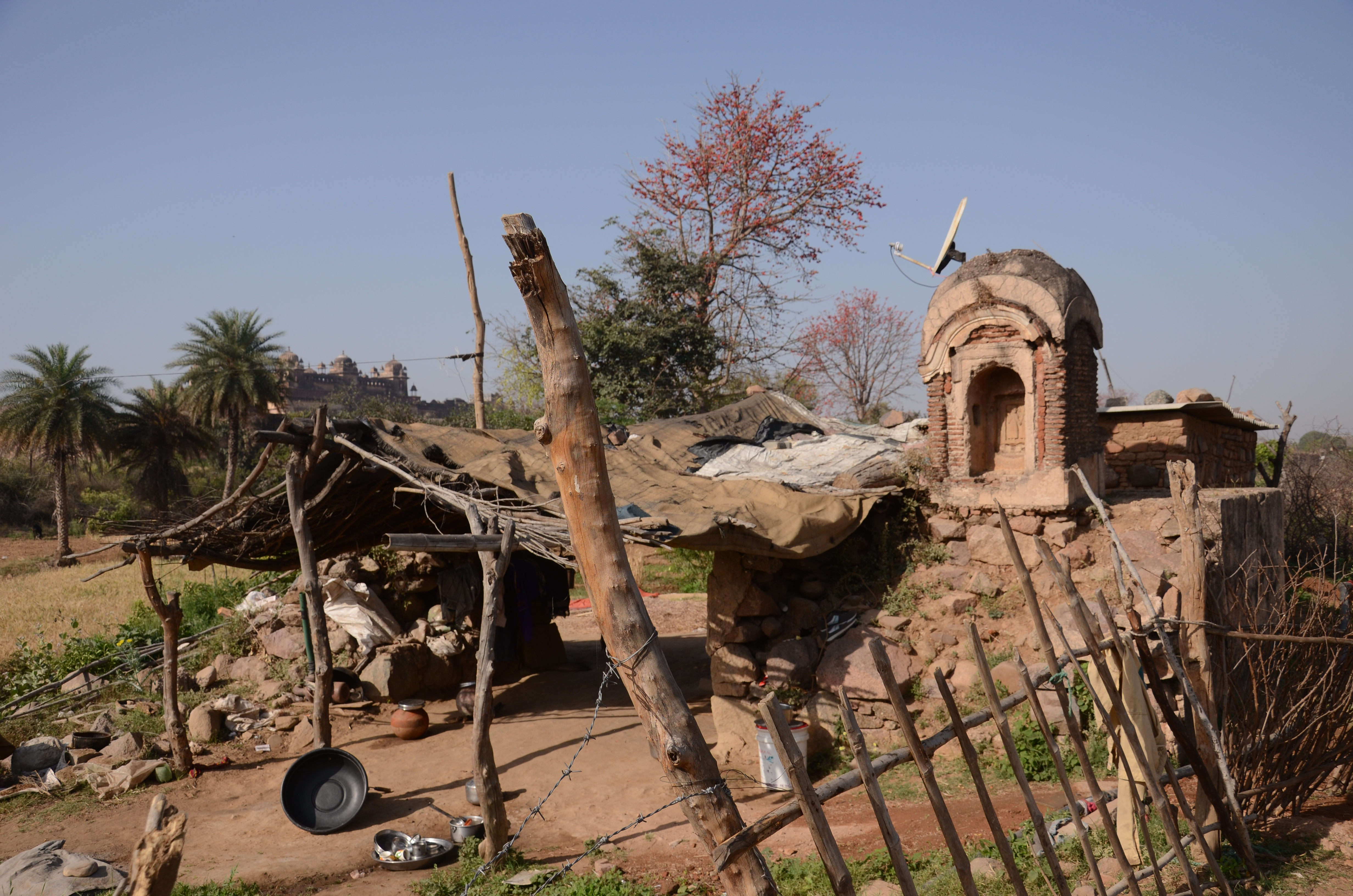
Our last morning here we walk out early around the back of the palace and down to the Betwa River. A stray dog attaches himself to us as our guide. Beside a small plot of wheat already half cut into golden sheaves, sits a simple hut, old cooking pots on the threshold, a satellite dish atop a broken monument, the ultimate in recycling.

DSC_1135

Aimlessly wandering into a gift shop we got into conversation with a father and son, transplants from Delhi. Like on many other occasions, we were cautiously quizzed on our feelings for Donald Trump. A lot of Indians are better informed about American politics than vice versa. Of course changes in the immigration policy is pertinent to them. And for us, it’s hard to know what to say other than we’re not looking forward to returning to the U.S. and facing the reality.

P1040005

We retreat back to the relative coolness of our room and listen to some cool Miles Davis from the 50s. Gerard is reading his autobiography, which he picked up at the used book stall in Mumbai. He hesitated all of this time because of the continuous swearing. Come to find out, he says, it’s the best thing yet he’s read about Miles.