After a few days rest with our Delhi family (following our hectic rest in Orchha) we set off for the mountains. With no other choice than semi-sleeper overnight bus, we had to get to the other side of Delhi. We knew the metro would be crowded at 5.30 pm but we had not fully grasped the situation. With suitcase and backpack we forced our way on to the metro that we thought was already at capacity. At every stop, more and more people pushed their way into the carriage. It was reminiscent of riding the commuter rail in Mumbai. But what was more unexpected was how jolly the people right next to us were as they engaged us in conversation. The hour-long journey passed quickly and before we knew it we were getting off, with just about everybody else, at Kashmiri Gate. One of our metro companions led us through the throng to the appropriate gate leading to the bus station.
Last year, we made the same journey and had to find our bus in an open space of probably one hundred buses parked with no signage. It was bedlam. This year, we found ourselves in a brand new bus station with digital signs and a helpful information booth. What a difference a year makes! The semi sleeper was quite new, functioning seats and a friendly ticket collector who promised to wake us at Mandi. (last year we almost slept through our stop).
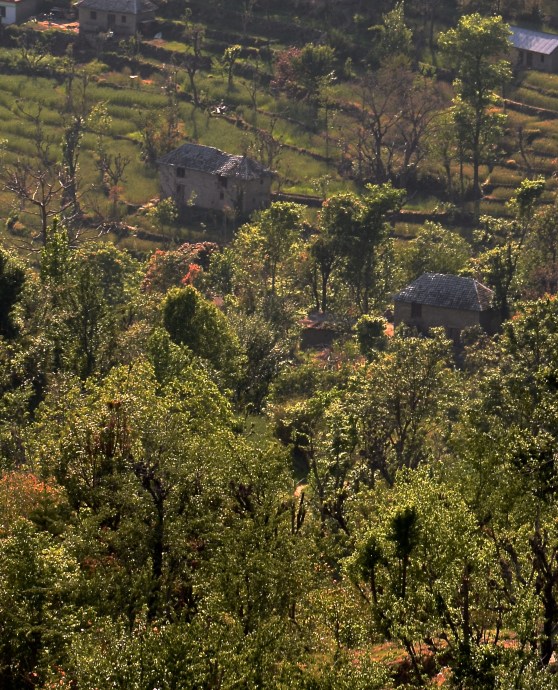
After managing a couple of hours sleep, we got down at Mandi just before daybreak. Fortunately, the local bus was just leaving. During the hour’s ride, climbing up the mountainside, we watched the sunrise over the snow-capped peaks. The town was still asleep. The little restaurant where we had eaten breakfast on our previous visits was just opening up.

Sapna greets us, “Come. Sit. Take chai.” Sliding into our familiar bench across the entryway from where she is cooking parathas, we try to converse. Why didn’t I work harder at my Hindi? But she’s speaking more English this year. “Yes,” she agrees, “I learn it from my daughter.”
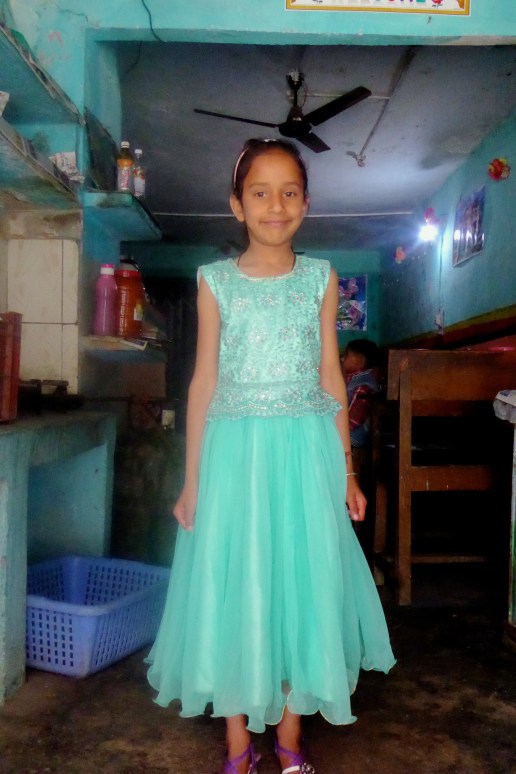
Priya is wearing a new dress to celebrate the first day of Navrati (Hindi New Year) and poses for us. The puffy pastel-colored fantasy of net reminds me of party dresses when I was her age. Sapna feeds us gobi paratha… then refuses payment. “First time, no pay.”
I was disappointed that the spacious room above the Buddhist monastery we rented last year was not available. Remembering the gangs of barking dogs by night and attacking monkeys by day, Gerard was confident we could do better. Last year, Vijay at the other restaurant we frequent, had mentioned he would be offering rooms for rent. He’s just finished the six-room building high up the hill at the other end of town. A steep climb — the narrow pathway and steps (52 Gerard counts) wind around the dwellings below. The rooms are small, but have large picture windows looking out over the town and valley below.
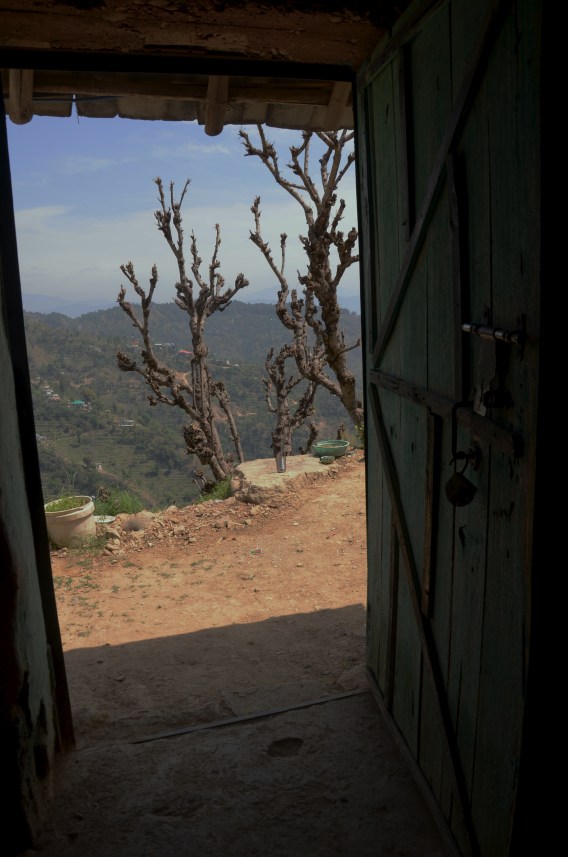
On our second day, we walked out through the terraced fields. Everything seemed so lush. Other than Goa, everywhere we visit in India is dry and dusty; but not here.
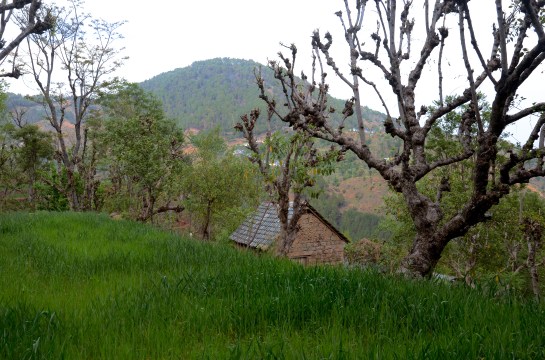
As we approached the little hamlet, we wondered if anybody would remember us from last year. Urmila greeted us with a huge smile. I don’t think too many white people get out here. Last year we had the advantage of a young Punjabi in tow who provided the translation. This year it’s back to one or two words and sign language, but I don’t think it mattered.
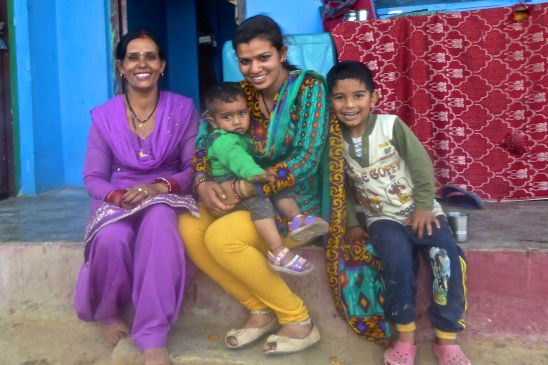
Everybody was happy to see each other. Of course, tea was served, and shortly after we went around to visit another family we had met previously. Mira recognized us but was supervising work on her house so it was a brief visit. We promised to come back in a few days.
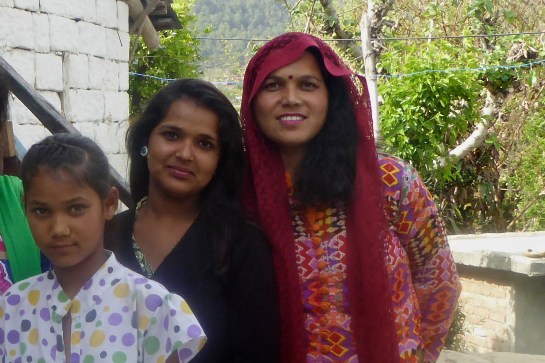
Gerard had last year’s pictures on a hard drive and selecting a few, brought them to a studio to print. With photos and biscuits in hand we hiked back out to the village. Stopping at Mira’s house first, her sister and children were visiting.
The eldest daughter spoke enough English. The biscuits were a definite success; the pictures were a mixed bag. For whatever reason, it was never clear to us, everyone was in their Sunday finest…gold bangles, black kajal-outlined eyes, braided hair and all.
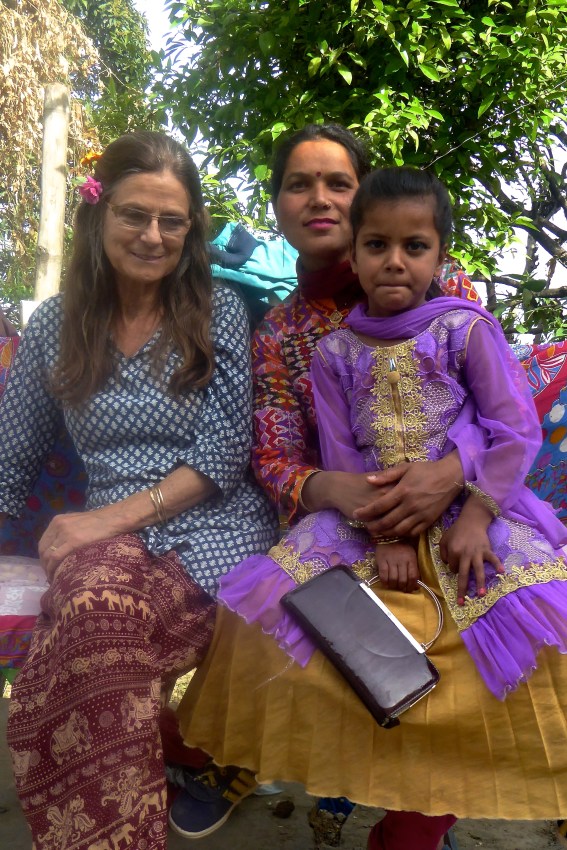
There was lots of picture taking; they were as enthusiastic as us in capturing the moment. And there was entertainment – the young girls dancing, with a combination of both classical Indian postures and Bollywood moves, to the latest popular tunes on their mobile.
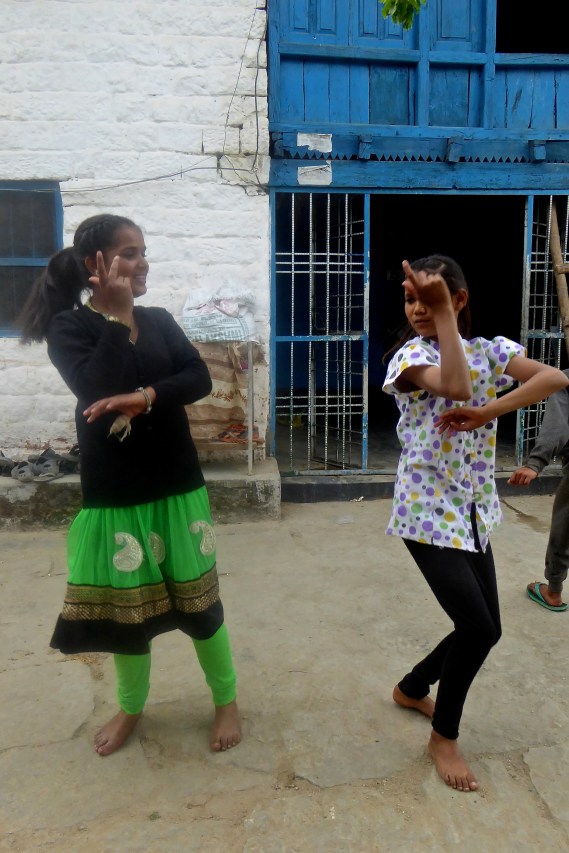
Eventually, we bid our farewell and promised to bring back more prints. Mira’s husband is nowhere in sight; working in Saudi Arabia for the second year straight, she says.
After breakfast we walk around a small lake, sacred to the Hindus and Buddhists alike, stopping at a chai shop on the way. An elderly man with cheekbones jutting out from his angular face serves the best chai in town, delicately cardamom flavored.
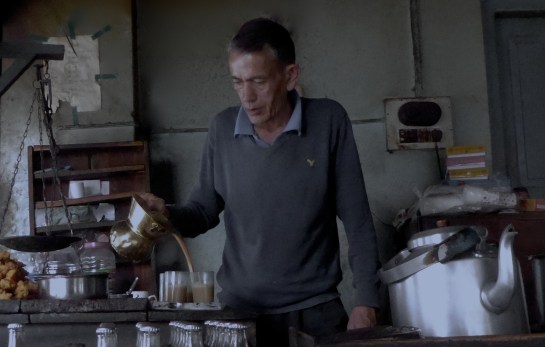
Like a juggler, he pours milk and water from a height into the saucepan and then the finished tea into a brass pot, and finally our drinking glasses. His rotund wife fries pakora to accompany the tea, while his brother, equally angular in features, picks up and washes the dirty glasses.
After having a conversation with a 78-year-old doctor, who refuses to fully retire because he feels he’ll lose his identity, it sparked a conversation between us whether our identity changes when we travel. Traveling in India for four months, we’re neither part of the community or country we’re visiting nor are we part of our homeland by virtue of not being there. This doesn’t bother us, in fact it’s one of the many reasons we like traveling. There’s a freedom in not belonging. Of course, it’s not as though we’re without identity (being from the west, white and everything the Indians perceive that to mean)– but it’s all pretty superficial. Staying in a foreign culture for any length of time helps to remind us that we’re all members of the human race – living in one great mansion, each with their own room but still part of the One.
After a continuous spell of sunny days and warm temperatures, our last two days were rainy and cool. But the upside was the thunderstorms that would roll down the Kullu Valley. Being from the lowlands, we loved to hear the thunder echo across the valley below. At night it was nature’s light show. We spent the days skipping between showers from restaurant to café to guesthouse.


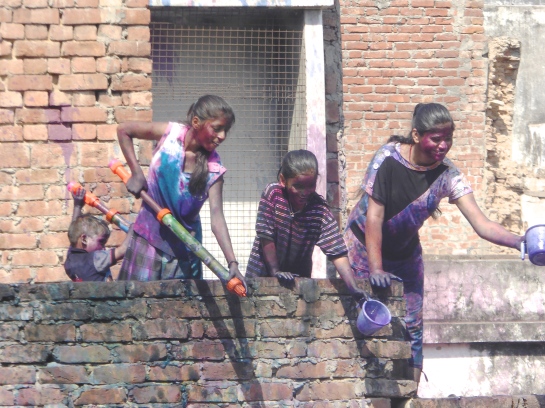


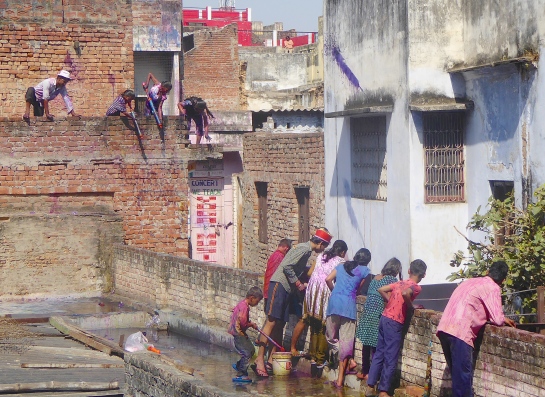




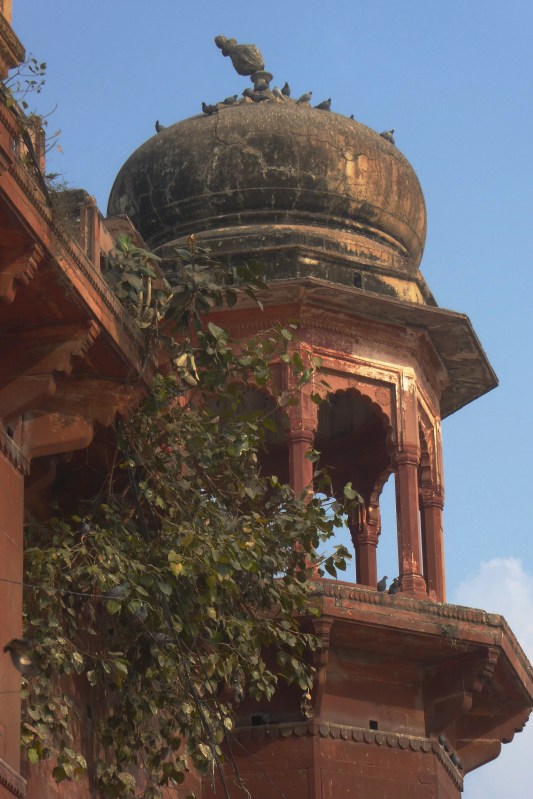
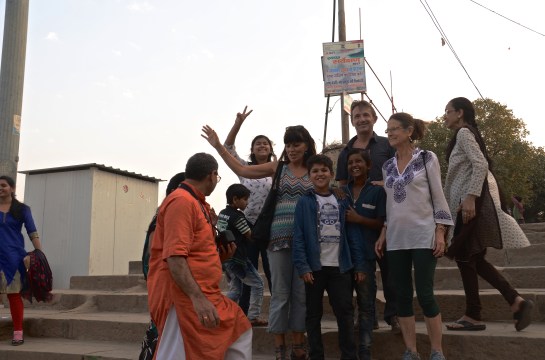
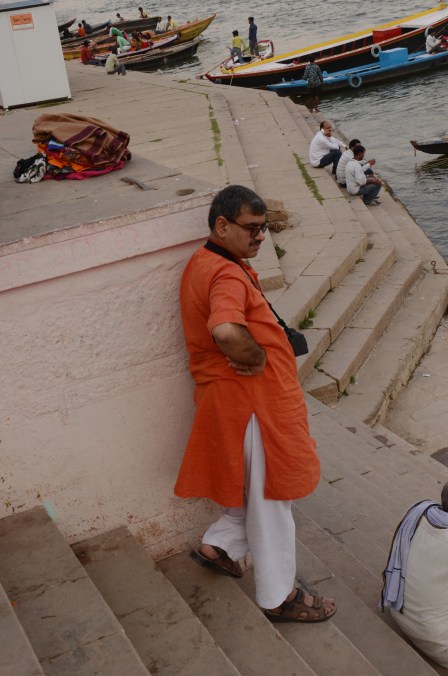
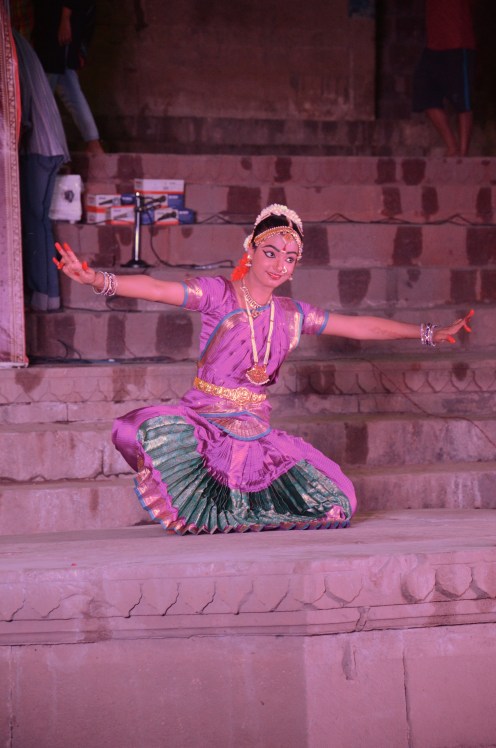
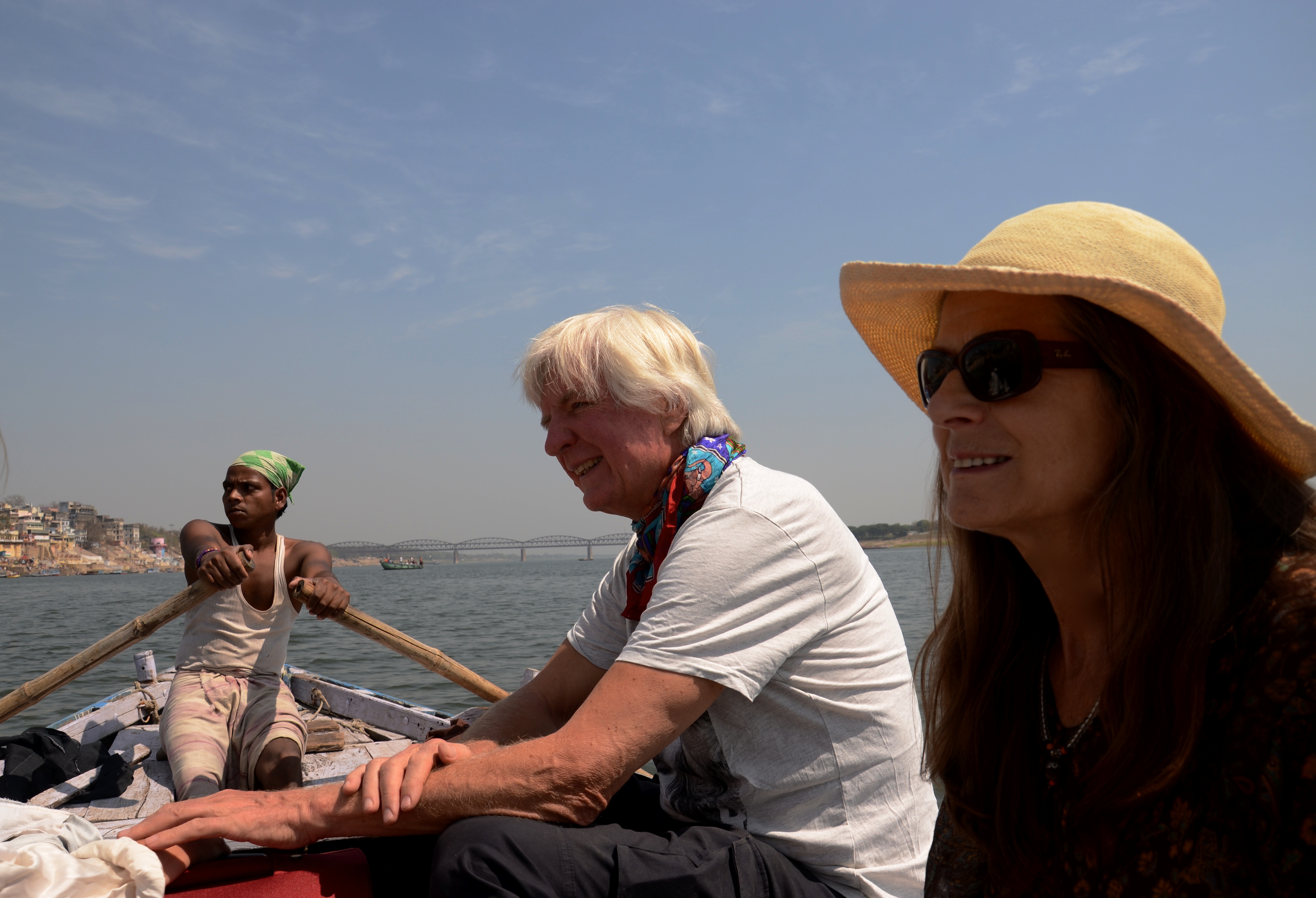
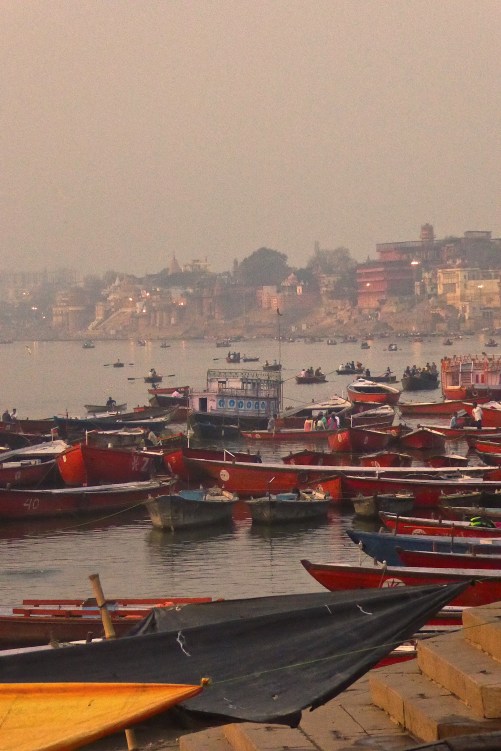

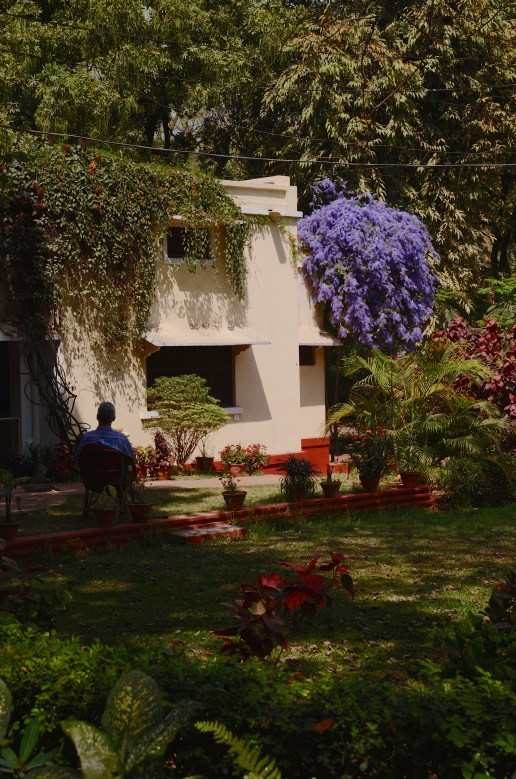
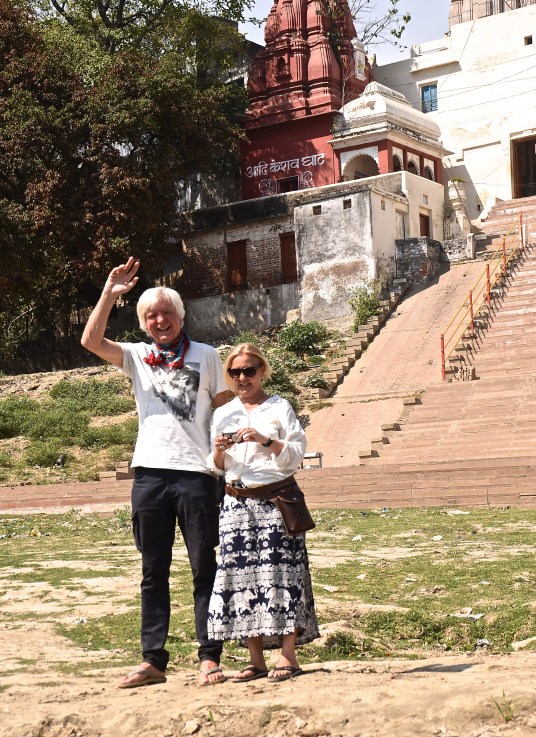
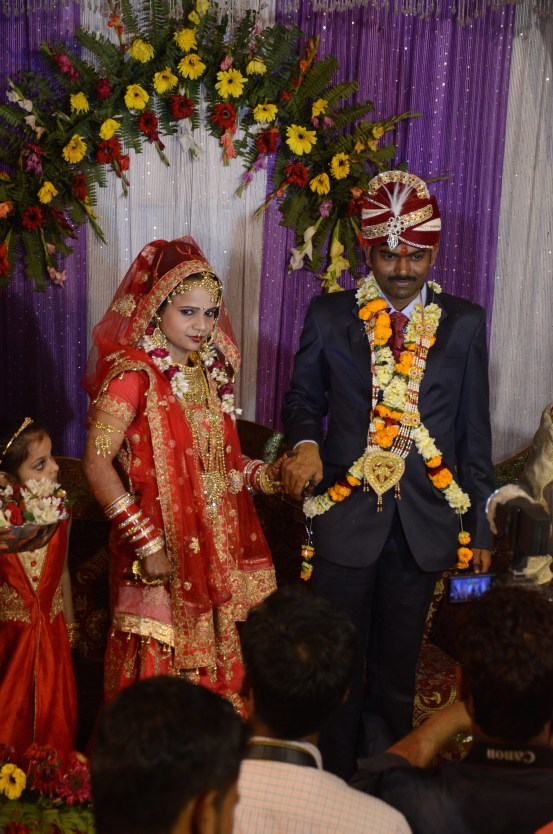
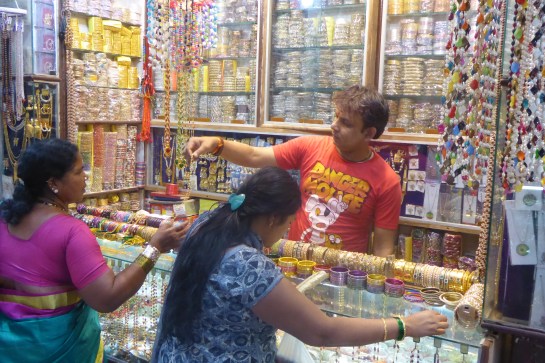 When we voiced concern about not having the appropriate attire, he said, “We don’t judge people by what they wear but what’s in their heart and you will be most welcome.” Moments later, Rajesh’s father in law appeared and after only a glance, handed us an invitation to the wedding. He also put to rest our concerns about dress. When Gerard asked him how he knew us, he said, “Our whole family knows you. Rajesh has mentioned you through the years and we’ve seen pictures of you on FB.” Rajesh added, “And we all read the blog!”


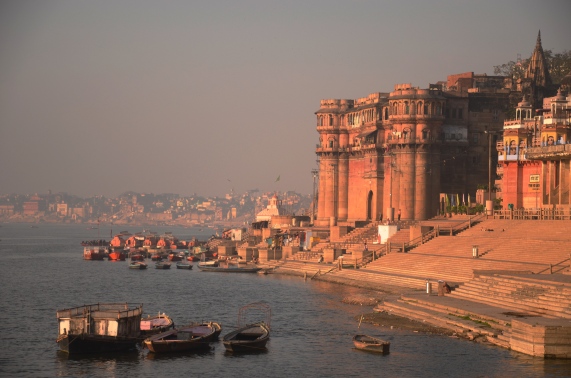
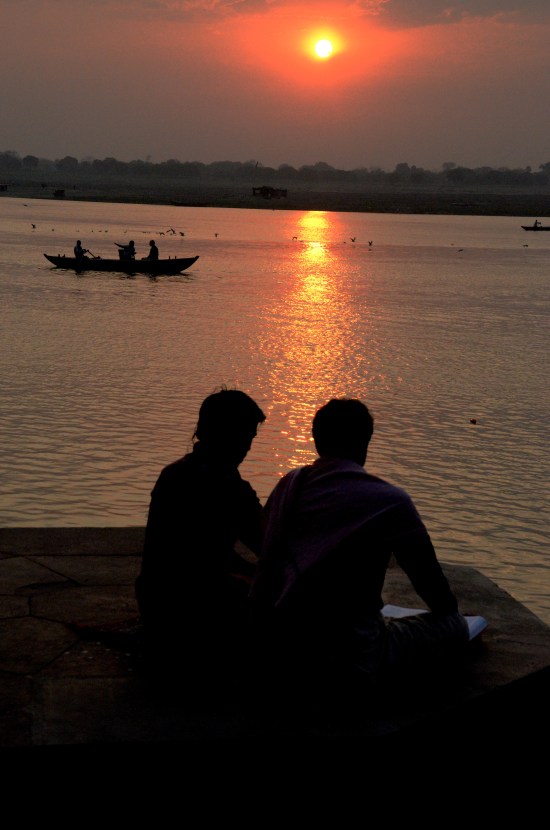
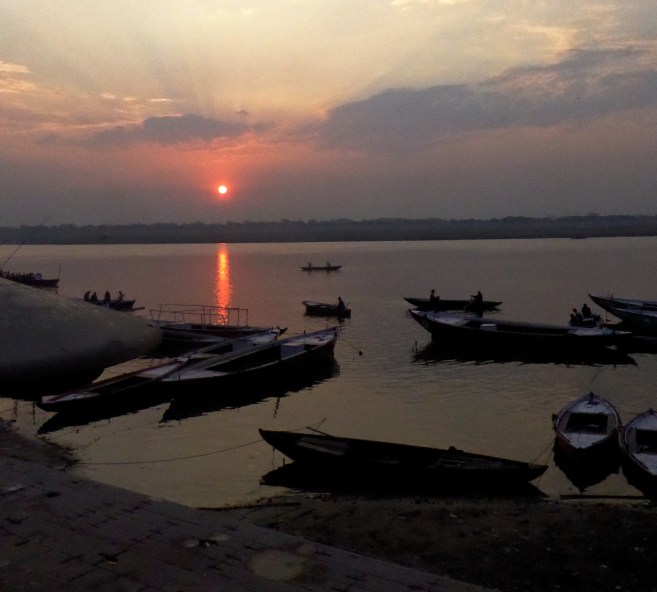
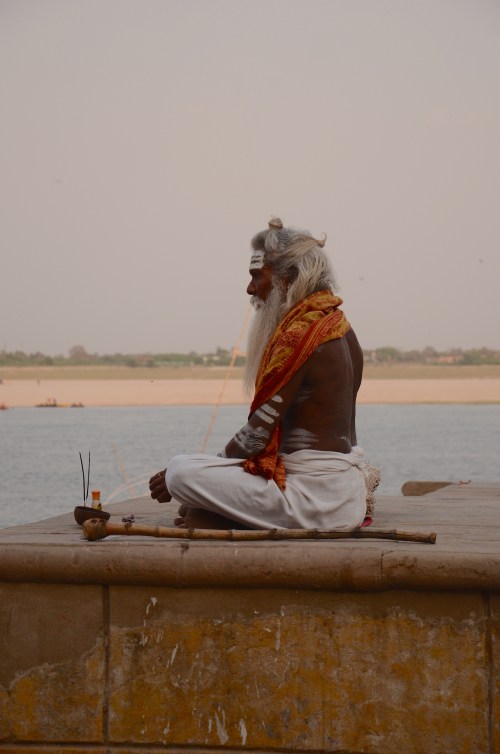
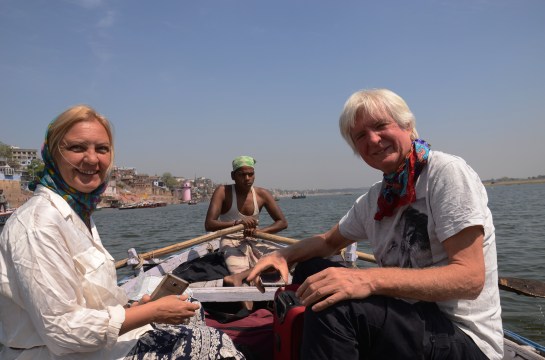
 If Agonda no longer feels like home, Varanasi has yet to let us down. We always stay at Shiva Kashi, but the manager, Sanju, told us some time in advance that for the first week we’d have to find an alternative. Disappointed, we booked nearby, but without enthusiasm. Arriving in Varanasi, as we walked down the alley beside Shiva Kashi, Sanju appeared and greeted us. “Where are you going?” Saying the name of the hotel, he replied, “It’s no good. Come, let me see.” We followed him back to Shiva Kashi and he consulted his book and decided he could give us a room after all. When we said how pleased we were we could stay, we were not looking forward to going to another guesthouse, he replied “I never go out of Shiva Kashi during the day. God made me go out! It must have been his will.”


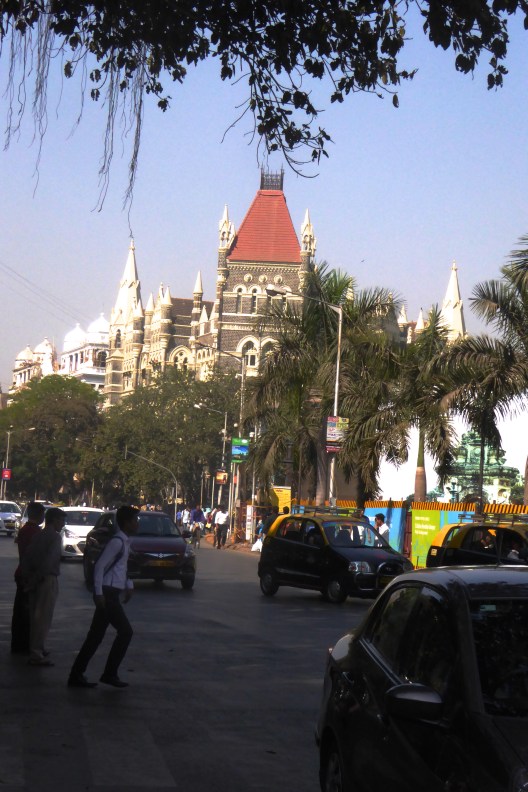
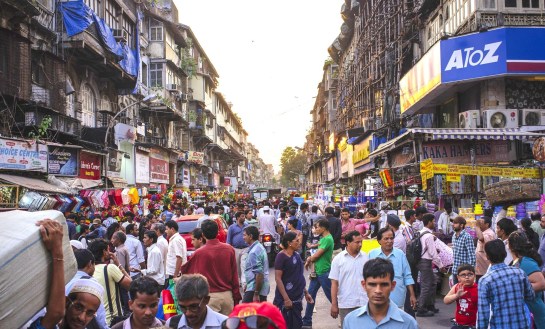
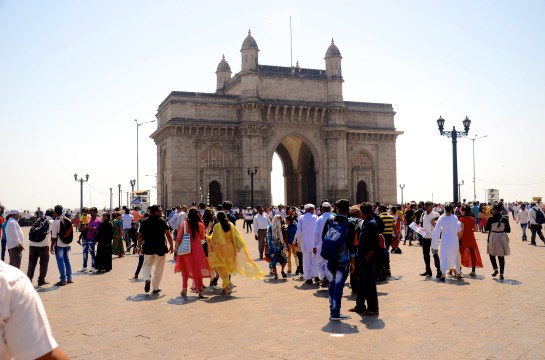
 The price we were paying would have been for a luxury hotel in most of the usual places we stay.The boy led us to our room surreptitiously spraying air freshener as he entered. We were very tired and after Gerard had made a cursory round of the room with his rag and bottle of disinfectant we fell into bed. We woke in the morning to the distinct smell of Mumbai. Now where’s the boy with the air freshener? David Gregory Roberts begins Shantaram trying to describe the smell– his first impression of Bombay. Suffice it to say it’s not a pleasant one.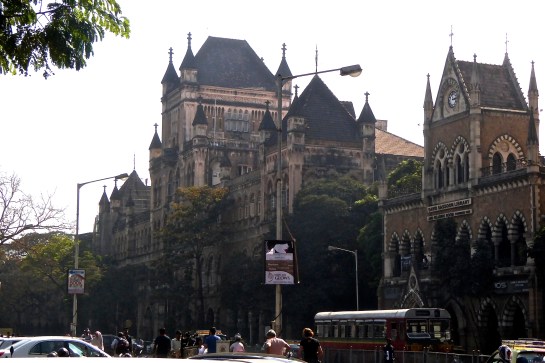

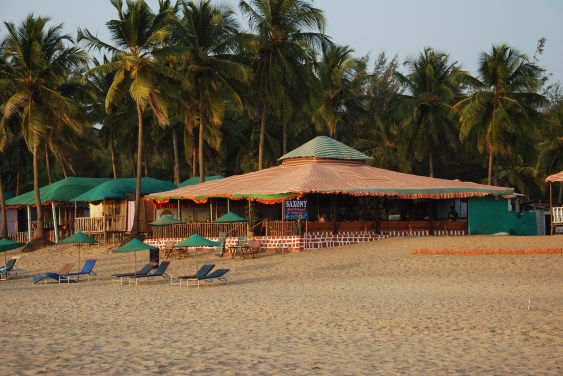
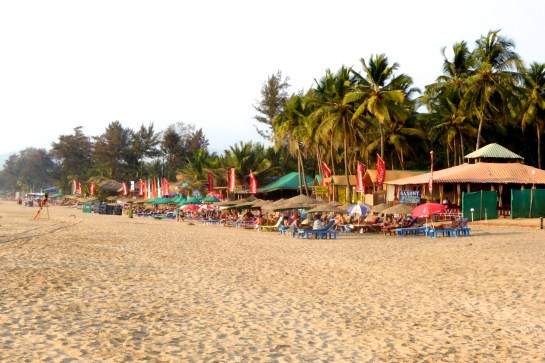 Our guesthouse owners, Rita and Dominic, were very pleased to see us, hugs and kisses all around. Tatiana, our friend from Russia, was the only familiar guest. Then we asked how much for our usual room. They quoted a 25% increase. Gerard grabbed his heart and said, “Rita, what are you trying to do to us?” Of course, their response was, “Oh, we can get so much more. And you’re only staying two weeks.” “Rita, please what can you do for us?” “Ok…Ok…” and she dropped the increase down to 12%.” Now, after being here for a week and learning about the exorbitant prices of the glorified beach huts, we realize that maybe the price is not so bad after all.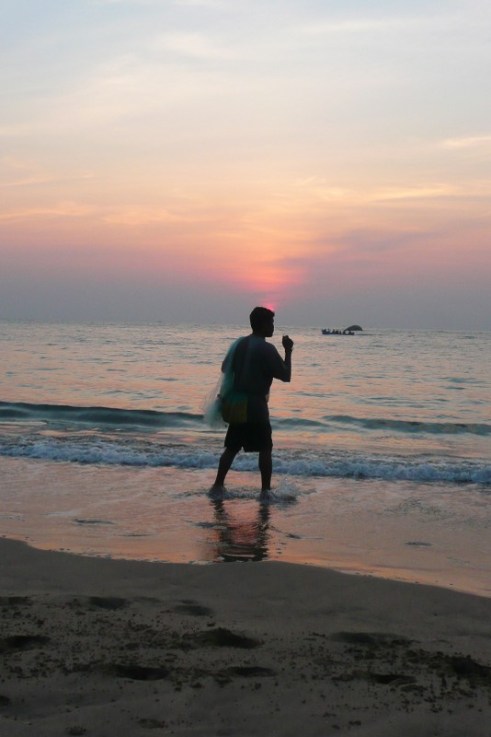
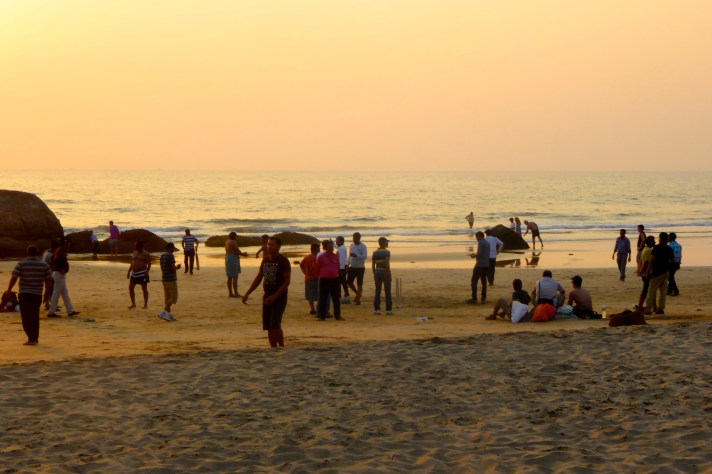

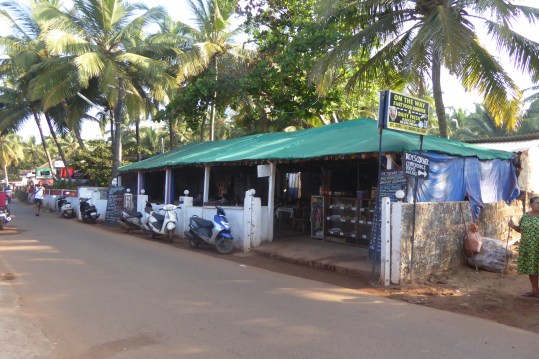


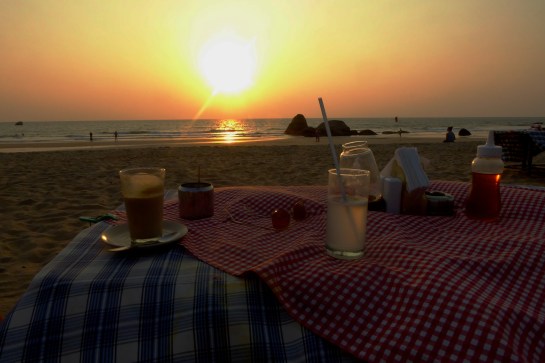

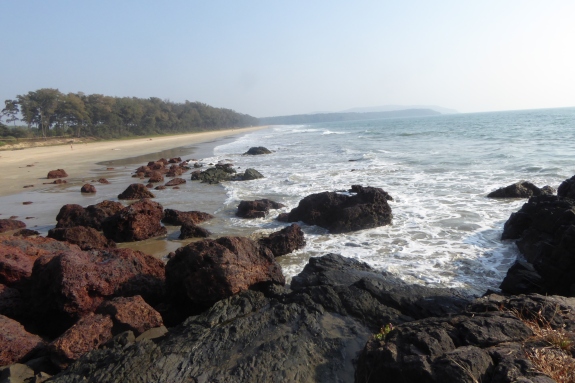
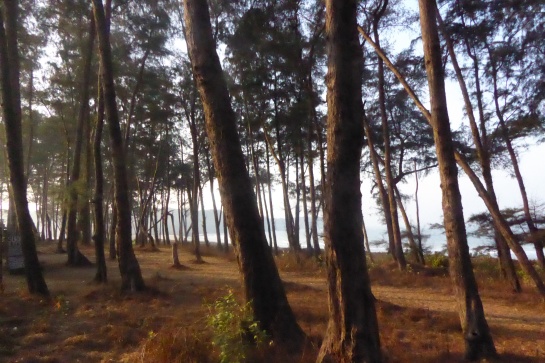
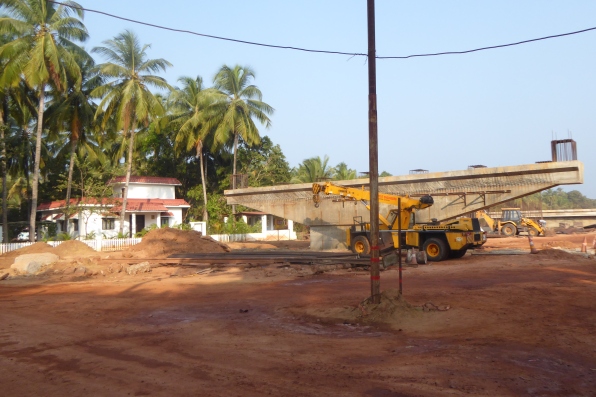
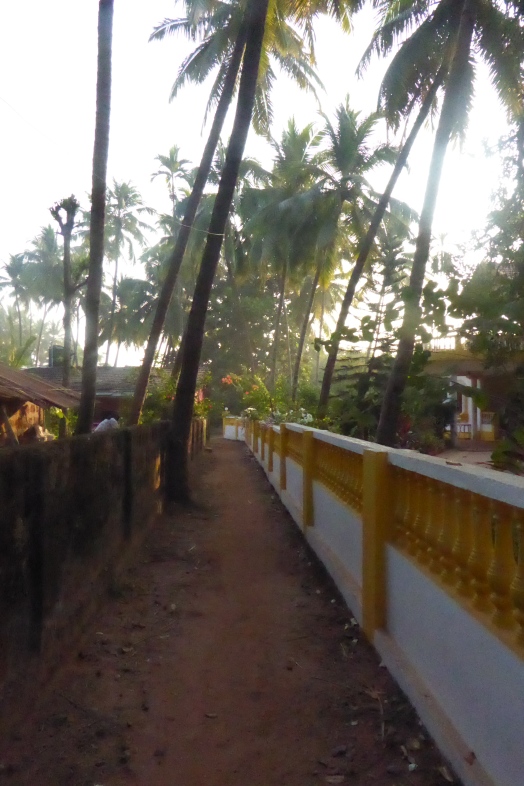
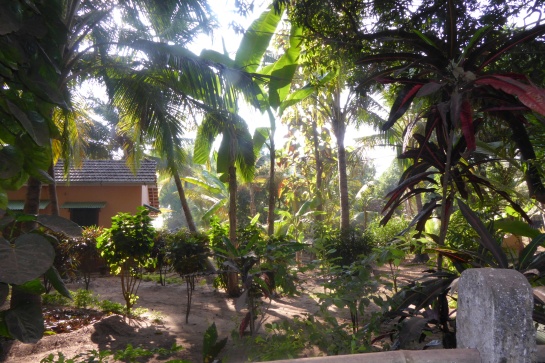
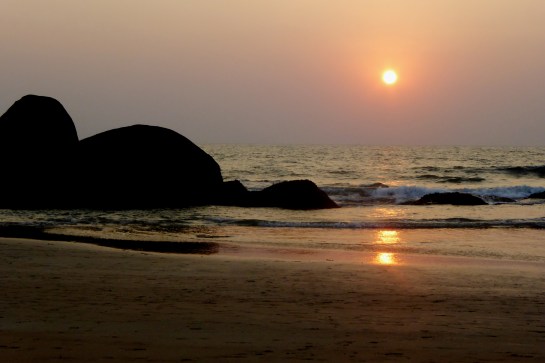
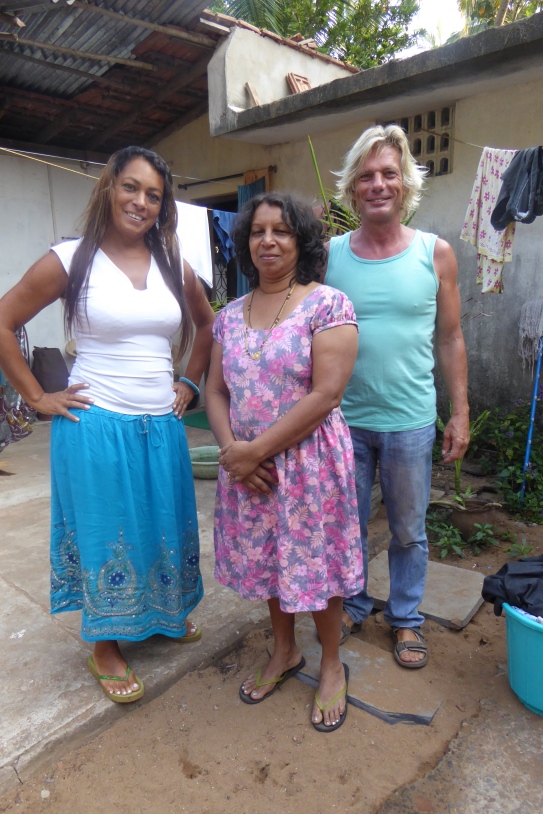 Even in Guljibagha we make friends – a Swiss man, Urick, with his Brazilian girlfriend, Joana, who have been staying here for several months. (pictured above with our landlady). Urick is suffering from over-exposure to microwaves. i.e. cellphones, WiFi, computer screens etc. He was in hi-tech for many years until he realized the cause of his ailments. Guljibagha is perfect for him because there’s no wireless service at all. The last afternoon, Johanna took me for a walk through the north side of the village. Down a long sandy path beside the beach, over hung with palm trees, flowering bushes and scrub, we walked past a row of simple houses and huts. Sleepy activity in the afternoon sun. Finally, we emerged at the far end of the beach. Joana insisted I clamber over the rocks to view a neighboring beach, another long virtually empty stretch of sand and blue water.


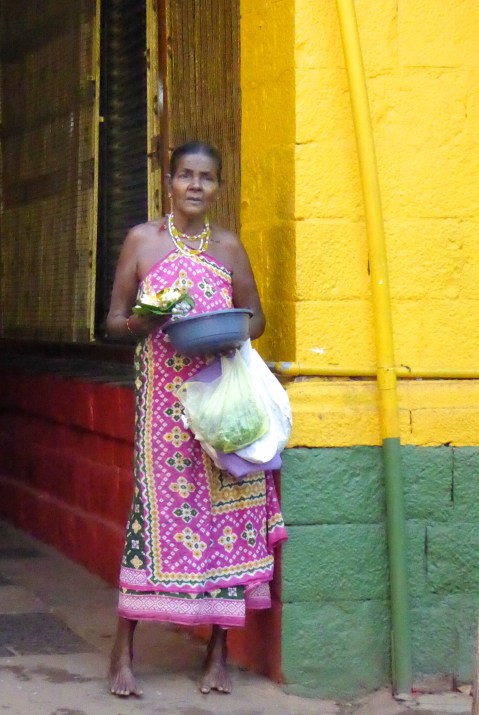 I respond to the religious fervor even though I can’t personally identify with Shiva worship. Such conviction and dedication are refreshing in today’s world of lukewarm faith. Even though I’m here for the beach, I like the diversity. As I make my daily pilgrimage to the sea down the winding main street, I pass two temples. Around them, the local women wrapped in a sarong pinned over their breast to numerous beaded necklaces, sell flowers, coconuts and who knows what as offerings. Then I dip myself in the clear sea water, giving thanks.

 A Small Case Across India